
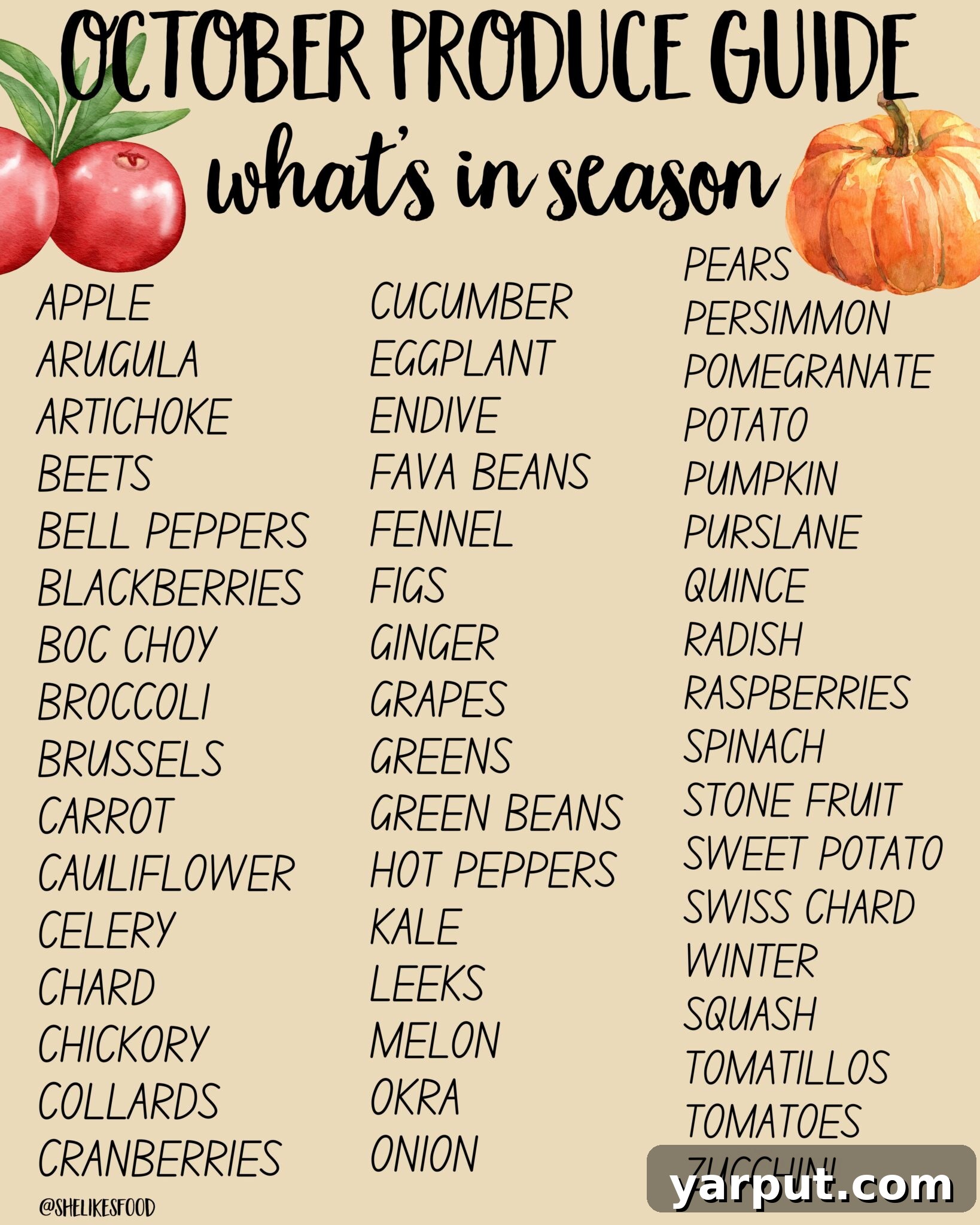
October stands as a vibrant bridge between the warmth of fall and the crisp embrace of winter. Depending on your geographical location, you’ll currently find a diverse bounty at local markets, ranging from the last whispers of summer’s fresh tomatoes to the unmistakable arrival of hearty pumpkins. The winter squash lovingly planted at the season’s start has matured, now ready for culinary delight, while resilient greens like kale continue to thrive. While many root vegetables remain nestled beneath the earth, enjoying its lingering warmth, the vibrant wildflowers of summer are beginning their graceful decline. Below, we’ve curated an essential guide to the fruits and vegetables that reach their peak seasonality this month, inviting you to explore the delicious possibilities of October’s harvest.
Welcome to your definitive October Produce Guide! This magnificent month traditionally ushers in cooler temperatures, breathtaking displays of changing leaves, and an abundance of comforting winter squash. For many home gardeners, the season is gently winding down; here in Santa Fe, New Mexico, we often anticipate our first significant frost, marking the official close of the growing year. While the prospect of a brief respite from garden chores is welcome, the fading beauty of summer flowers always leaves a touch of wistfulness. As the days shorten and the air chills, my culinary cravings shift towards cozy, nourishing meals featuring roasted vegetables, robust winter squash, and the crisp sweetness of freshly picked apples. Fortunately, these very ingredients are now at their seasonal prime, making October a truly delicious time for wholesome cooking.
A quick note on regionality: Growing seasons can vary significantly across different parts of the country. What’s perfectly in season in one area might still be growing or already past its peak in another. Always check with your local farmers’ markets for the most accurate information on what’s available near you.
To help you make the most of this transitional harvest, I’ve highlighted some of my favorite late-summer and early-fall produce items. Each section includes a deeper dive into their characteristics, health benefits, versatile culinary uses, and a selection of delicious recipes to inspire your kitchen adventures!
October’s Essential Produce Guide: Savoring the Autumn Harvest
Apples: The Quintessential Taste of Autumn
Apples, celebrated worldwide as a symbol of autumn, belong to the diverse Rosaceae (rose) family, a botanical group that also includes cherished fruits like strawberries, peaches, and cherries, as well as almonds. While many varieties are enjoyed throughout the year, October truly shines for its late-season apple offerings such as the crisp Honeycrisp, the tangy Braeburn, and the versatile Cortland. These varieties bring a delightful balance of sweetness and tartness that makes them equally at home in both sweet and savory culinary creations. From adding a refreshing crunch to salads and stuffing to lending a tender sweetness to baked oatmeal and muffins, apples offer incredible versatility and a distinct seasonal charm.
Beyond their delightful flavor and texture, apples are a nutritional powerhouse, living up to the old adage, “An apple a day keeps the doctor away.” They are an excellent source of vitamin C, a crucial antioxidant that supports immune function, and provide significant dietary fiber, essential for digestive health and satiety. Apples also contain a rich array of polyphenols and flavonoids, known for their anti-inflammatory properties. These compounds may help lower levels of “bad” cholesterol, assist in maintaining a healthy weight, and even contribute to cognitive health by reducing inflammation in the brain, potentially safeguarding against neurodegenerative conditions like Alzheimer’s disease. Incorporating apples regularly into your diet is a simple yet effective way to boost overall well-being.
Tips for Enjoying Apples: When selecting apples, look for firm, brightly colored fruit without soft spots or bruises. Store them in the refrigerator crisper drawer to maintain freshness and crispness for several weeks. For a quick snack, slice apples and pair them with peanut butter or cheese. To prevent browning after slicing, toss them lightly with a squeeze of lemon juice.

Caramelized Apple and Peanut Butter Baked Oatmeal Cups
Refreshing Kale Salad with Apples
Fennel and Apple Slaw
Easy Apple Crisp Breakfast Bowls
Easy Apple Pie Bites
Beets: Earthy Sweetness for Fall Dishes
Beets, distinctive root vegetables celebrated for their vibrant hues, belong to the Chenopodioideae subfamily, which also encompasses other nutritious greens like spinach, Swiss chard, and the humble sugar beet. While often recognized for their striking crimson-purple varieties, beets also come in beautiful golden, white, and striped (Chioggia) forms, each offering a slightly different flavor profile. Both the earthy root and the nutrient-rich greens are edible and incredibly versatile, capable of being enjoyed raw or cooked. Grating raw beets adds a pop of color and subtle sweetness to salads, while roasting them enhances their natural sugars, creating a tender, almost meaty texture. Beyond these methods, beets can be pickled for a tangy crunch, steamed, or even fried into crispy chips, making them a remarkably flexible ingredient for a wide range of dishes.
The health benefits of beets are as impressive as their vivid appearance. They are renowned for their ability to help lower blood pressure, largely due to their high content of nitrates, which convert to nitric oxide in the body, relaxing blood vessels. Beets are also excellent for liver support, aid in improved digestion thanks to their fiber content, and possess strong anti-inflammatory properties due to a wealth of antioxidants, including betalains. Packed with essential nutrients like Vitamin C, choline, and Vitamin K, they contribute significantly to overall wellness. As root vegetables, beets are often associated with grounding qualities, helping to foster a sense of stability and connection. Their rich phytonutrient profile further underscores their role in disease prevention and maintaining optimal bodily functions, making them a true superfood for autumn.
Tips for Enjoying Beets: When buying beets, choose firm, smooth roots with fresh-looking greens attached. If not using the greens immediately, remove them from the roots to prevent moisture loss. Store beets unwashed in a plastic bag in the refrigerator crisper drawer for up to 2-3 weeks. To avoid staining your hands and cutting board, wear gloves and use parchment paper when preparing red beets.
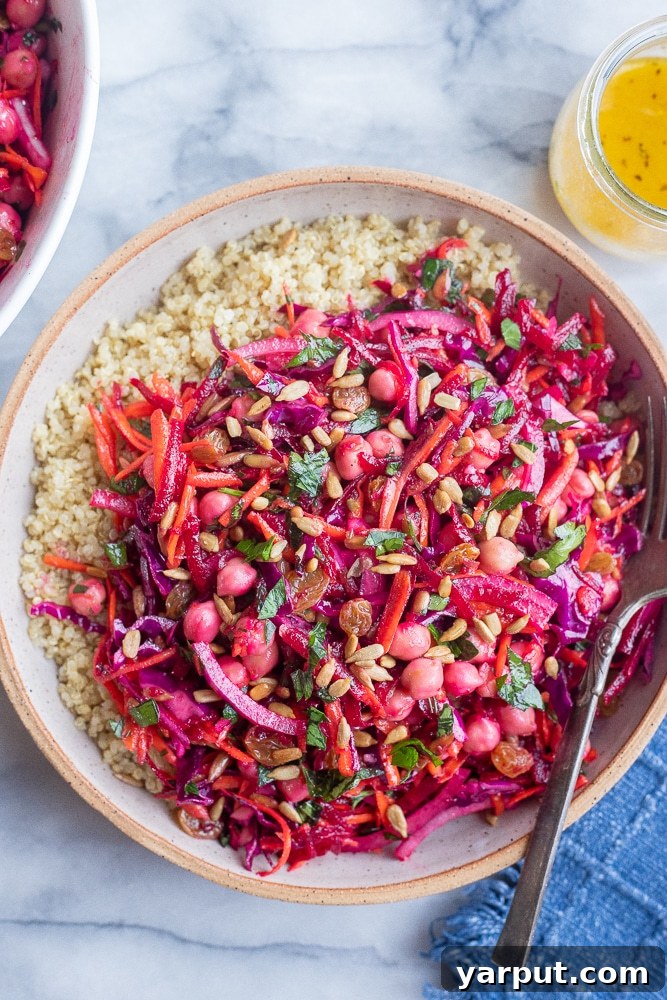
Beet and Carrot Salad with Chickpeas
Goat Cheese Beet and Balsamic Puff Pastry Bites
Beet and Cherry Smoothie
Vegan Beet Burgers with Brown Rice
Roasted Beet Chickpea and Black Rice Bowls
Healthier Chocolate Cupcakes with Raspberry and Beets
Bell Peppers: Sweet and Colorful Versatility
Bell peppers are a delightful member of the nightshade family, a botanical group that also includes tomatoes, eggplants, and potatoes. While all types of peppers are generally in season during early fall, bell peppers are perhaps the most frequently used in home kitchens due to their mild, sweet flavor and crunchy texture. Commonly found in vibrant green and red, they also come in sunny yellow, bright orange, and even deep purple varieties, each offering a slightly different nuance in taste. Green bell peppers, being less mature, often have a slightly more bitter or grassy undertone, while their red, yellow, and orange counterparts boast a noticeably sweeter flavor. Their incredible versatility makes them a staple for countless recipes; they can be finely diced into soups, added raw to salads, scrambled into eggs, or tucked into wraps. Bell peppers are equally delicious served fresh with creamy dips or hummus, or they can be sautéed, roasted to a tender sweetness, or simmered in stews and sauces, adding both flavor and beautiful color.
Beyond their culinary appeal, bell peppers are outstanding for immune health, primarily due to their exceptionally high Vitamin C content. This essential vitamin is critical for bolstering the immune system and plays a vital role in protecting the body against illness. Furthermore, Vitamin C is indispensable for wound healing and collagen production, supporting healthy skin, bones, and connective tissues. Bell peppers are also rich in a variety of antioxidants, powerful molecules that neutralize harmful free radicals which can damage cells and tissues. These antioxidants collectively contribute to overall cellular health and disease prevention, making bell peppers a smart and delicious choice for a robust immune system and general well-being.
Tips for Enjoying Bell Peppers: When selecting bell peppers, look for firm, glossy skins without any soft spots or wrinkles. Store them unwashed in the refrigerator crisper drawer, where they can last for about 1-2 weeks. For meal prep, chop several peppers at once and store them in an airtight container for easy addition to various dishes throughout the week.

Vegetarian Stuffed Peppers with Cauliflower Rice
Fajita Gnocchi Skillet with Avocado Salsa
Loaded Breakfast Stuffed Peppers
Vegetarian Fajita Rice Casserole
Vegetarian Cheesy Tortellini Casserole
Broccoli: A Crown Jewel of Cruciferous Health
Broccoli is a beloved cruciferous vegetable, a member of the diverse mustard family (Brassicaceae) that also includes nutrient-dense relatives like cabbage, Brussels sprouts, and kale. While several varieties exist, Calabrese broccoli, with its sturdy stalks and dense, dark green florets, is the most common type cultivated and consumed in the United States, and likely the one you’re most familiar with. This versatile vegetable can be enjoyed in a myriad of ways: raw for a crisp bite, roasted to bring out its nutty sweetness, gently steamed to retain its vibrant color and nutrients, or quickly stir-fried for a tender-crisp texture. Many enjoy chopping raw broccoli into bite-sized pieces for salads or keeping steamed or frozen florets on hand to effortlessly toss into pasta dishes, stir-fries, or grain bowls, adding both substance and a powerful nutritional boost.
Broccoli is unequivocally a powerhouse vegetable, offering an impressive spectrum of health benefits that make it a cornerstone of a healthy diet. It is densely packed with a variety of potent antioxidants, which are crucial for combating oxidative stress and reducing unwanted inflammation throughout the body. Furthermore, broccoli is an excellent source of dietary fiber, vital for supporting healthy digestion and promoting gut regularity. It also boasts a significant amount of Vitamin C—a single cup of broccoli contains approximately as much Vitamin C as an orange—making it an exceptional immune system booster. Rich in Vitamin K, essential for blood clotting and bone health, and sulforaphane, a unique compound linked to anti-cancer properties, broccoli truly lives up to its reputation as a nutritional giant, contributing to everything from cellular protection to robust immunity.
Tips for Enjoying Broccoli: Choose broccoli with firm, dark green florets and crisp stalks. Avoid any yellowing florets, which indicate over-maturity. Store unwashed broccoli in the refrigerator crisper drawer for up to a week. For maximum nutrient retention, light steaming or quick stir-frying is often recommended, as excessive boiling can leach out some water-soluble vitamins.

Chili Garlic Broccoli with Chickpeas
Tahini Roasted Broccoli
Crunchy Broccoli Salad with Maple Mustard Dressing
Veggie Packed Broccoli Cheddar Soup
Crunchy Baked Broccoli with Spicy Soy Sauce
Cheesy Broccoli Rice Casserole Bites
Brussels Sprouts: From Misunderstood to Culinary Delight
Brussels sprouts, charmingly resembling miniature cabbages, are a distinctive member of the Brassicaceae (cruciferous) family, sharing kinship with broccoli, cauliflower, kohlrabi, and kale. These diminutive greens grow in clusters along a thick stalk, and while they’ve historically carried a reputation for being unappetizingly “stinky” when oversteamed, modern culinary techniques have utterly transformed their image. When prepared properly, Brussels sprouts can be incredibly delicious, offering a unique nutty, slightly bitter, and sweet flavor profile. They are wonderfully versatile and can be enjoyed both raw and cooked. Many chefs and home cooks now thinly shave raw sprouts to add a satisfying crunch and peppery note to salads and slaws. However, their true magic often unfolds when roasted until caramelized and tender-crisp, or sautéed with complementary flavors. While steaming remains an option, it’s crucial not to overcook them and to season generously with at least salt and pepper to highlight their best qualities.
Like all vegetables in the cruciferous family, Brussels sprouts are packed with an impressive array of health benefits. They are an excellent source of dietary fiber, essential for digestive health and maintaining gut regularity, and abound in powerful antioxidants that help protect cells from damage. These sprouts are particularly rich in Vitamin C, a vital immune booster, and Vitamin K, crucial for blood clotting and strong bones. Furthermore, Brussels sprouts contain unique compounds like sulforaphane, which has garnered significant attention for its potential anti-cancer properties and its role in promoting detoxification pathways in the body. While most people benefit greatly from their inclusion, some individuals might experience digestive discomfort when consuming cruciferous vegetables, especially raw. If you’re sensitive, it’s advisable to start with smaller cooked portions to allow your system to adapt and enjoy their incredible nutritional bounty.
Tips for Enjoying Brussels Sprouts: When purchasing, look for firm, bright green sprouts with tightly packed leaves. If buying them on the stalk, they will stay fresh longer. Store unwashed sprouts in an airtight bag in the refrigerator for up to a week. To reduce bitterness and enhance flavor, trim the stem end, remove any loose outer leaves, and cut larger sprouts in half before cooking.
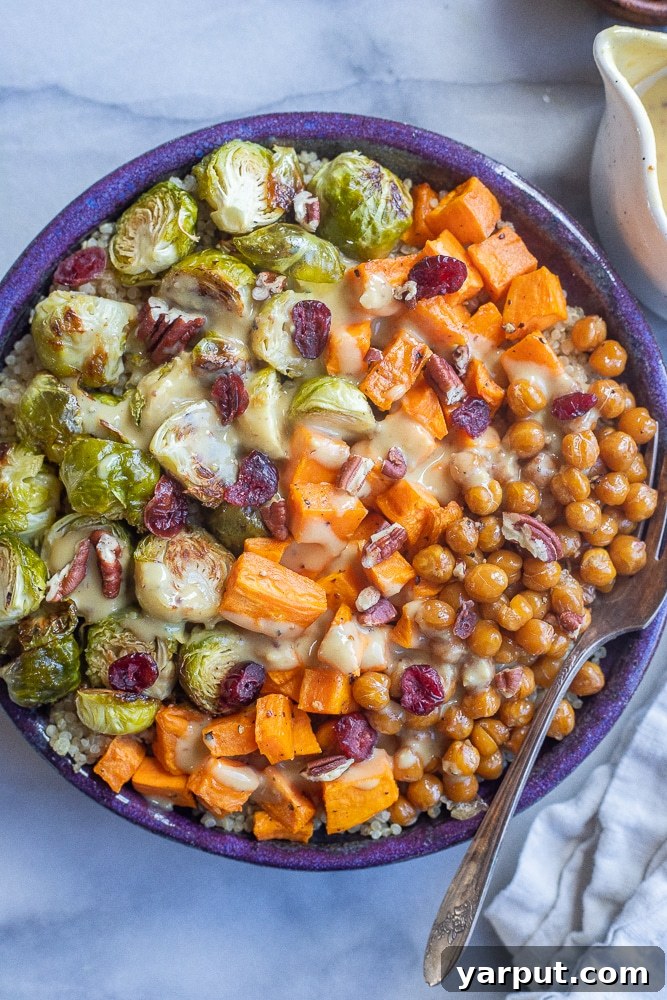
Roasted Brussels Sprout Bowls with Honey Mustard Dressing
Lemon Pepper Roasted Brussels Sprouts
Shaved Brussels Sprout Salad
Easy Roasted Vegetable Pasta with Parmesan
BBQ Roasted Brussels Sprouts
Carrots: The Vibrant Root of Health
Carrots are quintessential root vegetables, celebrated for their crisp texture and naturally sweet flavor, making them a popular choice year-round, though they flourish particularly well in cool weather. While the bright orange variety is the most ubiquitous in grocery stores, a delightful spectrum of carrots exists, including purple, yellow, white, and even red, each offering subtle differences in sweetness and earthiness. Carrots come in various shapes and sizes—from short and stout to long and slender—each suited for different culinary applications. Interestingly, “baby carrots” as we know them are not a distinct variety but are skillfully carved from larger carrots, shaped for convenience. Their remarkable versatility allows them to shine in both sweet and savory dishes. They are frequently enjoyed raw, as a crunchy snack with dips like ranch or hummus, or grated into fresh salads and wraps. Beyond raw consumption, carrots are excellent when roasted to intensify their sweetness, sautéed, incorporated into hearty soups and stews, or baked into comforting treats like carrot cake and muffins. This adaptability truly solidifies their place as a culinary favorite.
It’s widely known that carrots are exceptionally good for your eyes, and this popular belief is rooted in science! Carrots are an outstanding source of beta-carotene, a powerful antioxidant that the body readily converts into Vitamin A. Vitamin A is absolutely essential for maintaining healthy vision, particularly in low light conditions, and plays a crucial role in overall eye health. Beyond their ocular benefits, carrots are also a significant source of both soluble and insoluble dietary fiber. Fiber is vital for promoting healthy digestion, preventing constipation, and can even contribute to a reduced risk of heart disease. The soluble fiber found in carrots helps to bind with cholesterol particles in the digestive tract, facilitating their removal from the body and thereby helping to lower “bad” LDL cholesterol levels. Additionally, carrots contain numerous other antioxidants that bolster the immune system and provide cellular protection, making them a comprehensive superfood for daily wellness.
Tips for Enjoying Carrots: Choose carrots that are firm, smooth, and brightly colored. Avoid those that are rubbery, cracked, or wilted. Remove the green tops before storing, as they draw moisture from the roots. Store carrots in a perforated plastic bag in the coolest part of your refrigerator, where they can last for several weeks. Washing and peeling them just before use helps retain their freshness.

Carrot and Chickpea Salad with Orange Maple Dressing
Roasted Carrot and Dill Hummus
Noodles with Cabbage and Carrots
Carrot Cake Muffins
Curried Sweet Potato Carrot and Red Lentil Soup
Cauliflower: The Adaptable Cruciferous Star
Cauliflower, a remarkable member of the highly nutritious cruciferous family, shares its botanical lineage with broccoli, kohlrabi, kale, and Brussels sprouts. While the most common variety features dense, creamy white florets, you can also find striking purple, vibrant yellow, and even green (Romanesco) cauliflowers, each offering a slightly different visual appeal and a subtly nuanced flavor. Regardless of color, these varieties can generally be used interchangeably in recipes. Cauliflower’s mild, somewhat nutty flavor and adaptable texture make it incredibly versatile in the kitchen. It can be transformed in countless ways: roasted until beautifully caramelized, steamed to tender perfection, expertly charred for a smoky depth, pureed into creamy soups or sauces, or even processed into a grain-free “rice” alternative. A particularly popular method involves coating florets in a flavorful batter, baking them until crispy, and then tossing them in a delicious sauce, creating plant-based “wings” or flavorful bites that are incredibly satisfying.
Mirroring the health benefits of its cruciferous relatives, cauliflower is a nutritional powerhouse that provides a wealth of advantages. It is an excellent source of dietary fiber, crucial for digestive health and regularity, and boasts an impressive profile of antioxidants, including vitamin C and carotenoids, which help protect the body’s cells from oxidative damage and reduce inflammation. Cauliflower is also rich in Vitamin K, important for blood clotting and bone health, and contains glucosinolates, which are converted into beneficial compounds like sulforaphane during digestion. Sulforaphane has been extensively studied for its potential role in lowering blood pressure, reducing cholesterol levels, and its anti-cancer properties. For individuals sensitive to cruciferous vegetables, particularly when consumed raw, it’s often recommended to enjoy them cooked and in smaller portions initially to aid digestion and avoid potential stomach upset, ensuring you can still reap their significant health rewards.
Tips for Enjoying Cauliflower: Choose cauliflower heads that are firm, compact, and heavy for their size, with tightly packed florets. Avoid any with brown spots or signs of wilting. Store unwashed cauliflower in a plastic bag in the refrigerator crisper drawer for up to 1-2 weeks. To prevent yellowing, store it stem-side down.

Crispy Teriyaki Cauliflower
Golden Roasted Cauliflower with Coconut Curry Tahini Dressing
Cauliflower Parmesan
Buffalo Cauliflower Tacos with Ranch Slaw
Vegetarian Cauliflower Fried Rice
Green Beans: Crisp Pods of Summer’s End
Green beans, cherished for their crisp texture and mild, slightly earthy flavor, are a member of the extensive Fabaceae (pea) family, boasting over 500 diverse varieties worldwide. As their name suggests, they are most commonly a vibrant green, but you can also find fascinating yellow (wax beans) and striking purple varieties, which typically turn green upon cooking. These prolific plants are excellent mid-to-late summer crops, often growing as bushy plants or climbing vigorously up poles as vine-like varieties. While I personally enjoy the fresh, raw taste of green beans straight from the garden, I often find myself cooking them to enhance their tenderness and flavor. Buying them frozen is a convenient way to enjoy their goodness year-round, as frozen green beans generally retain a superior quality to their canned counterparts. Their versatility extends to numerous dishes, from simple steamed sides to hearty casseroles and vibrant salads.
Green beans are exceptionally nutrient-rich, offering a wide array of health benefits that support nearly every bodily function. They are an excellent source of Vitamin C, a powerful antioxidant and immune booster, and Vitamin K, crucial for blood clotting and bone health. Furthermore, green beans provide significant amounts of folate, vital for cell growth and DNA formation, especially important during pregnancy, and dietary fiber, which aids digestion, promotes gut health, and helps manage weight by fostering a feeling of fullness. They also contain iron, important for oxygen transport in the blood, and a range of antioxidants that protect cells from damage and contribute to overall disease prevention, including various forms of cancer. Their comprehensive nutritional profile makes green beans a fantastic addition to a balanced diet, supporting everything from heart health to fetal development.
Tips for Enjoying Green Beans: Look for firm, vibrant green beans that snap easily when bent. Avoid beans that are limp, bruised, or discolored. Store unwashed beans in a plastic bag in the refrigerator for about a week. For best results, trim the ends just before cooking. Blanching them briefly in boiling water and then plunging into ice water helps retain their bright color and crispness.
The Best Easy Green Beans
Miso Sesame Green Beans
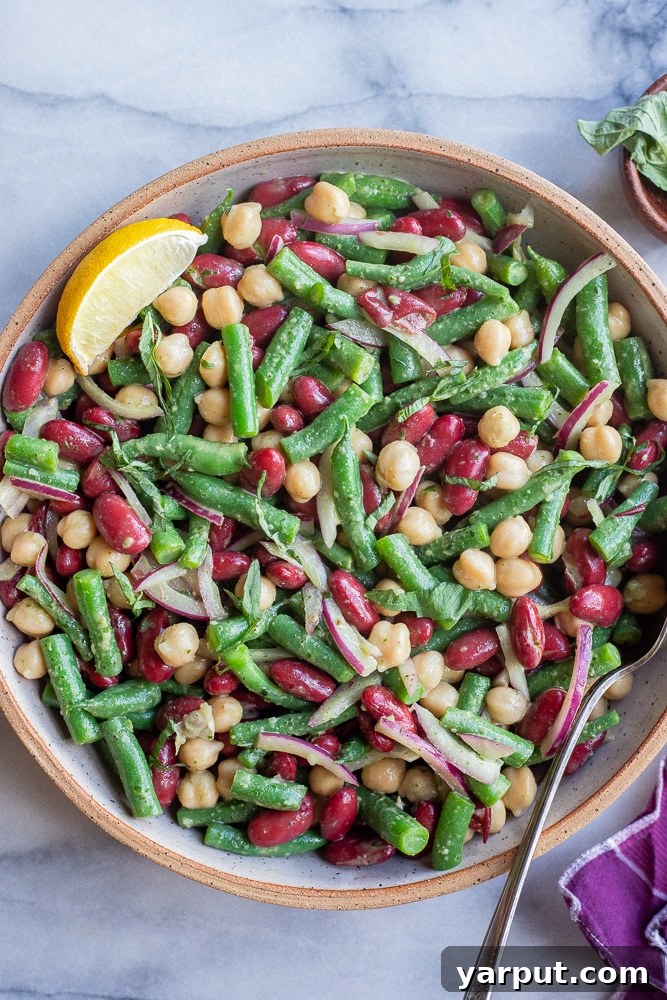
Three Bean Salad with Basil Vinaigrette
Vegan Green Bean Casserole
Egg Free Crispy Baked Green Bean Fries
Kale: The Hearty Green Superfood
Kale, a celebrated member of the Cruciferae family, is renowned as a powerhouse leafy green that thrives even in colder temperatures, making it an ideal autumn and winter crop. It comes in a few distinct varieties, each offering a slightly different texture and appearance: curly kale with its ruffled edges, lacinato kale (also known as dinosaur or Tuscan kale) with its darker, textured leaves, and vibrant purple kale. In recent years, baby kale has also gained immense popularity, offering a milder flavor and more delicate texture, akin to baby spinach or lettuce, while still retaining its robust nutritional profile. Kale is incredibly versatile and can be enjoyed both cooked and raw. A common technique for raw preparation involves “massaging” the leaves with a little oil and lemon juice to tenderize them, making them perfect for hearty, refreshing salads. Its ability to wilt quickly also makes it an effortless addition to soups, stir-fries, pasta dishes, and smoothies, where it subtly boosts nutrient content without overpowering flavors.
Kale is unequivocally considered a superfood due to its exceptionally dense concentration of vitamins, minerals, and phytonutrients, solidifying its place as one of the most nutrient-rich foods available. Including dark leafy greens like kale is crucial for a balanced diet, and kale offers a remarkable advantage: it contains four times more Vitamin C than spinach and twice the amount of selenium, both powerful antioxidants vital for immune health and cellular protection. Additionally, kale is abundant in Vitamin K, essential for bone health and blood clotting, and provides a good source of Vitamin A, supporting vision and skin health. Its low-calorie and high-fiber content make it an excellent choice for weight management, aiding digestion and promoting satiety. The presence of unique compounds like glucosinolates further enhances its reputation, contributing to its potential anti-inflammatory and detoxifying benefits. Regular consumption of kale is a proactive step towards robust health and vitality.
Tips for Enjoying Kale: Choose kale with crisp, dark green leaves and firm stems. Avoid any yellowing or wilting. Store unwashed kale in a plastic bag in the refrigerator crisper drawer, where it can last for up to a week. To extend freshness, you can also store kale with its stems in a glass of water, much like a bouquet, covered loosely with a plastic bag.

The Best Kale Chips
Chopped Kale Power Salad with Lemon Tahini Dressing
Kale and White Bean Pasta with Parmesan
Garlicky Kale with White Beans and Lemon
Sunshine Kale Salad
Pumpkins: The Iconic Gourd of Fall
Pumpkins, the quintessential symbols of autumn and Halloween, are versatile vegetables belonging to the Cucurbits (gourd) family, encompassing a wide array of varieties beyond the familiar jack-o’-lantern. These hearty gourds are brimming with essential vitamins and nutrients, making them a fantastic addition to any diet, whether you’re utilizing fresh pumpkin or the convenient canned puree. Their high concentrations of both Vitamin A and Vitamin C make them exceptional for bolstering immune health, particularly important as colder weather approaches. Pumpkin is notably low in calories and rich in dietary fiber, a combination that promotes healthy digestion, supports gut health, and aids in maintaining a healthy weight by fostering a sense of fullness. Furthermore, pumpkin seeds, often discarded, are themselves a nutritional treasure, packed with protein, zinc, healthy fats, and magnesium, offering their own impressive array of health benefits.
While carving pumpkins are primarily for decoration, edible varieties like sugar pie pumpkins can be cooked similarly to butternut squash, yielding a sweet, tender flesh. However, most home cooks rely on readily available canned pumpkin puree, which is sold year-round and forms the base for classic sweet recipes such as the iconic Thanksgiving pumpkin pie. Beyond desserts, pumpkin puree lends itself beautifully to savory dishes, adding a creamy texture and subtle sweetness to curries, chilis, and baked tacos. Its flavors pair harmoniously with warm, autumnal spices like cinnamon, nutmeg, ginger, as well as savory notes from cumin and chili powder. Don’t forget the seeds: roasted pumpkin seeds, often seasoned with salt and spices, transform into a crunchy, protein-rich snack that’s both delicious and incredibly healthy.
Tips for Enjoying Pumpkins: When choosing a pumpkin for cooking, opt for smaller “pie” or “sugar” pumpkins, as they have sweeter, less fibrous flesh. Store whole, uncarved pumpkins in a cool, dry place for several months. Once cut, refrigerate fresh pumpkin pieces and use within a week. Canned pumpkin puree should be stored in a cool, dark pantry.

Pumpkin Red Curry Chickpeas with Vegetables
Pumpkin Pinto Bean Taco Skillet
Soft Pumpkin Cookies with Orange Glaze
Vegetarian Pumpkin Chili with Black Beans
Vegan Pumpkin Queso Dip
Radishes: Small but Mighty Spice
Radishes, with their distinctive peppery bite and crisp texture, are vibrant root vegetables belonging to the diverse mustard family (Brassicaceae). While the small, round, fiery red radish is the most commonly recognized and sold in grocery stores, a fascinating array of varieties exists, including elongated daikon radishes, colorful watermelon radishes with their striking pink interiors, and black radishes. Red radishes are typically enjoyed raw, where their spicy, pungent flavor and satisfying crunch truly shine. They are often thinly sliced and tossed into fresh salads, adding a zesty kick. However, their culinary potential extends beyond raw consumption; radishes can be pickled for a tangy, preserved bite, grilled to soften their intensity, or even roasted in the oven. Roasting is a particularly transformative method, as it mellows their sharp flavor, brings out a subtle sweetness, and creates a wonderfully tender texture, making them a surprisingly versatile vegetable.
Despite their small size, radishes pack a considerable nutritional punch, making them a beneficial addition to any healthy diet. Just half a cup of sliced radishes provides approximately 14% of the daily recommended dose of Vitamin C, offering a significant boost to the immune system and acting as a powerful antioxidant. They are also an excellent source of dietary fiber, with half a cup containing 1 gram, which is crucial for supporting a healthy digestive system, promoting regularity, and contributing to gut health. Radishes are known for their natural antifungal properties, which can help keep opportunistic yeast growth, like Candida, in check within the body. Furthermore, with only about 9 calories per cup and virtually no fat, radishes are an ideal food for healthy weight management. Their high water content also contributes to hydration, making them a refreshing and nourishing snack or salad addition.
Tips for Enjoying Radishes: Select radishes that are firm, smooth, and free of soft spots. If the greens are attached, they should be fresh and vibrant. Remove the greens before storing, as they draw moisture from the roots. Store radishes unwashed in a plastic bag in the refrigerator for up to a week. To reduce their spiciness, you can slice them and soak them in ice water for a few minutes before serving.
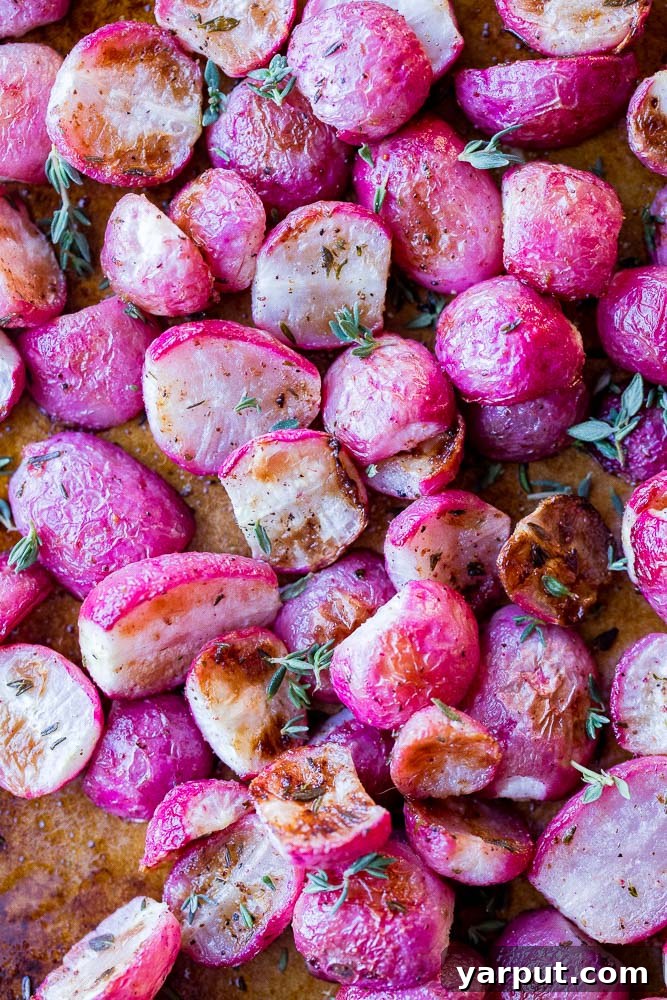
Roasted Radishes with Garlic and Herbs
Veggie Sushi Bowls with Quick Pickled Radishes
Crunchy Ranch Salad with Crispy Quinoa
Loaded Black Bean Salad
Salt and Vinegar Potato Salad
Roasted Sweet Potato Black Bean Salad with Kale
Sweet Potatoes: Autumn’s Golden Comfort
Sweet potatoes, often mistakenly confused with yams, are distinctly members of the morning glory family (Convolvulaceae), which also includes bindweed and moonflower. These versatile root vegetables are cherished for their naturally sweet flavor and creamy texture, becoming a staple of autumn cuisine. They exhibit a beautiful spectrum of colors, including vibrant orange, deep red, and even striking purple varieties, each offering subtle differences in sweetness and moisture content. As root vegetables, they grow entirely beneath the soil, with edible greens emerging above ground, though the “potato” part is what is most commonly consumed. My preferred method of preparation involves roasting sweet potatoes, whether diced into hearty chunks or sliced into slender fries, tossed simply with aromatic spices. This brings out their natural sugars and caramelizes their edges. Alternatively, they can be mashed to a smooth consistency, or baked whole like a traditional potato, offering a blank canvas for your favorite savory or sweet toppings.
Sweet potatoes are a nutritional powerhouse, providing a remarkable array of health benefits that make them an indispensable component of a healthy diet. They are exceptionally rich in Vitamin A, particularly in the form of beta-carotene, which is crucial for vision, immune function, and skin health. They also provide significant amounts of Vitamin C, a powerful antioxidant, and essential minerals like potassium and magnesium. The fiber content in sweet potatoes is noteworthy, featuring both soluble and insoluble types, which work synergistically to support robust digestion, promote gut health, and contribute to satiety. The potassium and magnesium contribute to cardiovascular health by helping to regulate blood pressure and potentially reduce the risk of stroke. Specifically, purple sweet potatoes contain potent anthocyanins, antioxidants known for their anti-inflammatory properties, which may help reduce inflammation in the brain and support cognitive function, potentially lowering the risk of memory issues later in life. Their complex carbohydrates offer sustained energy, making them an excellent choice for active lifestyles.
Tips for Enjoying Sweet Potatoes: Choose firm, smooth sweet potatoes with no soft spots or sprouting. Store them in a cool, dark, well-ventilated place (not the refrigerator) for 3-5 weeks. Cold temperatures can damage their flavor and texture. Wash and scrub them thoroughly before cooking. Leaving the skin on provides extra fiber and nutrients.

Roasted Sweet Potato Hummus Wraps with Honey Mustard
Sheet Pan Sweet Potato Fajitas with Black Beans
Roasted Sweet Potato Hash
Vegan Sloppy Joe Stuffed Sweet Potatoes
Sweet Potato Pie Bars
Tomatoes: Late Season Jewels
Tomatoes, botanically classified as fruits but culinarily used as vegetables, are a cherished member of the nightshade family, alongside bell peppers and eggplants. While often associated with the peak of summer, many late-season varieties continue to thrive into early autumn, especially in regions with longer growing seasons, delivering a final burst of their juicy, vibrant flavor. There is an astonishing diversity of tomatoes, from small, sweet cherry and grape tomatoes to robust beefsteak and heirloom varieties, each with unique colors, shapes, and taste profiles, ranging from tangy to intensely sweet. They are incredibly versatile in the kitchen, adding freshness to salads, depth to sauces, and robust flavor to countless cooked dishes. From a simple Caprese salad to slow-simmered marinara, roasted with herbs, or even dried for concentrated flavor, tomatoes are a foundational ingredient in many cuisines worldwide.
Tomatoes are nutritional powerhouses, particularly celebrated for their high content of lycopene, a potent antioxidant that gives them their red color. Lycopene has been extensively studied for its potential role in reducing the risk of certain cancers, especially prostate cancer, and supporting cardiovascular health. Interestingly, lycopene becomes even more bioavailable (easier for the body to absorb) when tomatoes are cooked and consumed with a little fat, making tomato sauce or roasted tomatoes particularly beneficial. Beyond lycopene, tomatoes are an excellent source of Vitamin C, essential for immune function and skin health, and Vitamin K, important for bone health. They also provide a good amount of potassium, which helps regulate blood pressure. Their high water content aids in hydration, while dietary fiber supports healthy digestion. Enjoying late-season tomatoes is a delicious way to boost your intake of these vital nutrients and antioxidants.
Tips for Enjoying Tomatoes: Choose ripe tomatoes that are firm, heavy for their size, and have a rich color. Store ripe tomatoes at room temperature, away from direct sunlight, to preserve their flavor and texture. Refrigeration can diminish their taste and make them mealy. If you have an abundance of late-season tomatoes, consider roasting them with olive oil and herbs, then freezing them for use in winter sauces and soups.

Guacamole Stuffed Tomatoes
Sun-Dried Tomato Pesto Pasta
Creamy Roasted Tomato Soup
Herby Parmesan Tomato Pasta Salad
Summer Squash and Tomato Pizza
Tomato Herb Butter Beans with Pesto Rice
Zucchini: The Prolific Summer Squash Lingers On
Zucchini, a classic summer squash, belongs to the vast Cucurbitaceae family and is famously known for its prolific growth in home gardens. Most people are familiar with the common long, cylindrical green zucchini found in grocery stores, but varieties also include vibrant yellow zucchini and round types, offering subtle differences in appearance and texture. Zucchini possesses a very mild flavor on its own, which makes it an excellent canvas for absorbing other seasonings and flavors during cooking. While it can be enjoyed raw, thinly sliced in salads or spiralized into “zoodles,” it is most commonly cooked. Sautéing, roasting, or grilling brings out its best qualities, especially when cooked until it begins to caramelize and brown, which enhances its natural sweetness and develops a richer flavor. This delicious transformation makes zucchini an ideal addition to stir-fries, pasta dishes, grain bowls, tacos, and, of course, a staple in baked goods like zucchini bread and muffins, where it adds moisture and a subtle richness without being overly assertive.
Beyond its culinary versatility, zucchini is highly nutritious and remarkably low in calories, making it a valuable component of a healthy diet. It is abundantly loaded with dietary fiber, which is crucial for promoting a healthy digestive system, aiding regularity, and supporting gut health. Its high water content not only contributes significantly to daily hydration but also, in conjunction with its fiber, helps in managing a healthy weight by promoting feelings of fullness and satiety. Furthermore, zucchini contains a variety of antioxidants, including carotenoids like lutein and zeaxanthin, which are beneficial for eye health, and other compounds that help reduce inflammation throughout the body. These antioxidants work to protect cells from damage caused by free radicals, contributing to overall cellular health and disease prevention. Incorporating zucchini regularly into your meals is an easy and delicious way to boost your nutrient intake and support various bodily functions.
Tips for Enjoying Zucchini: Choose zucchini that are firm, glossy, and relatively small to medium in size, as larger ones can be watery and less flavorful. Store unwashed zucchini in the refrigerator crisper drawer, where they can last for about a week. Avoid storing them with fruits that produce ethylene gas (like apples), as this can cause them to spoil faster. For baking, squeeze out excess moisture from grated zucchini to prevent a soggy result.
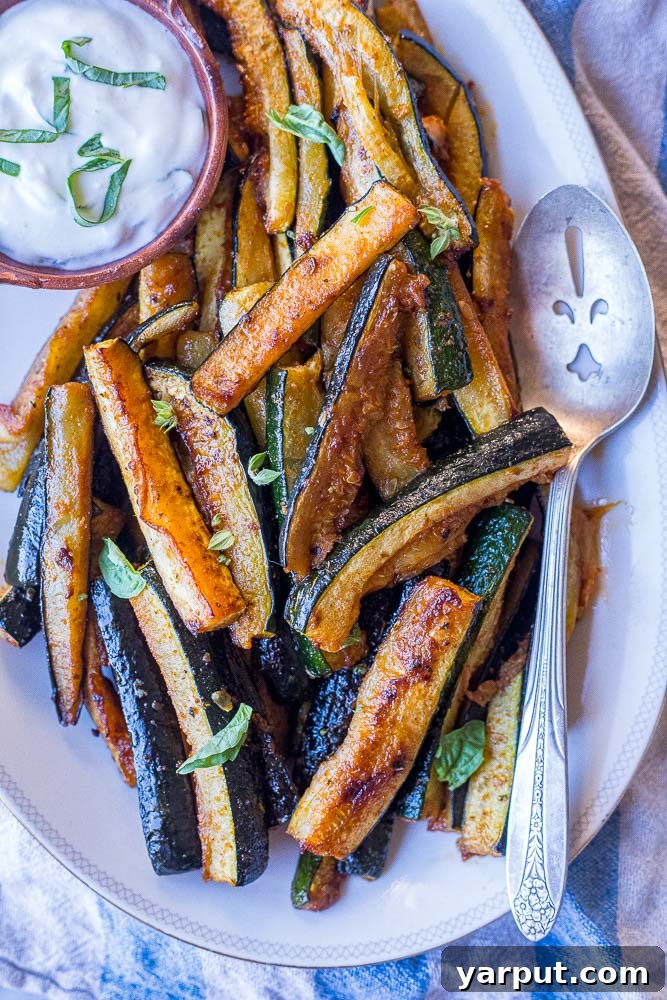
The Best Roasted Zucchini
Blackened Zucchini Tacos
Creamy Curried Zucchini Soup
Corn and Zucchini Quesadillas
Zucchini Apple Carrot Muffins
Winter Squash: Hearty Comfort for Cooler Days
As October deepens, our attention gratefully turns to winter squash, a truly defining element of the autumn and winter harvest. This category encompasses a wide range of varieties, all belonging to the Cucurbitaceae (squash) family, including beloved types like the sweet and nutty butternut, the distinctively ridged acorn, the stringy spaghetti squash, the elegantly patterned delicata, and the rich red kuri, alongside pumpkins. These robust vegetables are known for their hardiness, thriving in cooler temperatures, and possess an excellent shelf life, making them ideal for storing through the colder months. Some varieties, like butternut squash, have a thick, inedible skin that requires peeling, while others, such as delicata squash, boast a tender, edible skin that adds texture and simplifies preparation. In my opinion, winter squash is best enjoyed cooked, as heat brings out its inherent sweetness and softens its dense flesh. Roasting is a favorite method, creating tender, caramelized pieces perfect for adding to grain bowls, hearty wraps, or as a standalone side. Beyond roasting, squash excels in comforting soups, stews, and warming curries. Spaghetti squash, with its unique stringy flesh, offers a fantastic, low-carb alternative to traditional pasta, pairing beautifully with a variety of sauces.
Vegetables within the squash family are highly nutritious, providing a wealth of health benefits that are particularly valuable during the colder seasons. They are abundantly packed with powerful antioxidants, which are crucial for combating free radicals in the body, protecting cells from damage, and potentially reducing the risk of chronic diseases. Winter squash varieties are excellent sources of dietary fiber, promoting healthy digestion, regularity, and contributing to a feeling of fullness, which can aid in weight management. They are also remarkably rich in Vitamin A, particularly in the form of beta-carotene, vital for healthy vision, immune function, and skin integrity. Significant amounts of Vitamin C further bolster the immune system, while potassium supports healthy blood pressure and fluid balance. Beyond these, winter squash contributes to reducing inflammation within the body. Their combination of being low in calories and high in fiber makes them an ideal food for anyone looking to maintain a healthy weight while enjoying delicious, nutrient-dense meals.
Tips for Enjoying Winter Squash: Choose squash that feels heavy for its size and has hard, unblemished skin. A dull skin indicates ripeness. Store whole winter squash in a cool, dry place for several weeks or even months, depending on the variety. Once cut, wrap tightly and refrigerate, using within a few days. For easier cutting, microwave whole squash for 1-2 minutes to soften the skin slightly.

Roasted Delicata Squash Salad
Acorn Squash Breakfast Bowls
Easy Roasted Butternut Squash Soup
Spicy Peanut Spaghetti Squash Bowls
Butternut Squash Chili with Black Beans