
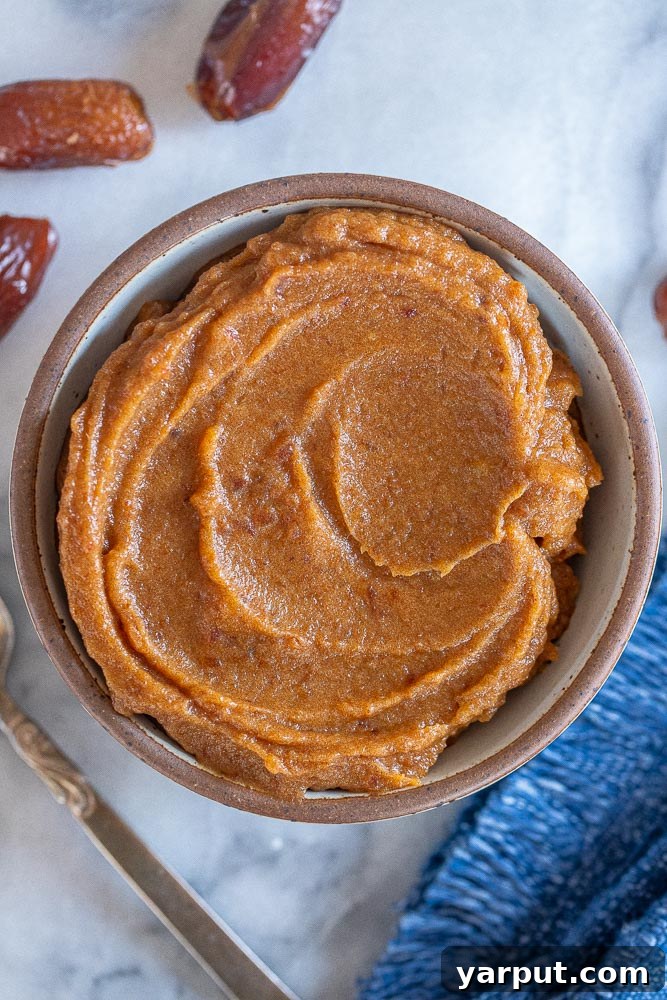
Mastering Date Paste: Your Ultimate Guide to a Natural Sweetener
Discover how to effortlessly make date paste, a wholesome, natural sweetener crafted from just dates and water. Explore its versatile uses and numerous health advantages over refined sugars.
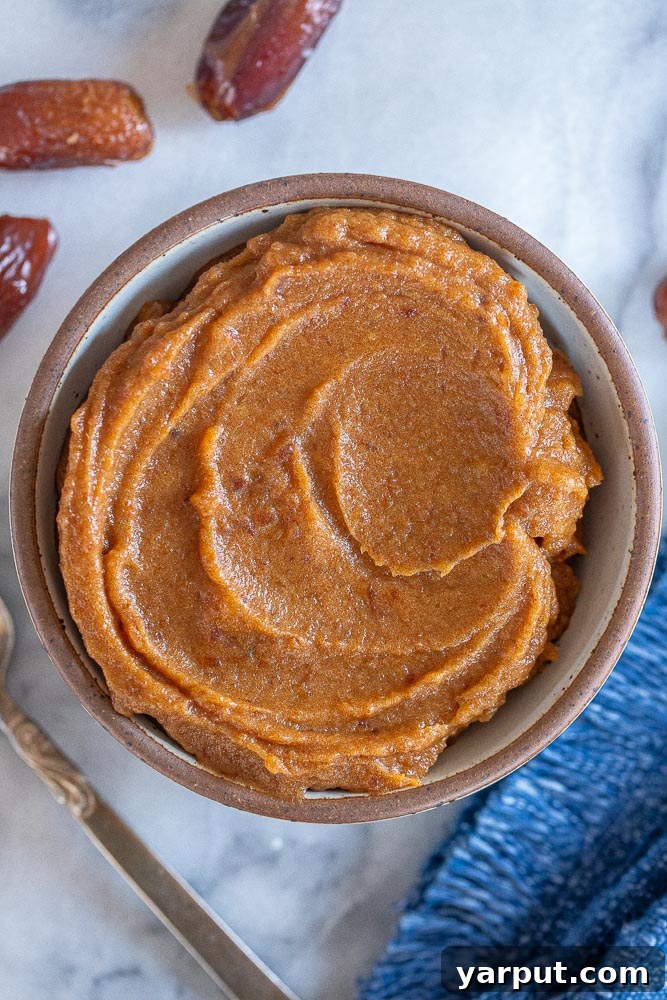
In today’s health-conscious world, many are seeking healthier alternatives to refined sugars. Date paste stands out as an exceptional option, offering a naturally sweet solution that’s both delicious and nutritious. If you’re new to the world of date paste, get ready to transform your culinary habits. This comprehensive guide will walk you through everything you need to know, from making your own silky-smooth paste at home to incorporating it into a wide array of recipes, all while enjoying its impressive health benefits and understanding why it’s a superior choice for your well-being.
Why Choose Date Paste as Your Go-To Sweetener?
The quest for healthier eating often leads us to examine the role of sugar in our diets. While various natural sweeteners exist, date paste holds a special place due to its minimal processing and inherent nutritional value. Unlike granulated white, brown, or even more “natural” options like coconut sugar and maple syrup, date paste retains the valuable fiber, essential vitamins, and crucial minerals found in whole dates. This makes it not just a sweetener, but a whole-food ingredient that contributes to your overall health. Opting for date paste means you’re not just adding sweetness, you’re adding nutrients, making it a smart choice for anyone looking to reduce their intake of highly processed sugars without sacrificing the delightful flavors in their favorite dishes. Once you experience the rich, caramel-like sweetness and satisfying texture of homemade date paste, you’ll wonder how you ever managed without it.
Essential Ingredients for Homemade Date Paste
Making your own date paste is surprisingly simple, requiring just two core ingredients. The quality of these ingredients, particularly the dates, will significantly impact the final product’s flavor and consistency.
- Dates: The Heart of Your Natural Sweetener
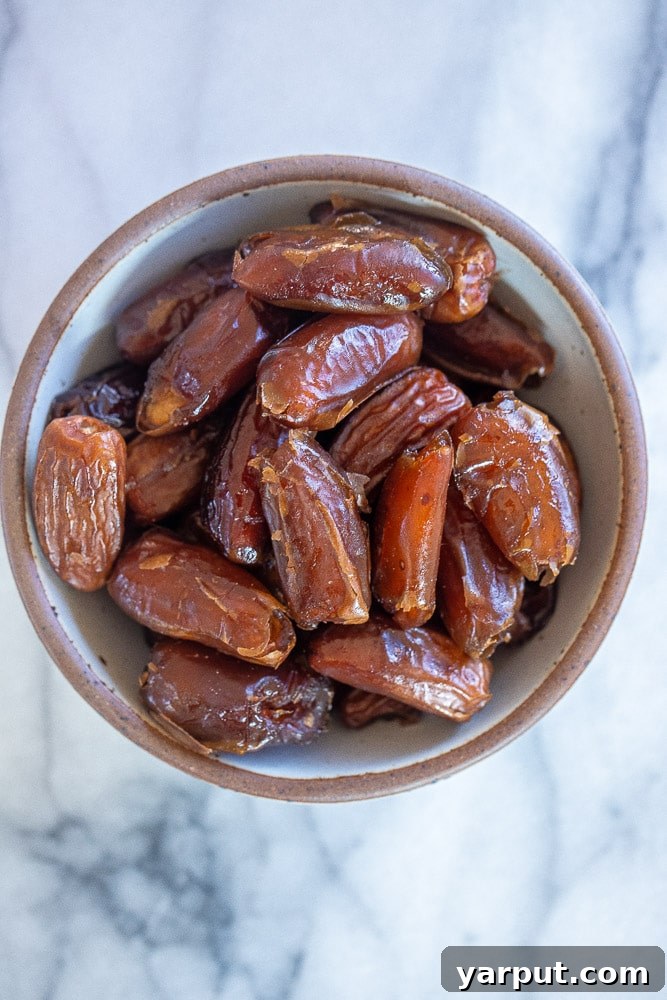
For the best date paste, Medjool dates are highly recommended and widely considered the premium choice. Known as the “King of Dates,” Medjools are prized for their impressively large size, incredibly soft and chewy texture, and a rich, deep caramel flavor that truly stands out. Their naturally high moisture content makes them ideal for blending into a smooth, creamy paste with minimal effort. When purchasing, you can opt for already pitted dates to save time, or buy them with pits and remove them yourself. Whichever variety you choose, it is crucial to ensure no pits remain before blending to protect your food processor or blender and to achieve a perfectly silky consistency in your paste.
While Medjool dates offer the finest results, other varieties like Deglet Noor dates can also be used. However, they are typically smaller, firmer, and possess a slightly less intense sweetness. If using Deglet Noor or other drier dates, you may find they require a longer soaking time in hot water to soften adequately for blending into a smooth paste. Always prioritize fresh, plump dates, regardless of the variety, for the most flavorful and easy-to-make date paste.
- Water: The Unsung Hero of Consistency
Regular filtered drinking water is perfectly sufficient and typically used for creating a delicious date paste. The water plays a crucial role by helping to soften the dates, making them significantly easier to blend into a uniform paste, and it also dictates the final consistency of your paste. For those seeking an extra layer of sweetness or a subtle flavor twist, consider using a small amount of fruit juice, such as apple or orange juice, during the initial soaking or blending process. This can add a delightful complexity and complement the natural sweetness of the dates, especially if you plan to use the paste in specific dessert recipes where those fruity notes would be welcome.
Elevating Your Date Paste with Flavorful Additions
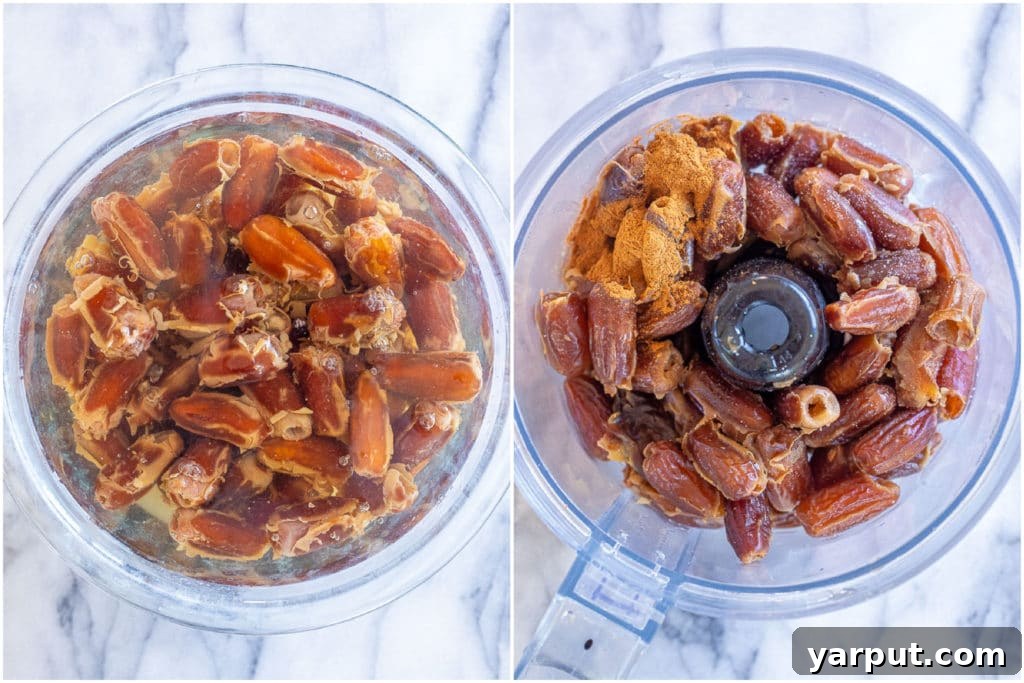
While date paste is wonderfully delicious and versatile on its own, it also serves as an excellent canvas for incorporating additional flavors. These simple additions can transform your basic date paste into a gourmet ingredient, ready to elevate specific dishes or simply add variety and excitement to your pantry. Experiment with these suggestions to find your favorite combinations and unlock new culinary possibilities:
- Warm Spices: Cinnamon, Pumpkin Spice, Ginger, Cardamom
A generous dash of ground cinnamon can infuse your date paste with a comforting, sweet-and-spicy flavor reminiscent of cinnamon sugar. This variation is particularly delightful in breakfast items like oatmeal, French toast, or homemade pastries. For autumn-inspired treats, a pumpkin pie spice blend (typically a mix of cinnamon, nutmeg, ginger, cloves, and allspice) is an absolute must, bringing a warm, festive aroma. During the holiday season, ground ginger and a hint of molasses can create a warming, festive date paste perfect for gingerbread-flavored desserts or spreads. Even a pinch of cardamom can add an exotic, floral note.
- Rich Chocolate Notes: Unsweetened Cocoa Powder or Cacao
Just a few teaspoons of unsweetened cocoa powder or raw cacao powder can instantly turn your date paste into a luscious, healthy chocolate spread. This decadent and guilt-free version is fantastic for brownies, chocolate cakes, or as a healthy topping for fresh fruit. Imagine spreading this chocolatey delight on a banana, swirling it into a smoothie for a quick pick-me-up, or even using it as a dip for strawberries.
- Nutty Indulgence: Peanut Butter, Almond Butter, or Tahini
Stirring in a tablespoon or two of creamy peanut butter, almond butter, or even cashew butter creates a rich, protein-packed spread. This combination is perfect for sandwiches, adding to energy bites, stirring into yogurt, or simply enjoying by the spoonful for a satisfying snack. The nutty flavor provides a wonderful complement to the sweetness of the dates. For a more Middle Eastern twist, a touch of tahini (sesame paste) can add a savory depth.
- Aromatic Extracts: Vanilla, Almond, Maple
While not strictly necessary, a splash of pure vanilla extract can significantly enhance the natural sweetness of dates and add a subtle complexity, making the paste taste more rounded and luxurious. Almond extract offers a sophisticated, slightly nutty aroma, ideal for certain baked goods or as a pairing with fruit. For a taste of the outdoors, maple extract can provide a unique twist, particularly good in fall-themed recipes or as a delightful pancake topping alternative.
- Bright & Zesty: Lemon or Orange Zest
For a brighter, fresher flavor profile, consider adding a pinch of finely grated lemon or orange zest. The vibrant citrus oils provide a lively counterpoint to the dates’ natural richness, preventing the paste from being overly sweet. This zesty variation is excellent for lighter desserts, fruit salads, or even incorporated into certain salad dressings for a unique sweet and tangy element.
Creative Ways to Utilize Your Homemade Date Sweetener
One of the greatest advantages of date paste is its incredible versatility. Beyond being a simple sugar substitute, it can transform various dishes, adding natural sweetness, depth of flavor, and a wholesome nutrient boost. Here are just a few ideas to inspire your culinary adventures, demonstrating how this humble paste can become a staple in your kitchen:
-
Baking with Date Paste: A Healthier Twist on Classic Treats
Substituting date paste for refined granulated sugar in baking can be a game-changer for your health and the nutritional profile of your desserts, but it requires a bit of understanding due to differences in moisture content. The main challenge lies in the fact that date paste adds liquid, which dry granulated sugar does not. As a general guideline, a good starting point is to use approximately 2/3 cup of date paste for every 1 cup of granulated sugar called for in a recipe. However, this is just an initial ratio. It’s crucial to assess the batter’s consistency after adding the date paste and be prepared to make minor adjustments. If the mixture appears too wet, you might need to add a little more dry ingredient (such as flour, oats, or a thickening agent like chia seeds). This flexible approach ensures your baked goods maintain the desired texture without becoming overly dense, gummy, or crumbly.
Date paste shines particularly well in recipes where a moist, chewy texture is desirable. Think muffins, quick breads, wholesome cookies, brownies, and certain types of cakes. It generally works less ideally for recipes that require crispness, precise sugar crystallization, or a very light and airy texture, such as some meringues or delicate sugar cookies. If you’re unsure about adapting a specific recipe, feel free to experiment with smaller batches or look for existing recipe adaptations that specifically call for date paste. For liquid sweeteners like maple syrup or honey, date paste can often be substituted at a straightforward 1:1 ratio due to their similar viscosities and moisture levels. This makes date paste an excellent plant-based and less processed alternative in many vegan recipes, such as these delightful baked oatmeal cups that are naturally sweetened with date paste, offering a truly wholesome and guilt-free start to your day.
-
Beyond Baking: Nourishing Spreads, Toppings, and Fillings
Date paste isn’t just for baking; it excels as a naturally sweetened spread, topping, or filling, bringing a rich, caramel-like flavor to everyday meals. Imagine starting your day with a spoonful of this velvety paste spread generously on your morning toast, crumpets, croissants, or bagels. It’s also an incredible addition to your breakfast bowl – stir a tablespoon into your oatmeal, porridge, or plain yogurt for an instant boost of natural sweetness, fiber, and nutrients. For a nostalgic treat with a healthy upgrade, use it as a delicious and wholesome filling for homemade pop-tarts, turnover pastries, or even energy bars.
Consider a fresh take on classic sandwiches: a peanut butter and date paste sandwich, offering a wholesome and delicious alternative to traditional jelly or jam. It’s also fantastic drizzled over pancakes, waffles, or French toast, providing a nuanced and complex sweetness that can easily rival traditional maple syrup, honey, or fruit compotes. You can even use it as a dip for apple slices, celery sticks, or other fresh fruits, turning a simple snack into a truly satisfying treat.
-
Savory Applications: Balancing Flavors in Sauces, Dressings, and Marinades
Don’t limit date paste to sweet dishes alone. Its rich, subtly caramel flavor profile makes it a superb ingredient in savory applications where a touch of sweetness can beautifully balance other flavors, adding complexity and depth. Use it as a natural alternative to honey, brown sugar, or corn syrup in homemade sauces. It integrates wonderfully into an umami-rich peanut sauce for noodle dishes, satay, or vegetable bowls. It can also be a key component in a tangy, slightly sweet teriyaki sauce for stir-fries and glazes for roasted chicken or tofu. Furthermore, date paste can lend a subtle, complex sweetness to homemade salad dressings, marinades for grilled meats or vegetables, and even barbecue sauces, creating a more wholesome and distinctly flavorful condiment than those made with refined sugars.
What creative uses have you discovered for date paste in your own kitchen? Share your favorite ways to incorporate this amazing natural sweetener into your meals and snacks!
The Remarkable Health Benefits of Dates
Dates are truly nature’s candy, packed with inherent sweetness primarily from fructose, a naturally occurring sugar found in fruits. While recipes using date paste aren’t “sugar-free” in the strictest sense, they offer a significant nutritional upgrade compared to refined sugars, and are often preferred over processed alternatives like high-fructose corn syrup, and even simpler natural sugars like maple syrup or coconut sugar due to their whole-food nature. Here are some compelling reasons to incorporate dates and date paste into your daily diet:
- Rich in Essential Vitamins and Minerals:
Dates are far more than just a sweet treat; they are nutritional powerhouses, providing a good source of several vital vitamins and minerals that are crucial for various bodily functions. They are particularly high in potassium, an essential electrolyte crucial for maintaining fluid balance, heart health, and proper muscle and nerve function. They also contain copper, important for iron absorption, energy production, and the formation of red blood cells; magnesium, which is essential for over 300 biochemical reactions in the body, supporting muscle and nerve function, blood sugar control, and blood pressure regulation; and vitamin B6, which plays a critical role in brain development and immune system function. These nutrients contribute significantly to overall well-being, functions that refined sugars completely lack.
- An Excellent Source of Dietary Fiber:
One of the most significant health advantages of dates is their remarkably high fiber content. A modest 3.5-ounce serving (approximately 4-5 Medjool dates) contains nearly 7 grams of dietary fiber, both soluble and insoluble. Fiber is indispensable for a healthy digestive system, promoting regularity, preventing constipation, and supporting a healthy gut microbiome. Beyond digestive health, fiber plays a crucial role in regulating blood sugar levels, preventing the sharp spikes and crashes typically associated with the consumption of refined sugars. It also significantly contributes to satiety, helping you feel fuller for longer, which can be beneficial for appetite control and potentially aiding in weight management efforts.
- Abundant in Disease-Fighting Antioxidants:
Dates are brimming with a diverse array of powerful antioxidants, including flavonoids, carotenoids, and phenolic acid. These compounds are vital for protecting your cells from damage caused by free radicals, unstable molecules that can contribute to chronic diseases and aging. Regular consumption of antioxidant-rich foods like dates has been linked to a reduced risk of various serious ailments, including heart disease by preventing LDL cholesterol oxidation, certain types of cancer, neurodegenerative diseases like Alzheimer’s, and even type 2 diabetes by improving insulin sensitivity. These natural compounds offer robust protection against cellular damage and inflammation.
- Supports Brain Health and Cognitive Function:
Emerging research and traditional knowledge suggest that dates may offer significant neuroprotective benefits, promoting better brain health and cognitive function. The rich profile of antioxidants in dates, particularly flavonoids, helps reduce inflammation and oxidative stress in the brain, factors closely linked to cognitive decline and neurodegenerative disorders. Regular inclusion of dates in the diet might contribute to improved memory, learning capabilities, and overall cognitive function, offering protective effects against conditions like Alzheimer’s disease.
- Potential Role in Natural Childbirth (Traditional Use):
Dates have a long and fascinating history of traditional use, particularly among pregnant women nearing their due date. Several studies and numerous anecdotal reports suggest that consuming a certain number of dates daily (often recommended as six dates per day) during the last few weeks of pregnancy may help promote cervical ripening, reduce the need for labor induction, and potentially lead to a smoother and shorter natural labor. While individual experiences vary greatly, and scientific consensus is still developing, many expectant mothers, supported by cultural heritage and preliminary research, find comfort and benefit in incorporating this natural practice into their prenatal routine.
Frequently Asked Questions About Date Sweetener
Here are answers to some common questions about making and using date paste, ensuring you get the most out of this incredible and versatile natural sweetener:
-
Can I substitute date paste for granulated sugar (like white or coconut sugar) at a 1:1 ratio?
It’s generally not recommended to substitute date paste for granulated sugars (such as white sugar, brown sugar, or coconut sugar) at a direct 1:1 ratio. Granulated sugars are dry, crystalline ingredients, whereas date paste contains significant moisture and has a different texture. A direct substitution can alter the overall consistency of your baked goods, potentially making them too dense, gummy, or excessively moist. A good starting point is to use approximately 2/3 cup of date paste for every 1 cup of granulated sugar called for in a recipe. From there, observe your batter’s consistency and make minor adjustments by adding a little more dry ingredient (e.g., flour, oat flour, or ground nuts) if it seems too liquidy, or a touch more date paste if you prefer a sweeter, moister result and the batter can handle the extra liquid.
-
Is date paste a suitable 1:1 replacement for liquid sweeteners like maple syrup or honey?
Yes, in most cases, date paste can be used as a straightforward 1:1 substitute for other liquid sweeteners such as maple syrup, honey, agave nectar, or molasses. Both date paste and these liquid sweeteners have similar viscosities and moisture levels, allowing for more direct substitutions without significantly impacting the overall consistency of your recipe. This makes date paste an excellent plant-based and often less processed alternative for those avoiding honey or seeking a more whole-food sweetener option in their recipes.
-
How thick or thin should I make my date paste?
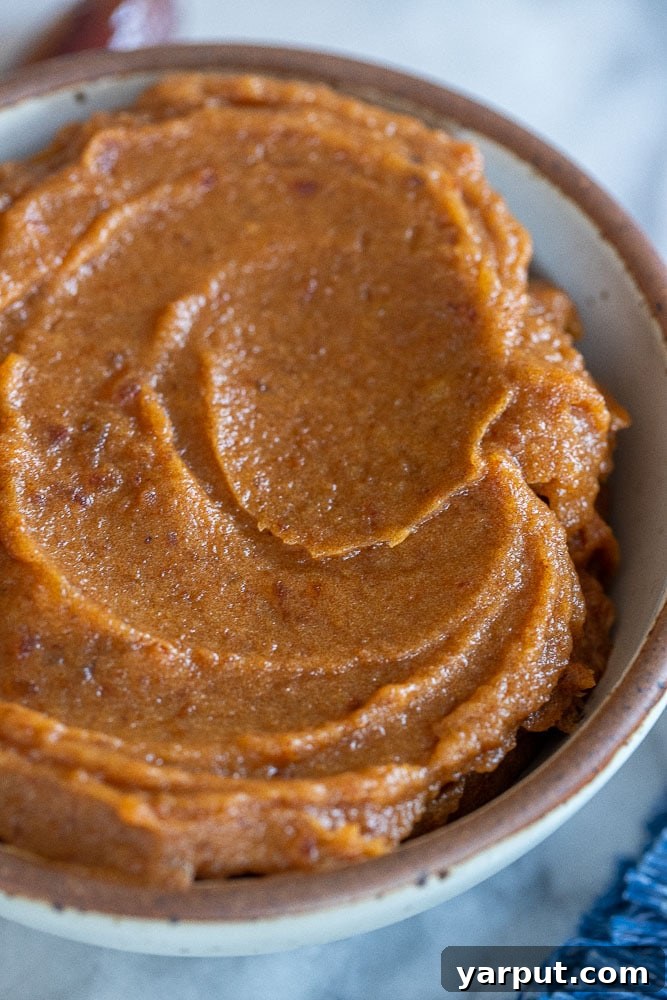
The ideal consistency of your date paste largely depends on its intended use. For spreading on toast, filling pastries, or using as a thick dip, a thicker, more spreadable consistency is desirable. This is achieved by adding less of the reserved soaking water during the blending process. If you plan to use it in smoothies, sauces, salad dressings, or as a direct liquid sweetener substitute in baking, you might prefer a thinner paste. The beauty of homemade date paste is that you have complete control over the consistency. Start by adding a small amount of liquid, blend, and then slowly add more soaking liquid until it reaches your desired texture. It’s easier to thin out a thick paste than to thicken a thin one.
-
What’s the best way to store homemade date paste?
Proper storage is key to maximizing the freshness and shelf life of your homemade date paste. Store it in an airtight container in the refrigerator, where it will remain fresh and delicious for about one month. For much longer storage, date paste freezes exceptionally well. Transfer it to an airtight, freezer-safe container, or for convenient portion control, freeze it in ice cube trays. Frozen date paste can be stored for up to one year. When you’re ready to use it, simply thaw it on the counter for a few hours or transfer it to the refrigerator overnight. Freezing is an excellent option for meal prepping and ensuring you always have this natural sweetener readily on hand.
-
Can I use dates other than Medjool for date paste?
While Medjool dates are highly recommended for their inherent softness, rich flavor, and ease of blending, you can certainly use other varieties like Deglet Noor dates. If using firmer dates such as Deglet Noor, you may need to soak them for a longer period (perhaps an hour or even more) in hot water to ensure they soften sufficiently for blending into a smooth paste. You might also find you need to add a bit more soaking water during the blending process to achieve the desired consistency. The flavor profile of your paste might differ slightly depending on the date variety, but the fundamental process remains the same.
-
Is date paste suitable for individuals with diabetes?
Date paste, while a natural sweetener derived from whole fruit, still contains natural sugars (primarily fructose and glucose). While it offers beneficial fiber and nutrients not found in refined sugars, it can still impact blood sugar levels. Individuals with diabetes should consume date paste in moderation and always account for its carbohydrate and sugar content in their meal plans, just as they would with any other fruit or natural sugar. It is always best to consult with a healthcare professional or a registered dietitian for personalized dietary advice, especially when managing specific health conditions.
Have a question that wasn’t covered here? Feel free to leave a comment below, and I’ll do my best to provide an answer as soon as possible!
Watch the Process: How to Make Date Paste
For a complete visual guide, watch this step-by-step video demonstrating exactly how to prepare this simple yet incredibly versatile natural sweetener in your own kitchen. Seeing the process in action can make it even easier to master!
How To Make Date Paste
Rating: 5 from 1 review
- Author: She Likes Food
- Total Time: 35 minutes
- Yield: 10 servings (1x)
- Diet: Vegan
Description
This Date Paste is easy to make and works great as a natural sweetener in baked goods or as a spread!
Ingredients
- 1 (12 oz) package Medjool dates, pitted or with pits removed
- Water, 2-4 cups (for soaking and blending)
Instructions
- Pour dates into a medium-sized glass or ceramic bowl. Add water to a medium-sized saucepan and bring it to a boil. You’ll want enough water to completely cover your dates when you pour the hot water over them.
- Once the water boils, carefully pour the hot water over the dates in the bowl. Let them sit and soak for about 30 minutes to soften thoroughly. After soaking, drain the water from the dates, but be sure to reserve this liquid, as you’ll use it for blending.
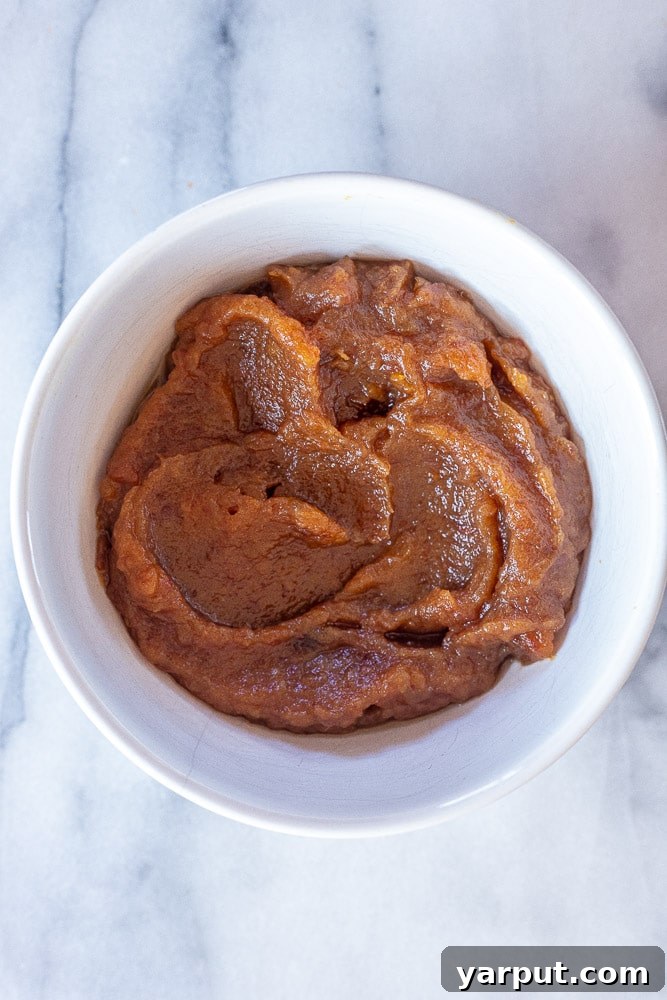
- Transfer the softened dates to a food processor or a high-speed blender. Begin processing, then slowly drizzle in your reserved date soaking water, a tablespoon at a time. The amount of water you add will determine the final consistency of your date paste. For a thicker, spreadable paste (like for toast), add less water. For a thinner paste (suitable for sauces or smoothies), add more. I typically add just a few tablespoons to achieve a thickness ideal for spreading on bread.
- Your homemade date paste is now ready to use immediately! For storage, transfer it to an airtight container. It will keep fresh in the refrigerator for approximately one month. For longer-term storage, you can freeze it for up to one year. If frozen, allow it to thaw on the counter or in the refrigerator before using in your recipes.
- Prep Time: 5 mins
- Cook Time: 30 mins
- Category: Condiment, Vegan
- Method: Blender, Stovetop
- Cuisine: American