
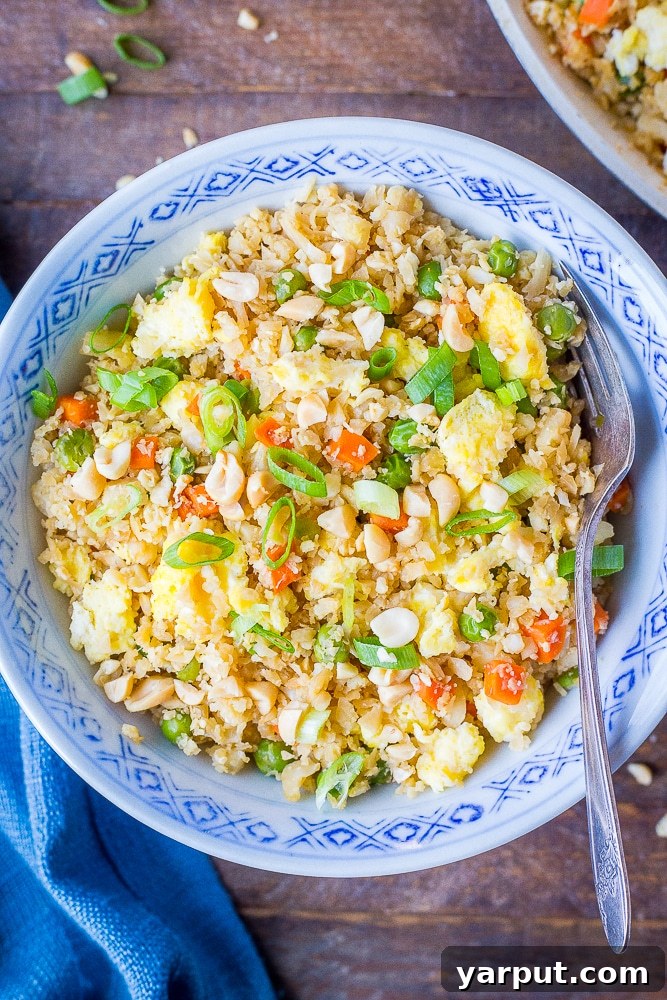
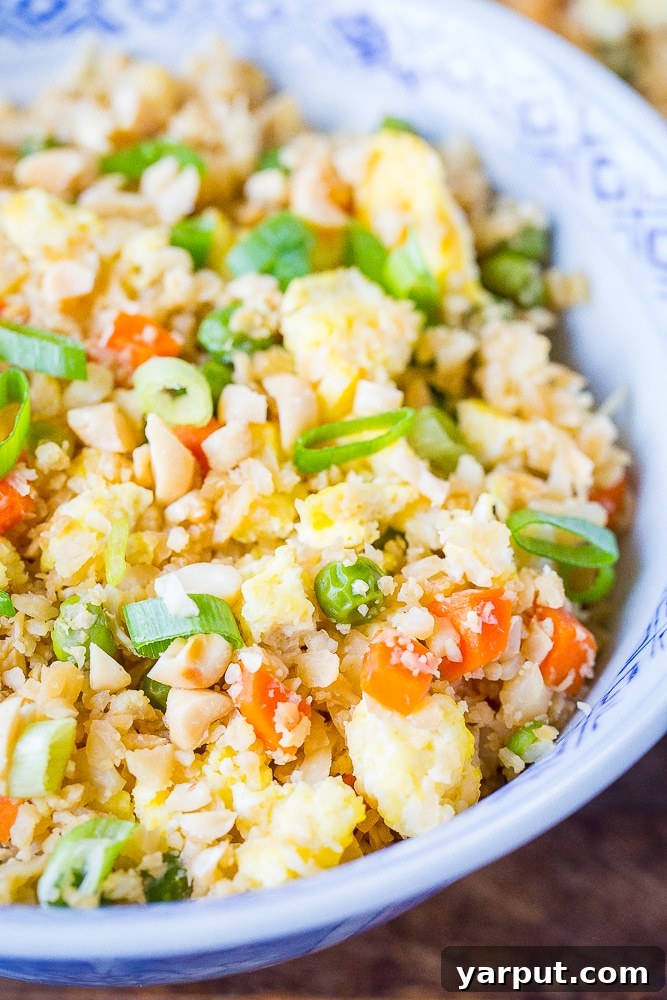
This Vegetarian Cauliflower Fried Rice is a low-carb version of your favorite fried rice! It’s so flavorful, that you won’t miss the regular rice one bit!
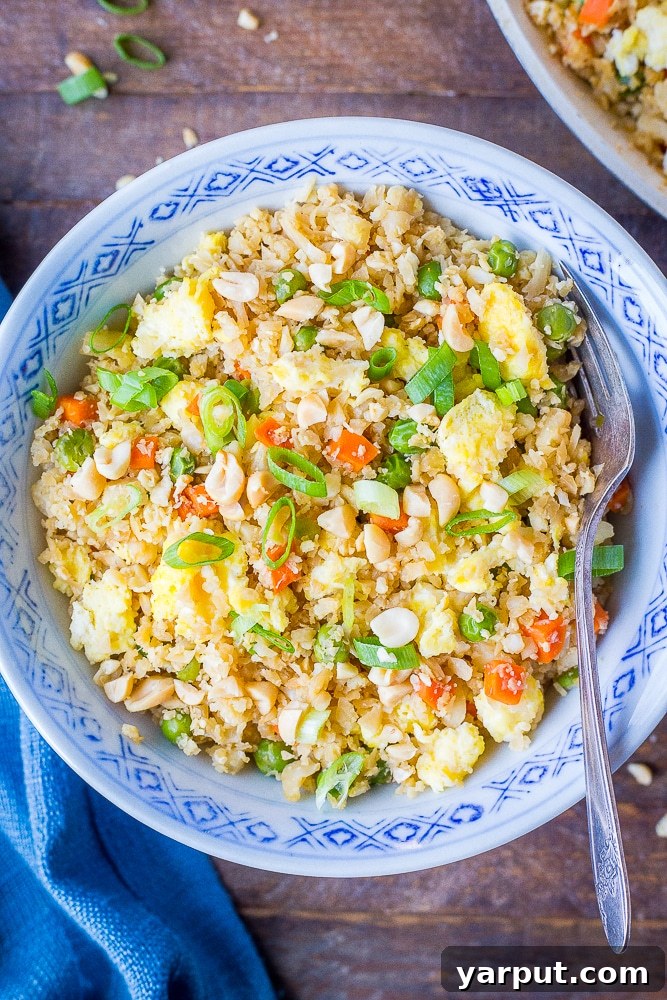
Experience Flavor Without the Carbs: The Ultimate Vegetarian Cauliflower Fried Rice
Embark on a culinary adventure with our incredible Vegetarian Cauliflower Fried Rice! If you’re looking to reduce your carb intake without sacrificing an ounce of flavor, this recipe is your new best friend. It transforms humble cauliflower into a vibrant, savory, and incredibly satisfying dish that rivals its traditional rice-based counterpart. Get ready to discover a healthy, wholesome, and delightfully easy meal that your entire family will adore.
In recent times, many of us have become more mindful of our dietary choices, often looking for ways to enjoy our favorite meals with a healthier twist. While I don’t strictly adhere to a low-carb diet, I’ve started paying closer attention to carbohydrate content, realizing that many beloved dishes are surprisingly carb-heavy. This journey led me to the revelation of cauliflower rice – a concept I initially approached with skepticism but quickly grew to love. This recipe for Vegetarian Cauliflower Fried Rice quickly became a staple in my kitchen, and I’m thrilled to share it with you. My husband, initially thinking it was quinoa, was thoroughly impressed, and my three-year-old even asked for “more yummy rice!” This recipe proves that healthy eating can be incredibly delicious and appealing to even the pickiest eaters.
Why Your Body Will Thrive on This Grain-Free Fried Rice
Beyond its fantastic taste, Vegetarian Cauliflower Fried Rice offers a plethora of health benefits, primarily thanks to its star ingredient: cauliflower. This cruciferous vegetable is a nutritional powerhouse, making this dish a smart choice for your overall well-being.
- Enhanced Digestive Health – Cauliflower is an excellent source of dietary fiber, crucial for maintaining a healthy digestive system. Fiber helps promote regular bowel movements, prevents constipation, and keeps you feeling full and satisfied for longer periods. Moreover, it contains prebiotic fiber, which acts as fuel for the beneficial bacteria in your gut. A thriving gut microbiome is linked to improved immunity, better mood, and enhanced nutrient absorption.
- Radiant Skin Health – This amazing vegetable is rich in sulforaphane, a powerful antioxidant and anti-inflammatory compound. Sulforaphane plays a vital role in protecting your skin cells from oxidative stress, which can lead to premature aging. It helps reduce the appearance of wrinkles, promotes the natural production of collagen – essential for skin elasticity – and may even offer protection against the damaging effects of UV radiation, contributing to a more youthful and glowing complexion.
- Robust Heart Health – The sulforaphane found in cauliflower isn’t just great for your skin; it’s also a champion for your heart. Research suggests it can help lower cholesterol levels by preventing the accumulation of fatty deposits in the arteries. This action contributes to lower blood pressure and significantly reduces the risk of heart disease, ensuring your cardiovascular system operates smoothly and efficiently.
- Rich in Vitamins and Minerals – Cauliflower is packed with essential nutrients, including Vitamin C for immune support, Vitamin K for bone health and blood clotting, and B vitamins, particularly folate, important for cell growth and metabolism. It also provides minerals like potassium and manganese, all contributing to overall bodily functions and vitality.
- Anti-Inflammatory Properties – The diverse array of antioxidants in cauliflower, including glucosinolates and isothiocyanates, contributes to its potent anti-inflammatory effects. Reducing chronic inflammation in the body is key to preventing numerous diseases and promoting long-term health.
Mastering the Art of Cauliflower Rice: A Step-by-Step Guide
Creating delicious cauliflower fried rice starts with perfectly prepared cauliflower rice. This simple technique unlocks a world of low-carb possibilities.
- Selecting and Preparing Your Cauliflower: Choose a fresh, firm head of cauliflower. Remove the outer leaves and core. Cut the cauliflower into uniform, medium-sized florets. Consistency in size helps ensure even processing.
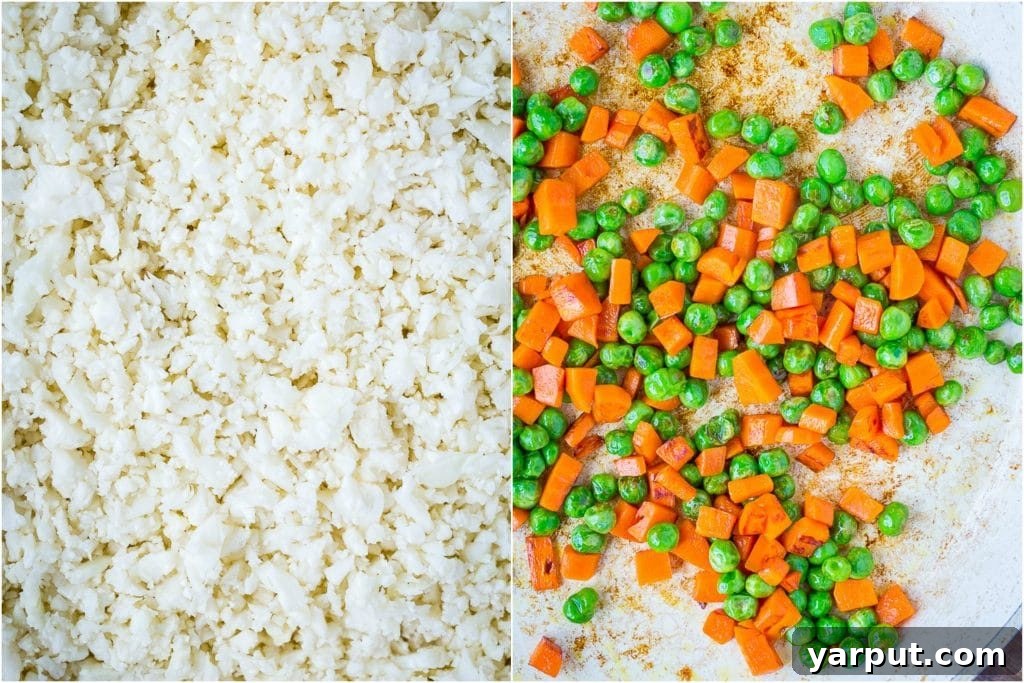
- Ricing with a Food Processor: Place the cauliflower florets into a food processor. Be careful not to overpack it; you may need to work in two or three batches depending on the size of your food processor. Pulse the processor 3-4 times, or until the cauliflower breaks down into rice-sized grains. The goal is a texture resembling couscous or rice – avoid over-processing, which can turn it into a mushy paste. If you don’t have a food processor, you can use a box grater on the largest holes.
- The Perfect Texture Matters: The key to non-soggy fried rice is not over-blending. Over-processing releases too much water, making your fried rice watery. Aim for distinct, grain-like pieces. If you notice excess moisture, you can gently squeeze the riced cauliflower in a clean kitchen towel to remove some of the water before cooking.
- Pre-Riced Options: For ultimate convenience, many grocery stores now offer pre-riced cauliflower, both fresh and frozen. If using frozen riced cauliflower, ensure it’s fully thawed and any excess moisture is drained before adding it to the pan.
Effortlessly Delicious: How To Make Vegetarian Cauliflower Fried Rice
Making this low-carb fried rice is just as straightforward as preparing its traditional counterpart. The primary difference lies in using nutrient-rich riced cauliflower instead of conventional day-old rice.
- Sauté Your Aromatics and Vegetables: Begin by heating a large skillet or wok over medium heat. Add your preferred oil – sesame oil for authentic flavor, or olive oil for a neutral base. Once shimmering, add the finely diced carrots and fresh or frozen green peas. Sauté for about 5 minutes, or until the carrots are tender-crisp. Next, stir in the minced garlic and freshly grated ginger. Cook for another 30 seconds until fragrant, being careful not to burn the garlic.
- Introduce the Cauliflower Rice and Sauce: Add the prepared cauliflower rice to the pan along with the soy sauce (or tamari for a gluten-free option). Stir everything together thoroughly, ensuring the cauliflower is evenly coated. Continue to cook for approximately 10 minutes, stirring occasionally, until the cauliflower is tender but still retains a slight bite. Avoid overcooking, which can lead to a soft or mushy texture.
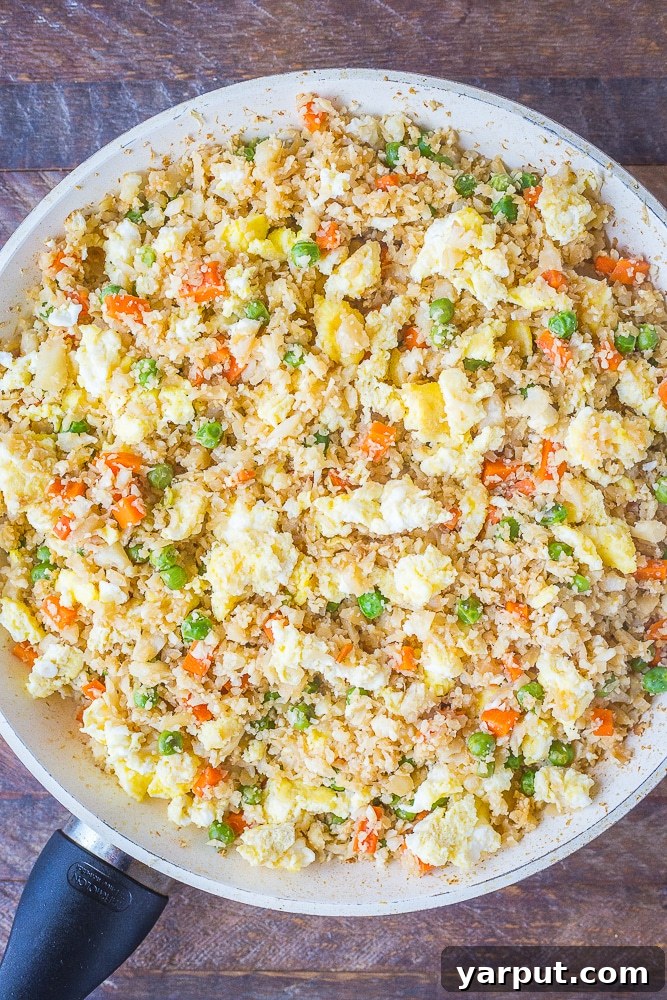
- Incorporate the Eggs: In a separate bowl, crack and whisk the large eggs. You have two options here: either push the cauliflower mixture to one side of the pan, pour the whisked eggs into the empty space, and scramble them directly in the pan before mixing with the cauliflower rice, or scramble the eggs in a completely separate pan and then fold them into the fried rice at the end. Both methods work perfectly, yielding fluffy scrambled eggs throughout the dish.
- Season and Garnish: Taste the fried rice and add salt if desired, keeping in mind that soy sauce already provides a significant amount of sodium. Once seasoned to your preference, transfer the delicious Vegetarian Cauliflower Fried Rice to serving bowls and garnish generously with sliced green onions. For extra flavor and texture, consider adding fresh cilantro, toasted peanuts, or cashews.
Expert Tips for the Best Cauliflower Fried Rice
Achieving restaurant-quality fried rice at home is easy with a few simple tricks and customization ideas:
- Perfecting Your Cauliflower Rice: As mentioned, the secret to fantastic cauliflower rice is not to over-process it. Chop your cauliflower into similar-sized florets before placing them in the food processor. Pulse in short bursts until you achieve a rice-like consistency. Blending for too long will create a mealy texture and release excess moisture, resulting in soggy fried rice. If you’re concerned about moisture, briefly sauté the riced cauliflower alone for a few minutes before adding other ingredients to dry it out slightly.
- Boosting Protein Content: While this recipe is designed to be vegetarian, the addition of scrambled eggs provides a wonderful boost of protein. If you prefer, you can easily adapt it by adding other protein sources. Cooked chicken, shrimp, or thinly sliced beef are excellent choices for meat-eaters. For a vegan or plant-based option, consider adding pan-fried tofu cubes, tempeh, or even edamame for extra texture and nutritional value. Add cooked proteins towards the end of the cooking process to ensure they are heated through without overcooking.
- Vegetable Medley Extravaganza: Traditional fried rice often features peas and carrots, but don’t limit yourself! This dish is incredibly versatile and welcomes a wide array of vegetables. Bell peppers (any color), broccoli florets, sliced mushrooms, snap peas, corn, or even bok choy can elevate the flavor and nutritional profile. Add harder vegetables like broccoli or bell peppers earlier in the cooking process, and softer ones like spinach or bean sprouts towards the end to maintain their crispness.
- Customizing Your Sauce: Soy sauce provides that classic umami flavor. For a gluten-free version, tamari is a perfect substitute. If you’re avoiding soy, coconut aminos offer a similar savory depth. Feel free to experiment with a dash of oyster sauce (for non-vegetarian), a splash of sriracha or chili garlic sauce for heat, or even a hint of hoisin sauce for a touch of sweetness. Adjust the salt content accordingly based on your sauce choices.
- Not Fully Convinced on Cauliflower? If you’re new to cauliflower rice and hesitant to go full low-carb, a great way to ease into it is by doing a half-and-half approach. Combine half regular cooked rice (preferably day-old for better texture) with half cauliflower rice. This still reduces your carbohydrate intake while offering a familiar texture and flavor profile.
Serving Suggestions for Your Cauliflower Fried Rice
This versatile dish can be enjoyed in many ways:
- As a Satisfying Main Dish: With the added eggs and a medley of vegetables, this cauliflower fried rice is hearty enough to stand alone as a complete meal. It’s perfect for a quick weeknight dinner or a healthy lunch.
- A Perfect Side Dish: Serve it alongside your favorite Asian-inspired main courses, such as grilled teriyaki chicken, crispy baked salmon, or a flavorful tofu stir-fry. Its light and fresh profile complements many other dishes.
- Meal Prep Hero: Make a large batch at the beginning of the week for easy, healthy lunches or dinners that can be quickly reheated.
Storage and Reheating Tips
Proper storage ensures your delicious leftovers remain fresh and enjoyable:
- Storage: Allow the cauliflower fried rice to cool completely before transferring it to an airtight container. Store it in the refrigerator for up to 3-4 days.
- Reheating: For best results, reheat the fried rice in a skillet over medium heat, stirring occasionally, until thoroughly warmed through. You can also microwave it, but the skillet method helps restore some of its original texture and prevents sogginess. If it seems a little dry, add a tiny splash of water or soy sauce while reheating.
Frequently Asked Questions About Cauliflower Fried Rice
- Can I use frozen riced cauliflower for this recipe?
- Absolutely! Frozen riced cauliflower is a fantastic time-saver. Just make sure to thaw it completely and squeeze out any excess moisture before adding it to the pan. This step is crucial to prevent your fried rice from becoming watery or soggy.
- How do I prevent my cauliflower fried rice from being soggy?
- The key is minimizing moisture. Don’t over-process the cauliflower; aim for a rice-like texture, not a paste. If using fresh cauliflower rice, you can even briefly sauté it in a dry pan for a few minutes before adding oil and other ingredients to evaporate some moisture. Also, ensure your pan is hot enough to achieve a slight “fry” rather than just steaming the cauliflower.
- Is this recipe suitable for a Keto diet?
- Yes, this Vegetarian Cauliflower Fried Rice is naturally low in carbohydrates, making it an excellent option for a ketogenic diet. Just ensure your soy sauce is low-sodium or use tamari/coconut aminos, and be mindful of any added sugars in sauces if you choose to vary the recipe.
- Can I make this recipe vegan?
- Yes! To make it completely vegan, simply omit the eggs. You can substitute them with pan-fried tofu scramble or add extra vegetables and plant-based protein like edamame or chickpeas for a hearty, satisfying meal.
- What’s the best way to add spice to this dish?
- For a spicy kick, you can add a pinch of red pepper flakes during the sautéing process, or stir in some sriracha, chili garlic sauce, or a dash of hot sauce at the end, to taste.
This Vegetarian Cauliflower Fried Rice is more than just a recipe; it’s an invitation to embrace healthier eating without compromising on the joy of a truly delicious meal. Its vibrant flavors, satisfying texture, and impressive nutritional profile make it a winner in any kitchen. Give it a try – you might just find your new go-to healthy comfort food!
Have a question about this recipe? Ask me in the comments below, and I’ll get back to you ASAP.
Looking For More Easy Stir-fry Dishes?
Green Veggie Stir Fry with Chickpeas
Sweet and Spicy Stir Fry Noodles
Chili Garlic Vegetable Stir Fry with Chickpeas
Easy Rice and Bean Stir Fry
Spicy Edamame Stir Fry with Tofu
Print Recipe

Vegetarian Cauliflower Fried Rice
★
★
★
★
★
5 from 3 reviews
- Author: She Likes Food
- Total Time: 30 minutes
- Yield: 4 servings
Description
This Vegetarian Cauliflower Fried Rice is a low-carb version of your favorite fried rice! It’s healthy, flavorful, and incredibly easy to make, perfect for a quick and nutritious meal.
Ingredients
- 1 medium sized head of cauliflower
- 2 teaspoons sesame oil, or olive oil
- 1 cup small diced carrots
- 3/4 cup green peas, fresh or frozen
- 1 large clove garlic, minced or grated
- 1 teaspoon freshly grated ginger
- 4 large eggs
- 2 tablespoons soy sauce, or tamari (low sodium recommended)
- Optional garnish: sliced green onion, fresh cilantro, chopped peanuts, cashews, sesame seeds
Instructions
- Cut cauliflower into similar sized pieces. Place in a food processor and blitz 3-4 times, until cauliflower is rice sized. You don’t want to over pack the food processor, so you can do it in two batches if you need to, to ensure an even texture.
- Heat a large pan or wok over medium heat and add oil. Add carrots and peas, cooking until carrots are tender-crisp, about 5 minutes. Next, stir in the minced garlic and grated ginger for about 30 seconds until fragrant, then add the cauliflower rice and soy sauce. Cook everything together for about 10 minutes, stirring occasionally, until the cauliflower is tender but still firm.
- Crack the eggs into a bowl and whisk well. You can either push the cauliflower mixture to one side of the pan and scramble the eggs directly in the cleared space, or scramble them in a separate pan and then fold them into the fried rice mixture until evenly combined.
- Taste and season with salt if desired, then garnish generously with sliced green onions before serving warm.
- Prep Time: 10 mins
- Cook Time: 20 mins
- Category: Dinner, Low Carb
- Method: Stovetop
- Cuisine: Asian