
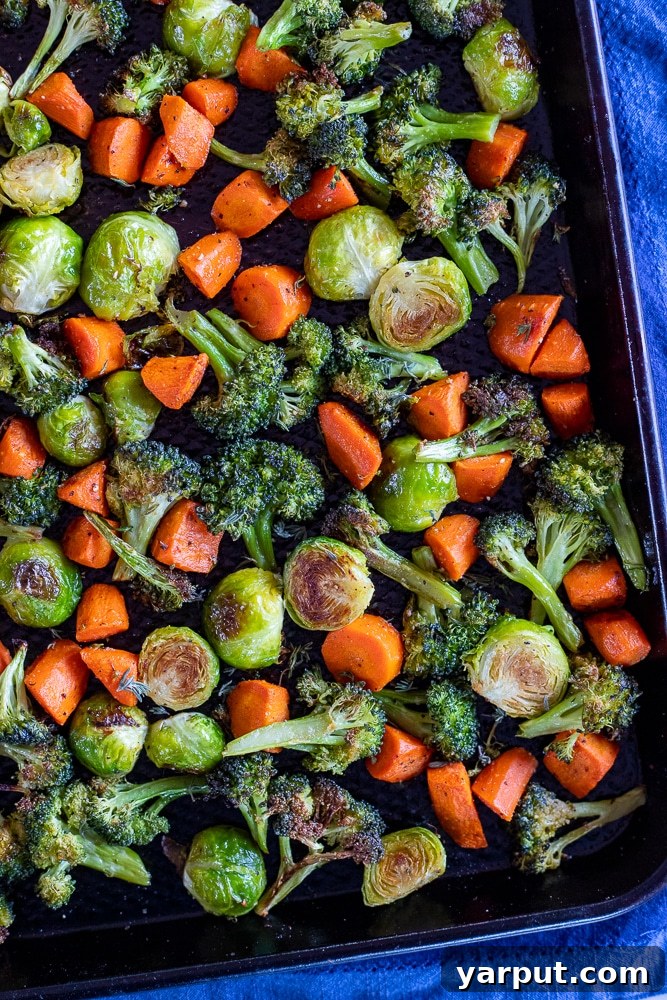
Transform your everyday vegetables into extraordinary culinary delights with this easy-to-follow guide to making delicious roasted vegetables. Perfect for utilizing fresh or leftover produce, these versatile roasted veggies can elevate any meal as a vibrant side dish or be incorporated into rice, pasta, and grain bowls.
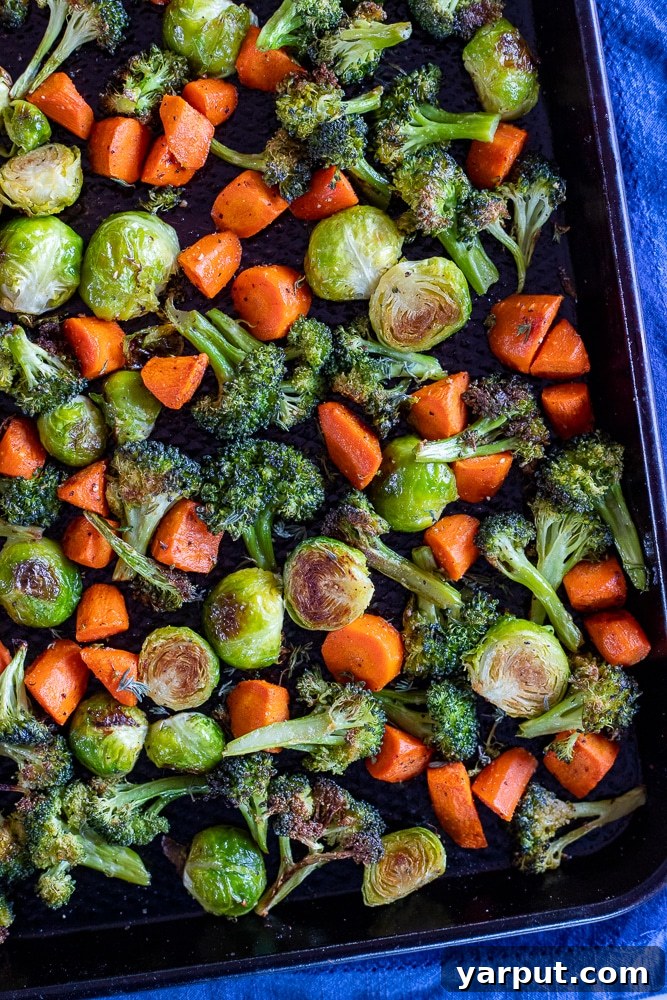
Easy Roasted Vegetables: Your Go-To Recipe for Flavorful & Healthy Meals
Do you ever find your refrigerator overflowing with an assortment of vegetables that you bought with the best intentions, only for them to sit there, slowly losing their crispness? You’re not alone! Today, we’re diving into a culinary savior: Easy Roasted Vegetables. This method isn’t just about preventing food waste; it’s about unlocking incredible flavors and textures that transform simple produce into a star dish. Instead of letting those beautiful veggies go to waste, let’s roast them into something truly delicious!
Roasted vegetables boast a remarkable depth of flavor and a delightful caramelized sweetness that raw or steamed vegetables simply can’t match. They make an excellent standalone side dish, but their versatility shines when mixed into a variety of meals. Imagine them tossed with your favorite pasta, stirred into a hearty rice pilaf, or piled high in a vibrant Buddha bowl. The best part? This recipe is incredibly adaptable, allowing you to use almost any combination of vegetables you have on hand, making it a truly flexible and satisfying meal solution.
Why Your Body Will Love Every Bite of Roasted Veggies
Beyond their amazing taste, roasted vegetables offer a multitude of health benefits. Roasting is a fantastic cooking method that helps retain and even enhance the natural goodness of your produce. When vegetables are cooked at high temperatures, certain beneficial compounds become more accessible to your body. For instance, roasting can improve the bioavailability of vital nutrients like lycopene in tomatoes and beta-carotene in carrots, making it easier for your body to absorb these powerful antioxidants.
Moreover, the healthy fats often used in roasting, such as olive oil, play a crucial role in nutrient absorption. Fat-soluble vitamins – K, E, and A – require fat to be properly absorbed by your digestive system. So, drizzling your veggies with a good quality oil not only makes them incredibly delicious but also helps your body get the most out of every bite. When selecting an oil, opt for one with a high smoke point that can withstand high heat without breaking down, preserving its natural benefits and ensuring your meal remains healthy and flavorful. Roasted vegetables are also naturally rich in fiber, which aids digestion, promotes satiety, and contributes to overall gut health. They pack a punch of essential vitamins and minerals, supporting your immune system, bone health, and energy levels.
Essential Ingredients for Your Easy Roasted Vegetable Recipe
One of the beauties of this roasted vegetable recipe is its flexibility. While we provide a base, feel free to experiment with what you have! The core ingredients are simple, yet crucial for achieving that irresistible flavor and texture.
- Assorted Vegetables – This is where you can truly get creative and tackle that overflowing produce drawer! Almost any vegetable can be roasted. This recipe is ideal for using up older or surplus veggies. In our example, we’ve used broccoli, carrots, and Brussels sprouts – a classic and delicious combination. Other excellent choices include bell peppers, zucchini, sweet potatoes, onions, asparagus, cauliflower, green beans, or even cherry tomatoes. The key is to choose vegetables that cook similarly or cut them to ensure even roasting.
- Olive Oil – Olive oil is our preferred fat for roasting due to its delicious flavor profile and ability to help vegetables caramelize beautifully, developing that desirable savory-sweet roasted taste. The fat also helps achieve crispy edges. If you prefer, avocado oil, grapeseed oil, or even coconut oil (for a slightly different flavor) are excellent alternatives with high smoke points suitable for roasting.
- Salt & Pepper – These humble seasonings are absolutely vital! With a minimalist ingredient list, well-seasoned vegetables are the secret to a great roast. Don’t be shy; a generous hand with salt and freshly ground black pepper will enhance the natural flavors of the vegetables and create a truly satisfying taste experience.
- Additional Seasonings & Herbs – To elevate your roasted vegetables beyond the basics, consider adding extra seasonings. Granulated garlic is a personal favorite for its aromatic depth. Other fantastic options include onion powder, smoked paprika (for a hint of smokiness and color), cumin, chili powder, Italian seasoning, or a touch of dried oregano. Fresh herbs, while optional, add a burst of freshness and complexity. Fresh thyme leaves or rosemary sprigs are excellent choices that complement most vegetables beautifully. You can use either fresh or dried herbs; just remember that dried herbs are typically more potent, so use them sparingly.
Step-by-Step Guide: How to Make Irresistible Roasted Vegetables
Making delicious roasted vegetables is surprisingly simple, requiring just a few straightforward steps. Follow these instructions to achieve perfectly tender, caramelized, and flavorful veggies every time:
- Preheat Your Oven and Sheet Pan: Begin by preheating your oven to a robust 425°F (220°C). High heat is crucial for achieving that coveted caramelization and crisp texture. For an extra boost of crispiness, place your empty sheet pan in the oven while it preheats. This allows the vegetables to start cooking and browning immediately upon contact with the hot surface, creating superior results.
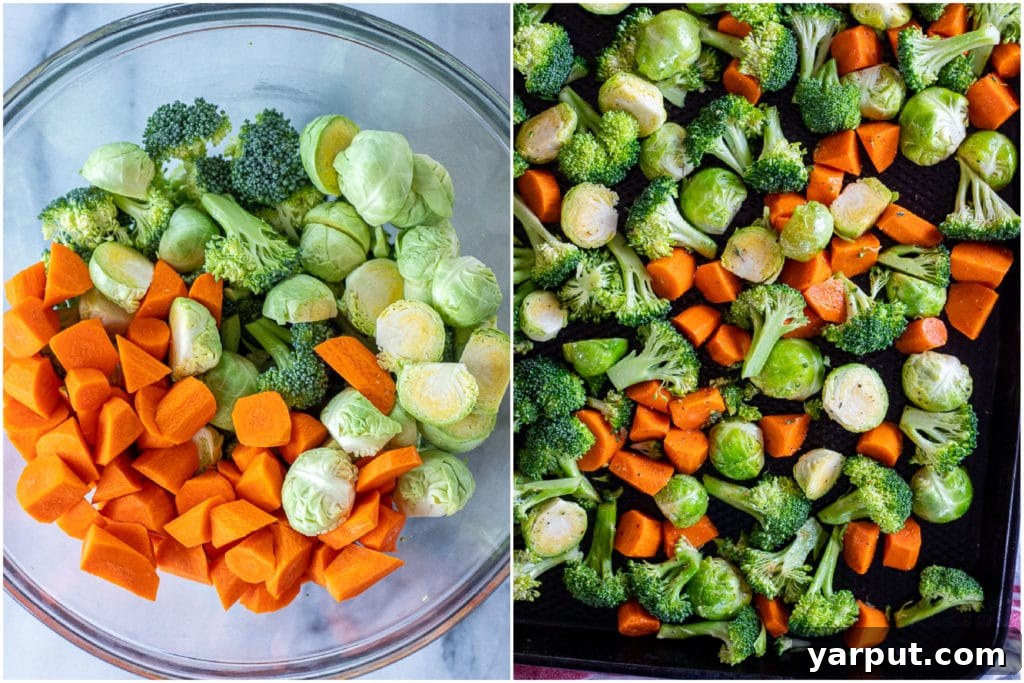
- Wash and Prepare Your Vegetables: Thoroughly wash all your chosen vegetables. Pat them dry completely, as excess moisture can lead to steaming instead of roasting, preventing that desirable caramelization. Next, dice or chop your vegetables into similar-sized pieces. Uniformity is key here; if pieces are too varied in size, some will burn while others remain undercooked. For example, cut broccoli into bite-sized florets, slice Brussels sprouts in half, and chop carrots into uniform chunks. Harder vegetables like carrots and potatoes might need smaller pieces than softer ones like zucchini.
- Season Your Vegetables Generously: Transfer all your chopped and dried vegetables to a large mixing bowl. Drizzle generously with olive oil, then sprinkle with salt, freshly ground black pepper, granulated garlic, and any other desired seasonings or fresh herbs. Using your hands, toss everything thoroughly until every piece of vegetable is evenly coated with the oil and spices. This ensures consistent flavor and browning across the entire batch.
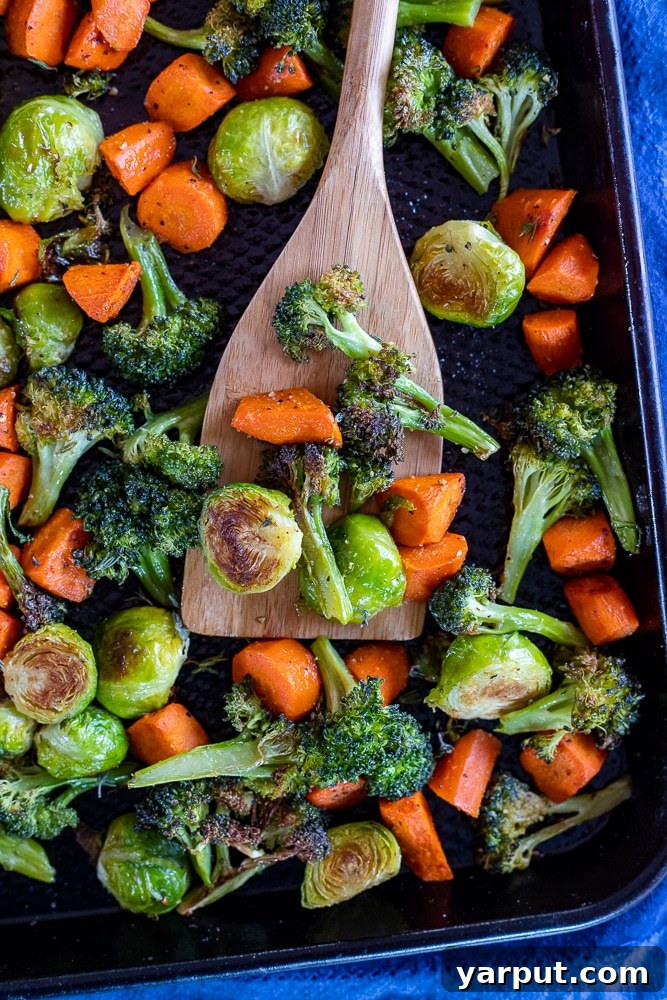
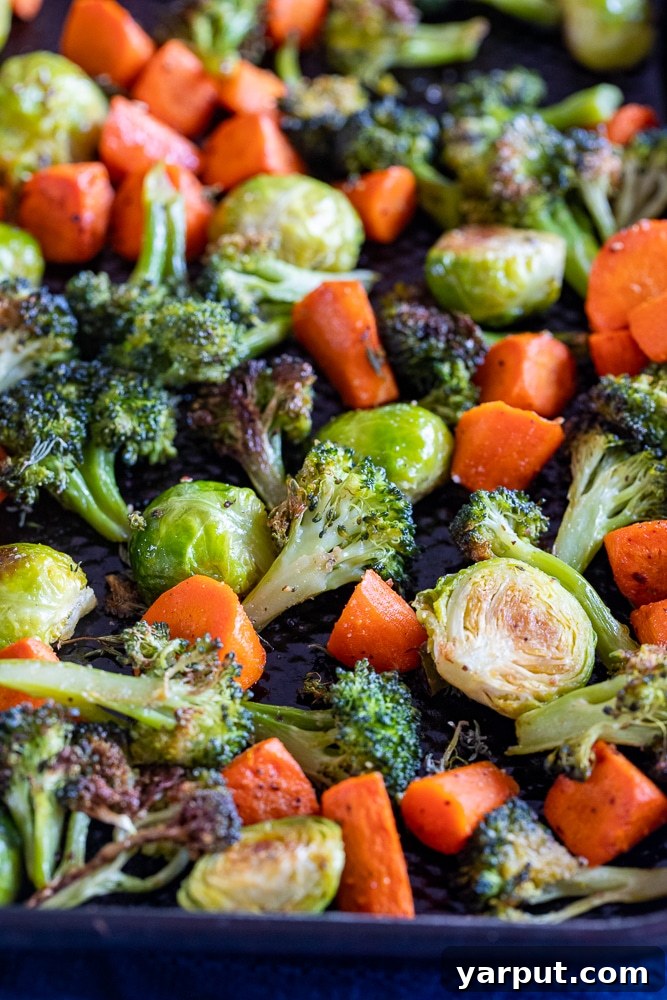
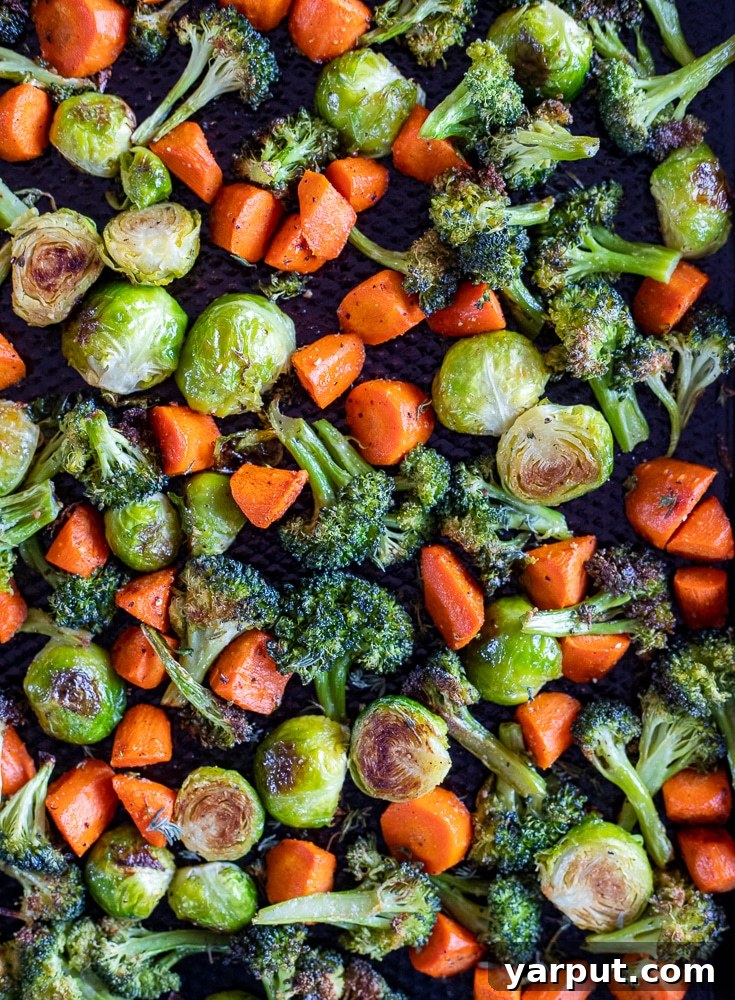
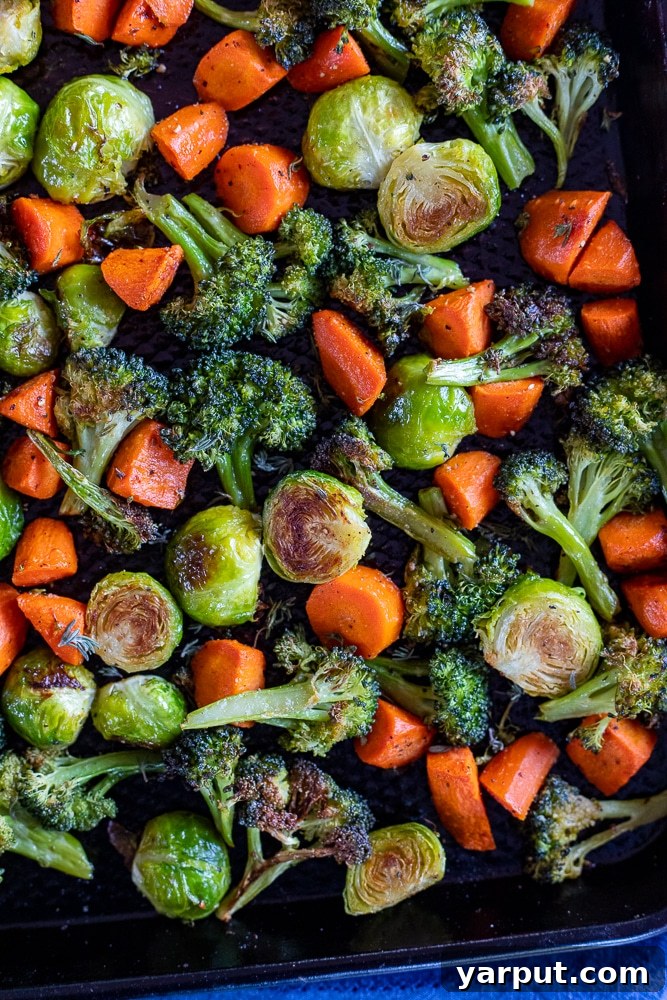
- Roast to Perfection: Carefully remove the hot sheet pan from the oven (use oven mitts!). Pour the seasoned vegetables onto the hot pan. Give the pan a gentle shake to spread the vegetables out in a single layer, ensuring they are not overcrowded. Overcrowding will cause them to steam rather than roast. Place the sheet pan back into the preheated oven. Roast for approximately 30 minutes, or until the vegetables are beautifully browned, tender, and caramelized, flipping them once halfway through the cooking time to ensure even browning on all sides. The exact time may vary based on your oven and vegetable type.
Expert Tips for Making the Perfect Roasted Vegetable Recipe
While roasting vegetables is inherently simple, a few expert tips can elevate your results from good to absolutely perfect:
- Preheat Your Sheet Pan: This tip is a game-changer for achieving maximum crispiness and caramelization. Placing your empty sheet pan in the oven as it preheats ensures that when your seasoned vegetables hit the hot surface, they immediately start to sizzle and brown. This initial burst of heat helps create those desirable crispy edges and prevents the vegetables from sticking.
- Ensure Uniform Vegetable Sizes and Cooking Times: To guarantee that all your vegetables cook through simultaneously and evenly, cut them into similar sizes. If you’re using a mix of vegetables with significantly different cooking times (e.g., quick-cooking asparagus alongside slow-cooking sweet potatoes), consider roasting them separately or adding the faster-cooking vegetables to the pan about 10-15 minutes after the slower-cooking ones have had a head start. Alternatively, cut harder vegetables into smaller pieces.
- Avoid Overcrowding the Pan: This is arguably the most crucial tip for perfect roasting. When vegetables are piled high or crammed together on the sheet pan, they release moisture, creating steam rather than allowing dry heat to caramelize them. This leads to soggy, limp vegetables instead of crispy, flavorful ones. If you have a large batch, use two sheet pans or roast in batches to ensure plenty of space for air circulation around each piece.
- Don’t Skimp on Oil and Seasonings: Since this recipe relies on a few key ingredients, the quality and quantity of your oil and seasonings are paramount. A sufficient amount of oil (like olive oil) not only facilitates browning and crisping but also enhances flavor and aids in nutrient absorption. Be generous with salt and pepper, as they bring out the natural sweetness and savory notes of the vegetables. Don’t be afraid to experiment with other herbs and spices to add exciting flavor dimensions.
- Dry Your Vegetables Thoroughly: Any lingering moisture on your vegetables will turn into steam in the hot oven, hindering caramelization. After washing, ensure your vegetables are completely dry. You can pat them dry with a clean kitchen towel or paper towels, or even use a salad spinner for leafy greens.
- Use Parchment Paper or a Silicone Mat: Line your baking sheet with parchment paper or a silicone baking mat. This not only makes cleanup a breeze but also helps prevent sticking and promotes better browning by providing a non-stick surface.
- Know Your Oven: Ovens can vary widely in temperature accuracy. Consider using an oven thermometer to ensure your oven is truly at 425°F. A properly calibrated oven is essential for consistent roasting results.
Roasted Veggie Frequently Asked Questions
Here are answers to some common questions about making easy roasted vegetables:
- Can I use different vegetables than listed? Absolutely! This recipe is incredibly flexible. The most important thing is to consider the cooking times. Harder root vegetables like potatoes, sweet potatoes, and carrots take longer to cook than softer vegetables like bell peppers, zucchini, or mushrooms. If you’re mixing, cut harder vegetables into smaller pieces or add them to the pan 10-15 minutes before the quicker-cooking ones.
- Can I just use one type of vegetable? Yes, certainly! If you have a bounty of just one vegetable, this recipe works perfectly for single-vegetable roasts. Just ensure the pieces are cut uniformly for even cooking.
- Can I roast frozen vegetables? You can, but the results might be slightly different. Frozen vegetables contain more moisture, which can lead to a less crispy, more steamed texture. For best results, spread frozen vegetables in a single layer on a preheated sheet pan and roast at a slightly higher temperature (e.g., 450°F) for a bit longer, stirring occasionally, to help evaporate moisture and achieve some browning. Do not thaw them first.
- Can you freeze cooked roasted vegetables? Yes, you can freeze them, but they are undeniably best enjoyed fresh, straight out of the oven, or within a few days. To freeze cooked roasted vegetables, allow them to cool completely. Spread them in a single layer on a baking sheet and freeze until solid (this prevents them from sticking together). Then transfer them to an airtight freezer-safe container or bag for up to three months. Reheat in the oven from frozen until warmed through and slightly re-crisped.
- Can I make this recipe ahead of time? You have a couple of options for making ahead. You can wash, dice, and toss all the vegetables with the oil and seasonings up to two days in advance. Store them in an airtight container in the refrigerator, then roast just before serving. Alternatively, you can completely roast everything and store the cooked vegetables in an airtight container in the refrigerator for about three days. Reheat them in a preheated oven (around 375°F/190°C) until warm and slightly re-crisped, about 10-15 minutes.
- How should I enjoy these roasted vegetables? The possibilities are endless! They are a fantastic side dish for almost any meal, from roasted chicken to grilled fish or a simple grain. Mix them into your favorite pasta dishes, add them to rice bowls or grain bowls for extra texture and nutrition, pile them onto flatbreads or pizzas, or even use them in wraps and sandwiches. They’re also delicious as a warm addition to salads or served alongside scrambled eggs for a hearty breakfast.
- What is the best temperature for roasting vegetables? For most vegetables, a high temperature between 400°F (200°C) and 425°F (220°C) is ideal. This high heat encourages caramelization and helps create crispy edges. Lower temperatures might lead to softer, steamed results rather than beautifully browned and tender.
Have a question that wasn’t answered? Feel free to ask in the comment section below, and I’ll get back to you as soon as possible!
Looking For More Easy Side Dish Recipes?
If you loved these roasted vegetables, you might enjoy these other simple and delicious side dishes:
- The Best Roasted Zucchini
- Roasted Blackened Potatoes
- Vegetarian Stovetop Baked Beans
- Easy Chickpea Salad
- Easiest Garlic Cheese Bread
How To Make Easy Roasted Vegetables
Rating: 5 out of 5 stars from 2 reviews
- Author: She Likes Food
- Total Time: 45 minutes
- Yield: 4-6 servings
- Diet: Vegan
Description
These Easy Roasted Vegetables are a great way to use up all those extra veggies in your refrigerator! They’re perfect for a side dish or a mix in for pasta, rice, and Buddha bowls.
Ingredients
- 8 cups diced vegetables (use whatever kind you like)
- 3 tablespoons olive oil
- 1 1/2 teaspoons salt
- 1 teaspoon granulated garlic
- 1/2 teaspoon fresh ground black pepper
- 1-2 teaspoons fresh herbs (like thyme or rosemary, optional)
Instructions
- Preheat oven to 425°F (220°C). Place a large sheet pan in the oven while it is preheating.
- Make sure your vegetables are washed thoroughly and diced into similar-sized, bite-sized pieces. Pat them dry.
- Add vegetables to a large bowl and then add in the olive oil and remaining ingredients. Mix with your hands to make sure everything is evenly coated. Carefully remove the hot pan from the oven and pour vegetables on. Shake the pan to make sure they are evenly spread out and that they’re not on top of each other.
- Roast vegetables until golden brown and caramelized, about 30 minutes, flipping once halfway through. Enjoy while warm straight out of the oven or refrigerate for up to 3 days.
- Prep Time: 15 mins
- Cook Time: 30 mins
- Category: Side, Vegan
- Method: Oven
- Cuisine: American