
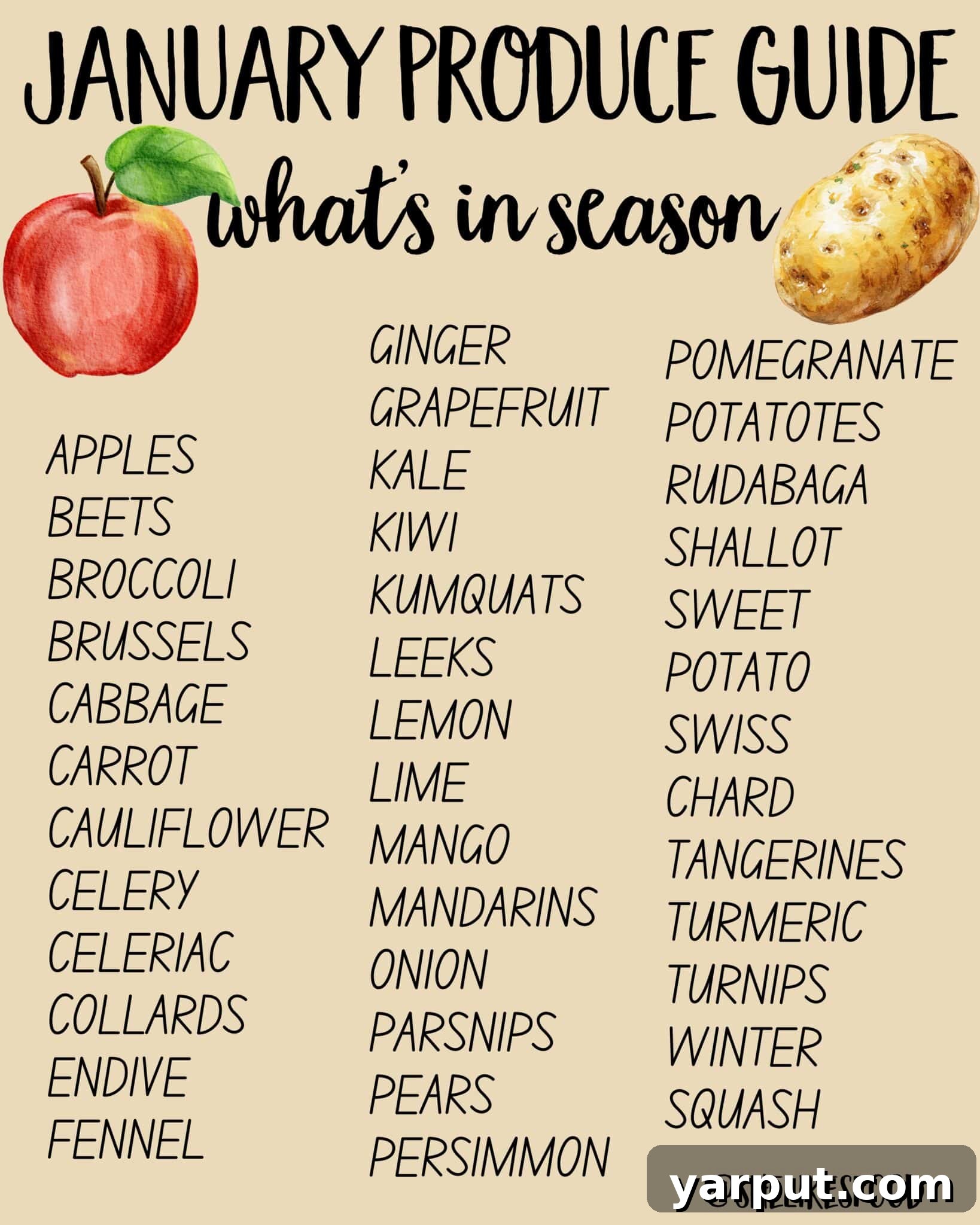
The chill of January ushers in a season of comforting warmth and a natural craving for nourishing foods. While modern grocery stores offer global selections year-round, there’s a unique satisfaction and profound nutritional advantage to embracing seasonal eating. Our ancestors thrived on what nature provided, and our bodies are still intrinsically tuned to these cycles. This guide is designed to help you reconnect with the rhythm of the seasons, showcasing the vibrant and hearty fruits and vegetables that flourish even in the colder months. Get ready to explore my comprehensive January Produce Guide, your ultimate resource for winter wellness!
Welcome to this inaugural Seasonal Produce Guide, a project I’ve envisioned for quite some time! It’s truly exciting to finally launch this series with the abundant offerings of January. While my initial plan was to have this guide ready last week, life presented an unexpected challenge. Our beloved cat, Cheeto, experienced a major health scare that understandably consumed my attention. Thankfully, he’s showing signs of improvement, but we’re still navigating his long-term recovery. Your thoughts and good wishes during this time are deeply appreciated <3
Winter produce often unfairly receives a reputation for being less exciting or vibrant compared to the bounty of summer. However, I believe you’ll be pleasantly surprised by the diversity and vitality that can thrive even in these cooler temperatures. While the convenience of modern grocery stores means we’re no longer strictly limited to what’s in season, choosing seasonal foods like robust winter squash and zesty citrus aligns perfectly with what your body naturally seeks during this time of year. These foods are not only at their peak flavor and nutritional value but often more economically friendly too.
Below, I’ve curated a selection of my favorite January produce items. For each, you’ll discover insights into their unique characteristics, remarkable health benefits, and versatile culinary applications. Each section also includes links to inspiring recipes, designed to help you effortlessly integrate these seasonal gems into your kitchen and enjoy the deliciousness of winter eating.
January’s Bounty: Your Essential Seasonal Produce Guide
Apples: The Crispy Winter Delight
Often synonymous with autumn harvests, apples surprise many by offering several late-season varieties that continue to thrive and are perfectly in season well into January. These crisp, juicy fruits belong to the elegant Rosaceae, or rose, family, sharing kinship with beloved stone fruits like peaches and cherries, as well as strawberries and almonds. While many apple varieties are harvested earlier, specific late-season types, such as the famously crisp Honeycrisp, the aromatic Braeburn, and the tender Cortland, are at their prime during the colder months. Their balanced sweetness and satisfying crunch make them an incredibly versatile ingredient, equally at home in both sweet and savory culinary creations. Imagine them diced into baked oatmeal, adding a refreshing note and textural contrast to salads, or lending moisture and depth to hearty stuffings. When served raw, their vibrant crispness truly shines, offering a delightful and refreshing bite.
The timeless adage, “An apple a day keeps the doctor away,” holds a remarkable amount of truth, underscoring the profound health benefits packed within this humble fruit. Apples are an exceptional source of Vitamin C, a powerful antioxidant and crucial immune booster, and dietary fiber, essential for digestive regularity and overall gut health. Furthermore, they are rich in diverse antioxidants and flavonoids, plant compounds celebrated for their anti-inflammatory properties. These potent phytonutrients can play a significant role in lowering “bad” (LDL) cholesterol levels, supporting healthy weight management due to their fiber content and satiety, and remarkably, even boosting brain health. Specific flavonoids found in apples are known to help reduce inflammation inside the brain, which in turn could potentially lower the risk of neurodegenerative conditions like Alzheimer’s disease. Incorporating apples into your daily diet is a simple, delicious, yet highly effective way to nourish your body and mind throughout the winter.

Caramelized Apple and Peanut Butter Baked Oatmeal Cups
Refreshing Kale Salad with Apples
Fennel and Apple Slaw
Easy Apple Crisp Breakfast Bowls
Easy Apple Pie Bites
Beets: The Earthy Jewel of Winter
Beets, iconic root vegetables, are prominent members of the Chenopodioideae family, which also includes other nutrient powerhouses like spinach, Swiss chard, and sugar beets. Best known for their striking deep red hue, beets also come in other beautiful varieties, including golden yellow and even candy-striped chioggia beets, each offering subtle differences in flavor and appearance. What many don’t realize is that both the vibrant beet root and its leafy greens are entirely edible and offer distinct culinary experiences. The root can be enjoyed raw, perhaps grated into a fresh salad for a pop of color and earthy sweetness, or sliced and roasted until tender-crisp to achieve a surprisingly meaty texture. Beyond roasting, beets are wonderfully versatile: they can be pickled for a tangy addition to meals, gently steamed for a softer bite, or even fried for a unique twist. Their distinct earthy flavor, subtly sweet, makes them a captivating ingredient in a wide array of dishes, from hearty winter stews to refreshing salads.
Beyond their unique taste, beets are a nutritional powerhouse, offering a remarkable array of health benefits that make them an excellent choice for seasonal eating. They are particularly renowned for their ability to help lower blood pressure, support liver detoxification processes, improve digestive health through their rich fiber content, and significantly reduce inflammation throughout the body. Beets are brimming with essential nutrients, including potent antioxidants, Vitamin C, choline, and Vitamin K, among many others. As root vegetables, they are also metaphorically considered “grounding” foods, fostering a sense of stability and connection that can be particularly comforting during the colder months. Furthermore, beets are rich in phytonutrients, specific plant compounds known for their disease-preventing capabilities and their crucial role in maintaining optimal bodily health. Incorporating beets into your winter diet is a delicious and colorful way to boost your overall well-being and enjoy nature’s seasonal gifts.
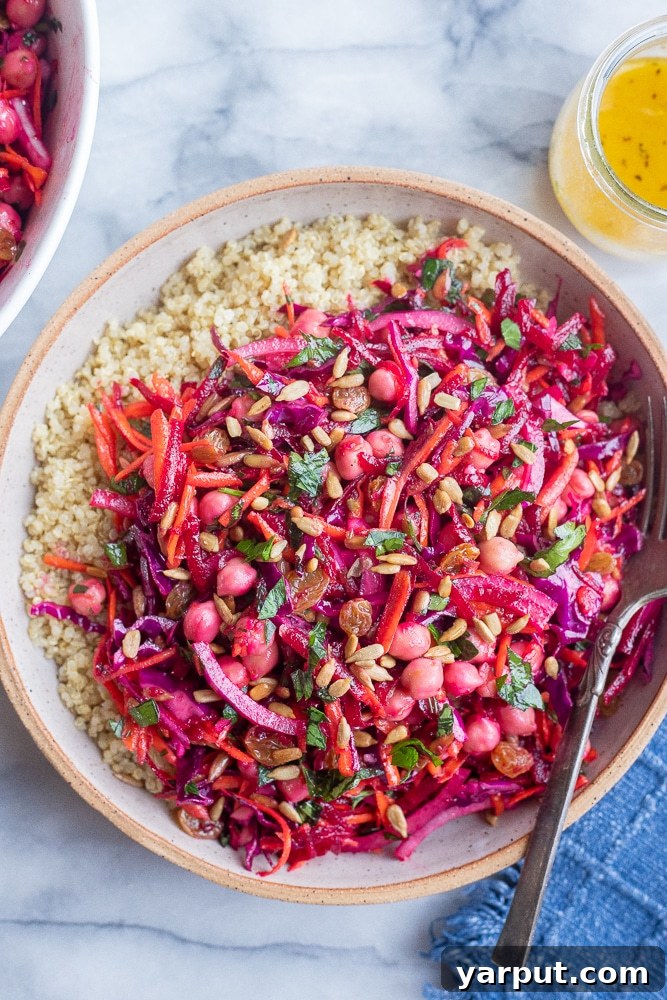
Beet and Carrot Salad with Chickpeas
Goat Cheese Beet and Balsamic Puff Pastry Bites
Beet and Cherry Smoothie
Vegan Beet Burgers with Brown Rice
Roasted Beet Chickpea and Black Rice Bowls
Healthier Chocolate Cupcakes with Raspberry and Beets
Broccoli: The Crown Jewel of Crucifers
Broccoli stands proudly as a key member of the cruciferous vegetable family, sharing its lineage with other healthful greens like cabbage, Brussels sprouts, and kale. While several varieties exist globally, Calabrese broccoli is the most commonly cultivated and consumed in the United States, recognizable by its sturdy green stalks and dense, dark green florets. This highly versatile vegetable can be enjoyed in a myriad of ways, making it a kitchen favorite: raw, perfectly roasted until slightly charred, delicately steamed to retain its nutrients, or quickly stir-fried for a vibrant side dish. For a refreshing crunch, I often chop raw broccoli into bite-sized pieces to add texture and a boost of nutrients to salads. Keeping steamed or frozen broccoli on hand is also a fantastic shortcut for quickly boosting the nutrient content of pasta dishes, stir-fries, or even pureed soups. Its mild, slightly earthy flavor makes it a wonderful and adaptable addition to almost any meal, especially hearty winter preparations.
Indeed, broccoli is nothing short of a nutritional powerhouse, offering a wealth of health benefits that make it an indispensable part of a balanced winter diet. It is densely packed with powerful antioxidants, such as glucoraphanin, which are crucial for combating oxidative stress and significantly reducing unwanted inflammation throughout the body. Broccoli is also an excellent source of both soluble and insoluble dietary fiber, vital for maintaining healthy digestion, promoting gut function, and supporting steady blood sugar levels. Furthermore, it boasts an impressive amount of Vitamin C; a single cup of raw broccoli provides roughly as much Vitamin C as an orange, making it a fantastic ally for a robust immune system during cold and flu season. Regular consumption of broccoli can thus contribute significantly to your overall vitality, disease prevention, and provide essential nutrients to thrive in the winter months.

Chili Garlic Broccoli with Chickpeas
Tahini Roasted Broccoli
Crunchy Broccoli Salad with Maple Mustard Dressing
Veggie Packed Broccoli Cheddar Soup
Crunchy Baked Broccoli with Spicy Soy Sauce
Cheesy Broccoli Rice Casserole Bites
Brussels Sprouts: From Misunderstood to Culinary Star
Brussels sprouts, these charming miniature cabbages, belong to the Brassicaceae (crucifers) family, sharing botanical kinship with broccoli, cauliflower, kohlrabi, and kale. Growing dramatically on a tall stalk, these sprouts have historically suffered from an unfair bad reputation, often associated with unpleasant aromas stemming from over-steaming. However, when prepared correctly, Brussels sprouts can be incredibly delicious and sophisticated, transforming into a culinary star. Their versatility allows them to be enjoyed both raw and cooked. I particularly enjoy thinly grating raw sprouts to add a delicate crunch and peppery flavor to fresh salads and slaws, offering an unexpected twist. They truly shine when roasted until caramelized and tender-crisp, developing a rich, nutty flavor, or quickly sautéed with complementary flavors like bacon or balsamic glaze. While steaming remains an option, careful attention to cooking time to avoid over-softening and generous seasoning with at least salt and pepper can transform them into a delightful side dish, far from their former notorious image. Embracing proper preparation unveils their true potential as a winter delicacy.
As members of the highly beneficial cruciferous family, Brussels sprouts are veritable nutritional powerhouses, brimming with health-promoting compounds. They are an excellent source of dietary fiber, essential for digestive regularity, and packed with potent antioxidants that combat cellular damage from free radicals. Their impressive vitamin profile includes high levels of Vitamin C, vital for immune function during the winter months, and Vitamin K, crucial for bone health and proper blood clotting. Furthermore, Brussels sprouts contain carotenoids, which support vision health, and notably, sulforaphane. This unique sulfur-containing compound is extensively studied for its potential in lowering blood pressure, reducing harmful cholesterol levels, and its powerful anti-cancer properties. For individuals who find cruciferous vegetables difficult to digest, starting with smaller, thoroughly cooked portions, rather than raw, can help mitigate any potential stomach upset. This approach allows you to gradually adapt and fully reap their extensive health benefits without discomfort.

Roasted Brussels Sprout Bowls with Honey Mustard Dressing
Lemon Pepper Roasted Brussels Sprouts
Shaved Brussels Sprout Salad
Easy Roasted Vegetable Pasta with Parmesan
BBQ Roasted Brussels Sprouts
Cabbage: The Hardy Winter Staple
Cabbage, another robust cruciferous vegetable from the Brassica family, is a winter garden essential, closely related to cauliflower, broccoli, Brussels sprouts, and kale. While its family members are known for their distinct, sometimes pungent aromas when cooked, cabbage itself offers a milder, yet deeply satisfying flavor profile that varies slightly by type. Commonly found in vibrant green and striking purple varieties, both types are surprisingly interchangeable in many recipes, though purple cabbage adds an extra aesthetic appeal and slightly more antioxidants to dishes. Its crisp texture makes it a delightful ingredient when enjoyed raw, finely shredded into fresh coleslaws, vibrant slaws, or added to tacos for crunch. When cooked, cabbage softens beautifully, lending itself well to sautés, braises, hearty stews, and comforting casseroles, becoming a foundational component in many traditional winter meals across various cultures. Its affordability and long shelf life also make it a practical choice for seasonal cooking.
Far from being just a humble vegetable, cabbage is a nutritional powerhouse, boasting an impressive array of vitamins and minerals crucial for winter wellness. It is richly packed with dietary fiber, essential for maintaining a healthy digestive system and promoting gut health, and a wealth of antioxidants that help protect the body’s cells from oxidative damage. Cabbage is also an excellent source of Vitamin C, bolstering immune function during the cold season, as well as essential minerals like calcium for bone health, folate for cellular repair, and potassium for blood pressure regulation. These nutrients collectively work to lower blood pressure, enhance the body’s immune defenses, and actively fight against chronic diseases, including certain types of cancer, thanks to compounds like sulforaphane. Furthermore, as a low-calorie food that is incredibly filling, cabbage is a valuable ally in maintaining a healthy weight, making it an indispensable component of a nutritious winter diet.
Fried Cabbage and Noodles with Tofu
Noodles with Cabbage and Carrots
Halloween Salad with Rice and Veggies
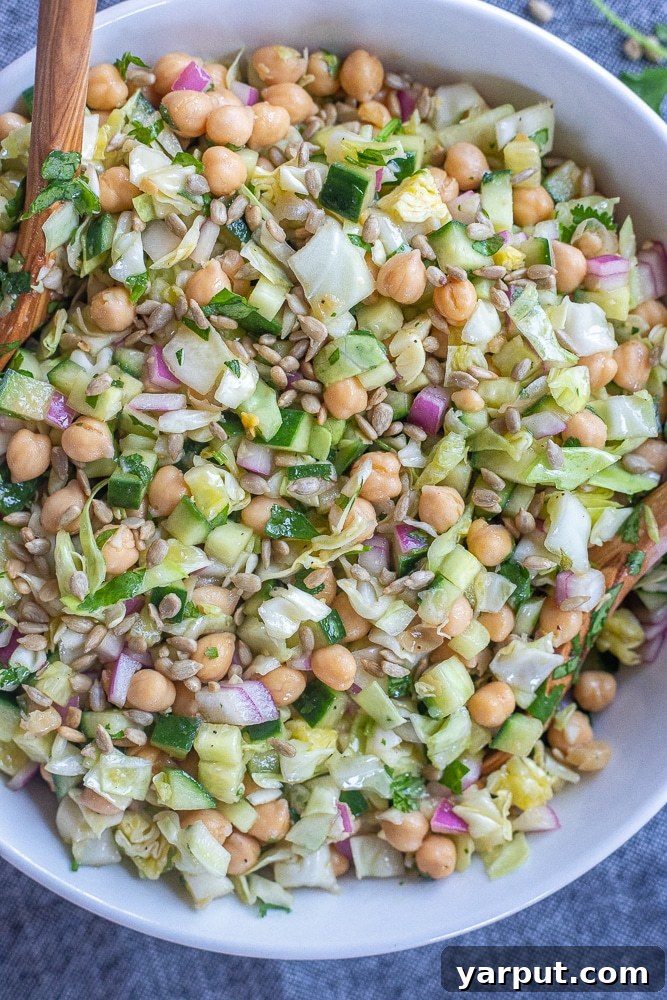
Chickpea Salad with Cucumber and Cabbage
Holiday Salad with Cabbage and Kale
Carrots: The Sweet Root of Winter
Though often associated with spring harvests due to their vibrant, fresh appeal, carrots are incredibly versatile root vegetables that thrive and are readily available throughout winter. They are also surprisingly easy to cultivate, even in cooler climates. While the vibrant orange carrot is the most ubiquitous sight in grocery stores, a delightful spectrum of “rainbow” carrots exists, boasting hues of purple, yellow, and white, each potentially offering a subtly different flavor profile and added phytonutrients. Carrots also vary in size and shape, from short and stout varieties ideal for roasting whole, to long and slender types perfect for juicing or grating. It’s a common misconception that “baby carrots” are a distinct variety; in reality, they are regular-sized carrots that have been cut, peeled, and polished into smaller, convenient portions. Carrots excel as a raw snack, whether dipped in ranch or hummus, or shredded into salads and wraps for added crunch and natural sweetness. Beyond raw consumption, they are excellent when roasted to intensify their sweetness, sautéed as a quick side, simmered into hearty soups and stews, or even baked into beloved treats like moist carrot cake and muffins, proving their incredible adaptability in both sweet and savory culinary realms. Their crisp texture and mild flavor make them a family favorite.
The age-old wisdom that carrots are beneficial for your eyes is unequivocally true, thanks to their exceptionally high content of beta-carotene. This potent compound is a precursor to Vitamin A, an essential nutrient fundamental for maintaining healthy vision, especially in low light conditions, and also plays a role in skin health and immune function. Beyond ocular health, carrots are a formidable source of both soluble and insoluble dietary fiber. This fiber aids in healthy digestion, promotes satiety, helps stabilize blood sugar levels, and plays a crucial role in reducing the risk of heart disease. Specifically, the soluble fiber in carrots binds to cholesterol particles in the digestive tract, facilitating their removal from the body and contributing to lower cholesterol levels. Rich in a variety of antioxidants, carrots also help protect the body’s cells from oxidative damage and reduce inflammation. Embracing carrots this winter means nourishing your body with vital nutrients that support everything from eye health to a strong cardiovascular and digestive system, making them a truly well-rounded seasonal choice.

Carrot and Chickpea Salad with Orange Maple Dressing
Roasted Carrot and Dill Hummus
Noodles with Cabbage and Carrots
Carrot Cake Muffins
Curried Sweet Potato Carrot and Red Lentil Soup
Cauliflower: The Adaptable White Canvas
Cauliflower, an indispensable member of the cruciferous family, stands alongside its botanical cousins broccoli, kohlrabi, kale, and Brussels sprouts. While the crisp white florets are the most common sight, cauliflower also presents itself in stunning purple, vibrant yellow, and even green varieties, often referred to as Romanesco, which boasts an intricate, fractal-like pattern. Though their colors differ and their tastes might vary subtly, these diverse cauliflowers are generally interchangeable in recipes, offering both flexibility in your culinary explorations and a feast for the eyes. The true beauty of cauliflower lies in its incredible adaptability to various cooking methods and its ability to absorb flavors. It can be roasted to nutty perfection, delicately steamed to retain its subtle flavor, charred for smoky depth, pureed into creamy soups and sauces, or even processed into a grain-free “rice” substitute. My personal favorite preparation, as often featured in my recipes, involves coating florets in a crispy batter, baking them until golden, and then tossing them in a flavorful sauce—a truly transformative experience for this humble yet mighty vegetable.
Mirroring the robust health benefits of its cruciferous relatives, cauliflower is a nutritional powerhouse, making it an excellent choice for winter eating. It provides an excellent source of dietary fiber, crucial for digestive wellness and promoting satiety, and is packed with a potent array of antioxidants that protect cells from damage caused by free radicals. Rich in Vitamin C, it plays a vital role in supporting a strong immune system, which is especially important during colder months, while Vitamin K is essential for blood clotting and bone health. Cauliflower also contains beneficial carotenoids and, significantly, sulforaphane—a sulfur-containing compound rigorously studied for its potential to lower blood pressure and cholesterol. This compound is also recognized for its powerful anti-cancer properties. For those who experience digestive sensitivity to cruciferous vegetables, it’s often recommended to consume cauliflower cooked rather than raw and to introduce it in smaller portions. This approach allows your digestive system to gradually adapt and for you to fully enjoy the extensive health advantages cauliflower offers without discomfort.

Crispy Teriyaki Cauliflower
Golden Roasted Cauliflower with Coconut Curry Tahini Dressing
Cauliflower Parmesan
Buffalo Cauliflower Tacos with Ranch Slaw
Vegetarian Cauliflower Fried Rice
Kale: The Winter Superfood Green
Kale, a celebrated member of the Cruciferae family, is a hearty, nutrient-dense green that truly thrives in colder temperatures, making it a perfect January staple. It comes in a few distinct varieties, each offering a slightly different visual appeal and mouthfeel: the frilly curly kale, the deeply textured Lacinato (also known as dinosaur or Tuscan kale), and striking purple kale. More recently, baby kale has gained immense popularity, offering a milder flavor and softer texture reminiscent of baby spinach or lettuce, yet still retaining kale’s characteristic robustness and nutritional punch. Kale is remarkably versatile, equally delicious whether consumed raw or cooked. For raw preparations, I often recommend “massaging” kale leaves with a bit of olive oil and salt to tenderize them and reduce bitterness, creating a refreshing yet substantial base for salads. Its resilience means it holds up wonderfully in hot dishes, quickly wilting into comforting soups, vibrant stir-fries, and hearty pasta dishes, adding a powerful nutrient boost to any meal. Its ability to withstand cold also means it’s often available locally even in deep winter.
Kale’s reputation as a “superfood” is unequivocally well-deserved, owing to its exceptional concentration of vitamins, minerals, and potent phytonutrients. As a dark leafy green, it is a cornerstone of a healthy diet, particularly valuable during the winter months when fresh greens can be less abundant. Kale surpasses many other greens in its nutritional density; for instance, it contains four times more Vitamin C than spinach and double the amount of selenium, a crucial mineral for thyroid function and antioxidant defense. Furthermore, kale is an excellent source of Vitamin K, essential for blood clotting and strong bone health, and is rich in powerful antioxidants like beta-carotene and lutein, which support vision and protect against cellular damage. Being low in calories and exceptionally high in fiber, kale also supports healthy weight management and promotes digestive regularity. Incorporating kale into your winter meals is a strategic and delicious way to significantly enhance your nutritional intake and boost your overall vitality.

The Best Kale Chips
Chopped Kale Power Salad with Lemon Tahini Dressing
Kale and White Bean Pasta with Parmesan
Garlicky Kale with White Beans and Lemon
Sunshine Kale Salad
Lemons: The Zesty Winter Brightener
Lemons, those vibrant and aromatic citrus fruits, are a delightful highlight of winter’s bounty, reaching their peak season precisely when we often crave a burst of freshness and immune support. As a core member of the citrus family, lemons are an indispensable kitchen staple for me, lending their distinctive tangy brightness and unique aroma to an astonishing array of dishes—from invigorating salads and comforting soups to savory pastas and refreshing beverages. Beyond culinary applications, starting the day with a squeeze of fresh lemon in water is a simple yet effective ritual for jumpstarting digestion and boosting hydration. Their sharp, acidic profile is perfect for cutting through richness, balancing complex flavors, and elevating the overall taste of a meal without adding excessive calories. While lemons can take center stage in desserts, providing a refreshing tartness, they are equally invaluable as a subtle seasoning, brightening and enhancing other ingredients without overpowering them. Having lemons on hand ensures you’re always ready to add a splash of sunshine to any culinary creation, making them a true winter essential.
Beyond their culinary appeal, lemons are packed with an impressive array of health benefits that make them much more than just a flavor enhancer. They are an exceptional source of Vitamin C, a powerful antioxidant and a cornerstone for a robust immune system, crucial for warding off winter ailments and accelerating wound healing. Regular consumption of lemons has been linked to supporting heart health by improving blood flow, reducing harmful cholesterol levels, and strengthening blood vessel walls. They also play a significant role in aiding digestion, promoting the production of digestive juices, and are known to contribute to lowering blood pressure. Furthermore, the citric acid naturally found in lemons is a potent inhibitor of kidney stone formation, making them a preventative ally. The flavonoids in lemons also offer anti-inflammatory properties. Incorporating lemons into your diet is a simple, delicious, and highly effective way to boost your overall health and vitality during the colder months, providing both zest and essential nutrients.

Homemade Blueberry Lemonade
Lemony White Bean Soup with Quinoa
Herby Lemon Jalapeno Pasta with Crispy Chickpea
Lemon Raspberry Baked Oatmeal
Lemon Dill Orzo Broccoli Salad
Lemon Tahini Chickpea Salad
Potatoes: The Humble and Hearty Staple
Potatoes, an undeniable staple in countless cuisines worldwide, boast an impressive diversity that goes far beyond the common russet. From the creamy, buttery texture of Yukon Gold to the striking, antioxidant-rich purple potato, and the petite, often waxy fingerling varieties, each type offers a unique texture and subtle flavor, inviting culinary exploration. While I find myself reaching for russets most frequently in my kitchen due to their exceptional versatility for baking and frying, the beauty of potatoes lies in their affordability, widespread availability, and satisfyingly filling nature. They serve as an excellent, comforting foundation for hearty winter meals, providing sustained energy and satiety during the colder months.
The culinary possibilities for potatoes are virtually endless, making them one of the most beloved and adaptable vegetables. They can be roasted to crispy perfection, fried into beloved French fries or golden chips, baked whole with an array of savory or sweet toppings, or mashed into a creamy, comforting side dish. Indeed, thanks in large part to the global popularity of French fries, potatoes are arguably one of the most commonly consumed vegetables in the United States. For a cozy evening, a bowl of fluffy mashed potatoes hits just the right spot, while browning them in a skillet transforms them into the perfect breakfast side. Beyond their delicious taste and versatility, potatoes offer valuable nutrition, providing complex carbohydrates for sustained energy, dietary fiber (especially with the skin on), and essential vitamins and minerals like Vitamin C, Vitamin B6, and potassium. They are a genuinely versatile, economical, and nourishing component of any winter diet, offering both comfort and essential nutrients.

Crispy Potato Tacos
Seasoned Grilled Potato Wedges
Quick and Easy Home Fries
Creamy Vegan Mashed Potatoes
Cheesy Potato Taquitos
Sweet Potatoes: The Naturally Sweet and Nutritious Root
Sweet potatoes, members of the morning glory family—which also includes bindweed and moonflower—are root vegetables treasured for their naturally sweet flavor, creamy texture, and vibrant hues. They present in a beautiful range of colors, including the familiar orange, deeper red, and even striking purple varieties, each offering a slightly different nutritional profile and culinary characteristic. While the leafy greens that grow above ground are edible, the underground tuber is the part most commonly savored and celebrated. My preferred method for preparing sweet potatoes is roasting: dicing them into uniform chunks or slicing them into fry-shapes, then tossing them with a blend of spices until caramelized and tender. This method brings out their inherent sweetness beautifully. Beyond roasting, sweet potatoes are incredibly versatile; they can be mashed into a creamy side, baked whole and topped with your favorite savory or sweet accompaniments, or even incorporated into desserts like pies and casseroles. Their inherent sweetness and smooth texture make them a delightful and highly nutritious addition to any meal, providing comfort and vital nutrients throughout winter.
Sweet potatoes are rightly hailed as a nutritional powerhouse, offering a wide array of health benefits that make them an excellent choice for winter sustenance. They are exceptionally rich in Vitamin A (primarily in the form of beta-carotene), vital for vision, immune function, and skin health, as well as an excellent source of Vitamin C, potassium, and dietary fiber. The fiber in sweet potatoes is a beneficial mix of both soluble and insoluble types, which synergistically support healthy digestion, promote gut health by feeding beneficial bacteria, and help regulate blood sugar levels. Furthermore, the potassium and magnesium content contributes to cardiovascular wellness, aiding in the reduction of blood pressure and lowering the risk of stroke. Notably, purple sweet potatoes contain potent anthocyanins, powerful antioxidants that are particularly effective in reducing inflammation within the brain, potentially safeguarding cognitive function and lowering the risk of memory issues later in life. Embracing sweet potatoes this January is a delicious way to nourish your body with essential nutrients and enjoy their comforting sweetness.

Roasted Sweet Potato Hummus Wraps with Honey Mustard
Sheet Pan Sweet Potato Fajitas with Black Beans
Roasted Sweet Potato Hash
Vegan Sloppy Joe Stuffed Sweet Potatoes
Sweet Potato Pie Bars
Winter Squash: The Comforting Heart of Winter
When we talk about winter squash, we’re encompassing a delightful and diverse family of gourds within the Cucurbitaceae family, including beloved varieties like butternut, acorn, spaghetti, delicata, red kuri, and, of course, pumpkin. These robust vegetables are perfectly suited for colder temperatures, boasting thick skins that enable them to be stored for extended periods, making them ideal for winter provisions and pantry staples. While some varieties, such as the popular butternut squash, require careful peeling of their tough outer layer, others like delicata squash offer the convenience of tender, edible skin, which adds to their charm and ease of preparation. In my opinion, winter squash truly shines when cooked, transforming its dense flesh into tender, flavorful dishes. I often enjoy roasting it until caramelized and then incorporating it into nourishing grain bowls, hearty wraps, or as a standalone side dish. Its inherently sweet and earthy flavor and hearty texture also make it an excellent addition to warming soups, rich stews, and aromatic curries. Spaghetti squash, with its unique stringy texture once cooked, serves as a fantastic, low-carb alternative to traditional pasta, showcasing the incredible versatility of this winter staple in creating lighter yet satisfying meals.
Beyond their comforting presence on the plate, winter squash varieties are exceptionally nutritious, brimming with vital compounds that contribute to overall health and well-being. They are generously packed with potent antioxidants, such as beta-carotene, which are crucial for combating free radicals in the body that can otherwise lead to cellular damage and chronic disease. These antioxidants also play a significant role in reducing inflammation and bolstering the immune system, essential for staying healthy and resilient during colder months. Winter squash is also an excellent source of dietary fiber, promoting healthy digestion, ensuring regular bowel movements, and contributing to satiety, which, when combined with its naturally low-calorie count, can be a valuable ally in maintaining a healthy weight. Furthermore, they provide ample amounts of Vitamin A (primarily in the form of beta-carotene, giving many varieties their orange hue), Vitamin C, and potassium, supporting everything from vision and immune function to electrolyte balance and muscle function. Incorporating winter squash into your January meals is a delicious way to enjoy comforting flavors while deeply nourishing your body with essential nutrients for robust winter health.

Roasted Delicata Squash Salad
Acorn Squash Breakfast Bowls
Easy Roasted Butternut Squash Soup
Spicy Peanut Spaghetti Squash Bowls
Butternut Squash Chili with Black Beans
Embracing seasonal eating in January is more than just a culinary choice; it’s a beautiful way to connect with nature’s rhythm and provide your body with the specific nourishment it craves during the colder months. From the crisp sweetness of late-season apples to the earthy comfort of beets and the versatile heartiness of winter squash, this guide highlights the incredible bounty available. I hope this detailed exploration inspires you to experiment with these wonderful winter ingredients, discover new favorite recipes, and savor the unique flavors and benefits each one brings to your table. Let the vibrant tastes and robust nutrients of January’s produce fill your kitchen with warmth and well-being. Happy cooking and happy healthy eating this January!