
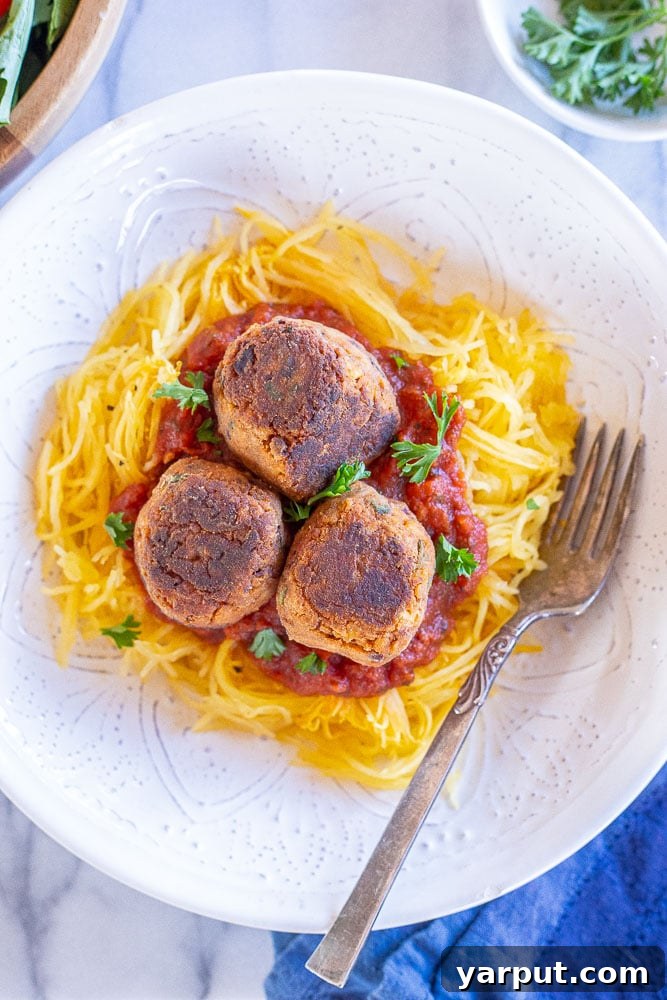
These Vegan Meatballs are a game-changer! Expect a delightful crisp exterior giving way to a wonderfully tender, flavorful interior. Perfectly versatile, they elevate any meal—be it classic pasta dishes, savory sub sandwiches, or even as a standalone snack. Discover how easy and rewarding it is to craft these plant-based wonders in your own kitchen!
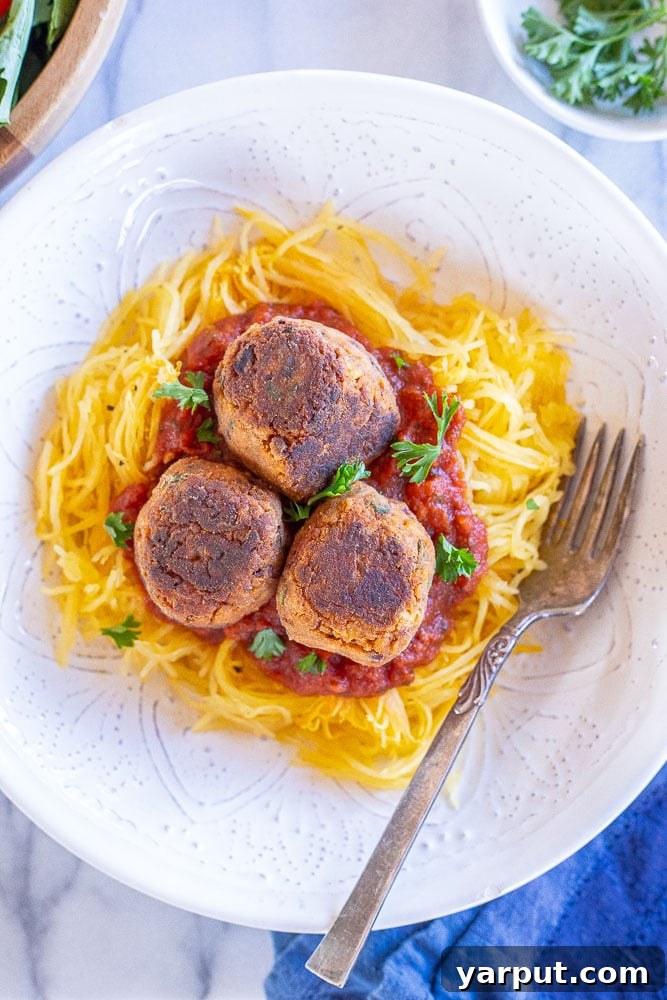
Embark on a culinary journey with our truly exceptional Vegan Meatballs! For those who embrace a plant-based lifestyle, the quest for homemade alternatives that capture the essence and texture of their meat counterparts can often be challenging. Many commercially available vegan meat products successfully mimic traditional textures, yet replicating this at home with wholesome, unprocessed ingredients often feels like an uphill battle. However, this recipe breaks that mold, offering a homemade vegan meatball experience that stands proudly on its own.
We understand that the nomenclature of “vegan meatballs” might spark debate for some. After all, if there’s no meat, why call it a meatball? From a blogger’s perspective, optimizing for search engines like Google is crucial, and let’s be honest, “veggie bean balls” just doesn’t have the same search appeal or immediate recognition. Our goal is to connect you with delicious, accessible recipes, and for many, “vegan meatballs” instantly conveys the familiar, comforting concept we’re aiming to recreate with plant-based goodness.
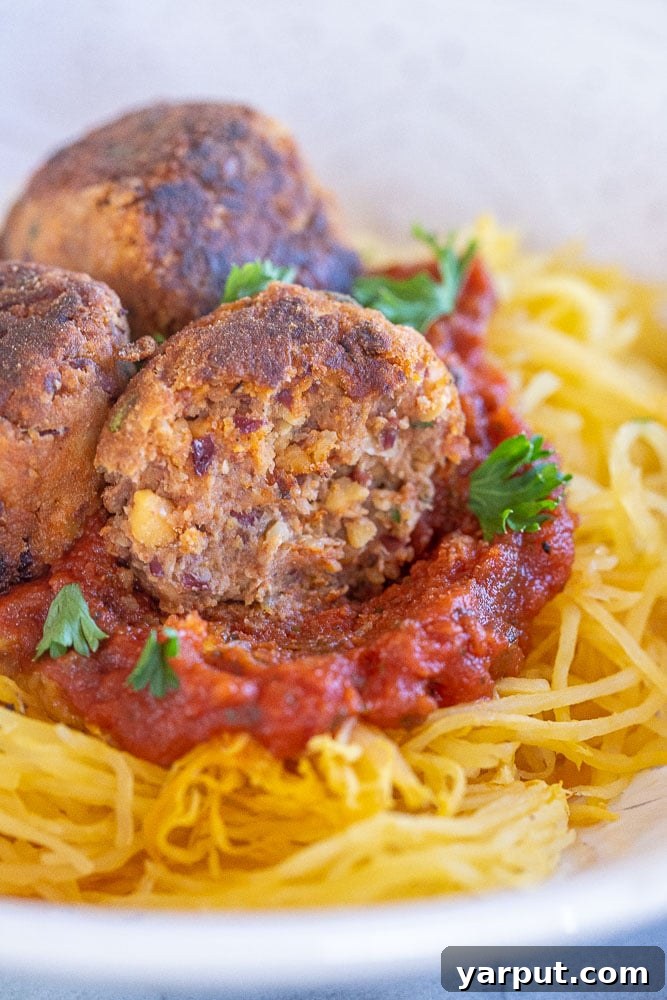
While these vegan meatballs won’t possess the exact “meaty” density of store-bought versions designed for hyper-realism, their texture is remarkably satisfying. They hold their shape beautifully, offering a satisfying bite that’s firm yet yielding, making them perfect for a variety of dishes. Get ready to impress your taste buds and your dinner guests with this incredibly flavorful and easy-to-make recipe that might just become a new favorite in your culinary repertoire.
Why Your Body Will Love These Plant-Based Meatballs
Choosing plant-based options like these vegan meatballs isn’t just a treat for your taste buds; it’s a profound act of kindness for your body. Packed with nutrient-dense ingredients, this recipe offers a myriad of health benefits that contribute to overall well-being:
- Digestive Health Boost: Beans, the star of these meatballs, are an incredible source of insoluble fiber. This type of fiber acts like a gentle scrub brush for your digestive system, adding bulk to stool and promoting regularity, which is vital in preventing constipation. Furthermore, the fiber in beans functions as a prebiotic, nourishing the beneficial bacteria in your large intestine. A thriving gut microbiome is linked to improved immunity, better nutrient absorption, and even mood regulation. By consuming these fiber-rich meatballs, you’re actively supporting a healthy and efficient digestive tract, allowing your body to effectively carry out toxins and maintain balance.
- Enhanced Eye Health: Polenta, a surprising yet effective binder in this recipe, contributes significantly to your ocular well-being. It contains selenium and magnesium, essential minerals that play roles in cellular protection and nerve function. More notably, polenta is a source of lutein and zeaxanthin—powerful antioxidants highly concentrated in the macula of the eye. These compounds are crucial for filtering harmful blue light and protecting against oxidative stress, thereby reducing the risk of age-related macular degeneration, cataracts, and other vision impairments. Including polenta in your diet is a flavorful way to safeguard your sight.
- Robust Heart and Bone Health: Chia seeds are tiny powerhouses, celebrated for their exceptional nutritional profile. They are one of the best plant-based sources of omega-3 fatty acids, specifically alpha-linolenic acid (ALA). ALA is known to help lower cholesterol levels, reduce inflammation, and improve overall cardiovascular function, significantly lowering the risk of heart disease. Beyond heart health, chia seeds are rich in phosphorus, magnesium, and calcium. These three minerals work synergistically to maintain strong, dense bones, protect against osteoporosis, and support various bodily functions from nerve transmission to muscle contraction. Incorporating chia seeds into these meatballs provides a substantial boost for both your heart and skeletal system.
- Rich in Protein & Essential Nutrients: Beyond the specific benefits listed, the combination of chickpeas and kidney beans provides a complete protein profile, essential for muscle repair, growth, and overall bodily function. These ingredients, along with nutritional yeast, also supply B vitamins, iron, and other trace minerals crucial for energy production and metabolic health.
Mastering the Vegan Meatball Recipe: Key Ingredients
Crafting the perfect vegan meatball hinges on selecting the right ingredients that not only bind well but also deliver a profound depth of flavor. Here’s a detailed look at the components that make these meatballs truly special:
- Beans – The Heart of the Meatball: For this recipe, we opt for a blend of chickpeas and dark red kidney beans. Chickpeas are valued for their firmer texture compared to softer beans and their wonderfully neutral flavor, which allows other spices to shine. Kidney beans, on the other hand, contribute a richer, deeper color and a distinctively “meatier” texture that helps mimic the feel of traditional meatballs. This combination ensures a balanced texture and robust foundation for your plant-based creation. Feel free to experiment with other beans like cannellini or black beans, keeping in mind they might alter the texture slightly.
- Polenta – The Unexpected Binder: This was a spontaneous addition that turned out to be a fantastic discovery! Using a few slices from a tube of pre-cooked polenta provides an excellent binding agent and a subtle filler, contributing to the meatballs’ structure without overpowering their flavor. It helps achieve that desirable firm-yet-tender consistency. If you don’t have pre-cooked polenta, you can make your own creamy polenta and allow it to cool and firm up before incorporating.
- Chia Egg – The Vegan Adhesive: Lately, I’ve found ground chia seeds to create a superior vegan egg substitute compared to flax seeds. Chia seeds swell into a gel-like consistency that more closely resembles the binding properties of a traditional egg. To prepare, simply mix one heaping tablespoon of ground chia seeds with three tablespoons of water and let it sit for about two minutes until it thickens. If chia isn’t available, flax egg (1 tbsp ground flaxseed + 3 tbsp water) works well, or a regular egg can be used if you’re making a vegetarian version.
- Breadcrumbs – For Structure and Texture: Plain Panko breadcrumbs are my go-to for these meatballs. They are essential for binding all the ingredients together, absorbing excess moisture, and contributing to the desired exterior crispness. Panko’s lighter, flakier texture also helps create a less dense meatball. Gluten-free breadcrumbs can be easily substituted if needed, maintaining the same binding power.
- Tomato Paste and Ketchup – Layers of Tangy Sweetness: While seemingly similar, combining tomato paste and ketchup adds a nuanced depth to the flavor profile. Tomato paste offers concentrated umami and a rich, deep tomato flavor, while ketchup provides a touch of sweetness and acidity, with a thinner consistency that integrates beautifully. This duo ensures a well-rounded, savory base. If you only have one on hand, feel free to adjust to your preference, but the blend is truly recommended for optimal flavor.
- Fresh Herbs – A Burst of Freshness: Fresh herbs are non-negotiable for elevating the flavor of these meatballs. I love the aromatic combination of thyme and parsley, which lend a bright, earthy note. However, feel free to use your favorite fresh herbs, such as oregano, basil, or marjoram. If fresh herbs aren’t available, dried herbs can be used, though you’ll want to reduce the quantity as dried herbs are more potent (typically 1/3 of the amount of fresh herbs).
- Spices – The Flavor Foundation: Beans and polenta, while great, are quite mild on their own. This is where a carefully selected blend of spices truly transforms them into irresistible meatballs. Our combination of smoked paprika, dried basil, garlic powder, onion powder, salt, and black pepper creates a robust, savory, and slightly smoky profile that ensures every bite is packed with deliciousness. Don’t be shy with these; they are key to the meatballs’ character.
- Nutritional Yeast – The Cheesy Umami Secret: Inspired by the subtle cheesy notes my mom always added to her meatballs with Parmesan, I incorporate nutritional yeast into this recipe. This golden flaky ingredient delivers a distinct, savory, and slightly nutty “cheese-like” flavor without any dairy. It adds an incredible depth of umami that truly rounds out the flavor profile and makes these vegan meatballs feel gourmet.
The Secret to Unforgettable Vegan Meatballs: The Flour Coating
The exquisite flavors and tender interior of these plant-based meatballs are undeniably stellar, but what truly elevates them to culinary perfection—and brings them closer to the comforting memory of my mom’s turkey meatballs—is a surprisingly simple yet crucial step: rolling them in flour before cooking. This isn’t just a minor detail; it’s a game-changer that makes a monumental difference in texture and taste.
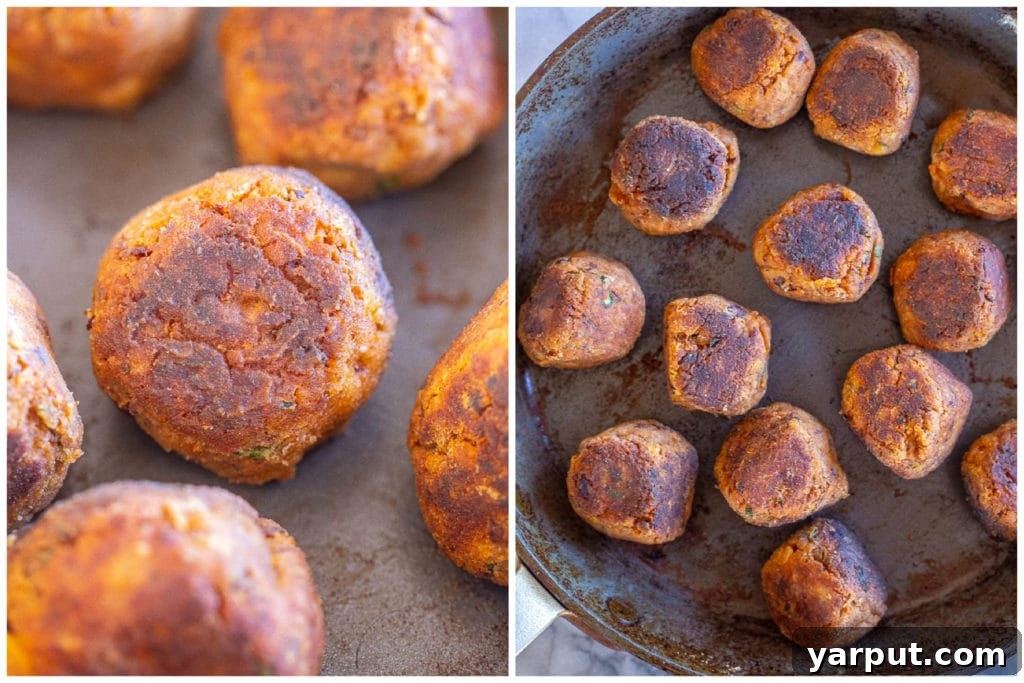
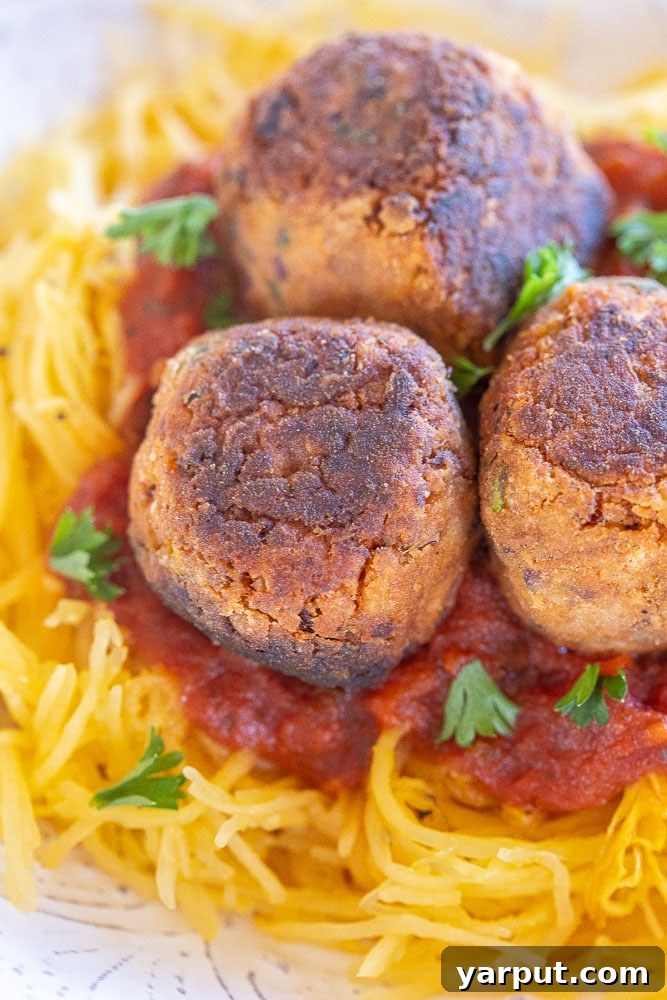
The process is straightforward: after forming your meatballs, gently roll each one in a light coating of all-purpose flour until it’s evenly covered. Then, place them into a hot skillet with a generous amount of olive oil. What this seemingly small step accomplishes is truly remarkable. The flour creates a delicate crust on the outside of each meatball as it cooks, locking in moisture and ensuring a beautifully crisp exterior that contrasts perfectly with the tender, flavorful inside. This golden-brown crust also adds an additional layer of savory depth and a delightful textural dimension that you simply won’t achieve by skipping this step.
I cannot overstate the importance of this technique; it’s genuinely transformative. Don’t be tempted to bypass it! For those with dietary restrictions, gluten-free all-purpose flour or even almond flour will work wonderfully, yielding similarly fantastic results. This simple coating is the secret weapon for achieving that coveted restaurant-quality finish right in your home kitchen, making every bite of these vegan meatballs truly special.
Simple Steps to Crafting These Delicious Vegan Meatballs
Creating these flavorful vegan meatballs is a straightforward process, designed for ease and enjoyment. Follow these simple steps for perfectly crisp and tender results:
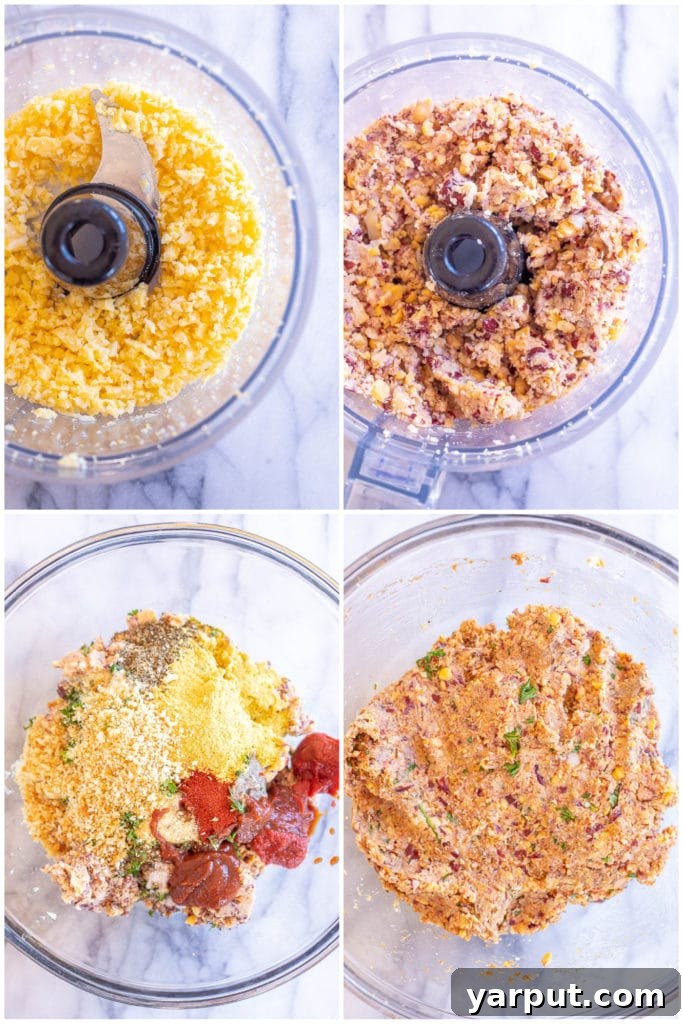
- Prepare the Base Mixture: Begin by adding your polenta slices to a food processor. Pulse a few times until the polenta is broken down into smaller pieces. Next, add the drained and rinsed chickpeas and kidney beans to the food processor. Continue pulsing until you achieve a thick, cohesive mixture. The key here is to avoid over-blending; you want some texture, not a completely smooth paste. This ensures your meatballs have a pleasant bite.
- Combine and Chill: Transfer the pulsed bean and polenta mixture into a large mixing bowl. Now, add all the remaining ingredients—excluding the flour, which is for coating. Mix everything thoroughly until well combined. Once mixed, cover the bowl and refrigerate the mixture for at least 30 minutes. This chilling period is crucial as it allows the ingredients to meld flavors and, more importantly, helps the mixture firm up, making it much easier to form into meatballs without crumbling. A longer chill time is perfectly fine and can even enhance the flavors.
- Form and Coat: Heat a large skillet over medium heat until it’s nice and hot. Add about 1 tablespoon of olive oil, ensuring it’s evenly distributed. Using a 1-tablespoon scoop, portion out the meatball mixture. Roll each portion between your palms to form a compact sphere. Next, roll each formed meatball in the flour until it’s completely coated with a light, even layer. This flour coating is essential for achieving that desirable crispy exterior. Carefully place the coated meatballs into the hot oil in the skillet, ensuring not to overcrowd the pan. Work in batches if necessary to allow for even cooking.
- Cook to Perfection: Cook the meatballs for 7-10 minutes, turning them occasionally, until they are beautifully brown and crispy on the outside and thoroughly cooked through to the center. The cooking time may vary slightly depending on your stove and the size of your meatballs. Once cooked, remove them from the pan. For the best texture, let the meatballs rest in the pan for about 5-10 minutes before serving. This brief resting period allows them to firm up slightly, preventing them from falling apart and enhancing their overall structure.
Tips for Success:
- Don’t Overmix: When combining ingredients, mix until just combined to maintain some texture and prevent tough meatballs.
- Even Sizing: Use a scoop for consistent meatball size, ensuring they cook evenly.
- Oil Temperature: Ensure your skillet and oil are hot enough before adding the meatballs to get that immediate crispy crust.
- Batch Cooking: Avoid overcrowding the pan; cook in batches to maintain high heat and achieve proper browning.
Creative Ways to Savor These Vegan Meatballs
The versatility of these vegan meatballs means they can be enjoyed in countless delicious ways! While you’re free to get creative, here are some of our favorite tried-and-true methods that transform them into a satisfying meal or a delightful snack:
- The Toddler-Approved Snack: My 1 1/2-year-old absolutely adores these! He simply picks one up and enjoys it plain as a wholesome, flavorful snack. They’re soft enough for little mouths yet firm enough to hold, making them a fantastic finger food for kids of all ages.
- Classic Pasta Pairing: You can never go wrong with a classic! These meatballs are utterly divine served over a bed of spaghetti squash for a lighter option or traditional pasta, generously coated in your favorite rich tomato sauce. It’s a comforting, timeless meal that truly highlights their robust flavor.
- The Ultimate Meatball Sub: Transform your vegan meatballs into an epic meatball sub. Lightly toast a hoagie roll, spoon in some warm tomato sauce, arrange a few meatballs, and top with your favorite vegan cheese (or dairy cheese if vegetarian). Heat it briefly in the oven until the cheese is melted and bubbly for an irresistible sandwich experience.
- Pizza Topping Perfection: Get creative with your pizza night! Slice these meatballs into rounds or crumble them over your homemade or store-bought pizza base. They add a hearty, savory element that pairs beautifully with tomato sauce, vegan mozzarella, and other veggie toppings.
- Creamy Polenta Companion: For a truly comforting and cohesive meal, heat your vegan meatballs in a flavorful tomato sauce and serve them atop a creamy bowl of soft polenta. The contrasting textures and complementary flavors create a wonderfully satisfying dish that feels both gourmet and homey.
- Appetizer Skewers: For a party-friendly option, thread cooked meatballs onto skewers with cherry tomatoes, basil leaves, and small mozzarella balls (vegan or dairy). Drizzle with balsamic glaze for an elegant appetizer.
- Power Bowls: Add them to a vibrant grain bowl with quinoa or brown rice, roasted vegetables, and a creamy tahini dressing for a wholesome and filling lunch or dinner.
- In a Hearty Soup: Drop them into a simmering vegetable or minestrone soup during the last few minutes of cooking for an added burst of protein and flavor.
Storage and Freezing Instructions:
Refrigeration: Store leftover cooked vegan meatballs in an airtight container in the refrigerator for up to 3-4 days. They reheat beautifully in a skillet or microwave.
Freezing: These meatballs freeze exceptionally well. Once cooled, place them in a single layer on a baking sheet and freeze until solid. Transfer the frozen meatballs to a freezer-safe bag or container and store for up to 3 months. Thaw in the refrigerator overnight before reheating.
Frequently Asked Questions:
- Can I bake these instead of frying? Yes! While frying gives the best crisp, you can bake them. Place coated meatballs on a parchment-lined baking sheet and bake at 375°F (190°C) for 20-25 minutes, flipping halfway, until golden brown.
- Can I make these gluten-free? Absolutely! Use gluten-free Panko breadcrumbs and gluten-free all-purpose flour for coating. All other ingredients are naturally gluten-free.
- How can I make them spicier? Add a pinch of red pepper flakes to the mixture or a dash of hot sauce to the finished meatballs.
Have a question about this recipe? Ask me in the comments below, and I’ll get back to you ASAP!
Explore More Delicious and Filling Vegan Recipes!
If you loved these Vegan Meatballs, you’re in for a treat! We have a treasure trove of other wholesome and satisfying plant-based recipes designed to delight your palate and nourish your body. Dive into these fantastic options:
Hearty & Easy Vegan Black Bean Burgers
Comforting Vegan Meatloaf with Lentils and Chickpeas
Authentic & Easy Homemade Falafel
Rich & Creamy Vegan Pot Pie
Savory Polenta Parmesan with Spinach and White Beans
Print

Vegan Meatballs
5 Stars 4 Stars 3 Stars 2 Stars 1 Star
No reviews
Author: She Likes Food
Total Time: 55 minutes
Yield: 20 1x
Diet: Vegan
Description
These Vegan Meatballs are crisp on the outside and tender on the inside! They’re loaded with tons of flavor and easy to make.
Ingredients
Scale
- 3 (1/2 inch) slices of polenta from a tube, a little less than half
- 1 (15 oz) can chickpeas, drained and rinsed
- 1 (15 oz) can dark red kidney beans, drained and rinsed
- 1 chia egg (mix one heaping tablespoon ground chia seed with 3 tablespoons water and let sit for 2 minutes)
- 1/4 cup bread crumbs
- 4 tablespoons nutritional yeast
- 3 tablespoons ketchup (I like to use True Made Foods sugar free ketchup)
- 2 tablespoons tomato paste
- 2 tablespoons chopped fresh parsley
- 1 tablespoon grated onion, or finely chopped
- 2 cloves garlic, grated
- 1 teaspoon smoked paprika
- 1 teaspoon dried basil
- 1 teaspoon garlic powder
- 1 teaspoon onion powder
- 1 teaspoon salt
- 1/2 teaspoon black pepper
- 1/3 cup flour
- Olive oil for frying
Instructions
- Add the polenta to a food processor and pulse a few times until it’s broken down. Next, add the chickpeas and kidney beans to the food processor and pulse a few more times until you have a thick mixture. You don’t want it completely blended to a paste.
- Add mixture to a bowl and then add all the remaining ingredients, except the flour. Mix until combined and refrigerate mixture for at least 30 minutes. Longer is ok too.
- Heat a large skillet over medium heat until it’s hot and then add in olive oil (I used about 1 tablespoon). Use a 1 tablespoon scoop to scoop the meatball mixture and then roll between your hands. Roll in the flour until it’s completely coated and then place in the hot oil.
- Cook meatballs until brown and crispy on the outside and cooked through on the inside, 7-10 minutes. Let them sit for about 5-10 minutes in the pan before serving and they will firm up a little bit.
Notes
If you want to cook them with tomato sauce, I would suggest browning them first and then adding in the sauce.
Recipe makes about 20 meatballs.
- Prep Time: 45 mins
- Cook Time: 10 mins
- Category: Dinner, Vegan
- Method: Stovetop
- Cuisine: Italian/American