
April’s Bounty: Your Essential Guide to Seasonal Produce
April truly signals the full arrival of spring, a season I eagerly anticipate each year. It’s a time when vibrant spring flowers burst into bloom, and trees proudly display their fresh, green leaves. As the weather becomes consistently warmer, many of us are inspired to embark on our outdoor gardening adventures. While some might already be planting, others, like myself in Northern New Mexico, patiently wait until mid-to-late May for optimal conditions. Nevertheless, the promise of new growth is palpable, and April produce, while sharing similarities with March, introduces a delightful array of warmer-weather vegetables and greens.
Embracing seasonal eating connects us to a practice our ancestors inherently followed. Before modern preservation techniques, communities relied solely on what could be harvested locally and in season. Our bodies have, in many ways, evolved to thrive on the specific nutrients available at different times of the year. Although today’s grocery stores offer a global pantry year-round, there’s an undeniable joy and benefit in consciously choosing fruits and vegetables that are naturally in season. They don’t just taste better and fresher; they often offer peak nutritional value and are more economically friendly. This guide is crafted to help you explore and savor the freshest offerings of April. I hope you enjoy this comprehensive April Produce Guide and find plenty of inspiration for your kitchen!
As spring unfolds, our palettes naturally crave lighter, fresher flavors. April marks a pivotal moment when the earth awakens, offering a diverse harvest that perfectly aligns with our desire for vibrant and nutritious meals. From crisp greens to earthy roots and zesty citrus, this month’s selection is a testament to nature’s cycle. While our local conditions might vary—like the unpredictable spring in New Mexico, which can still bring cold, damp, and windy days before mellowing out—the general trend across many regions of the US is a green light for planting and enjoying spring’s earliest yields.
Even if you’re not tending your own garden, or if your perennial herbs like parsley and chives are just beginning to re-emerge, the produce aisles are brimming with seasonal delights. Eating what’s in season not only guarantees superior flavor and texture but also supports local agriculture and often means a more affordable price tag. Dive into this guide to discover some of my favorite April produce items, complete with ideas and recipes to help you incorporate these fresh ingredients into your springtime cooking. Get ready to elevate your meals with the best of what April has to offer!
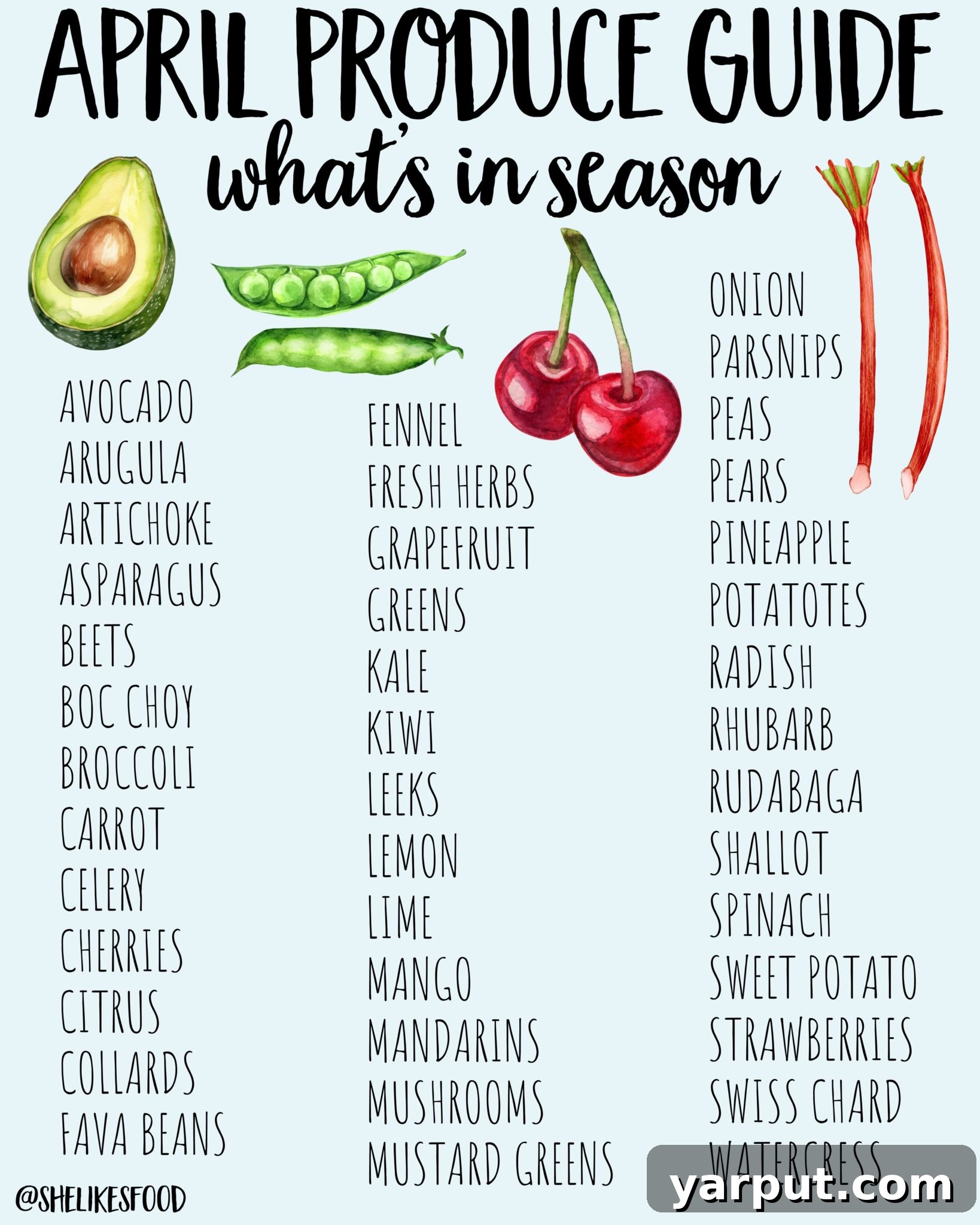
APRIL PRODUCE GUIDE
ARUGULA
Known affectionately as Rocket in many parts of the world, Arugula is a distinctive member of the mustard family, celebrated for its unique peppery and slightly bitter flavor. This leafy green brings a refreshing zest to any dish and, despite its strong profile, a small amount can significantly enhance the taste of a recipe. Its bold character sets it apart from more conventional salad greens, offering a delightful culinary experience.
I typically prefer to enjoy arugula raw, where its crisp texture and vibrant flavor shine brightest, making it an excellent addition to fresh salads, sandwiches, and wraps. However, arugula is remarkably versatile; it can also be gently wilted and served warm, much like spinach or kale, adding a sophisticated touch to cooked dishes. For a long time, its pronounced peppery bitterness was a barrier for me, but I’ve since developed a deep appreciation for its complexity. It truly offers more depth and character than many other salad greens, making it an indispensable ingredient for those seeking to add an exciting dimension to their meals. Nutritionally, arugula is a powerhouse, rich in Vitamins K and C, folate, calcium, and potent antioxidants, contributing to bone health and overall well-being. Store arugula in a loose bag in the refrigerator to keep it fresh and crisp.
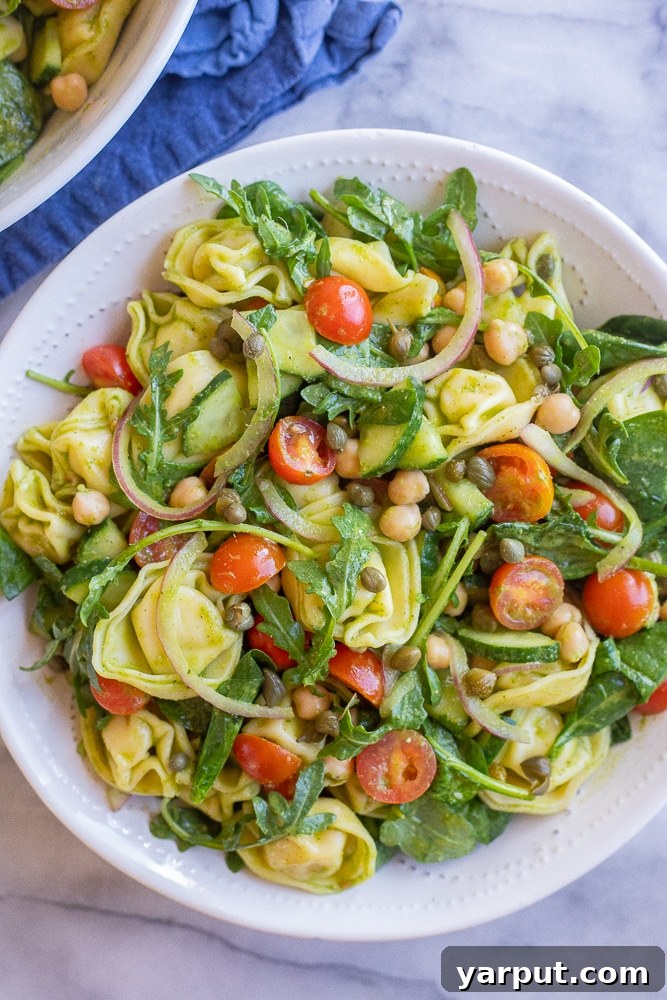
Arugula Tortellini Salad with Garlic Herb Dressing
Basil and Roasted Garlic Flatbread with Arugula
Tahini Balsamic Pasta Salad with Arugula
Balsamic Sweet Pepper and Boursin Sandwiches
Roasted Carrot and Chickpea Salad with Arugula
BEETS
Beets are captivating root vegetables, celebrated not only for their distinctive earthy sweetness but also for their stunning array of colors. While vibrant red beets are the most recognized, boasting an intense hue that can color an entire dish, you can also find golden beets, which offer a milder flavor profile and a beautiful sunny shade. Beyond the root, the leafy green tops of beets are also edible and highly nutritious, often enjoyed sautéed or added to salads. This versatility makes beets a zero-waste ingredient in the kitchen.
These powerful vegetables are nutritional champions, packed with beneficial phytonutrients and antioxidants, particularly betalains, which give red beets their color and possess significant anti-inflammatory properties. Reducing inflammation in the body is crucial for preventing various diseases and maintaining overall health. Beets are also an excellent source of fiber, folate, manganese, and potassium. Their unique flavor allows them to be enjoyed both raw—thinly sliced or grated into salads for a crisp texture and pop of color—and cooked. Common cooking methods include roasting to caramelize their natural sugars, steaming for a tender texture, or pickling to create a tangy condiment. Their earthy, slightly sweet essence pairs beautifully with a variety of ingredients, from goat cheese to citrus. When selecting beets, look for firm roots with fresh, vibrant greens.
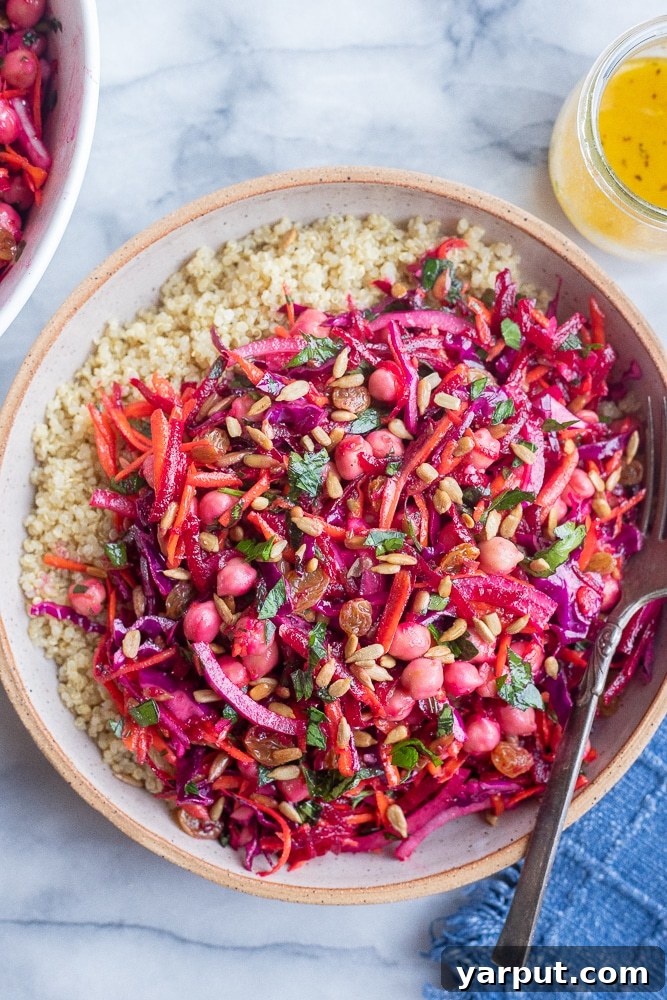
Beet and Carrot Salad with Chickpeas
Goat Cheese Beet and Balsamic Puff Pastry Bites
Beet and Cherry Smoothie
Vegan Beet Burgers with Brown Rice
Roasted Beet Chickpea and Black Rice Bowls
Healthier Chocolate Cupcakes with Raspberry and Beets
BROCCOLI
Broccoli, a prominent member of the cruciferous vegetable family, which also includes cabbage, Brussels sprouts, and kale, is a true nutritional powerhouse. While Calabrese broccoli, with its dense, dark green florets, is the most common variety found in grocery stores across the United States, other types like broccolini (with smaller florets and longer, slender stalks) and broccoli rabe (known for its slightly bitter, robust flavor) also offer delightful culinary experiences. Regardless of the variety, broccoli is a staple for healthy eating.
This remarkable vegetable is celebrated for its extensive health benefits. It’s brimming with antioxidants, including sulforaphane, which plays a significant role in reducing unwanted inflammation within the body and supporting detoxification pathways. Furthermore, broccoli is an excellent source of both dietary fiber, crucial for digestive health, and Vitamin C, with just one cup providing a comparable amount to an orange, boosting the immune system. It also supplies Vitamin K, folate, potassium, and iron. Broccoli’s versatility allows it to be enjoyed both raw and cooked. I frequently chop raw florets into bite-sized pieces to add a crunchy texture and fresh flavor to salads. For those who prefer it cooked, steaming preserves its nutrients and vibrant color, roasting brings out a delicious nutty sweetness, and stir-frying offers a quick and flavorful preparation method. To maintain freshness, store broccoli unwashed in an open plastic bag in the refrigerator for up to a week.
Chili Garlic Broccoli with Chickpeas
Tahini Roasted Broccoli
Crunchy Broccoli Salad with Maple Mustard Dressing
Veggie Packed Broccoli Cheddar Soup
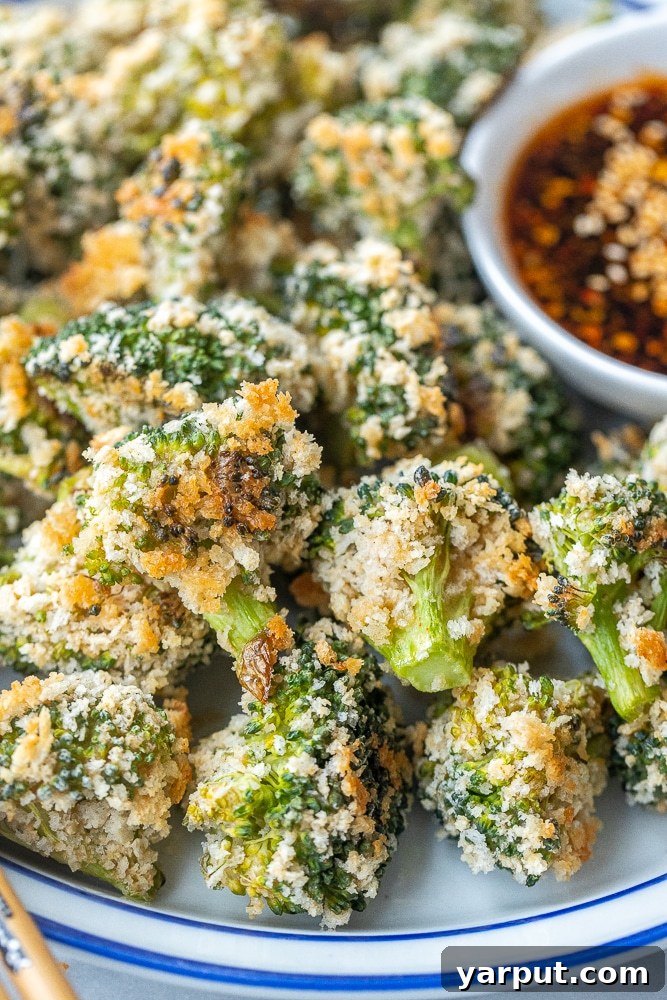
Crunchy Baked Broccoli with Spicy Soy Sauce
Cheesy Broccoli Rice Casserole Bites
CARROTS
Carrots are classic springtime root vegetables, renowned for their sweet, earthy flavor and satisfying crunch. They are surprisingly easy to cultivate, making them a popular choice for home gardens. While the familiar bright orange variety dominates grocery store shelves, a vibrant spectrum of rainbow carrots—including purple, yellow, and white—offers visual appeal and subtle flavor variations. Carrots also come in various shapes and sizes, from short and stout to long and slender. It’s worth noting that “baby carrots” as we know them are not a distinct variety but are typically regular-sized carrots that have been cut, peeled, and shaped into convenient snack-sized pieces.
My go-to way to enjoy carrots is raw, whether as a simple snack stick, grated into fresh salads, or added to crunchy wraps. Their natural sweetness also makes them incredibly versatile for cooking. Roasting carrots intensifies their sugars, creating a tender, caramelized side dish. They can be sautéed, incorporated into savory soups and stews, or even baked into delightful desserts like carrot cake and muffins, showcasing their dual nature in sweet and savory recipes. In the US, dipping raw carrots into ranch dressing or hummus remains a beloved snack. Nutritionally, carrots are celebrated for their high content of beta-carotene, which the body converts to Vitamin A, essential for vision and immune function. They also provide fiber, Vitamin K1, potassium, and various antioxidants. Store them in a cool, dark place or in the crisper drawer of your refrigerator to maintain their crispness.

Carrot and Chickpea Salad with Orange Maple Dressing
Roasted Carrot and Dill Hummus
Noodles with Cabbage and Carrots
Carrot Cake Muffins
Curried Sweet Potato Carrot and Red Lentil Soup
FRESH HERBS
Fresh herbs are the vibrant soul of spring cooking, offering an explosion of flavor and aroma that dried herbs simply can’t replicate. April is an ideal time to celebrate these culinary gems, as many begin to flourish. Herbs are broadly categorized into annuals, which complete their life cycle in one season (like basil and cilantro, requiring replanting each year), and perennials, which return reliably year after year (such as sage, thyme, oregano, mint, and lavender). Their fresh, bright notes are generally less concentrated than their dried counterparts, making them perfect for generous use in a wide array of recipes.
Having a selection of fresh herbs on hand is a game-changer for any kitchen. They serve as beautiful and flavorful garnishes for pasta dishes, salads, and soups, instantly elevating a meal’s presentation. Beyond garnishing, herbs can also take center stage as a main ingredient. Pesto, a beloved Italian sauce, is a fantastic way to utilize an abundance of fresh herbs, traditionally made with basil but equally delicious with mint, cilantro, or a mix of various greens. Consider incorporating finely chopped herbs into dressings, marinades, infused oils, or even baked goods for an unexpected twist. Nutritionally, fresh herbs are packed with antioxidants, vitamins, and minerals, even in small quantities, adding a healthy boost to your meals. To keep fresh herbs vibrant, store them upright in a glass of water in the refrigerator, covered loosely with a plastic bag, or wrapped in a damp paper towel and placed in an airtight container.
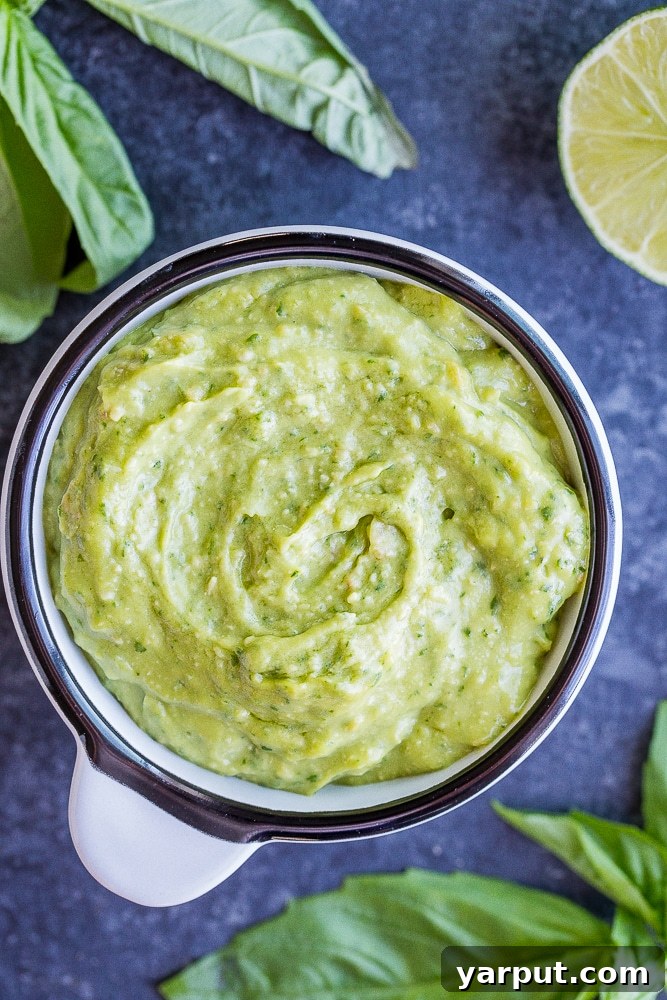
Vegan Pesto Recipe
Herby Lemon Jalapeno Pasta
Herby Cucumber Salad with Feta and Chickpeas
Cilantro Lime Cucumber Salad with Avocado
Avocado Pesto Sauce
KALE
Kale stands out as a robust and nutrient-dense leafy green, thriving even in colder temperatures, making it a perfect spring harvest. It comes in several distinct varieties, each offering a unique texture and appearance: curly kale, known for its ruffled leaves; Lacinato kale (also called dinosaur kale or Tuscan kale), with its dark, crinkly, strap-like leaves; and red or purple kale, which adds a beautiful splash of color to dishes. In recent years, baby kale has gained popularity for its more tender texture, akin to baby spinach or lettuce, while still retaining the hearty characteristics of mature kale.
Kale’s versatility means it can be enjoyed both raw and cooked. When eaten raw, especially in salads, I highly recommend massaging the leaves with a bit of olive oil and lemon juice. This simple step breaks down the tough fibers, transforming kale into a wonderfully tender and refreshing base that still offers a satisfying texture. Its hardiness also makes it an excellent addition to warm dishes, as it wilts quickly without losing its integrity. Toss it into soups, stir-fries, or pasta dishes for a boost of flavor and nutrition. Nutritionally, kale is an absolute powerhouse, packed with Vitamins K, A, and C, manganese, calcium, and dietary fiber. These nutrients contribute to bone health, vision, immune function, and digestion. To keep kale fresh, store it unwashed in a plastic bag in the refrigerator’s crisper drawer for up to a week.

The Best Kale Chips
Chopped Kale Power Salad with Lemon Tahini Dressing
Kale and White Bean Pasta with Parmesan
Garlicky Kale with White Beans and Lemon
Sunshine Kale Salad
LEMON
Although lemons are technically citrus fruits that hit their peak season in the winter, their bright, zesty presence is incredibly versatile and remains a kitchen essential throughout spring. I always ensure I have lemons readily available, as their tangy freshness is unparalleled for balancing rich flavors and adding a vibrant lift to almost any dish, from savory to sweet. They are, in my opinion, one of the most indispensable ingredients in a well-stocked pantry.
Lemons are perfect for a myriad of culinary applications. Their juice can be effortlessly squeezed into water for a refreshing drink, drizzled over salads for a healthy dressing, or incorporated into sauces and marinades to tenderize and brighten ingredients. The zest, which contains concentrated oils, adds an intense aromatic punch that can truly transform a recipe. While lemons can certainly be the star flavor in desserts like lemon tarts or cakes, they also excel as a subtle seasoning, used to enhance and “brighten up” the overall profile of your meals without overpowering them. Nutritionally, lemons are an excellent source of Vitamin C, a powerful antioxidant that supports immune health, aids in iron absorption, and contributes to healthy skin. They also contain compounds that can assist digestion. Store lemons at room temperature for a few days or in the refrigerator for longer freshness, and remember to zest them before juicing!
Homemade Blueberry Lemonade
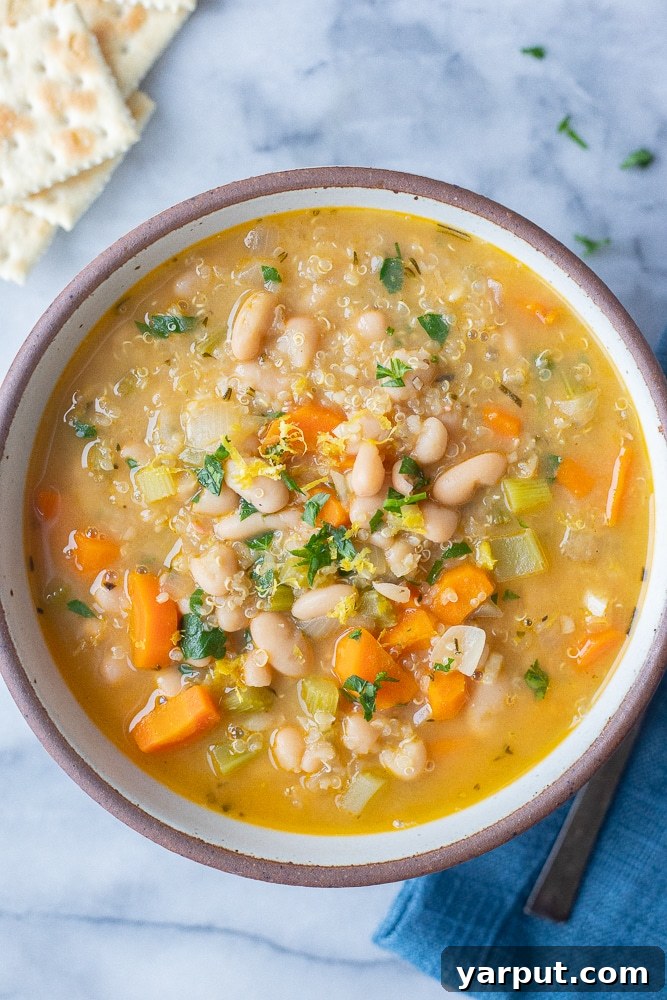
Lemony White Bean Soup with Quinoa
Herby Lemon Jalapeno Pasta with Crispy Chickpea
Lemon Raspberry Baked Oatmeal
Lemon Dill Orzo Broccoli Salad
Lemon Tahini Chickpea Salad
PEAS
Spring truly signals the arrival of fresh peas, a delightful and often anticipated seasonal treat. There are three primary types of peas that grace our tables during this time: snow peas, sugar snap peas, and garden peas (also known as English peas). Snow peas are characterized by their flat pods and tiny, underdeveloped peas inside; they are frequently used in stir-fries for their crisp texture. Sugar snap peas are plumper and more rounded, featuring larger, sweeter peas encased within an edible, crunchy pod. Garden peas, on the other hand, are the variety typically shelled from their fibrous pods, commonly found frozen and enjoyed for their tender sweetness.
I find immense joy in cultivating sugar snap peas in my garden, perfect for snacking raw directly from the vine throughout the summer. Their natural sweetness and satisfying crunch also make them an excellent fresh addition to spring salads, adding a burst of vibrant flavor. Furthermore, I always keep a bag of frozen sweet peas (garden peas) in my freezer. They are incredibly convenient for tossing into pasta dishes, adding a pop of green and a tender bite, or simply serving as a quick and healthy vegetable side dish. Peas are not only delicious but also boast an impressive nutritional profile, rich in protein, dietary fiber, and essential vitamins like A, K, and C, as well as thiamin and folate. Their combination of natural sweetness and nutritional benefits makes them a wonderful addition to any spring menu. Look for firm, bright green pods when buying fresh peas.
Lemony Broccoli and Sweet Pea Salad
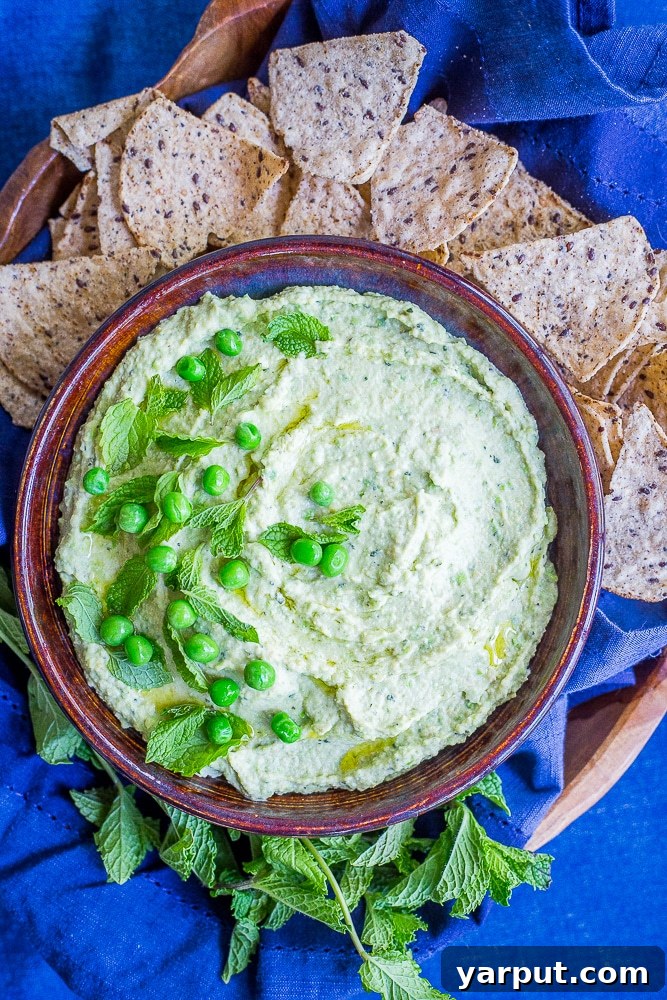
Minty Sweet Peas Hummus
Watercress Pesto Pasta with Peas
Roasted Vegetable Gnocchi Sausage Bake
POTATOES
Potatoes, while available year-round, truly shine in the spring with the arrival of “new potatoes” — tender, thin-skinned varieties that are dug before they reach full maturity, offering a creamy texture and delicate flavor. Beyond these springtime gems, the potato family boasts an impressive diversity, including starchy russets (ideal for baking and frying), creamy Yukon Golds (perfect for mashing), vibrant red potatoes, unique purple potatoes, and slender fingerlings. Each variety brings its own distinct characteristics to the table, making potatoes an incredibly versatile and affordable ingredient in any kitchen.
Their culinary applications are virtually endless, making them one of the most beloved and commonly used vegetables globally. Potatoes can be roasted to crispy perfection, fried into golden French fries, baked until fluffy, or mashed into a comforting side dish. My personal favorites include making fluffy mashed potatoes for a cozy meal or browning them in a skillet for a hearty breakfast hash. The sheer variety ensures there’s a potato for every recipe and preference. Nutritionally, potatoes are a good source of potassium, Vitamin C, Vitamin B6, and dietary fiber, especially when consumed with their skins, contributing to heart health and digestion. When selecting potatoes, look for firm, smooth skins free of sprouts or green spots. Store them in a cool, dark, and dry place, away from onions, to prevent premature sprouting.
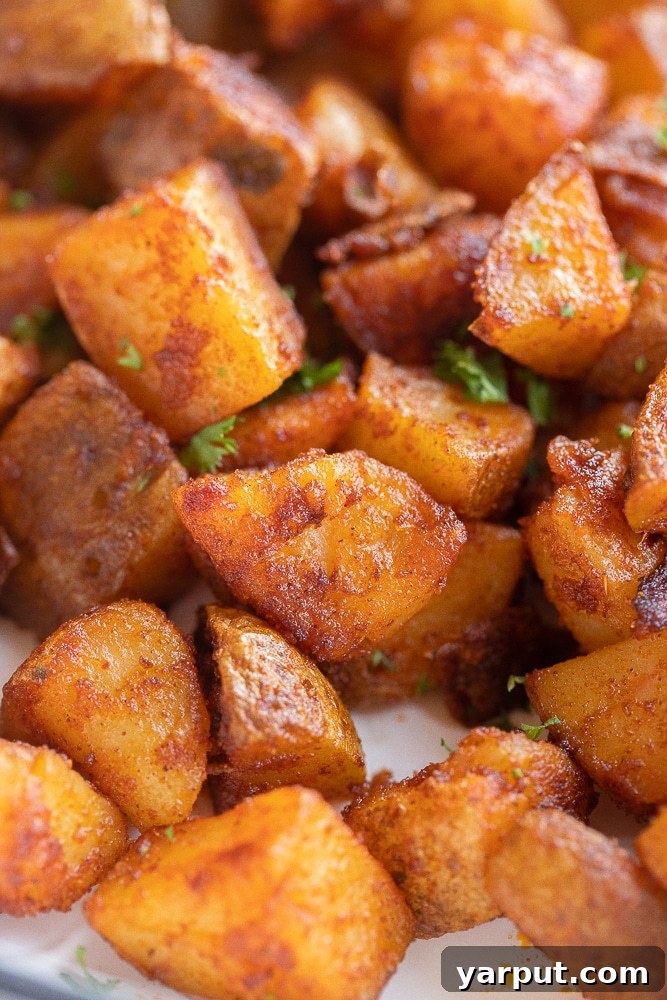
Crispy Potato Tacos
Seasoned Grilled Potato Wedges
Quick and Easy Home Fries
Creamy Vegan Mashed Potatoes
Cheesy Potato Taquitos
RADISHES
Radishes, another vibrant member of the mustard family, are a quintessential spring vegetable, known for their crisp texture and distinctive peppery bite. While the small, round, red globe radishes are the most common sight in grocery stores, a delightful array of varieties exists, including the elongated French Breakfast radishes, the striking purple and white Watermelon radishes, and the much larger, milder Daikon radish. Each type offers a slightly different nuance in flavor and appearance, making them a fun ingredient to experiment with.
My preferred method for enjoying radishes is thinly slicing them and adding them raw to salads, where their sharp, spicy flavor provides an invigorating contrast to other greens and vegetables. However, their versatility extends beyond raw applications. Radishes can be quickly pickled, transforming their fiery kick into a tangy, refreshing bite that pairs wonderfully with rich foods. They can also be grilled, which softens their texture and infuses them with a smoky flavor. Even more surprisingly, roasting radishes in the oven significantly mellows their sharp, pungent taste, bringing out a subtle sweetness and creating a tender, earthy side dish that might convert even radish skeptics. Nutritionally, radishes are low in calories but rich in Vitamin C, folate, potassium, and various antioxidants, making them a healthy and flavorful addition to your diet. Look for firm, smooth radishes with vibrant colors and fresh, green tops (which are also edible!). Store them in the refrigerator, separate from their greens, to maintain crispness.
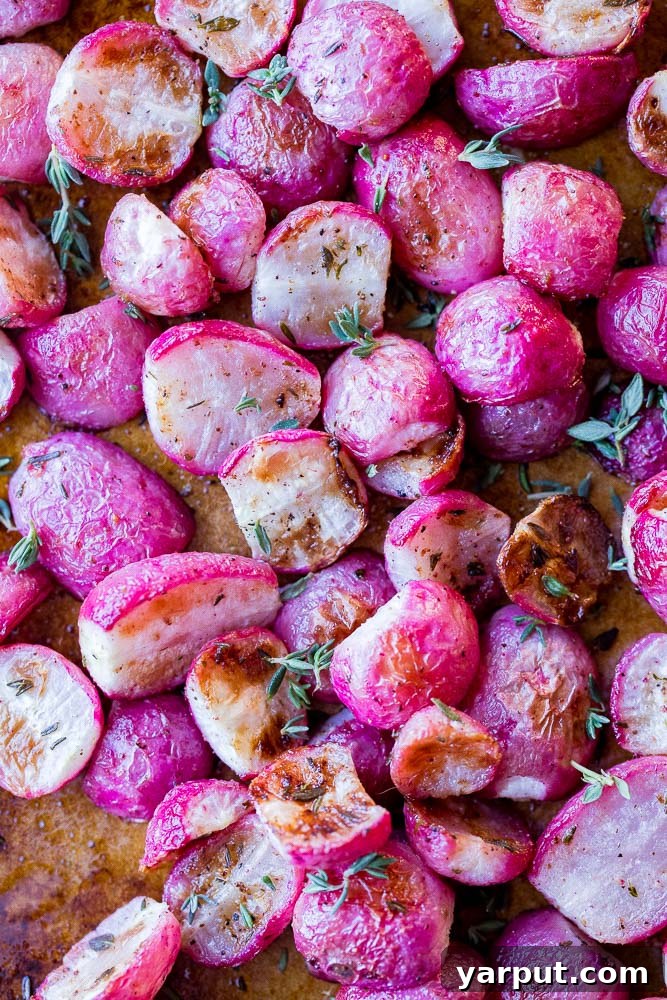
Roasted Radishes with Garlic and Herbs
Veggie Sushi Bowls with Quick Pickled Radishes
Crunchy Ranch Salad with Crispy Quinoa
Loaded Black Bean Salad
Salt and Vinegar Potato Salad
Roasted Sweet Potato Black Bean Salad with Kale
SWEET POTATOES
Sweet potatoes are beloved root vegetables, recognized for their naturally sweet flavor and creamy texture. While often associated with autumn holidays, they are a versatile staple available year-round and can be particularly delightful in spring dishes when paired with lighter, fresher ingredients. They come in a captivating range of colors, from the common orange-fleshed varieties like Jewel and Garnet, to white-fleshed types such as Hannah, and the striking purple Okinawan sweet potato. Though sometimes confused with yams, true yams are a distinct, starchier vegetable with rough, bark-like skin; most “yams” sold in US grocery stores are actually orange-fleshed sweet potatoes. Sweet potatoes grow underground, with edible greens that sprout above, though the potato itself is the most commonly consumed part.
My absolute favorite way to prepare sweet potatoes is by roasting them. I typically dice them into uniform chunks or slice them into slender French fry shapes, then toss them with a blend of savory spices—think paprika, garlic powder, and a touch of chili powder—before roasting until tender and slightly caramelized. This method brings out their inherent sweetness beautifully. Beyond roasting, sweet potatoes are incredibly adaptable. They can be mashed into a velvety side dish, baked whole and topped with your favorite savory or sweet additions, or even incorporated into soups, stews, and baked goods. Nutritionally, sweet potatoes are a true superfood, boasting an impressive profile rich in beta-carotene (which converts to Vitamin A, vital for vision and skin), Vitamin C, Vitamin B6, manganese, potassium, and ample dietary fiber, all contributing to overall health and vitality. To keep them fresh, store sweet potatoes in a cool, dark, and well-ventilated area, avoiding refrigeration which can alter their flavor and texture.

Roasted Sweet Potato Hummus Wraps with Honey Mustard
Sheet Pan Sweet Potato Fajitas with Black Beans
Roasted Sweet Potato Hash
Vegan Sloppy Joe Stuffed Sweet Potatoes
Sweet Potato Pie Bars