
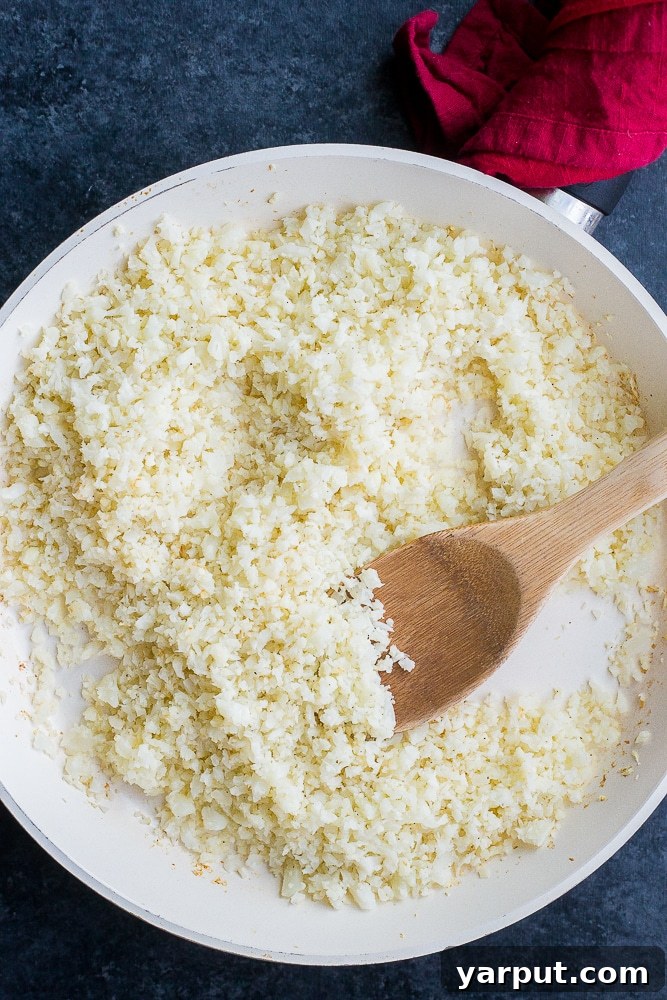
Cauliflower rice stands out as an exceptional low-carb, grain-free alternative to traditional rice. It’s incredibly simple to prepare and offers remarkable versatility, making it a perfect substitute in virtually any dish that calls for regular rice.
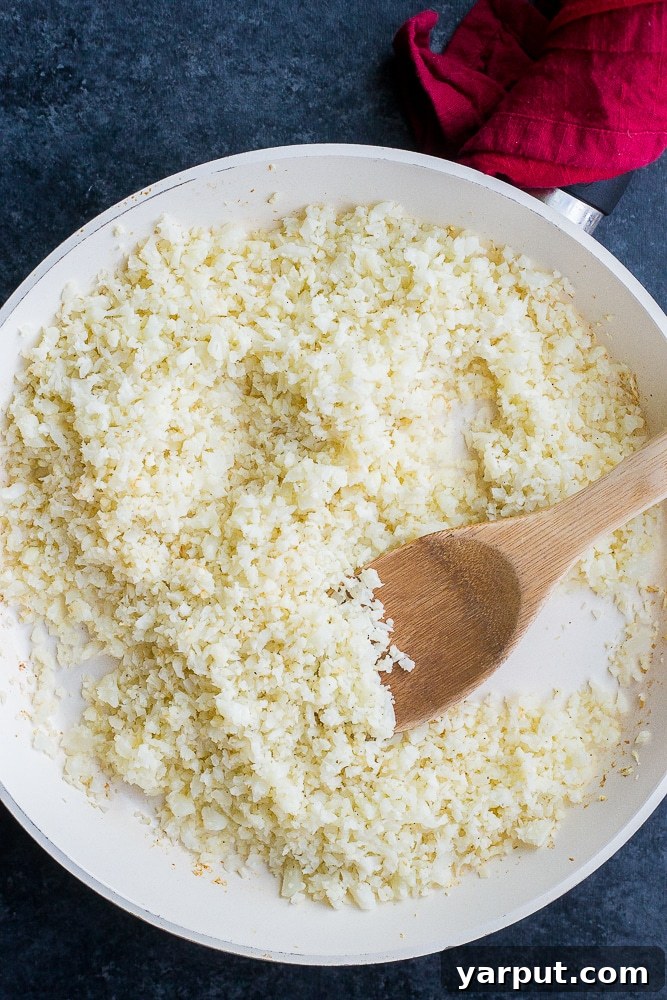
Mastering Cauliflower Rice: Your Ultimate Guide to a Healthy, Low-Carb Alternative
While the concept of cauliflower rice isn’t new, its popularity continues to grow, and for good reason! As someone who consistently seeks out healthy, flavorful, and easy meal components, cauliflower rice has become a staple in my kitchen. We’ve been enjoying it extensively lately, which inspired me to share my perfected method for creating this fantastic low-carb staple. I’ll admit, I used to be skeptical about vegetables truly replacing hearty carbs, but cauliflower rice completely changed my perspective. It’s genuinely delicious, satisfying, and so versatile that I honestly can’t recall the last time I cooked traditional grain rice.
What makes cauliflower rice so appealing is its incredible adaptability. Its mild flavor profile means it readily absorbs any seasonings or sauces you pair it with, allowing you to customize it to fit countless cuisines and dishes. Once you master the fundamental technique, you’ll find yourself incorporating it into your diet as effortlessly as you would regular rice, opening up a world of healthy culinary possibilities.
I’m thrilled to report that even my carb-loving husband and our picky two-year-old son have embraced cauliflower rice! Just last night, I transformed it into a savory fried rice dish, and my son exclaimed, “Yummy rice!” after every bite. This anecdotal evidence truly highlights its broad appeal and deliciousness, even for the youngest palates.
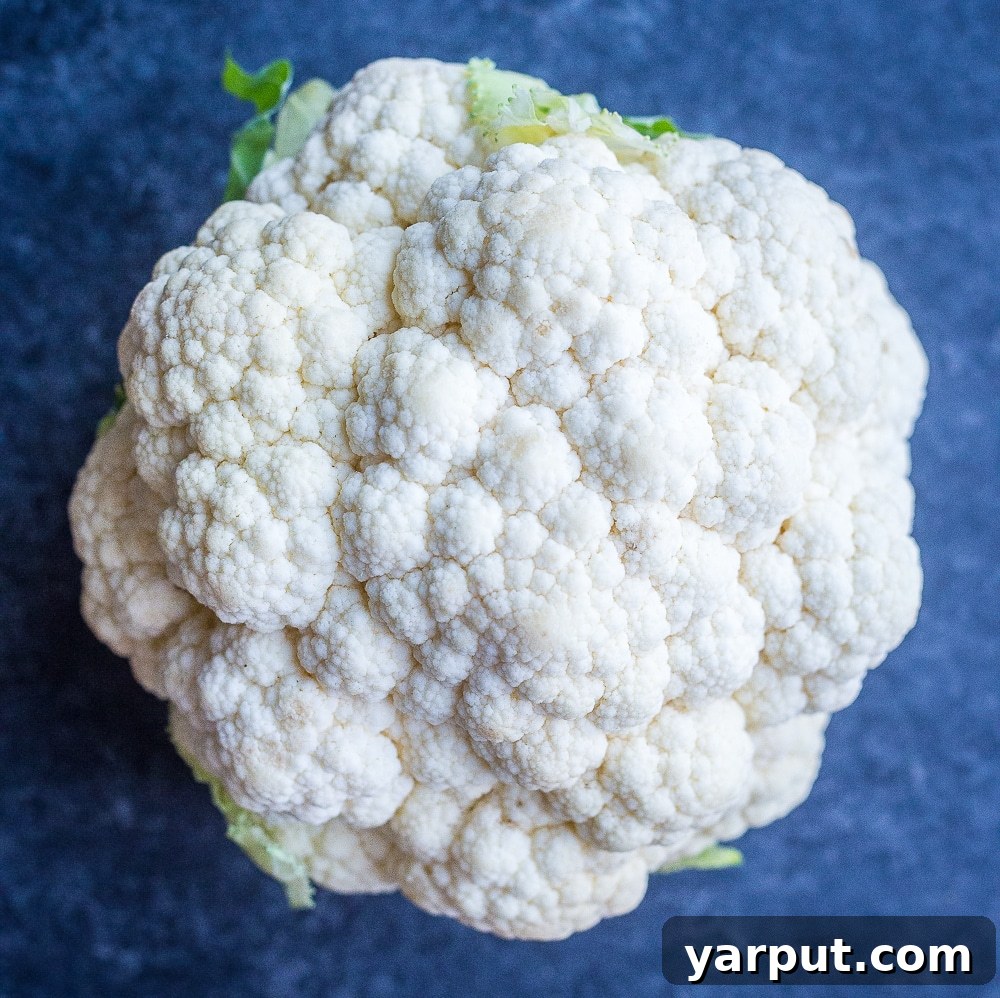
How to Make Perfect Cauliflower Rice: A Step-by-Step Guide
Creating perfect cauliflower rice is a simple process, primarily requiring a food processor. Follow these easy steps to achieve a fluffy, rice-like texture every time:
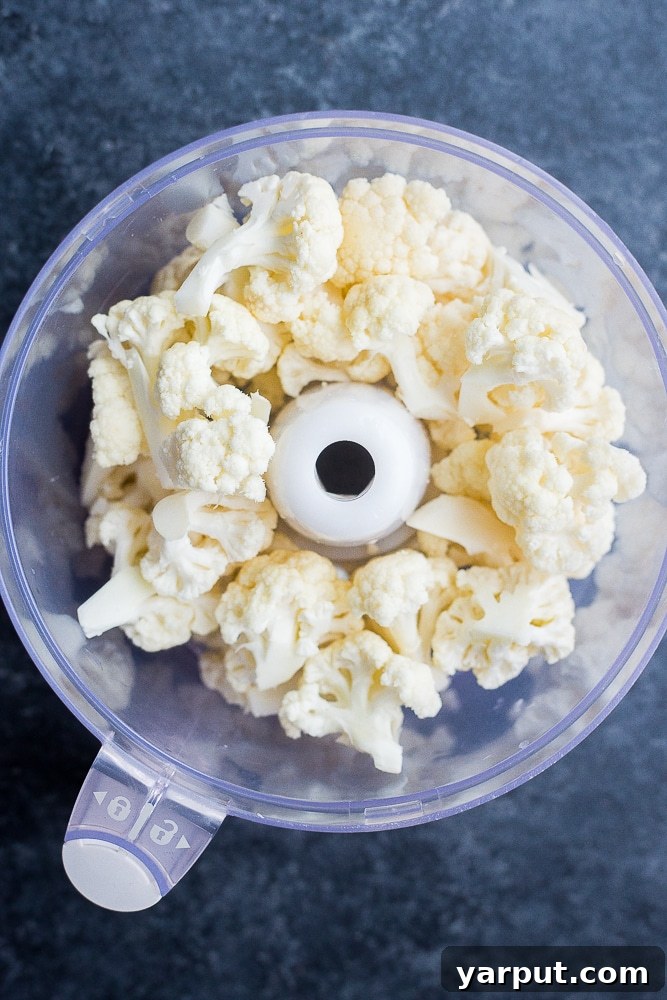
- Prepare the Cauliflower: Start by washing and drying a head of cauliflower thoroughly. Cut the cauliflower into medium-sized florets. The key here is to ensure the pieces are as uniform in size as possible. This step is crucial because it ensures even processing in the food processor. If you have some large and some small pieces, the smaller ones will become mush before the larger ones reach a rice-like consistency. Place the florets into your food processor, being careful not to overfill the bowl. Overfilling can lead to an uneven texture, with pieces at the bottom turning to puree while those at the top remain too large. It’s perfectly fine to process the cauliflower in two or more separate batches.
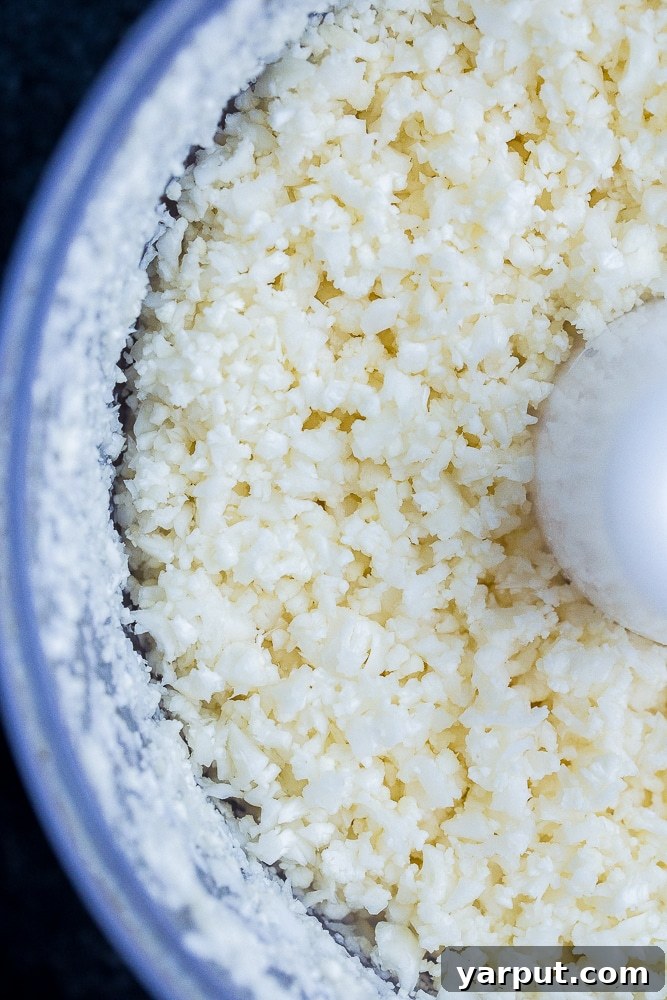
- Pulse to Perfection: Secure the lid on your food processor and begin to pulse the cauliflower florets. Instead of letting the machine run continuously, use short, quick pulses. This method gives you greater control over the texture. Continue pulsing until the cauliflower pieces resemble grains of rice. This usually takes about 4-5 quick pulses. Regularly check the consistency; you’re looking for a fine, granular texture, not a paste. If you notice any stubborn, larger chunks that haven’t broken down, simply remove them and either chop them manually or add them to the next batch for processing. Avoid over-processing, as this can result in a wetter, heavier, and less appealing texture.
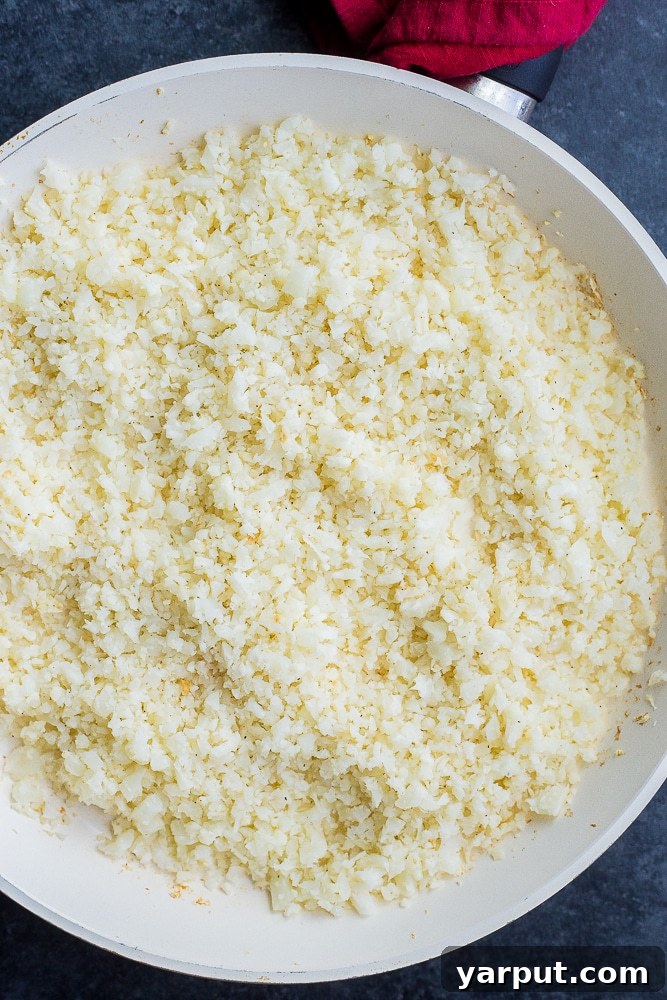
- Cook or Serve Raw: While some prefer to eat cauliflower rice raw, sautéing it significantly enhances its flavor and texture. To cook, heat a large skillet or non-stick pan over medium heat. Add a small amount of your preferred cooking oil (such as olive oil, coconut oil, or avocado oil). Once the oil is shimmering, add the pulsed cauliflower rice to the pan. Season generously with salt and black pepper, or any other spices you prefer (see our seasoning ideas below!). Sauté, stirring frequently, for approximately 7-10 minutes, or until the cauliflower rice is heated through and slightly softened but still retains a pleasant, tender-crisp texture. Be cautious not to overcook, as this can make it mushy.
Expert Tips for the Best Cauliflower Rice
Achieving consistently great cauliflower rice is easy once you know a few tricks. Here are some invaluable tips to elevate your cauliflower rice game:
- Uniform Floret Size is Key: As mentioned in the instructions, the initial cutting of your cauliflower into consistently sized florets might seem minor, but it’s foundational for a successful outcome. When all pieces are similar, they’ll process evenly in the food processor. This prevents the frustrating scenario where some pieces are pulverized while others remain too large. Take an extra minute during prep for a better result.
- Master the Pulsing Technique: Resist the urge to let your food processor run continuously. Instead, use short bursts of 4-5 pulses, then check the texture. This method is the secret to a fluffy, rice-like consistency. Continuous blending can quickly turn your cauliflower into a wet, heavy paste, which won’t mimic rice as effectively. My initial attempts often resulted in over-processed cauliflower, leading to a less desirable texture, so learn from my mistakes!
- Managing Moisture: Some recipes suggest microwaving uncooked cauliflower rice and then squeezing out excess moisture with a clean towel. While this can be effective, I’ve found it largely unnecessary, especially if you’re careful not to over-process. I don’t own a microwave, and my sautéed cauliflower rice never feels overly moist. If you do find your batch a bit wet, simply cook it for a few extra minutes in a hot pan, allowing the moisture to evaporate. A wide, shallow pan also helps with this.
- Cooking Method Preferences: You have the option to enjoy cauliflower rice raw or sautéed. While I personally haven’t tried it raw, I believe it would be perfectly suitable for salads or certain cold dishes. However, for most applications, I highly recommend sautéing it in a hot skillet with a touch of oil and your favorite seasonings. This cooking method brings out its natural sweetness, creates a more appealing texture, and allows it to fully absorb flavors, truly making it shine as a rice substitute.
- Don’t Waste Stems: While florets are ideal for ricing, don’t discard the inner stem of the cauliflower head. It can be chopped finely and added to the food processor along with the florets, contributing to the overall yield and minimizing food waste.
Beyond Cauliflower: Exploring Other Riced Vegetables
Cauliflower has certainly claimed the top spot as the most popular vegetable for ricing, primarily due to its neutral color, pleasant texture, and mild taste that makes it a chameleon in many dishes. However, the world of “riced vegetables” extends far beyond cauliflower! Many other vegetables can be transformed into a similar granular consistency, offering different flavors, colors, and nutritional profiles. Some excellent alternatives include:
- Broccoli Rice: Similar to cauliflower, broccoli florets can be pulsed into a vibrant green rice, perfect for adding extra nutrients and a slightly earthier flavor.
- Sweet Potato Rice: Offers a naturally sweet and colorful alternative. It’s excellent for savory dishes that benefit from a hint of sweetness, like certain curries or breakfast bowls.
- Cabbage Rice: A very low-carb option, cabbage rice has a slightly firmer texture and a distinct flavor that pairs well with hearty stews or as a base for stir-fries.
- Beet Rice: For a strikingly vibrant and earthy option, riced beets are fantastic, especially in salads or as a colorful side.
- Carrot Rice: Sweet and crunchy, riced carrots can be a great addition to dishes that need a touch of sweetness and texture, or as part of a mixed vegetable rice blend.
All of these riced vegetables can be enjoyed raw (especially in salads) or cooked. They are fantastic for adding bulk and nutrition to salads, stir-fries, Buddha bowls, or as unique bases for your favorite main courses.
Meal Prep & Freezing Cauliflower Rice
One of the best features of cauliflower rice is its suitability for meal prepping and freezing. This makes it incredibly convenient for busy weekdays or when you want to have healthy ingredients on hand. Yes, you can absolutely freeze cauliflower rice!
I typically freeze mine raw. After processing, I transfer the uncooked cauliflower rice into an airtight container or freezer-safe bags and store it in the freezer for up to six months. When you’re ready to use it, you have a couple of options:
- Cook from Frozen: You can simply throw the frozen cauliflower rice directly into a hot pan with a bit of oil. It will release some moisture as it thaws and cooks, but this usually cooks out entirely after about 10-15 minutes of sautéing. Just ensure you stir frequently to prevent sticking and to encourage even cooking and moisture evaporation.
- Thaw Before Cooking: If you prefer, you can let the frozen rice defrost in the refrigerator overnight or on the counter for a shorter period. Once thawed, it might have accumulated some extra water. To prevent a soggy result, place the thawed cauliflower rice in a clean dishtowel or paper towels and gently squeeze out any excess moisture before cooking. This method yields a drier, fluffier texture, particularly good for dishes where texture is paramount.
Having a stash of frozen cauliflower rice means you’re always just minutes away from a healthy and delicious meal component!
Versatile Ways to Enjoy Cauliflower Rice
The beauty of cauliflower rice lies in its incredible versatility. Its neutral flavor profile makes it an excellent base or accompaniment for a vast array of dishes. Here are some of my favorite ways to incorporate this healthy staple into meals:
- Homemade Fried Rice: Replace traditional rice with cauliflower rice in your favorite fried rice recipe for a lighter, more nutritious version. It absorbs the sauces beautifully.
- Sushi Rolls: For a low-carb take on sushi, use seasoned cauliflower rice as the base. It holds together surprisingly well!
- Veggie Burgers: Mix cooked and cooled cauliflower rice into your homemade veggie burger patties for added texture and nutrients.
- Alongside Stir-Fry: Serve it as a healthy side dish to accompany any stir-fried vegetables and protein.
- Bowls (Buddha, Grain, Power Bowls): Build nutrient-packed bowls with a base of cauliflower rice, topped with roasted vegetables, legumes, proteins, and a flavorful dressing.
- Taco Bowls & Burrito Bowls: A fantastic low-carb base for your favorite Tex-Mex toppings.
- Stuffed Peppers/Cabbage Rolls: Use it as a filling component, often mixed with ground meat or other vegetables.
- Risotto Alternative: With the right technique and creamy sauce, cauliflower rice can mimic the texture of a light, vegetable-packed risotto.
- Soups & Stews: Stir in raw or lightly cooked cauliflower rice towards the end of cooking for added bulk and nutrition without heavy starches.
Experiment and don’t be afraid to try it in any recipe where you would typically use regular rice – you might be surprised by the delicious results!
Elevate Your Dish: Creative Cauliflower Rice Seasoning Ideas
The magic of cauliflower rice truly comes alive with proper seasoning. Since it has a mild flavor on its own, it’s a blank canvas ready to absorb any spices and herbs you choose. The best way to season your cauliflower rice depends entirely on the meal you’re pairing it with. If I’m using it as a simple accompaniment to a richly flavored stir-fry or a dish with a robust sauce, a simple sprinkle of salt and freshly ground black pepper is often all it needs. However, for a standalone side dish or when I want it to be a flavor star, I love to build more complex profiles. My go-to blend includes:
- Salt
- Black Pepper
- Garlic Powder
- Onion Powder
- Paprika
- Dried Italian Seasoning
This combination offers a versatile savory base that complements many meals. Beyond that, the possibilities are endless! Here are some other fantastic seasoning ideas to inspire your culinary creativity:
- Garlic and Herb: Sauté with minced fresh garlic and a mix of fresh or dried herbs like parsley, thyme, and rosemary.
- Garlic and Butter: A classic combination. Sauté in butter (or a plant-based alternative) with plenty of minced garlic for a rich, aromatic side.
- Lemon Pepper: A bright and zesty option. Add lemon zest and a generous amount of lemon pepper seasoning while cooking. A squeeze of fresh lemon juice at the end can brighten it even further.
- Spanish Style: Incorporate cumin, chili powder, oregano, a pinch of cayenne, and a small amount of tomato paste for a vibrant, smoky flavor that pairs perfectly with tacos, burritos, or grilled chicken.
- Cilantro Lime: A refreshing twist, ideal for Mexican or Latin-inspired dishes. Stir in fresh chopped cilantro and a squeeze of lime juice after cooking.
- Asian Inspired: A dash of soy sauce (or tamari for gluten-free), sesame oil, and ginger powder can transform it into an ideal base for stir-fries.
- Curry Flavored: Add a teaspoon of curry powder or garam masala for an aromatic, Indian-inspired side dish that works beautifully with lentil curries or roasted vegetables.
- Mediterranean Blend: Oregano, marjoram, a pinch of red pepper flakes, and a drizzle of olive oil.
Don’t be afraid to experiment with your favorite spice blends and adjust quantities to your taste! The goal is to make your cauliflower rice as delicious and exciting as the rest of your meal.
Frequently Asked Questions About Cauliflower Rice
Is cauliflower rice truly a healthy alternative?
Absolutely! Cauliflower rice is an incredibly healthy alternative to grain rice. It’s significantly lower in carbohydrates and calories, making it excellent for keto, paleo, and low-carb diets. It’s also rich in essential vitamins and minerals, including Vitamin C, Vitamin K, folate, and potassium, and a good source of fiber, which aids digestion and promotes satiety.
What are the benefits of eating cauliflower rice?
The benefits are numerous! Besides being low-carb and low-calorie, it’s packed with nutrients. Its high fiber content supports digestive health and helps you feel fuller for longer, which can aid in weight management. It’s also naturally gluten-free and vegan, making it suitable for a wide range of dietary needs and preferences. Plus, it’s a great way to sneak more vegetables into your diet!
Can I make cauliflower rice without a food processor?
Yes, you can! While a food processor is the easiest method, you can also use a box grater. Simply cut the cauliflower into large chunks and grate it using the medium-sized holes of a box grater. This method requires a bit more effort but yields a similar rice-like texture.
How long does cooked cauliflower rice last in the refrigerator?
Cooked cauliflower rice can be stored in an airtight container in the refrigerator for 3-4 days. It’s perfect for meal prepping at the beginning of the week!
Why is my cauliflower rice watery?
Watery cauliflower rice is usually due to one of two reasons: over-processing or over-cooking. Over-processing can release too much moisture from the vegetable cells. Over-cooking at too low a temperature, especially in a crowded pan, can also lead to it steaming rather than sautéing, making it watery. To avoid this, pulse gently, use a hot pan, don’t overcrowd it, and cook until tender-crisp, allowing moisture to evaporate.
Have a question about this recipe or need more tips? Ask in the comments below, and I’ll get back to you as soon as possible!
Looking For Delicious Recipes That Use Cauliflower Rice?
Explore these fantastic dishes where cauliflower rice truly shines:
- Vegetarian Stuffed Peppers with Cauliflower Rice
- Enchilada Meal Prep Bowls with Butternut Squash and Cauliflower Rice {Freezer Friendly}
- 30 Minute Red Beans and Cauliflower Rice
- Easy Stove Top Enchiladas with Cauliflower Rice
Print Recipe
How To Make Cauliflower Rice
5 from 1 review
- Author: She Likes Food
- Total Time: 20 minutes
- Yield: 4-6 servings
Description
Cauliflower rice is a great low-carb rice alternative that is so easy to make, perfect for any healthy meal plan!
Ingredients
- 1 head of cauliflower (medium to large size)
- Optional: 1-2 tablespoons cooking oil (olive, avocado, or coconut oil recommended)
- Optional: Salt, black pepper, and your favorite spices/seasonings to taste
Instructions
- Prepare Cauliflower: Wash and thoroughly dry the head of cauliflower. Cut it into medium-sized florets, ensuring they are as uniform in size as possible. Place the florets into a food processor, taking care not to overfill the bowl. You may need to work in 2-3 batches to achieve even processing.
- Process into Rice: Secure the lid on the food processor. Use short, quick pulses (4-5 times initially) until the cauliflower resembles grains of rice. Check the texture frequently to avoid over-processing, which can lead to a mushy consistency. Discard any large, unblended chunks or re-process them.
- Cook (Optional): Heat a large skillet over medium heat. Add a small amount of cooking oil. Pour in the cauliflower rice and season with salt, pepper, and your chosen spices. Cook, stirring occasionally, for about 7-10 minutes, or until the cauliflower is heated through and slightly softened but still has a tender-crisp texture. Serve immediately.
- Prep Time: 10 mins
- Cook Time: 10 mins
- Category: Side, Vegan, Gluten Free, Low Carb, Keto
- Method: Stovetop, Food Processor
- Cuisine: American, Global