
Winter often gets an unfair reputation for its produce being dull or limited. However, this couldn’t be further from the truth! While we might bid farewell to the vibrant greens of spring and the luscious red tomatoes of summer, the winter season unveils a surprisingly diverse and exciting array of fruits and vegetables. It’s a truly wonderful time of year for culinary exploration. If you find yourself yearning for something light and refreshing, you can effortlessly whip up a crisp kale salad, brightened by a zesty, citrus-infused dressing. Conversely, for those moments when comfort calls, a warm, hearty soup crafted from roasted squash or earthy root vegetables offers the perfect embrace. Just like every other season, winter brings a bounty with something delightful for every palate and preference.
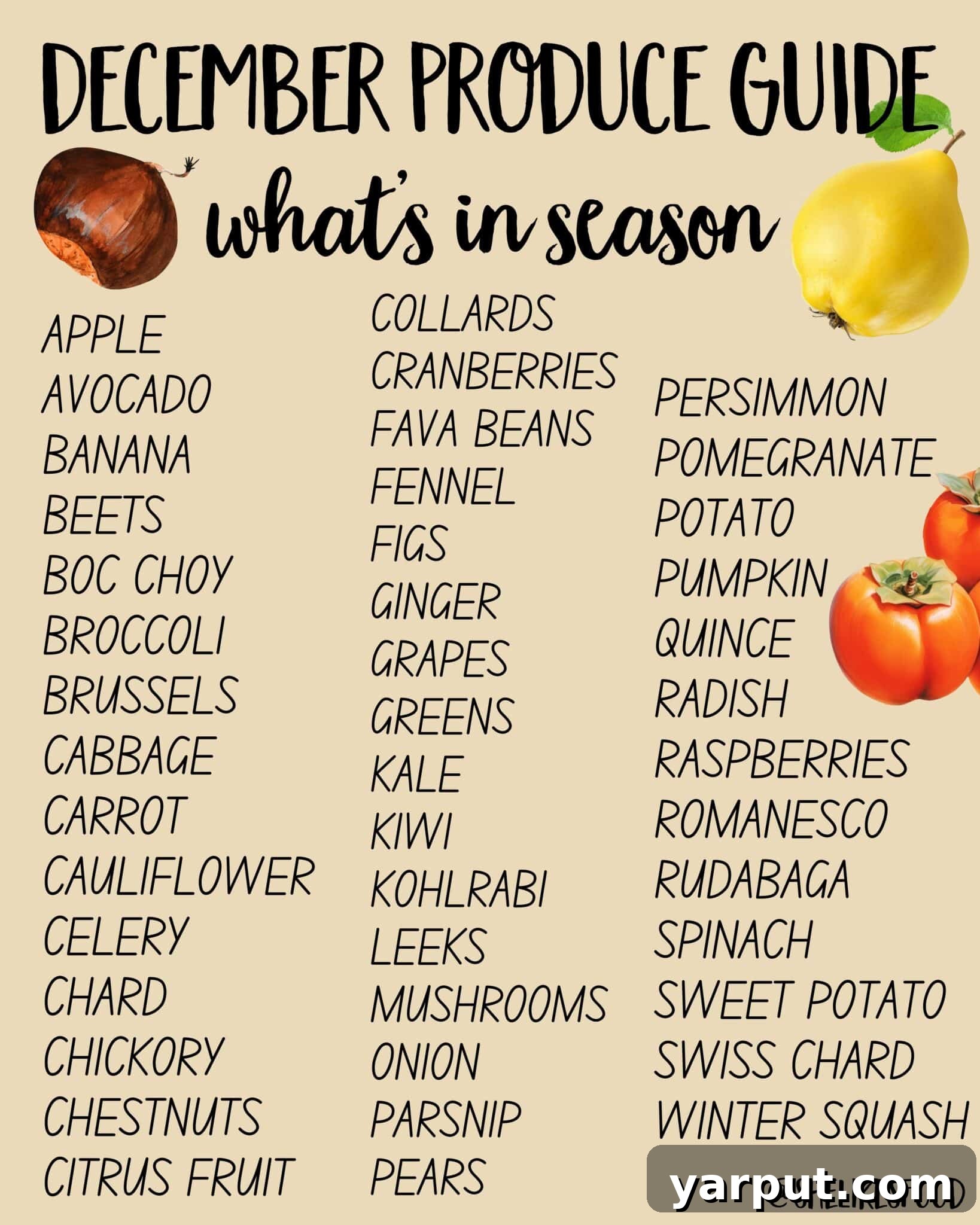
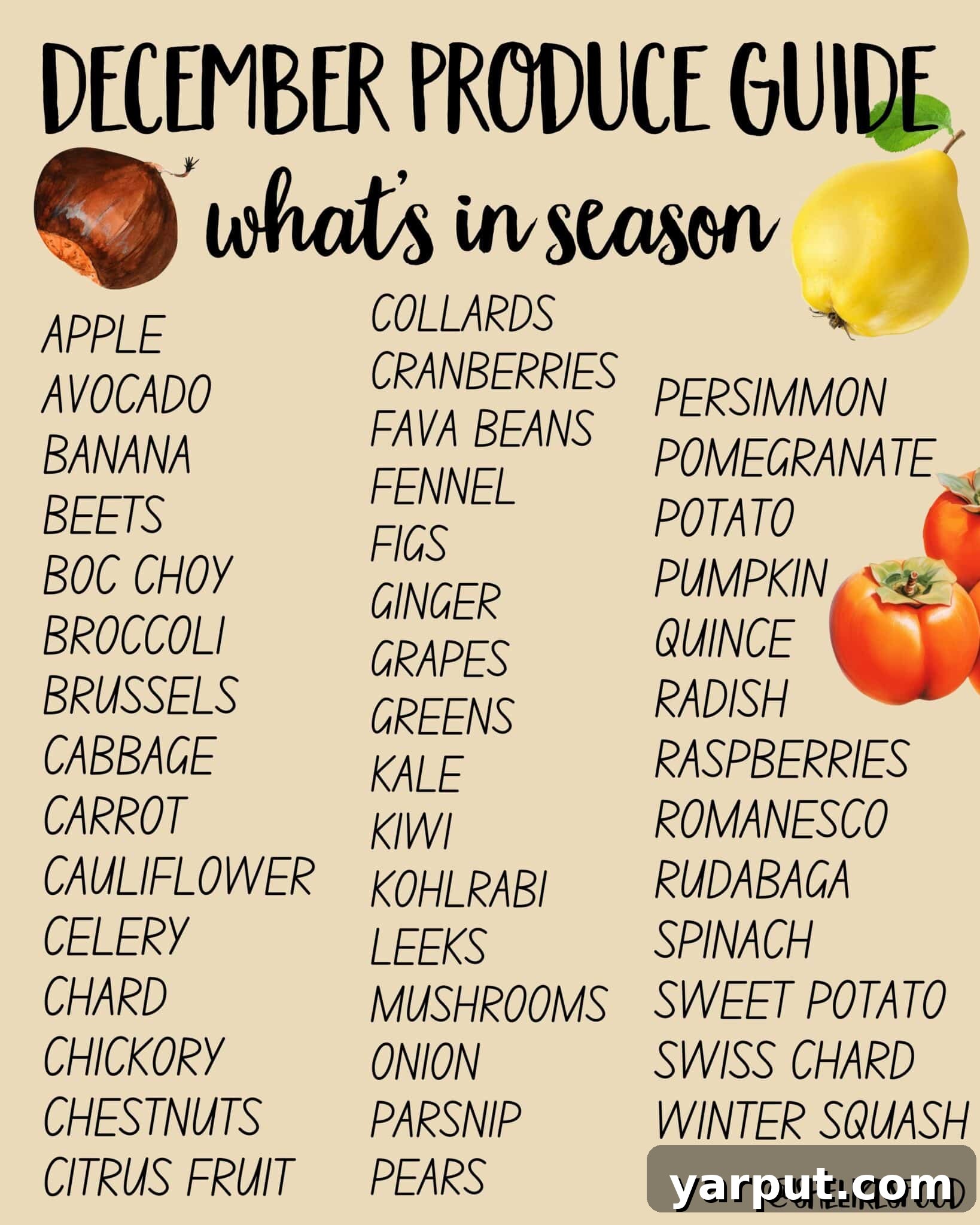
Welcome to our comprehensive December Produce Guide! It feels incredible to have reached the final month of the year, bringing with it a unique set of seasonal delights. This month’s selection shares many similarities with November’s offerings, with delightful additions like fresh chestnuts making an appearance. While extensive outdoor gardening may pause during this colder period, you might still find resilient kale and parsley thriving. Crucially, your local farmer’s markets remain a treasure trove, brimming with the freshest in-season fruits and vegetables, offering a direct connection to your regional bounty.
A heartfelt thank you to everyone who has followed our seasonal produce guides over the past year! It has been a genuine pleasure curating these resources, and we sincerely hope you’ve found them informative and inspiring. We are thrilled to announce our commitment to continue these guides into the new year, with plans to revisit and enhance each previous post. Expect updated nutritional insights and exciting new recipe links for every month. So, if you’ve enjoyed discovering the wonders of seasonal eating, be sure to keep following along in 2025 for even more delicious and healthy inspiration!
P.S. Please remember that growing seasons can vary significantly across different regions. What’s perfectly in season in one area might not be available or at its peak in another. Always check with your local markets and growers to find the freshest, most delicious produce near you.
Below, we’ve spotlighted some of our favorite winter produce items, complete with detailed insights into their health benefits, versatile culinary uses, and essential tips for selection and storage. Each section also includes links to fantastic recipes to inspire your winter cooking adventures!
DECEMBER PRODUCE GUIDE: Embracing Winter’s Bounty
APPLES: A Winter Sweetness
Apples, belonging to the elegant Rosaceae family alongside pears, peaches, and even almonds, are a true year-round favorite. While often associated with the vibrant colors of autumn, several late-season apple varieties flourish well into winter, gracing our tables with their crisp texture and balanced sweetness. Varieties like Honeycrisp, Braeburn, and Cortland are perfect examples, offering exceptional flavor and crunch during these colder months. Apples are incredibly versatile, seamlessly transitioning between sweet and savory dishes. They lend a refreshing sweetness and a delightful textural contrast when added raw to salads or slaws. Cooked, they transform beautifully, adding depth to baked oatmeal, muffins, stuffing, or even savory roasts. Their ability to hold shape and flavor makes them a culinary superstar.
The age-old adage, “An apple a day keeps the doctor away,” speaks volumes about the incredible health benefits packed into this common fruit. Apples are a powerhouse of essential nutrients, providing an excellent source of vitamin C, dietary fiber, and a wide array of antioxidants. These components work synergistically to support overall health. The soluble fiber, specifically pectin, is known to help lower “bad” LDL cholesterol levels, contributing to cardiovascular health. Furthermore, apples contribute to a healthy digestive system, promoting regularity and satiety, which can aid in maintaining a healthy weight. Rich in flavonoids, powerful antioxidants, apples are also celebrated for their anti-inflammatory properties. These compounds may help reduce inflammation throughout the body, including in the brain, potentially lowering the risk of neurodegenerative diseases like Alzheimer’s. When selecting apples, look for firm, unblemished fruit. Store them in the refrigerator to maximize freshness and extend their shelf life, ideally in a crisper drawer away from strong-smelling foods.

Caramelized Apple and Peanut Butter Baked Oatmeal Cups
Refreshing Kale Salad with Apples
Fennel and Apple Slaw
Easy Apple Crisp Breakfast Bowls
Easy Apple Pie Bites
BEETS: Earthy & Nutritious Roots
Beets are vibrant root vegetables belonging to the Chenopodioideae family, which also includes other nutrient-dense greens like spinach and Swiss chard. Most commonly recognized for their striking deep red hue, beets also come in beautiful yellow, white, and striped varieties, each offering a slightly different flavor profile. Both the root and the leafy greens are edible and highly nutritious, capable of being enjoyed raw or cooked. The root’s earthy sweetness makes it incredibly versatile; try grating it raw into salads for a pop of color and crunch, or roasting slices until tender for a meaty texture perfect in warm bowls. Beets can also be pickled, steamed, juiced, or even fried into crispy chips. Their distinctive earthy flavor, balanced with a subtle sweetness, pairs wonderfully with citrus, goat cheese, and fresh herbs.
Beyond their culinary appeal, beets are celebrated for a remarkable array of health benefits. They are particularly renowned for their ability to support cardiovascular health, largely due to their high concentration of nitrates. These natural compounds convert to nitric oxide in the body, which helps relax and widen blood vessels, leading to lower blood pressure and improved circulation. Beets are also fantastic for liver support and detoxification, aiding in the body’s natural cleansing processes. Their rich fiber content promotes healthy digestion and gut regularity. Packed with antioxidants, vitamin C, choline, and vitamin K, beets contribute to overall well-being, from boosting immunity to supporting bone health. As root vegetables, they are often considered “grounding,” providing a sense of stability and connection. When selecting beets, look for firm, smooth roots with vibrant greens attached (if applicable). Store the greens and roots separately in the refrigerator; the roots can last for several weeks in a cool, dark place or the crisper drawer.
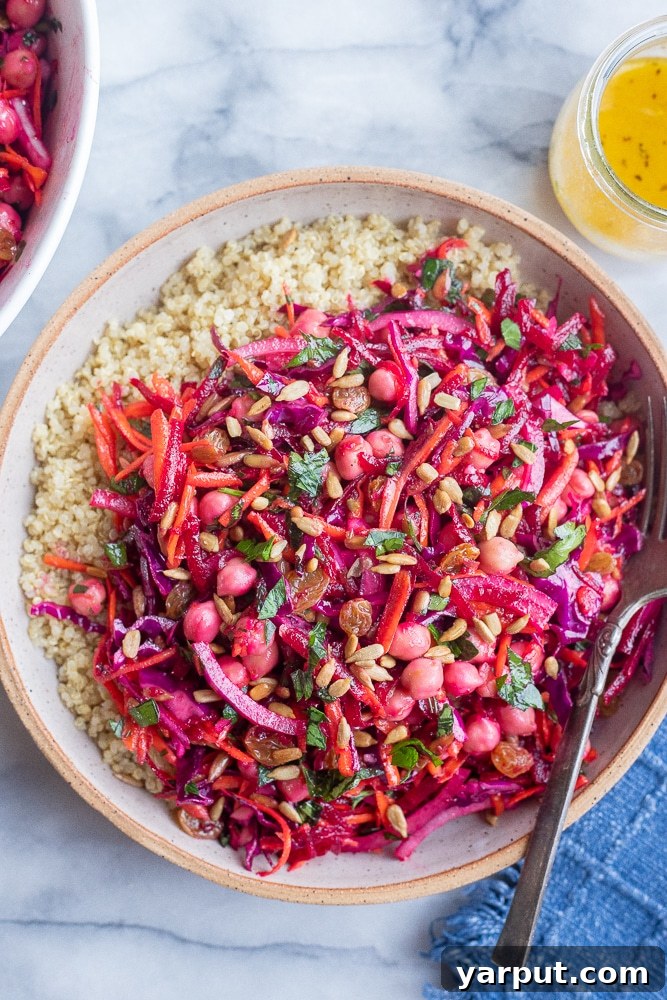
Beet and Carrot Salad with Chickpeas
Goat Cheese Beet and Balsamic Puff Pastry Bites
Beet and Cherry Smoothie
Vegan Beet Burgers with Brown Rice
Roasted Beet Chickpea and Black Rice Bowls
Healthier Chocolate Cupcakes with Raspberry and Beets
BROCCOLI: The Mighty Green Florets
Broccoli is a beloved cruciferous vegetable, part of the extensive mustard family that includes cabbage, Brussels sprouts, and kale. While several varieties exist, Calabrese broccoli is the most common type found and consumed in the United States, recognized by its large green head and thick stalk. Broccoli’s versatility in the kitchen is unmatched; it can be enjoyed raw, providing a crisp bite, or cooked in numerous ways: roasted to bring out its nutty sweetness, steamed for a tender texture, or stir-fried for a quick and healthy meal. For convenience, chopping raw broccoli into bite-sized florets and adding them to salads or keeping steamed or frozen broccoli on hand to toss into pasta, curries, or stir-fries are excellent ways to incorporate this powerhouse vegetable into your diet regularly.
Broccoli truly is a nutritional powerhouse, offering a wealth of health benefits that make it a cornerstone of a healthy diet. It is brimming with antioxidants, which play a critical role in combating oxidative stress and reducing unwanted inflammation throughout the body. A single cup of broccoli contains nearly as much vitamin C as an orange, making it a fantastic immune booster, essential for warding off illnesses during the colder months. Furthermore, broccoli is an excellent source of dietary fiber, crucial for digestive health, promoting regularity, and contributing to feelings of fullness. It also provides vitamin K, vital for blood clotting and bone health, and sulforaphane, a potent compound with recognized cancer-fighting properties. When selecting broccoli, look for firm, compact heads with dark green or purplish-green florets, avoiding any yellowing. Store it unwashed in the refrigerator’s crisper drawer, loosely wrapped in a damp paper towel or perforated plastic bag, where it can last for several days to a week.

Chili Garlic Broccoli with Chickpeas
Tahini Roasted Broccoli
Crunchy Broccoli Salad with Maple Mustard Dressing
Veggie Packed Broccoli Cheddar Soup
Crunchy Baked Broccoli with Spicy Soy Sauce
Cheesy Broccoli Rice Casserole Bites
BRUSSELS SPROUTS: The Tiny Cabbage Gems
Brussels sprouts, charmingly resembling miniature cabbages, are members of the Brassicaceae (or cruciferous) family, sharing lineage with broccoli, cauliflower, and kale. These small, leafy green buds grow along a thick stalk, and while they’ve historically earned a bad rap for being “stinky” when overcooked, modern culinary approaches have transformed them into a highly sought-after delicacy. Brussels sprouts can be enjoyed both raw and cooked. Thinly shaved raw sprouts add a delightful crunch and peppery flavor to salads and slaws. However, their true magic often unfolds with cooking methods like roasting, sautéing, or even grilling, which caramelize their natural sugars and bring out a rich, nutty flavor. If steaming, ensure not to overcook and always season generously with salt, pepper, and perhaps a squeeze of lemon to enhance their taste.
As part of the cruciferous family, Brussels sprouts are veritable nutritional powerhouses, brimming with health-promoting compounds. They are an excellent source of dietary fiber, crucial for digestive health and promoting a feeling of fullness. Furthermore, they are packed with potent antioxidants, vitamin C (essential for immune function), and an exceptional amount of vitamin K (vital for bone health and blood clotting). Brussels sprouts also contain glucosinolates, which convert into isothiocyanates like sulforaphane, compounds extensively studied for their anti-inflammatory and potential cancer-fighting properties. These compounds can also contribute to detoxification pathways in the body. While incredibly healthy, some individuals may find cruciferous vegetables difficult to digest, especially when eaten raw. If you experience stomach upset, try consuming smaller portions or focusing on cooked preparations to ease digestion. When selecting Brussels sprouts, look for firm, compact, bright green sprouts. Store them unwashed in the refrigerator’s crisper drawer, where they can last for over a week, or even longer if still attached to the stalk.

Roasted Brussels Sprout Bowls with Honey Mustard Dressing
Lemon Pepper Roasted Brussels Sprouts
Shaved Brussels Sprout Salad
Easy Roasted Vegetable Pasta with Parmesan
BBQ Roasted Brussels Sprouts
CABBAGE: The Versatile Leafy Head
Cabbage is another staple cruciferous vegetable from the Brassica family, a relative of cauliflower, broccoli, and kale. Renowned for its dense, leafy heads, cabbage comes in various forms, most commonly green and purple, but also savoy and napa varieties, each with unique textures and slightly different flavor profiles. Green cabbage is firm and slightly peppery, while red cabbage offers a bolder color and a slightly sweeter taste. Napa cabbage is softer and milder, ideal for Asian-inspired dishes. Cabbage is incredibly versatile, whether enjoyed raw in crisp coleslaws and salads, or cooked down into tender, flavorful dishes. It can be sautéed, roasted, braised, or even fermented into sauerkraut, a traditional probiotic-rich food.
Beyond its culinary adaptability, cabbage is a nutritional powerhouse, brimming with essential vitamins and minerals. It is an excellent source of dietary fiber, which is crucial for promoting healthy digestion and maintaining gut health. Cabbage is also loaded with potent antioxidants, vitamin C (an immune system bolster), vitamin K (important for blood clotting and bone health), calcium, folate, and potassium. These nutrients collectively contribute to lowering blood pressure, enhancing immune function, and protecting the body against various diseases, including certain cancers, thanks to its glucosinolate content. As a low-calorie and high-fiber vegetable, cabbage is also an ideal food for those aiming to maintain a healthy weight. When selecting cabbage, choose heads that feel heavy for their size, with crisp, vibrant leaves. Store whole cabbage heads in the refrigerator’s crisper drawer, where they can last for several weeks. Once cut, wrap tightly in plastic wrap to prevent drying out.

Easy Sautéed Cabbage
Fried Cabbage and Noodles with Tofu
Noodles with Cabbage and Carrots
Halloween Salad with Rice and Veggies
Chickpea Salad with Cucumber and Cabbage
Holiday Salad with Cabbage and Kale
CARROTS: The Eye-Healthy Roots
Carrots, often considered a springtime root vegetable, are surprisingly available and delicious year-round, including throughout the winter months. While the familiar bright orange carrot is a supermarket staple, a stunning array of rainbow-colored varieties—purple, yellow, white, and red—can be found at farmer’s markets, each offering unique visual appeal and subtle flavor differences. Carrots vary in size and shape, from short and stout to long and slender. It’s worth noting that “baby carrots” commonly sold in bags are not a specific variety but rather regular-sized carrots peeled, cut, and shaped by machines. Carrots are incredibly versatile; they are excellent for snacking raw with hummus or ranch, adding crunch to salads and wraps, or incorporating into cooked dishes. They roast beautifully, sauté well, lend sweetness to soups and stews, and are famously baked into cakes and muffins, making them a true sweet-and-savory ingredient.
The long-held belief that carrots are good for your eyes is absolutely true, and backed by science! Carrots are exceptionally rich in beta-carotene, a powerful antioxidant that the body converts into vitamin A. Vitamin A is indispensable for maintaining healthy vision, particularly in low light conditions, and plays a vital role in overall eye health. Beyond vision, carrots are an excellent source of dietary fiber and other antioxidants. The fiber content supports a healthy digestive system, aiding in regularity and potentially lowering the risk of heart disease. Soluble fiber, specifically, binds to cholesterol particles in the digestive tract, helping to remove them from the body. Their antioxidant profile further protects cells from damage. When choosing carrots, look for firm, smooth roots with a vibrant color. If the green tops are still attached, they should look fresh and healthy. Store carrots in the coolest part of your refrigerator, ideally in the crisper drawer, without their green tops (which can draw moisture away from the roots), where they can stay fresh for several weeks.

Carrot and Chickpea Salad with Orange Maple Dressing
Roasted Carrot and Dill Hummus
Noodles with Cabbage and Carrots
Carrot Cake Muffins
Curried Sweet Potato Carrot and Red Lentil Soup
CAULIFLOWER: The Versatile White Florets
Cauliflower, another proud member of the cruciferous vegetable family, shares its botanical roots with broccoli, kale, and Brussels sprouts. While the common white cauliflower is most frequently seen and utilized, vibrant purple, yellow, and even green varieties are available, offering a visually stunning twist to your dishes. Though their tastes may vary subtly, all cauliflower types can generally be used interchangeably in recipes. Cauliflower’s remarkable adaptability is one of its most appealing qualities. It can be prepared in countless ways: roasted until beautifully caramelized, steamed to a tender crisp, charred for a smoky flavor, pureed into creamy soups or sauces, or even riced as a low-carb alternative. A particularly popular method, and often pictured, involves coating cauliflower florets in a crispy batter, baking them until golden, and then tossing them in a flavorful sauce to create delicious, bite-sized “wings” or stir-fry additions.
Cauliflower shares many of the profound health benefits characteristic of its cruciferous relatives, making it an incredibly valuable addition to any diet. It is a rich source of dietary fiber, promoting healthy digestion and contributing to gut health. Abundant in antioxidants, vitamin C (an immune system powerhouse), and vitamin K (essential for blood clotting and bone health), cauliflower supports numerous bodily functions. It also contains carotenoids and powerful compounds like sulforaphane, which have been extensively researched for their anti-inflammatory properties and potential role in lowering blood pressure and cholesterol. These compounds are also recognized for their detoxification support within the body. Similar to other cruciferous vegetables, some individuals might experience digestive discomfort when consuming raw cauliflower. If this is the case, opt for cooked preparations and start with smaller portions to allow your system to adjust. When selecting cauliflower, look for a firm, compact head with white, creamy florets and no significant discoloration. Store it unwashed in the refrigerator’s crisper drawer, where it can last for several days to a week.

Crispy Teriyaki Cauliflower
Golden Roasted Cauliflower with Coconut Curry Tahini Dressing
Cauliflower Parmesan
Buffalo Cauliflower Tacos with Ranch Slaw
Vegetarian Cauliflower Fried Rice
KALE: The King of Greens
Kale, often hailed as the “king of greens,” is a robust leafy vegetable belonging to the cruciferous family, known for its ability to thrive even in colder temperatures. This hearty green comes in a few distinct varieties, including curly kale with its ruffled edges, lacinato (or Tuscan) kale with its darker, more elongated leaves, and purple kale, adding a splash of color. Baby kale, a more tender version, has also gained popularity, offering a texture closer to spinach or delicate lettuce while still retaining kale’s nutritional punch. Kale is exceptionally versatile and can be enjoyed both cooked and raw. For raw preparations, such as in salads, “massaging” the kale with a little olive oil or dressing helps to tenderize the leaves, making them more palatable and easier to digest. Its robust nature means it holds up well in cooking; it wilts quickly, making it an excellent addition to soups, stir-fries, pasta dishes, or even baked into crispy kale chips.
Kale’s reputation as a “superfood” is well-deserved, stemming from its incredibly rich nutritional profile, making it a vital component of a healthy diet. Dark leafy greens like kale are crucial for overall well-being. Kale surpasses many other greens, containing four times more vitamin C than spinach and double the amount of selenium, both powerful antioxidants and immune supporters. It’s also an outstanding source of vitamin K, essential for blood clotting and promoting strong bones, and vitamin A, crucial for vision, skin health, and immune function. Furthermore, kale is packed with various minerals, including calcium, potassium, and manganese. Being low in calories and high in fiber, kale promotes satiety and supports digestive health, making it an excellent food for weight management. When selecting kale, look for firm, crisp leaves with a deep color. Avoid any yellowing or wilting. Store kale unwashed in the refrigerator, ideally in a plastic bag or wrapped in a damp paper towel, where it can remain fresh for up to a week.

The Best Kale Chips
Chopped Kale Power Salad with Lemon Tahini Dressing
Kale and White Bean Pasta with Parmesan
Garlicky Kale with White Beans and Lemon
Sunshine Kale Salad
LEMON: The Zesty Winter Citrus
Lemons, vibrant and aromatic citrus fruits, are a bright spot in the winter season, reaching their peak ripeness and flavor during the colder months. As members of the citrus family, lemons are technically berries but are universally enjoyed for their tart juice and fragrant zest. Keeping lemons readily available in the kitchen is a wise culinary practice, as they can elevate an astonishing variety of dishes, from brightening salads and soups to adding a zesty kick to pasta and marinades. A squeeze of lemon in your morning water is also a popular ritual believed to aid digestion and kickstart metabolism. Their tangy freshness is unparalleled for balancing rich flavors, cutting through fattiness, and enhancing the overall brightness of a meal. While lemons can take center stage in delicious desserts like lemon bars or tarts, they are equally indispensable as a seasoning, adding a touch of brilliance to savory preparations without overpowering them.
Lemons are not just a culinary staple; they are packed with numerous health benefits that contribute significantly to overall wellness. They are an exceptional source of vitamin C, a crucial antioxidant vital for maintaining a robust immune system, helping the body fight off infections and promoting rapid wound healing. Beyond immunity, lemons are known for supporting heart health by potentially lowering blood pressure and cholesterol levels, aiding digestion by stimulating bile production, and reducing the risk of kidney stones due to their citric acid content. Their alkalizing effect on the body, despite their acidic taste, also helps to balance pH levels. When selecting lemons, look for fruit that feels heavy for its size, indicating juiciness, and has smooth, brightly colored skin. Store them at room temperature for up to a week, or in the refrigerator’s crisper drawer for longer freshness, typically up to three to four weeks.

Homemade Blueberry Lemonade
Lemony White Bean Soup with Quinoa
Herby Lemon Jalapeno Pasta with Crispy Chickpea
Lemon Raspberry Baked Oatmeal
Lemon Dill Orzo Broccoli Salad
Lemon Tahini Chickpea Salad
PUMPKINS: The Quintessential Winter Gourd
Pumpkins, often associated with autumn holidays, are, in fact, incredibly versatile gourds belonging to the Cucurbitaceae family, with many varieties extending their season into winter. Far more than just decorative items, pumpkins are packed with an abundance of essential vitamins and nutrients, making them an excellent ingredient to integrate into your diet, whether you’re utilizing fresh whole pumpkins or convenient canned puree. They are particularly beneficial for immune health due to their high concentration of both Vitamin A (in the form of beta-carotene) and Vitamin C, offering a natural boost during the colder months. Additionally, pumpkin is low in calories and exceptionally high in fiber, making it an ideal food for promoting healthy digestion and contributing to satiety, which can assist in maintaining a healthy weight. Don’t overlook pumpkin seeds; these tiny powerhouses are rich in protein, zinc, magnesium, and healthy fats, offering a myriad of their own significant health advantages.
When cooking with pumpkins, fresh varieties can be prepared similarly to butternut squash—roasted, pureed, or steamed. However, for convenience and year-round availability, canned pumpkin puree is a staple in many kitchens. While most commonly used in beloved sweet recipes like the iconic Thanksgiving pumpkin pie, pumpkin is surprisingly adaptable to savory dishes. It adds a subtle sweetness and creamy texture to curries, chilis, and baked tacos, blending seamlessly with warm, earthy spices. Pumpkin flavors harmonize beautifully with seasonings such as cinnamon, nutmeg, ginger, cloves, cumin, and chili powder. Furthermore, roasting pumpkin seeds is an easy and delicious way to create a healthy, crunchy snack. Simply clean the seeds, toss them with a little oil and your favorite seasonings (salt, pepper, paprika, or cinnamon sugar), and bake until golden brown. When selecting a fresh pumpkin for cooking, look for smaller, denser varieties like sugar pumpkins or pie pumpkins, which have sweeter, less stringy flesh than larger carving pumpkins. Store whole, uncooked pumpkins in a cool, dry place for several weeks or even months.

Pumpkin Red Curry Chickpeas with Vegetables
Pumpkin Pinto Bean Taco Skillet
Soft Pumpkin Cookies with Orange Glaze
Vegetarian Pumpkin Chili with Black Beans
Vegan Pumpkin Queso Dip
RADISHES: The Peppery Crunch
Radishes, sprightly members of the mustard family, offer a delightful peppery bite and crisp texture that can invigorate winter dishes. While most commonly recognized for the small, round, vibrant red varieties found in grocery stores, radishes encompass a diverse range of types, including elongated daikon radishes, black radishes, and French breakfast radishes, each offering distinct flavors and appearances. Red radishes are typically enjoyed raw, providing a refreshing spice when thinly sliced and added to salads, sandwiches, or tacos. However, their culinary potential extends further; radishes can be pickled for a tangy kick, grilled to mellow their sharpness and develop a slight sweetness, or roasted in the oven, which transforms their pungent flavor into something softer and more earthy. Their versatility makes them a surprising and welcome addition to many meals.
Despite their small size, radishes pack an impressive nutritional punch, contributing significantly to a healthy diet. Just half a cup of sliced radishes delivers approximately 14% of the daily recommended dose of vitamin C, making them an excellent immune-boosting food, particularly beneficial during the cold season. They are also a good source of dietary fiber, with half a cup containing about 1 gram, which aids in supporting a healthy digestive system and promoting regularity. Radishes possess natural antifungal properties, which can help in maintaining a balanced gut flora. Moreover, with only about 9 calories per cup and virtually no fat, radishes are a fantastic choice for healthy weight management, offering a satisfying crunch and flavor without excess calories. Their high water content also contributes to hydration. When selecting radishes, look for firm, smooth roots with bright, fresh-looking greens (if attached). Store them unwashed in the refrigerator, with greens removed (as they draw moisture), in a plastic bag or container to maintain their crispness for several days.

Roasted Radishes with Garlic and Herbs
Veggie Sushi Bowls with Quick Pickled Radishes
Crunchy Ranch Salad with Crispy Quinoa
Loaded Black Bean Salad
Salt and Vinegar Potato Salad
Roasted Sweet Potato Black Bean Salad with Kale
SWEET POTATOES: The Comforting Root
Sweet potatoes, beloved for their comforting sweetness and vibrant colors, are members of the morning glory family, a distinct botanical group from regular potatoes. These versatile root vegetables come in several appealing colors, including the familiar orange, rich red, and striking purple varieties, each offering subtle differences in flavor and texture. As root vegetables, sweet potatoes grow beneath the soil, while their edible greens flourish above ground, though the actual potato tuber is far more commonly consumed. Sweet potatoes are incredibly adaptable in the kitchen. One of the most popular ways to enjoy them is roasting: diced into chunks or sliced into “fries,” then tossed with spices and baked until tender and caramelized. They also mash beautifully, creating a creamy side dish, or can be baked whole like a traditional potato and adorned with your favorite savory or sweet toppings. Their natural sweetness also makes them a fantastic ingredient for baked goods like pies, muffins, and breads.
Sweet potatoes are celebrated not only for their delicious taste but also for their profound health benefits, making them a cornerstone of nutritious eating. They are exceptionally rich in vitamin A (primarily as beta-carotene), which is vital for vision, immune function, and skin health. They also provide a significant amount of vitamin C, potassium, and various B vitamins. Crucially, sweet potatoes are an excellent source of dietary fiber, offering both soluble and insoluble forms. This combination is highly beneficial for digestive health, promoting regularity, supporting a healthy gut microbiome, and helping to regulate blood sugar levels. The potassium and magnesium content in sweet potatoes can contribute to reducing blood pressure and lowering the risk of stroke. Notably, purple sweet potatoes contain anthocyanins, powerful antioxidants that give them their distinctive color and are known to help reduce inflammation in the brain, potentially lowering the risk of developing memory issues later in life. When selecting sweet potatoes, choose firm, unblemished roots that feel heavy for their size. Store them in a cool, dark, well-ventilated place (not the refrigerator) where they can last for several weeks.

Roasted Sweet Potato Hummus Wraps with Honey Mustard
Sheet Pan Sweet Potato Fajitas with Black Beans
Roasted Sweet Potato Hash
Vegan Sloppy Joe Stuffed Sweet Potatoes
Sweet Potato Pie Bars
WINTER SQUASH: Hearthy & Wholesome
When we talk about winter squash, we’re referring to a delightful and diverse group of gourds from the Cucurbitaceae family, including popular varieties like butternut, acorn, spaghetti, delicata, and red kuri. These hearty vegetables are perfectly suited for colder temperatures, growing robustly and possessing impressively long shelf lives, making them ideal for winter storage. Winter squash varieties differ in their skin characteristics: some, like butternut squash, have thick, tough skin that requires peeling before cooking, while others, such as delicata squash, boast tender, edible skins that can be left on, adding convenience and nutritional value. In my opinion, winter squash truly shines when cooked. Roasting brings out their natural sweetness and creates a tender, flavorful base for bowls, salads, or wraps. They also excel in warming soups, stews, and curries, adding a creamy texture and depth of flavor. Spaghetti squash is particularly unique, offering stringy, noodle-like flesh that makes an excellent low-carb pasta substitute.
Vegetables in the squash family are incredibly nutritious, packed with an array of vitamins, minerals, and antioxidants that support overall health. They are excellent sources of dietary fiber, promoting healthy digestion and contributing to a feeling of fullness. Winter squash is notably rich in vitamin A (often in the form of beta-carotene), which is crucial for healthy vision, immune function, and skin integrity. They also provide significant amounts of vitamin C, important for immunity, and potassium, essential for blood pressure regulation and muscle function. The antioxidants present in squash, including carotenoids, play a vital role in combating free radicals in the body, which can damage cells and contribute to chronic diseases. These compounds also help reduce inflammation and bolster the immune system. Furthermore, winter squash is generally low in calories and high in fiber, a beneficial combination for maintaining a healthy weight. When selecting winter squash, choose varieties that are firm, heavy for their size, and free of soft spots or blemishes. Store them in a cool, dry place, where many varieties can last for several weeks or even months.

Roasted Delicata Squash Salad
Acorn Squash Breakfast Bowls
Easy Roasted Butternut Squash Soup
Spicy Peanut Spaghetti Squash Bowls
Butternut Squash Chili with Black Beans