
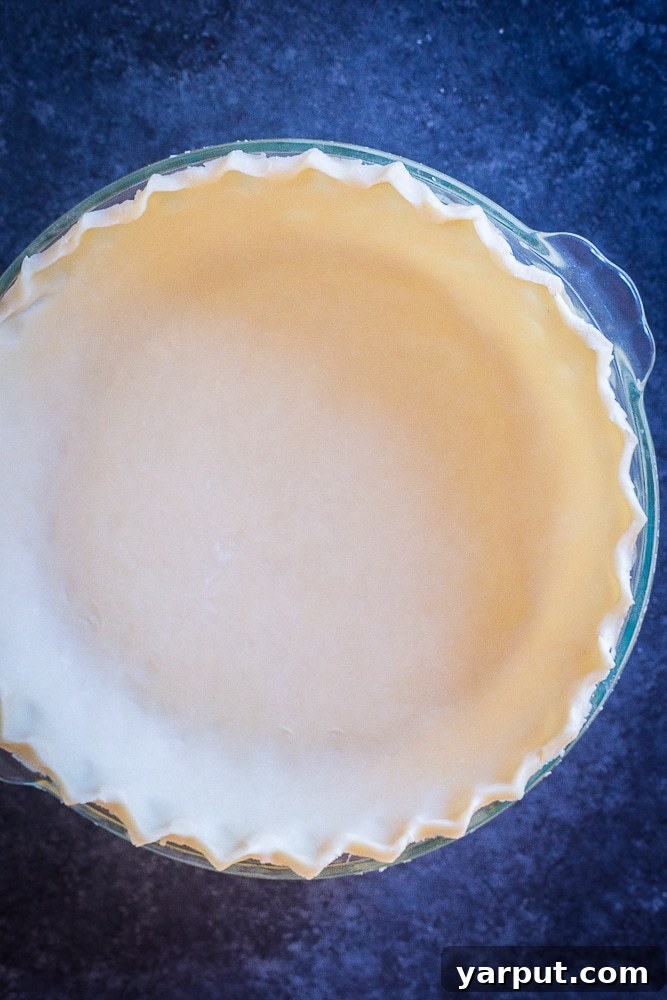
This perfect Coconut Oil Pie Crust is flaky and delicious, made with coconut oil instead of butter, and so easy to make.
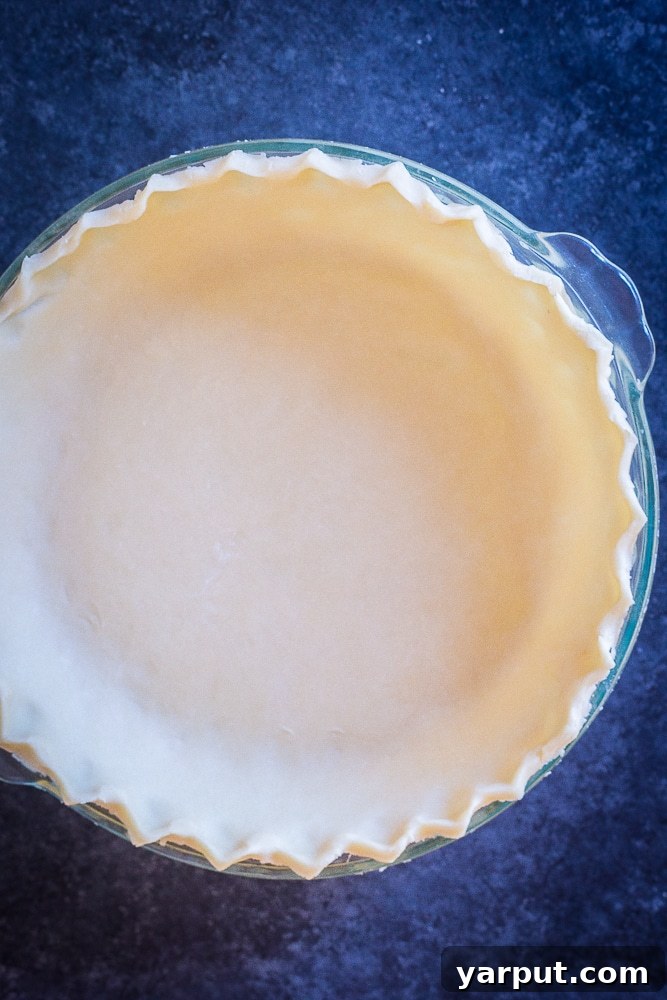
The Ultimate Flaky Coconut Oil Pie Crust: Your Go-To Dairy-Free Recipe
For years, I believed that making homemade pie crust was an intimidating, difficult task best left to seasoned bakers or, more realistically, to the freezer aisle of the grocery store. The thought of achieving that perfectly flaky, tender texture seemed daunting. However, after much experimentation, I’m thrilled to share a revelation: making a delicious, truly flaky pie crust from scratch is not only easy but also incredibly rewarding. This particular recipe for a **Perfect Coconut Oil Pie Crust** shatters those myths, proving that a healthier, dairy-free alternative can be just as, if not more, delightful than its traditional counterparts.
My journey into baking with coconut oil has been a delightful one, especially over the past year. As someone who enjoys exploring healthier baking options without sacrificing taste or texture, coconut oil quickly became a staple. It offers a wonderful richness and contributes to an unbelievably tender and flaky crust that rivals any butter or shortening-based recipe. Plus, knowing it’s a dairy-free and often vegan-friendly option makes enjoying your favorite pies feel even better. This recipe isn’t just a substitute; it’s a delicious upgrade for your baking repertoire.
Why Choose Coconut Oil for Your Pie Crust?
Opting for coconut oil in your pie crust brings a multitude of benefits. Beyond being a fantastic dairy-free and vegan alternative, coconut oil is known for its unique fat structure, which can contribute to an exceptionally flaky texture similar to that achieved with cold butter. When properly incorporated into the flour, the solid pieces of coconut oil melt during baking, creating pockets of steam that lift the layers of dough, resulting in that coveted airy, crisp flakiness.
Healthier Indulgence
Compared to hydrogenated shortenings or even butter, coconut oil is often seen as a healthier fat source, particularly when using unrefined, organic varieties. It’s free from trans fats and offers a unique fatty acid profile. For those with dairy sensitivities or following a vegan diet, this **dairy-free pie crust** is an absolute game-changer, allowing everyone to enjoy homemade pies without compromise.
Flavor Profile: Refined vs. Unrefined
One common question about baking with coconut oil is the flavor. If you love a subtle hint of coconut, unrefined (virgin) coconut oil will impart a delicate, aromatic essence to your crust. However, if you prefer a neutral taste that lets your pie filling shine, refined coconut oil is your best friend. It undergoes a processing method that removes the coconut flavor, making it a versatile choice for any sweet or savory pie, ensuring your apple pie tastes like apple, and your quiche tastes like quiche!
Demystifying the Art of Pie Crust Making
The secret to a truly perfect pie crust isn’t some elusive baking magic; it’s all about understanding a few key principles and having the right ingredients. This recipe has been tested multiple times to ensure it’s not only delicious but also incredibly foolproof. You’ll find it adapts beautifully to both sweet and savory fillings, making it a truly versatile foundation for all your baking adventures. With these step-by-step photos and detailed instructions, you’ll feel confident in creating a masterpiece every time.
Essential Ingredients for Your Flaky Coconut Oil Pie Crust
Crafting the ideal pie crust begins with a few simple, quality ingredients. Each plays a crucial role in achieving that desirable flaky texture and rich flavor.
- All-Purpose Flour: The foundation of our crust. All-purpose flour provides the necessary structure. For those with gluten sensitivities, a good quality gluten-free all-purpose flour blend can be successfully substituted. Ensure your gluten-free blend contains xanthan gum or add a small amount separately for elasticity.
- Salt: A pinch of salt enhances the flavor of the crust, balancing the sweetness in dessert pies and complementing savory fillings. Don’t skip it!
- Granulated Sugar: Essential for sweet pies, sugar adds a touch of sweetness and helps with browning. If you’re making a savory pie, you can omit the sugar or reduce it significantly to a mere teaspoon, as it also aids in tenderness.
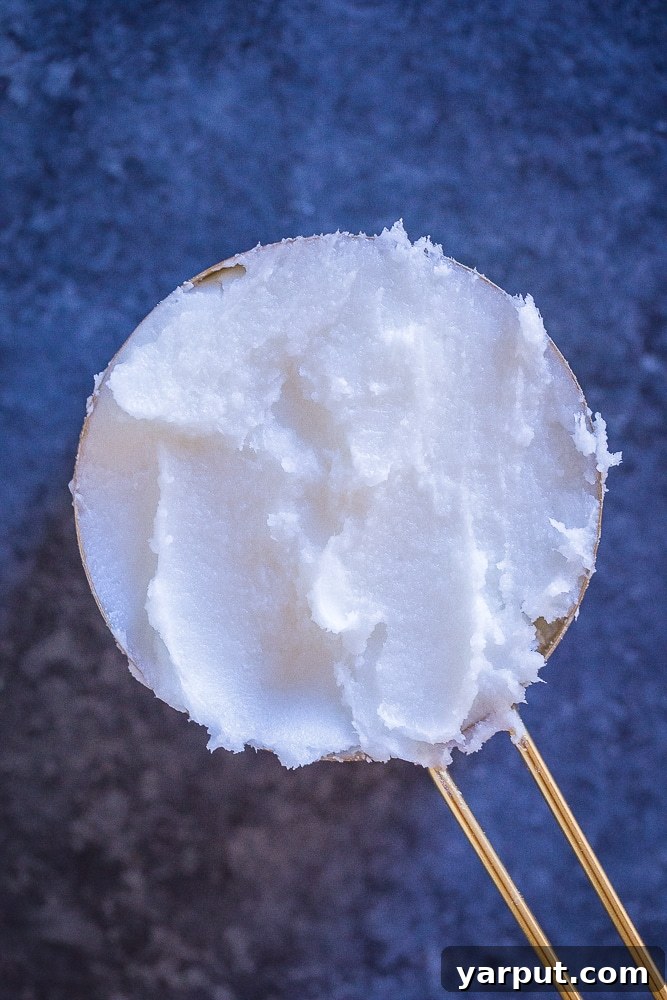
- Room Temperature Coconut Oil: This is key! Your coconut oil should be soft enough to spread easily, but not melted or liquid. This consistency allows it to be properly incorporated into the flour, creating pockets of fat that result in flakiness. Use refined coconut oil if you prefer no coconut flavor, or unrefined for a subtle tropical note.
- Ice-Cold Water: Crucial for a tender crust. Cold water prevents the gluten in the flour from developing too much, which can lead to a tough crust. It also helps keep the coconut oil solid in small pieces, promoting flakiness. Don’t use merely cold tap water; true ice-cold water is a must.
Expert Tips for a Flawless Coconut Oil Pie Crust
Achieving a perfectly flaky and tender pie crust might seem like a grand culinary achievement, but with these simple yet effective tips, you’ll master it in no time. Precision in technique, especially with temperature, is your best friend here.
- **Temperature is Key for Coconut Oil:** The coconut oil must be at room temperature, solid but soft and spreadable. Imagine the consistency of soft butter – you should be able to press into it easily. If it’s too cold and hard, it won’t incorporate properly, leading to a lumpy dough. If it’s melted, it will saturate the flour, resulting in a dense, tough crust.
- **Truly Ice-Cold Water is Non-Negotiable:** This cannot be stressed enough. Cold water slows down gluten development, which is vital for tenderness. It also helps the coconut oil stay in small, distinct pieces, which will later create those desirable flaky layers as they melt and release steam during baking. Use water straight from the fridge with a few ice cubes, removing the cubes just before adding.
- **Don’t Overwork the Dough:** Overworking the dough develops gluten, leading to a tough, chewy crust instead of a tender, flaky one. Mix just until the dough comes together. In a food processor, this means stopping as soon as a ball begins to form. When handling by hand, use gentle motions.
- **Adding Water Gradually:** Whether using a food processor or mixing by hand, add the ice-cold water one tablespoon at a time. Dough consistency can vary based on humidity and flour type. You’re looking for the dough to just come together and hold its shape. It should be moist but not sticky.
- **Checking Dough Consistency:** In a food processor, the dough is ready when it starts to gather into a ball around the blade. If mixing by hand, pinch a small amount; if it holds together without crumbling, it’s done. If it’s too dry, add a tiny bit more water. If it feels too wet and sticky, a sprinkle of extra flour during the ball-forming stage can help.
- **Chilling the Dough is Beneficial:** While this recipe can be used immediately, chilling the dough for at least 30 minutes (or up to an hour) in the refrigerator allows the gluten to relax and the fats to firm up. This makes the dough easier to roll out and contributes to a flakier crust.
- **Roll on a Floured Surface:** Always roll out your dough on a lightly floured surface to prevent sticking. Use a rolling pin with even pressure, working from the center outwards, rotating the dough frequently.
- **Pre-Baking (Blind Baking) for Wet Fillings:** For pies with very wet fillings (like quiches or fruit pies that release a lot of liquid), blind baking the crust beforehand is highly recommended. This prevents a soggy bottom. Prick the bottom with a fork, line with parchment paper, fill with pie weights or dried beans, and bake until lightly golden.
- **Storing Leftover Dough:** This recipe yields two crusts, perfect for a double-crust pie or two single-crust pies. If you’re not using both immediately, wrap the unused dough disc tightly in plastic wrap. It will keep well in the refrigerator for up to a week or frozen for up to three months.
- **Bring Stored Dough to Room Temperature:** If you’ve refrigerated or frozen your dough, let it sit at room temperature for about 30-60 minutes before rolling. This will make it pliable and prevent cracking.
Looking For More Delicious Pie Recipes?
Once you’ve mastered this amazing coconut oil pie crust, you’ll be ready to fill it with all sorts of delicious creations. Here are some fantastic pie recipes to inspire your next baking project:
- Sweet Potato Pie Bars
- Easy Apple Pie Bites
- Creamy Vegan Pot Pie
- BBQ Shepherds Pie with Chickpeas and Lentils
- Curried Vegetable Pot Pie {Vegan}

Perfect Coconut Oil Pie Crust
- Author: She Likes Food
- Prep Time: 20 minutes
- Cook Time: 30+ minutes (varies with pie filling)
- Total Time: Approximately 50 minutes + chilling
- Yield: 2 Crusts
- Diet: Vegan, Dairy-Free
- Category: Dessert, Vegetarian
- Method: Oven
- Cuisine: American
Description
This delicious, incredibly flaky, and easy-to-make pie crust uses coconut oil as its fat, making it a perfect dairy-free and vegan option for any sweet or savory pie creation. Say goodbye to tough, bland crusts and hello to homemade perfection!
Ingredients
- 3 1/4 cups all-purpose flour (or a suitable gluten-free blend)
- 1 teaspoon salt
- 1 tablespoon granulated sugar (optional, for sweet pies; omit or reduce for savory)
- 1 cup room temperature coconut oil (solid but soft; use refined for neutral taste, unrefined for subtle coconut flavor)
- 6-8 tablespoons ice-cold water (start with 6 and add gradually until dough forms)
Instructions
- In a food processor, combine the flour, salt, and granulated sugar (if using). Pulse a few times until just mixed.
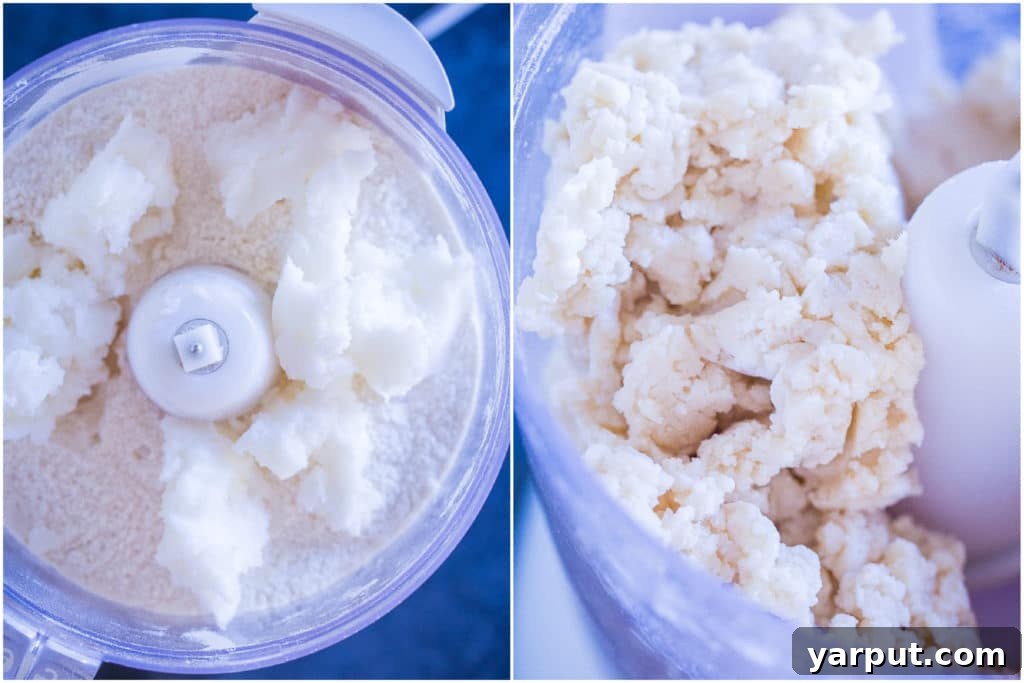
- Add the room temperature coconut oil to the food processor. Pulse several times until the mixture resembles coarse crumbs with some pea-sized pieces of coconut oil remaining. It should not be a uniform paste.
- With the food processor running on low, gradually add the ice-cold water, one tablespoon at a time, through the feed tube. Stop adding water as soon as the dough begins to clump together and form a ball. For reference, you might use around 8 tablespoons, but this can vary. It’s crucial not to overmix; stop as soon as it comes together into a cohesive dough.
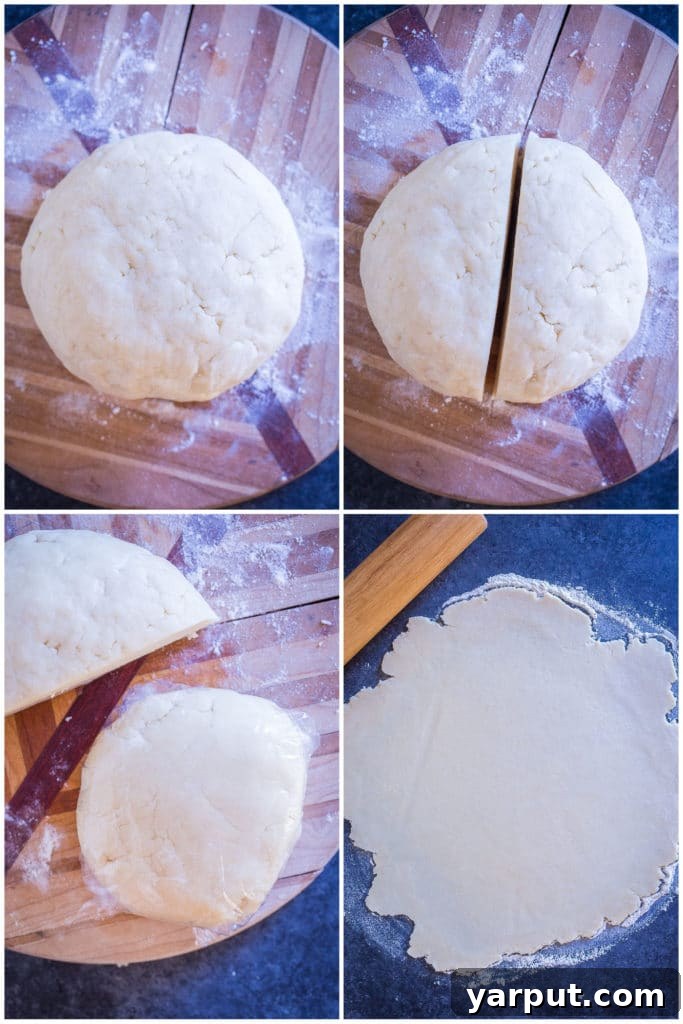
- Carefully transfer the pie dough onto a lightly floured cutting board or clean counter. Use your hands to gently gather and form the dough into a cohesive ball. Avoid excessive kneading to maintain tenderness.
- Divide the dough ball in half. Each half will form one pie crust.
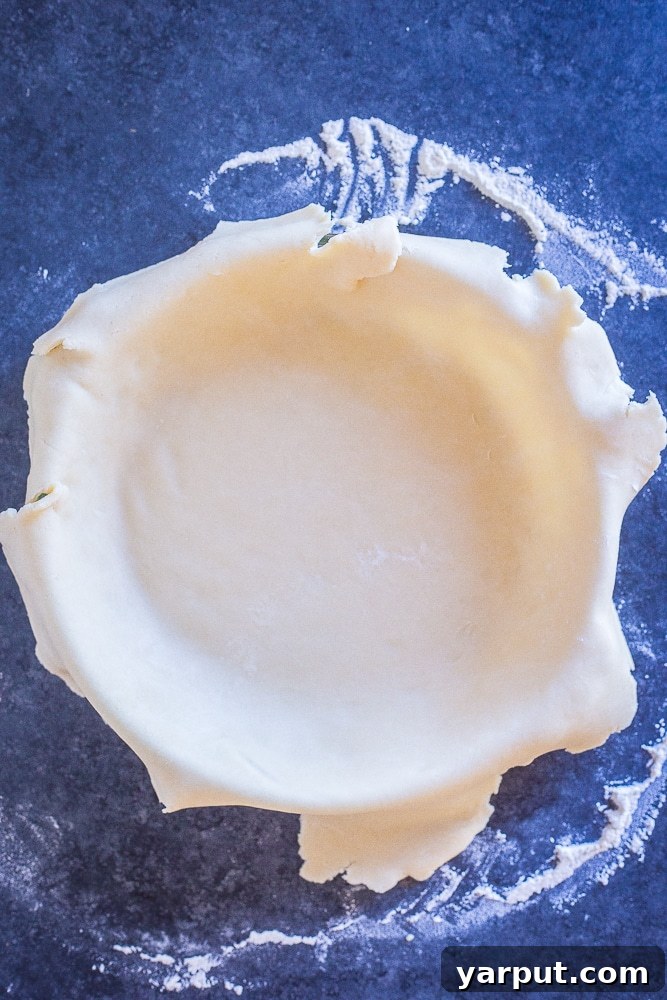
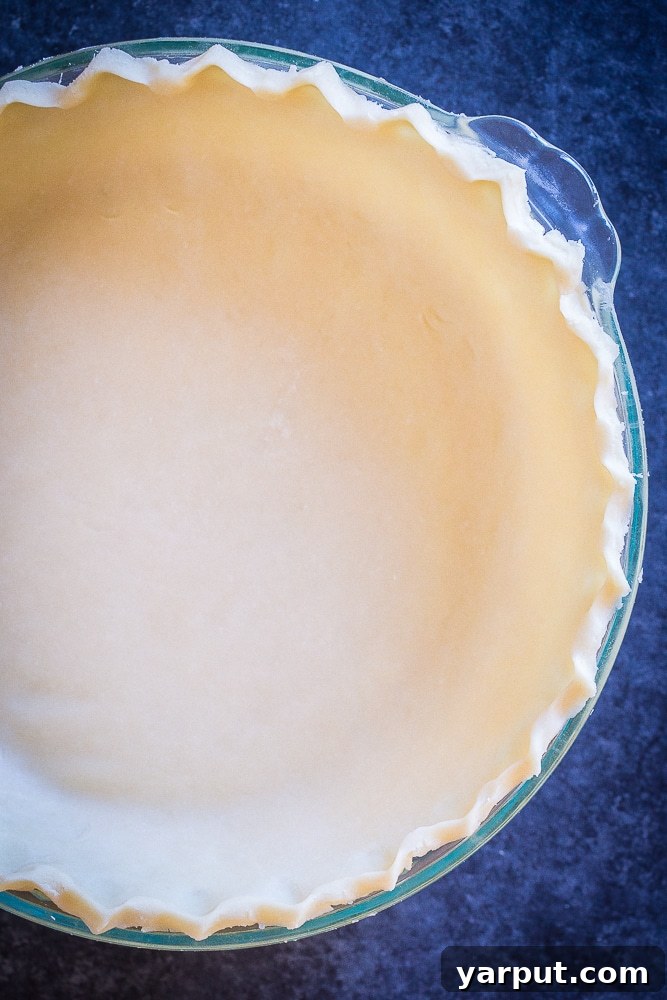
- To use immediately: Place one half of the dough on your lightly floured surface. Using a rolling pin, roll the dough out evenly into a circle approximately 1/8 inch thick and about 2 inches wider than your pie pan. Carefully transfer the rolled dough into your pie pan, pressing it gently into the bottom and sides. Trim any excess dough from the edges, leaving about a 1/2-inch overhang. You can crimp the edges as desired. Fill with your chosen pie filling and bake according to your pie recipe’s instructions. If using a second crust for a top, repeat the rolling process with the other half of the dough.
- To save the dough for later: Form each half of the dough into a flat disc. Wrap each disc tightly in plastic wrap to prevent air exposure. You can store the dough in the refrigerator for up to one week or freeze it for up to three months.
- Before using stored dough: If refrigerated or frozen, allow the dough to sit at room temperature for 30-60 minutes (longer if frozen) until it softens and becomes pliable enough to roll without cracking.
Nutritional Information
Please note: Nutritional information is an estimate and will vary based on specific ingredients used and portion sizes. For precise details, please consult a professional nutritionist or use a reliable nutrition calculator.
(Detailed nutritional information is not provided here to comply with the request for only static HTML and removal of dynamic content.)
Made this recipe?
We’d love to see it! Share your creation on Instagram and tag @shelikes.food with the hashtag #shelikesfood.
Frequently Asked Questions About Coconut Oil Pie Crust
Q: Can I use cold, solid coconut oil straight from the fridge?
A: It is highly recommended to use room temperature coconut oil, solid but spreadable, not cold and rock-hard. Cold coconut oil will not incorporate evenly into the flour, leading to an inconsistent dough texture and potentially a less flaky crust. Allow it to sit out for a while until it reaches the desired consistency.
Q: My dough is too sticky/too dry. What did I do wrong?
A: Dough consistency can be sensitive. If it’s too sticky, you might have added too much water. You can try adding a tiny bit more flour (a tablespoon at a time) when you’re forming the ball by hand to absorb excess moisture. If it’s too dry and crumbly, you likely need more water. Add ice-cold water half a tablespoon at a time, pulsing gently in the food processor or mixing with your hands, until it just comes together.
Q: Do I need a food processor to make this?
A: While a food processor makes this recipe incredibly quick and easy, it’s not strictly necessary. You can achieve similar results by hand using a pastry blender or two knives to cut the coconut oil into the flour until it resembles coarse crumbs. Then, gradually add the ice-cold water and mix until the dough just comes together, being careful not to overwork it.
Q: Can I use this crust for savory pies like quiche or pot pie?
A: Absolutely! This coconut oil pie crust is incredibly versatile. For savory applications, simply omit the granulated sugar or reduce it to just a teaspoon (which helps with browning and tenderness without adding noticeable sweetness). The neutral flavor of refined coconut oil makes it perfect for savory fillings.
Q: How do I prevent my pie crust from getting soggy?
A: For pies with very wet fillings, “blind baking” (or pre-baking) your crust is essential. To do this, prick the bottom of the crust all over with a fork, line it with parchment paper, and fill with pie weights or dried beans. Bake at a moderate temperature (e.g., 375°F/190°C) for 15-20 minutes, then remove the weights and paper and bake for another 5-10 minutes until lightly golden. This creates a barrier against moisture.