
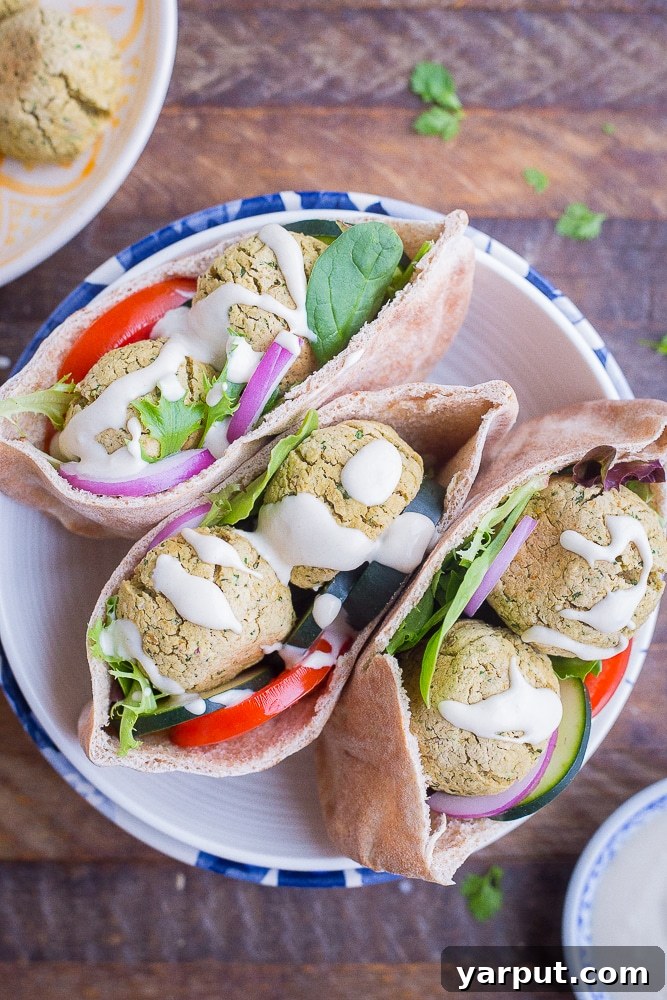
Discover the secret to making incredibly flavorful and wholesome falafel right in your own kitchen! This Easy Homemade Falafel Recipe is your go-to solution for satisfying those Mediterranean cravings without ever having to leave home. Perfect for stuffing into warm pitas, crumbling over fresh salads, or serving as a delightful appetizer, these falafels are packed with authentic taste and are surprisingly simple to prepare. Get ready to elevate your meal game with this delicious, baked falafel recipe that’s sure to become a family favorite.
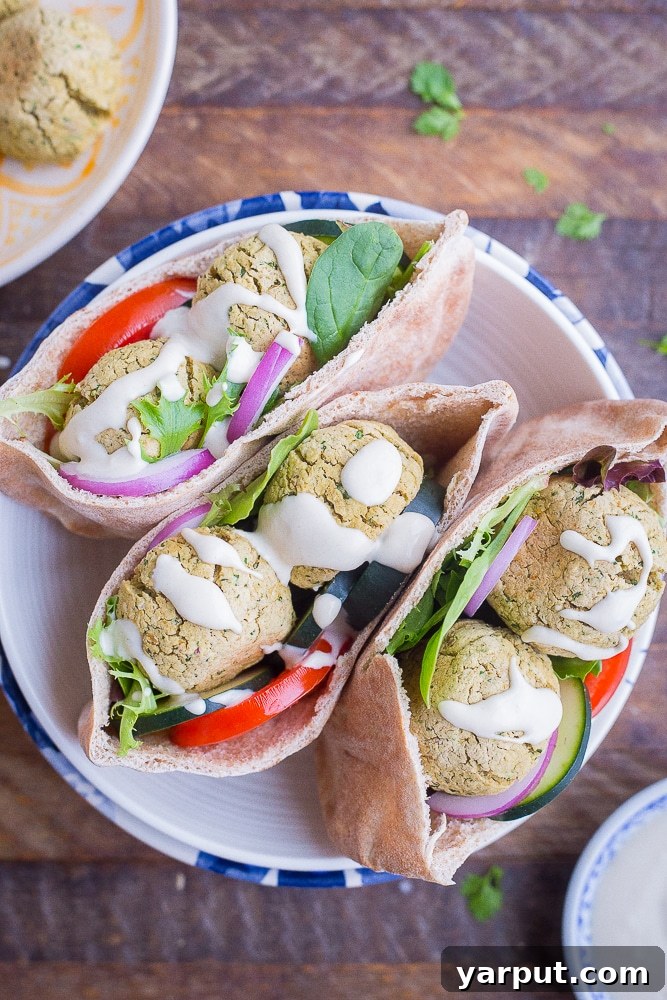
Falafel holds a special place in my culinary heart. For years, my only experience with this Middle Eastern delicacy was limited to dining out or grabbing a quick take-away. However, with the creation of this incredibly straightforward and delectable Easy Homemade Falafel Recipe, I’ve unlocked the ability to enjoy this cherished dish whenever the craving strikes. Many assume that the rich, complex flavors of falafel would be challenging to replicate at home, requiring specialized skills or exotic ingredients. But let me assure you, this recipe demystifies the process, proving that making truly delicious falafel from scratch is not only accessible but genuinely easy!
There’s nothing quite like biting into a warm, crispy falafel, bursting with aromatic herbs and spices. While traditionally deep-fried to achieve its signature crunch, this recipe offers a healthier, baked alternative that still delivers on flavor and texture, using significantly less oil. Whether you’re a seasoned chef or a novice in the kitchen, you’ll find joy in crafting these golden-brown patties or balls that can transform a simple meal into an exotic feast.
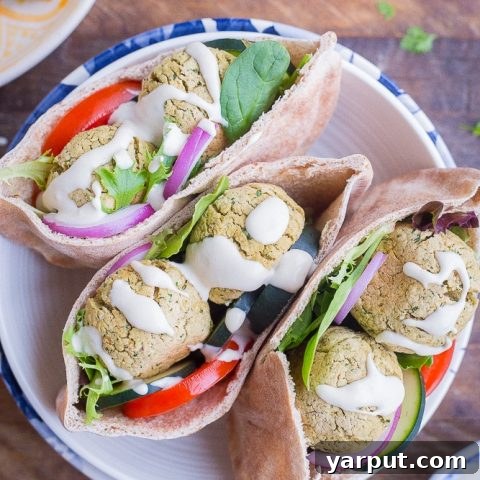
My personal favorite way to savor these homemade falafels is nestled inside a soft, warm pita pocket, generously filled with crisp, fresh vegetables and drizzled with a rich, tangy tahini sauce. But the versatility of falafel doesn’t stop there! They make an excellent protein-packed topping for a vibrant salad, adding depth and substance to your greens. Alternatively, serve them as a charming appetizer alongside your favorite dips and crudités, as I’ve explored in my Butternut Squash Falafel Recipe. The possibilities are truly endless, making falafel a fantastic addition to any meal plan.
What Exactly Is Falafel? Unpacking This Middle Eastern Delight
At its core, falafel is a revered Middle Eastern staple, a culinary masterpiece crafted from ground chickpeas (or sometimes fava beans), a vibrant medley of fresh herbs, and a symphony of aromatic spices. The process typically involves grinding the raw or soaked chickpeas, then blending them with fresh cilantro, parsley, potent garlic, savory onion, and a carefully selected blend of spices. This flavorful mixture is then skillfully shaped into small patties or balls, ready for cooking.
Historically, and in many traditional eateries, falafel is deep-fried. This method is praised for creating a beautifully crispy exterior that encases a wonderfully soft and moist interior. However, in my pursuit of a healthier, equally delicious alternative, I’ve opted to bake my falafel. While baked falafel may not achieve the exact same level of deep-fried crispness, it offers an incredibly satisfying texture and rich flavor, all while using significantly less oil. This makes it a fantastic option for those seeking a more health-conscious meal without compromising on taste.
Falafel is most commonly enjoyed tucked into a warm, fluffy pita bread, serving as the star of a hearty sandwich. The experience is often elevated with a generous drizzle of a creamy, flavorful sauce. My personal preference leans towards a zesty lemon tahini sauce, which provides a bright, nutty counterpoint to the earthy falafel. However, tzatziki, a refreshing yogurt-based sauce with cucumber, dill, and lemon juice, is another popular and equally delicious choice. To complete the ultimate falafel pita sandwich, I love to add a colorful array of fresh vegetables such as crisp cucumber, juicy tomatoes, thinly sliced onion, and crunchy lettuce. Beyond the pita, falafel also shines when scattered atop a fresh green salad, offering a wholesome and satisfying vegetarian meal.
Essential Ingredients for Your Perfect Homemade Falafel Recipe
Crafting exceptional falafel begins with selecting the right ingredients. This simple list focuses on fresh, readily available components that contribute to the authentic and vibrant flavors of this dish:
- Garbanzo Beans (Chickpeas): For ultimate convenience, I rely on canned chickpeas, thoroughly drained and rinsed. While traditional falafel often starts with dried chickpeas soaked overnight, using canned ones is a fantastic shortcut that doesn’t sacrifice flavor. If you prefer the traditional route, remember to soak dried chickpeas for at least 12-24 hours before blending – do not cook them before blending, as the raw chickpeas are crucial for the right texture.
- Fresh Vegetables: These provide the foundational aromatics and fresh crunch. The falafel mixture itself incorporates finely chopped fresh garlic and white onion for depth. For serving, don’t forget crisp lettuce, ripe tomatoes, red onion, and cool cucumber to stuff into your pitas.
- Vibrant Herbs: Fresh cilantro and parsley are non-negotiable. They impart the signature bright, herbaceous notes that define falafel. Use a generous amount for maximum flavor.
- Aromatic Spices: Ground cumin is the star spice, offering earthy warmth. Adjust salt and pepper to your taste. For an added kick, a pinch of cayenne pepper can elevate the flavor profile. Consider a dash of ground coriander for extra depth.
- Flour: Just two tablespoons of all-purpose flour act as a binder, helping the falafel hold its shape. For those with dietary restrictions, a gluten-free all-purpose flour blend works perfectly here, making this an easily adaptable recipe.
- Additional Ingredients for Serving: Beyond the falafel itself, you’ll want to have gluten-free pita bread (if needed) ready for assembling your sandwiches.
- Tahini: This rich sesame paste forms the base of our essential sauce. The quality of tahini varies significantly, with some brands being noticeably bitter. Always taste-test your tahini before preparing the sauce to ensure a smooth, pleasant flavor. Look for tahini made from hulled sesame seeds for a creamier, less bitter result.
- Fresh Lemon Juice: The juice of half a large lemon adds a crucial bright acidity to the tahini sauce, cutting through its richness and enhancing all the flavors.
- Baking Powder: A small amount of baking powder is key to giving the baked falafel a lighter, slightly airy texture, preventing them from becoming too dense.
- Olive Oil: Used for brushing the falafel before baking, it helps achieve a lovely golden-brown exterior and adds a subtle richness.
- Water: Essential for achieving the perfect creamy consistency in your tahini sauce.
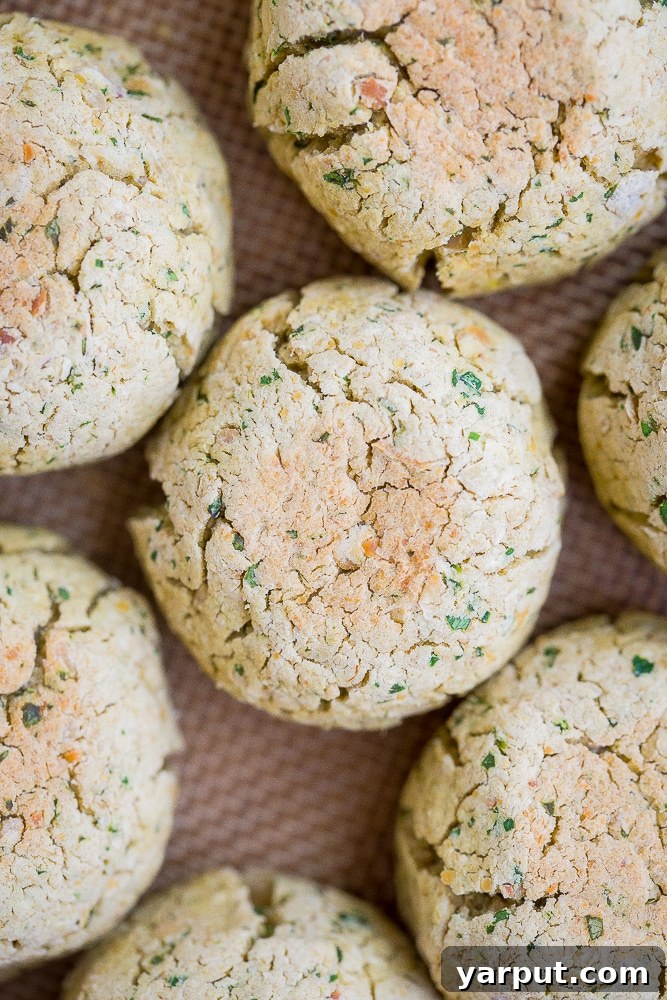
Step-by-Step Guide: How to Make Your Easy Baked Falafel
Making delicious falafel at home is far simpler than you might imagine. While traditional recipes often call for soaking dried chickpeas overnight, I’ve found a convenient shortcut that yields fantastic results every time, especially for those busy weeknights when you forget to plan ahead! This method utilizes canned chickpeas, streamlining the process without compromising on authentic flavor or satisfying texture. Here’s how you can prepare your own batch of delightful homemade falafel:
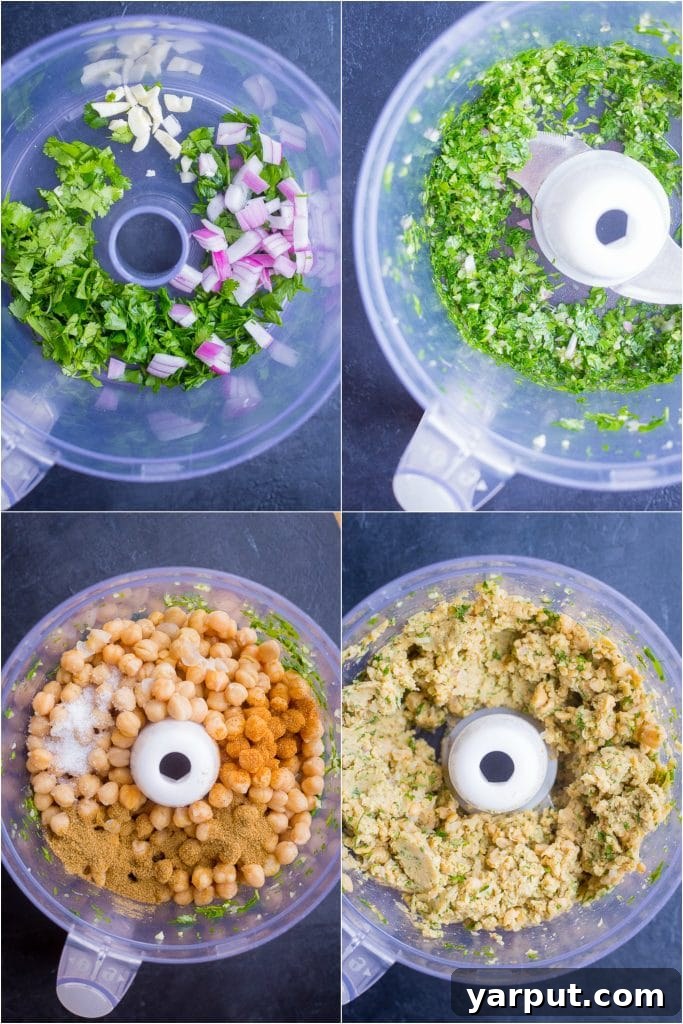
- Prepare the Falafel Mixture: Begin by preheating your oven to 375°F (190°C). In the bowl of a food processor, combine the fresh parsley, cilantro, garlic, and onion. Pulse until these ingredients are finely chopped. Next, add the drained and rinsed canned garbanzo beans, cumin, salt, and cayenne pepper (if using) to the food processor. Blend until everything is thoroughly broken down but not completely pureed. You’re aiming for a coarse, crumbly texture, similar to a thick paste with some small chickpea pieces remaining. Now, sprinkle in the flour and baking powder. Blend again until the mixture comes together and starts to form a ball. You may need to pause and scrape down the sides of the food processor bowl a few times to ensure everything is evenly combined. This step is crucial for achieving the right consistency that will hold together during baking.
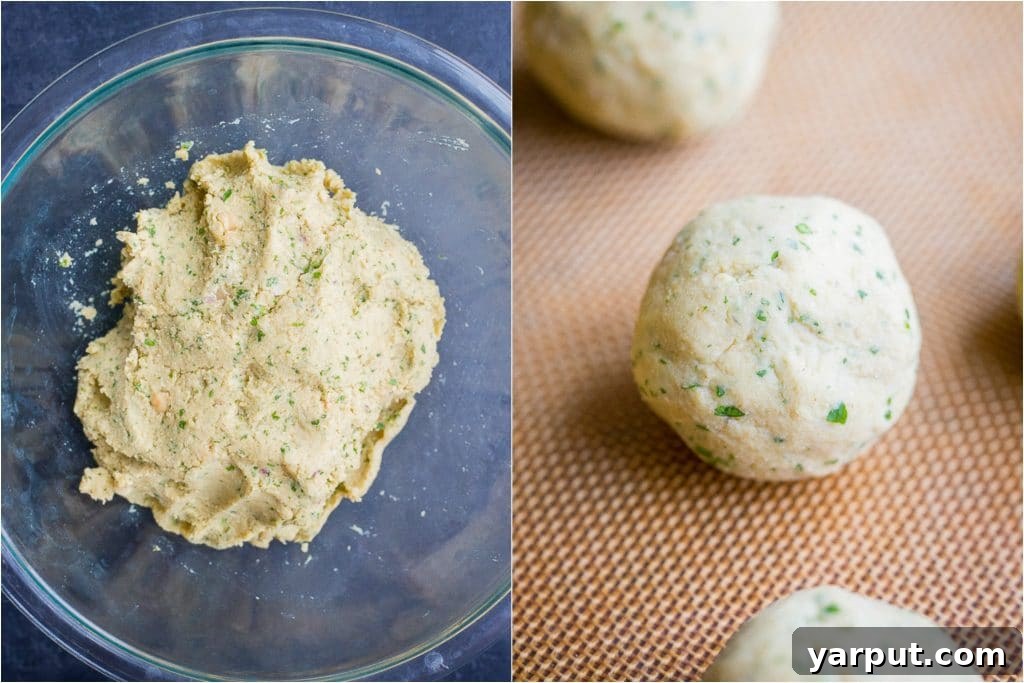
- Form and Bake the Falafel: Line a large baking sheet with parchment paper to prevent sticking and aid in easy cleanup. Using your hands or a small cookie scoop, form the falafel mixture into uniform balls or small patties. The size is entirely up to your preference; I typically use about 1 tablespoon of mixture per falafel, which results in approximately 14 pieces. Arrange the formed falafels evenly on the prepared baking sheet. Lightly brush the top of each falafel with olive oil. Bake in the preheated oven for 25-30 minutes, or until they are beautifully golden brown and firm to the touch. For even cooking and browning, remember to flip the falafels halfway through the baking time.
- Whip Up the Creamy Tahini Sauce: While your falafels are baking to perfection, prepare the essential lemon tahini sauce. In a small bowl, combine the tahini, fresh lemon juice, and salt to taste. Begin whisking vigorously, gradually adding 5 to 7 tablespoons of water, one tablespoon at a time, until the sauce reaches a smooth, creamy, and pourable consistency. The amount of water needed may vary depending on the thickness of your tahini. Taste and adjust seasoning as necessary. This bright and tangy sauce is the perfect accompaniment to your warm falafel.
- Serve and Enjoy: Once the falafels are golden and cooked through, remove them from the oven. If desired, immediately serve these delightful homemade falafels tucked into warm pita bread with your choice of fresh vegetables (such as lettuce, tomato, onion, and cucumber) and a generous drizzle of the homemade lemon tahini sauce. They are also fantastic served on top of a fresh salad or simply enjoyed on their own as a savory snack or appetizer.
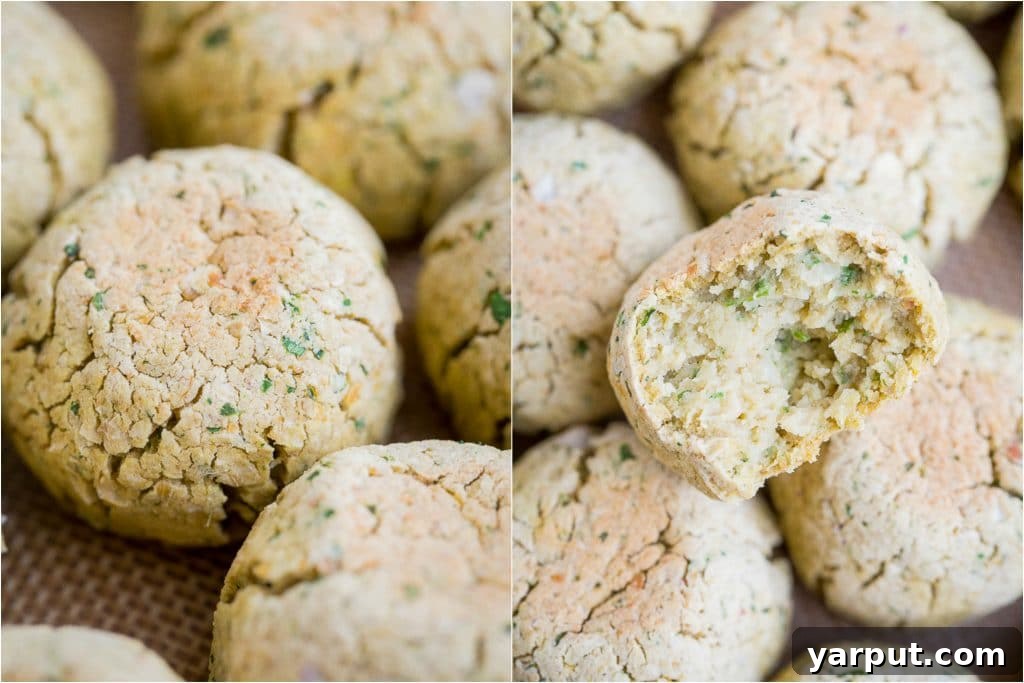
Expert Tips for Your Best Baked Falafel Recipe
Making falafel at home is a rewarding experience, and with a few insider tips, you can ensure your baked falafel turns out perfectly every time. These suggestions will help you achieve optimal texture, flavor, and convenience.
- Enhance Texture with Chilling: While my falafel mixture typically holds together well, for an even firmer and easier-to-handle consistency, consider preparing the falafel mixture ahead of time. After blending, transfer the mixture to an airtight container and refrigerate it for at least 30 minutes, or even overnight. Chilling allows the flavors to meld and the mixture to firm up slightly, making it less sticky and easier to form into balls or patties.
- Exploring the Frying Option: Although this recipe focuses on a healthier baked version, you can certainly fry these falafel balls for a more traditional crispy outcome. If you choose to fry, fill a deep pot with about 1-2 inches of neutral oil (like canola or vegetable oil) and heat it to around 350-375°F (175-190°C). Carefully drop the falafel into the hot oil, frying in batches to avoid overcrowding the pan. Fry for 2-4 minutes per side, or until golden brown and cooked through. Since I primarily bake my falafel, I recommend researching specific oil temperatures and frying times for best results if you choose this method.
- Optimal Storage and Reheating: Cooked falafel remains fresh and delicious in an airtight container in the refrigerator for 3-4 days. To enjoy leftovers, I highly recommend reheating them. Pop them back into a preheated oven (around 350°F / 175°C) for 10-15 minutes, or until warmed through and slightly crisped. This helps restore their texture, making them almost as good as fresh. A quick reheat in an air fryer also works wonders for extra crispness!
- Perfecting Your Tahini Sauce: As mentioned, falafel is traditionally paired with a creamy tahini or tzatziki sauce. I always keep quality tahini and fresh lemons on hand, as they are staples for my lemon tahini sauce. To ensure your tahini sauce is smooth and not too bitter, start with a good quality tahini (often lighter in color indicates better quality). Gradually add cold water while whisking; this helps emulsify the sauce and prevents it from seizing. Adjust the consistency to your liking – thicker for dipping, thinner for drizzling. Don’t be shy with the lemon juice and salt, as they bring the sauce to life.
- Achieving Uniformity: For consistently cooked falafel, try to make all your balls or patties roughly the same size. Using a measuring spoon or a small ice cream scoop can help ensure uniformity.
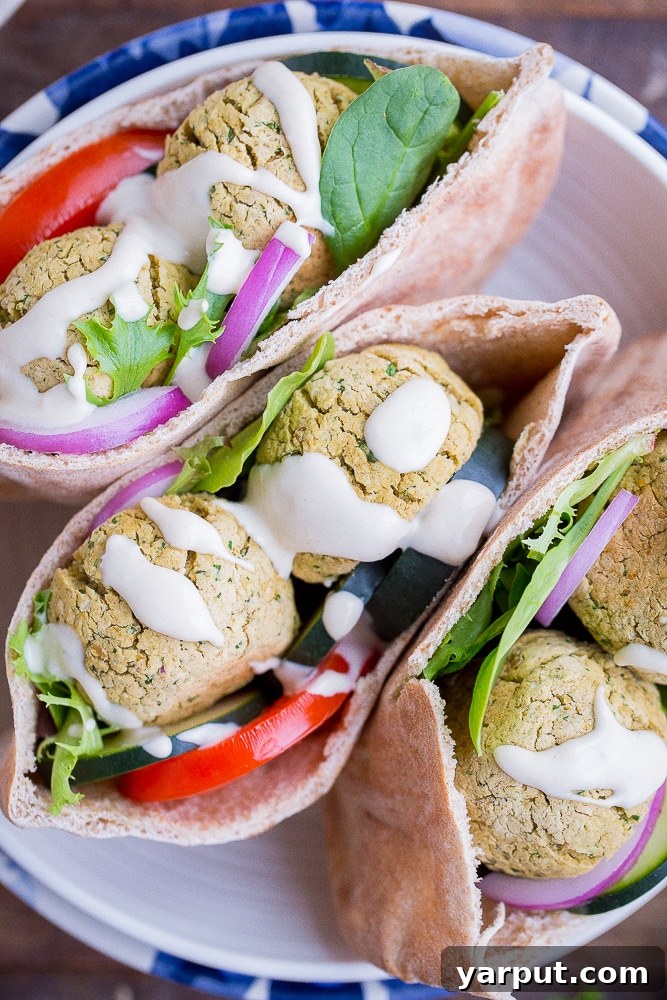
While I prefer shaping my falafel mixture into neat, round balls – they fit so perfectly into a pita pocket – feel free to get creative! You can also form the mixture into flatter patties, which can be an excellent alternative, especially if you decide to pan-fry them. Thin patties cook quickly and evenly in a frying pan with a little oil, offering another delicious texture option that’s crispier than baking but uses less oil than deep-frying. Experiment with different shapes to find what best suits your serving style and preference.
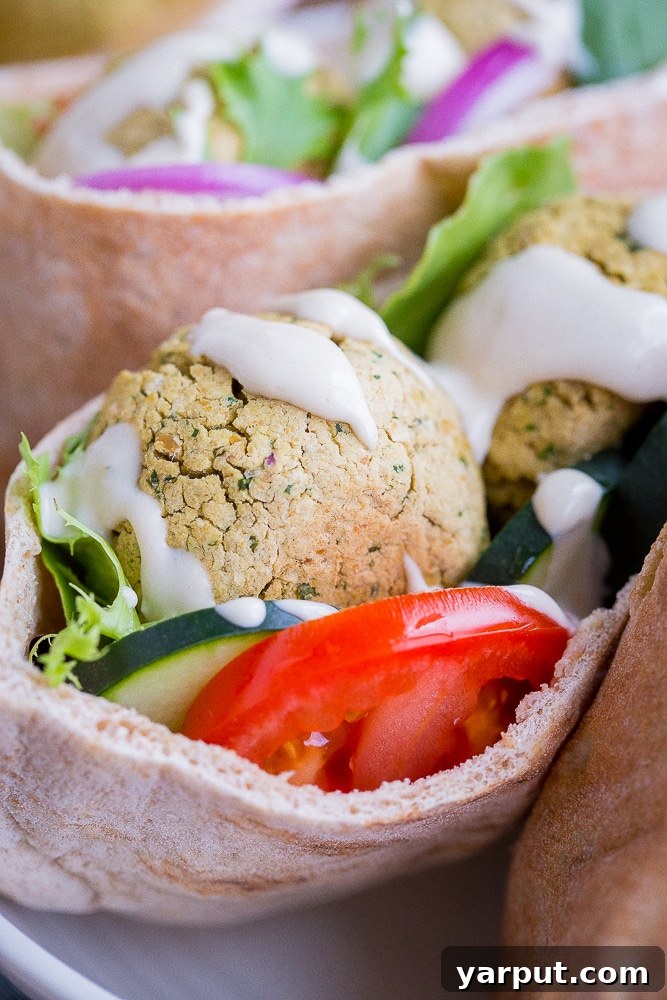
Creative Ways to Enjoy Your Homemade Falafel
Once you’ve mastered this easy homemade falafel recipe, you’ll discover a world of culinary possibilities. Falafel is incredibly versatile and can be incorporated into various meals, offering a burst of flavor and a satisfying texture.
- The Quintessential Falafel Pita Sandwich: This is perhaps the most classic way to enjoy falafel. Warm your pita bread gently, then generously stuff it with 3-4 fresh falafel balls. Layer with a vibrant mix of chopped cucumbers, tomatoes, red onion, and shredded lettuce. Don’t forget a generous dollop of homemade tahini sauce, and for an extra kick, a drizzle of hot sauce or a sprinkle of sumac. Add some pickled turnips or hummus for an authentic Middle Eastern street food experience.
- Wholesome Falafel Salad Bowls: Transform your falafel into a nutritious and filling salad. Arrange your baked falafel over a bed of mixed greens, quinoa, or couscous. Add other Mediterranean-inspired ingredients like Kalamata olives, feta cheese (or a vegan alternative), roasted red peppers, and a sprinkle of fresh mint. Drizzle with a lemon-herb vinaigrette or extra tahini sauce for a complete meal.
- Appetizer Platter Perfection: Falafel makes an excellent addition to any mezze platter or appetizer spread. Serve them alongside classic dips like hummus, baba ghanoush, or labneh. Add some fresh pita wedges, olives, and an assortment of raw vegetables for dipping. They’re perfect for entertaining or a casual snack.
- Falafel Wraps and Bowls: Get creative with wraps using large tortillas, lavash bread, or even lettuce cups for a low-carb option. Build falafel bowls with a base of rice, grains, or roasted vegetables, then top with falafel, sauces, and your favorite toppings like pickled onions, fresh herbs, or a dollop of plain yogurt.
- Falafel Burger Patties: If you prefer a heartier meal, form the falafel mixture into larger patties and serve them in burger buns with all your favorite fixings. This makes for a fantastic vegetarian burger option.
No matter how you choose to enjoy them, these homemade falafels are sure to bring a taste of the Middle East to your table, offering a delicious and healthy option for any occasion.
Frequently Asked Questions About Homemade Falafel
Here are some common questions about making this easy homemade falafel:
- Can I use dried chickpeas instead of canned? Yes, absolutely! Traditionally, falafel is made with dried chickpeas. You’ll need to soak them in cold water for at least 12-24 hours (or up to 48 hours in the fridge), changing the water a few times. Do NOT cook them after soaking; they should be processed raw for the correct falafel texture. The soaking softens them enough to blend.
- Why did my falafel fall apart? This is a common issue! It’s usually due to the mixture being too wet or not having enough binder. Ensure your chickpeas are thoroughly drained and patted dry. Also, avoid over-processing the mixture; a coarse texture is desired, not a puree. The flour and baking powder in this recipe help with binding. Chilling the mixture can also help it hold its shape better.
- Can I freeze homemade falafel? Yes, falafel freezes beautifully! You can freeze them either before or after baking.
- Uncooked: Form the falafel balls/patties, then place them on a parchment-lined baking sheet and freeze until solid. Once frozen, transfer them to an airtight freezer bag for up to 3 months. Bake from frozen, adding a few extra minutes to the cooking time.
- Cooked: Allow baked falafel to cool completely, then store them in an airtight container or freezer bag for up to 3 months. Reheat in the oven or air fryer for best results.
- How long does homemade falafel last in the fridge? Cooked falafel will stay fresh in an airtight container in the refrigerator for 3-4 days.
- What kind of tahini should I use for the sauce? For the best tahini sauce, look for a good quality tahini made from hulled, roasted sesame seeds. Lighter colored tahini is often less bitter and creamier. Brands from Lebanon or Palestine are frequently highly rated.
- Is this falafel recipe gluten-free? This recipe can easily be made gluten-free by simply using a gluten-free all-purpose flour blend as the binder. All other ingredients are naturally gluten-free.
If you have any more questions about this easy homemade falafel recipe, please feel free to ask in the comments section below, and I’ll do my best to respond promptly!
Looking For More Delicious Falafel Dishes?
If you’ve fallen in love with homemade falafel, you’ll be thrilled to explore other creative ways to enjoy this versatile ingredient. Here are a few more falafel-inspired recipes to tantalize your taste buds:
Open-Faced Vegan Falafel Pitas
Easy Falafel Soup with Crispy Pita
Roasted Butternut Squash Falafel Bites
Roasted Carrot Falafel Salad with Citrus Tahini Dressing
Easy Homemade Falafel
About 14 balls
20 minutes
30 minutes
50 minutes
This Easy Homemade Falafel is baked in the oven and so flavorful! It’s perfect to enjoy in a warm pita or on a salad.
Ingredients
- 2 (15-ounce) cans garbanzo beans, drained and rinsed
- 1 clove garlic
- 2 tablespoons chopped white onion
- 2 tablespoons chopped cilantro
- 2 tablespoons chopped parsley
- 3 teaspoons ground cumin
- 1 teaspoon salt
- Cayenne pepper, to taste
- 2 tablespoons flour, gluten free if necessary
- ½ teaspoon baking powder
- Olive oil
- Additional ingredients for serving, if desired: gluten-free pita bread, lettuce, tomato, onion, cucumber
TAHINI SAUCE
- ½ cup tahini
- Juice of ½ large lemon
- 5-7 tablespoons water, depending on how thick you want sauce
- Salt, to taste
Instructions
- Preheat oven to 375° F. Place the parsley, cilantro, garlic and onion in the food processor and blend until chopped. Next, place all the remaining ingredients, except for flour, baking powder and olive oil, into a food processor and blend until everything is broken down but not pureed. Next, sprinkle in the flour and baking powder and blend again until mixture forms a ball. You may have to stop and scrape the sides down a few times.
- Line a large baking sheet with parchment paper. Use your hands to form the mixture into balls. You can make them as big or as small as you would like. I used about 1 tablespoon of mixture for each one. Place falafels on baking sheet and brush the top of each with olive oil. Bake until golden brown, 25-30 minutes, flipping once.
- Make the sauce while the falafel is baking. Add all ingredients to a small bowl and whisk until combined and a creamy sauce is formed.
- If desired, serve falafels in a pita with vegetables and tahini sauce.
Nutrition Information
Yield 7
Serving Size 2
Amount Per Serving
Calories 269Total Fat 13gSaturated Fat 2gTrans Fat 0gUnsaturated Fat 10gCholesterol 0mgSodium 753mgCarbohydrates 33gFiber 6gSugar 9gProtein 9g
*Information may vary based on brand of ingredient you use.