
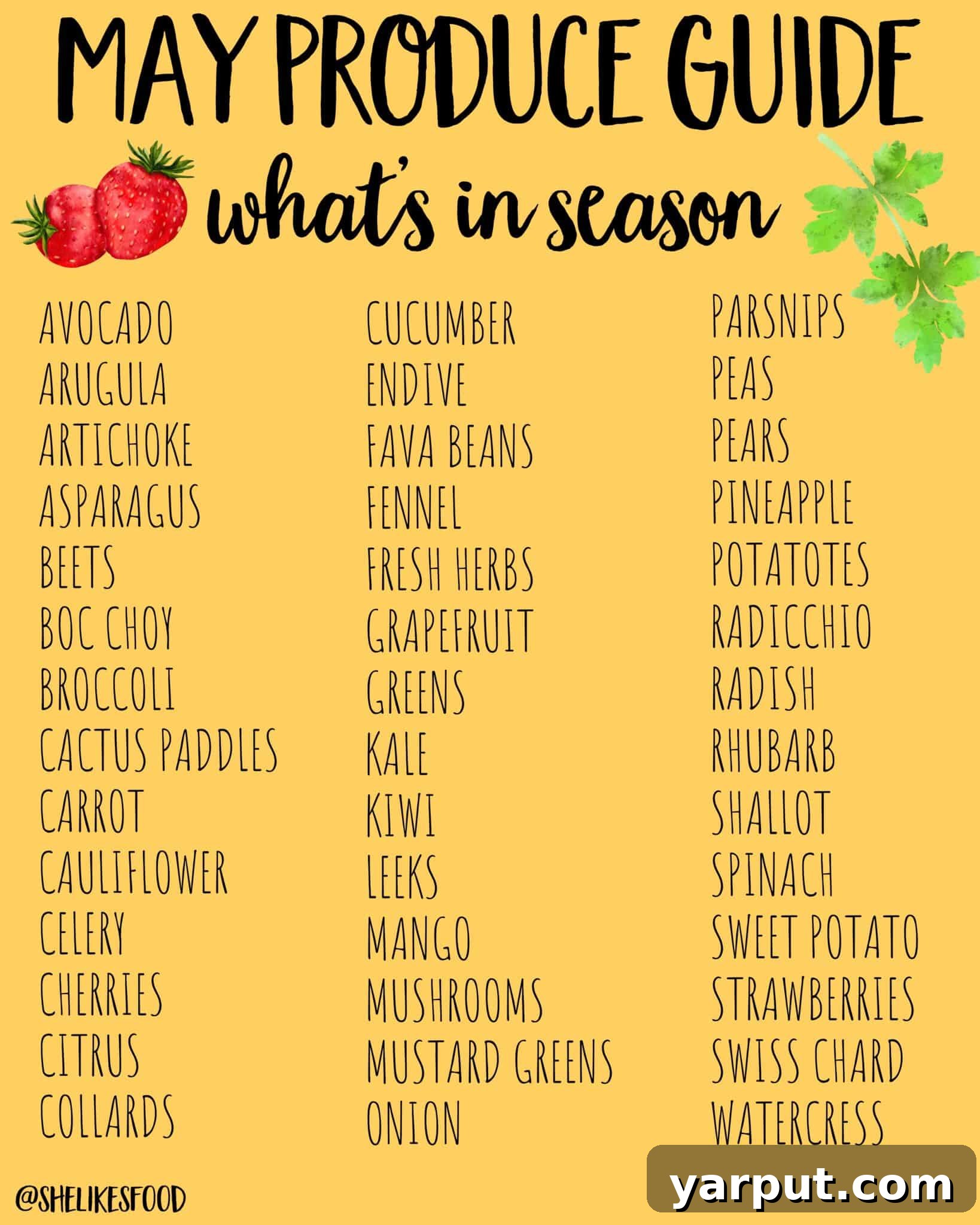
Welcome to May – a vibrant month that truly feels like the unofficial kickoff to the summer gardening season! While the official first day of summer doesn’t arrive until June, May brings with it an undeniable shift in the natural world. You’ll begin to notice a delightful abundance of fresh fruits and vegetables gracing your local farmer’s markets, alongside stunning bouquets of wildflowers. Embracing seasonal eating, a practice our ancestors inherently followed before the advent of modern food preservation, aligns perfectly with our body’s natural rhythms and nutritional needs. Though contemporary life offers us year-round access to a global pantry, there’s an immense joy and numerous benefits in being attuned to what nature provides locally and in its prime. We hope you find inspiration in our comprehensive May Produce Guide and discover new ways to savor the season’s bounty!
May Produce Guide: Embracing the Best of Spring and Early Summer Harvests
As the days grow longer and the temperatures steadily climb, May ushers in an exciting transition period. We’re still deeply immersed in the freshness of spring, yet simultaneously witnessing the vibrant beginnings of summer gardening. While June 20th marks the official start of summer, the warming weather in May allows many of us to finally get our hands dirty, planting beloved crops like tomatoes, zucchini, and various squashes. The anticipation of a fruitful garden season, filled with sun-ripened flavors, is truly palpable!
It’s crucial to remember that the rhythm of growing seasons varies significantly across different regions. What’s flourishing in one part of the country during May might still be weeks away in another. For instance, in high desert climates, where growing seasons are notoriously short, planting warm-weather crops such as tomatoes and zucchini typically doesn’t commence until mid-to-late May, ensuring they thrive after the last frost. This regional diversity makes seasonal eating an even more dynamic and fascinating pursuit, encouraging us to connect with local agriculture and celebrate the unique offerings of our specific environment. Always check with your local farmers market or extension office to discover what’s truly at its peak where you live.
Below, we’ve curated a selection of our favorite early summer produce items that shine brightest in May. For each, you’ll find insights into their unique characteristics, significant health benefits, and versatile culinary applications. We’ve also linked to a few tantalizing recipes to spark your creativity and help you enjoy these seasonal gems to their fullest, bringing the vibrant flavors of May directly to your kitchen!
MAY PRODUCE SPOTLIGHT: Your Essential Guide to In-Season Delights
ARUGULA
Known botanically as Eruca vesicaria, arugula, or rocket as it’s often called in Europe and Australia, is a leafy green belonging to the diverse mustard family (Brassicaceae), which also includes popular vegetables like broccoli, kale, and radishes. Valued for its distinctive, slightly bitter, and peppery flavor, arugula adds an invigorating zest to any dish, making it far more dynamic than typical lettuce. Its vibrant taste means a small amount can make a significant impact on a recipe, providing a complex flavor profile that elevates simple ingredients.
While often enjoyed raw in fresh salads and sandwiches, or as a lively addition to wraps and garnishes for pizza, arugula is surprisingly versatile. It can be gently wilted and served warm, much like spinach or kale, offering a milder, slightly sweeter flavor profile when cooked. This makes it an excellent addition to warm pasta dishes, scrambled eggs, or even as a bed for roasted vegetables. For those who initially find its peppery bite intense, pairing it with sweeter fruits like berries, creamy cheeses, or a balanced vinaigrette can create a harmonious balance. Beyond its unique flavor, arugula is a nutritional powerhouse, rich in vitamins K and C, folate, and calcium, contributing to bone health, immune function, and cellular repair. Its glucosinolate compounds are also celebrated for their potential cancer-fighting properties and ability to support liver detoxification pathways. When buying, look for crisp, dark green leaves without yellowing or wilting; store in a loosely sealed bag in the refrigerator for up to 3-5 days.
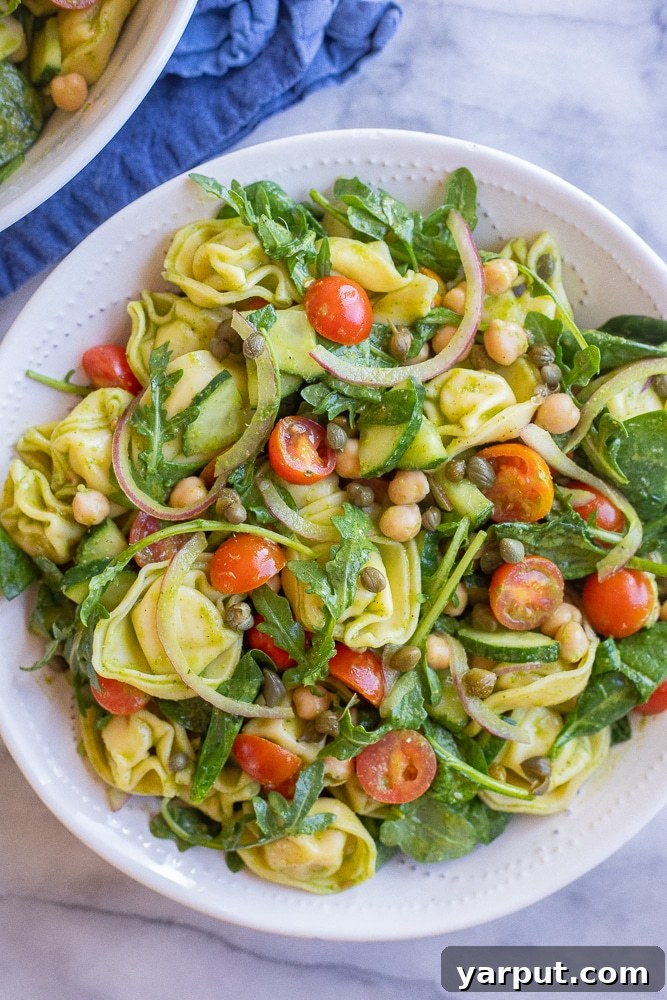
Discover creative ways to incorporate arugula into your meals:
Arugula Tortellini Salad with Garlic Herb Dressing
Basil and Roasted Garlic Flatbread with Arugula
Tahini Balsamic Pasta Salad with Arugula
Balsamic Sweet Pepper and Boursin Sandwiches
Roasted Carrot and Chickpea Salad with Arugula
BEETS
Beets are fascinating root vegetables, recognized for their striking colors and earthy-sweet flavor profile. While the most commonly encountered variety is the vibrant red beet, celebrated for its intense hue that can color entire dishes, golden beets offer a slightly milder, sweeter taste with a beautiful, less staining yellow flesh. Chioggia beets, with their distinctive red and white concentric rings, are another visually stunning variety. Beyond the root, the leafy greens of beets are also edible and highly nutritious, often cooked like chard or spinach, providing a slightly bitter counterpoint to the sweet root.
These humble root vegetables are packed with an impressive array of beneficial compounds. They are particularly high in phytonutrients, powerful plant-based compounds that play a crucial role in maintaining overall health and preventing chronic diseases. Beets are also abundant in antioxidants, especially betalains (which give red beets their color), known for their potent anti-inflammatory properties. Reducing excess inflammation within the body is vital for preventing a range of health issues, including autoimmune disorders and other systemic diseases. Additionally, beets are a great source of fiber, folate, manganese, and potassium, supporting heart health and digestive regularity. The nitrates found in beets can also improve blood flow and lower blood pressure, making them a heart-healthy choice.
Beets can be enjoyed in various culinary forms, both raw and cooked. Thinly sliced or grated raw beets add a refreshing crunch and vibrant color to salads, often benefiting from a bright vinaigrette. Cooking methods like pickling, steaming, or roasting tend to soften their texture and intensify their natural sweetness, making them excellent side dishes or additions to grain bowls and spreads. Their unique earthy essence pairs wonderfully with citrus, goat cheese, feta, walnuts, and fresh herbs like dill or mint. When selecting beets, look for firm, smooth roots with fresh-looking greens attached, if possible. Store the greens separately in the refrigerator and the roots in a cool, dark place or in the fridge for several weeks.
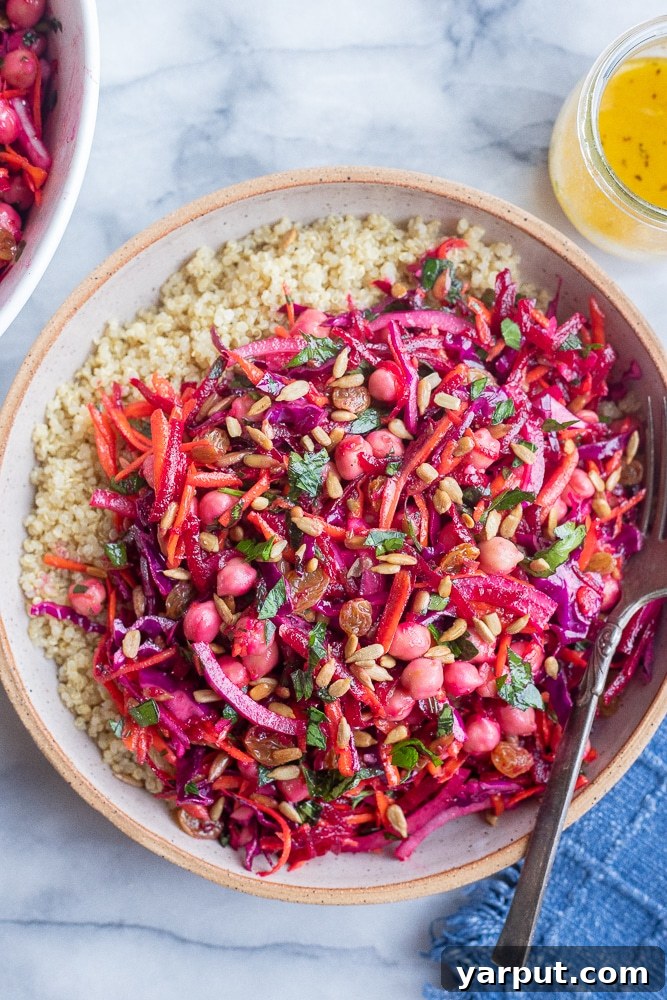
Explore delightful beet-centric recipes:
Beet and Carrot Salad with Chickpeas
Goat Cheese Beet and Balsamic Puff Pastry Bites
Beet and Cherry Smoothie
Vegan Beet Burgers with Brown Rice
Roasted Beet Chickpea and Black Rice Bowls
Healthier Chocolate Cupcakes with Raspberry and Beets
BROCCOLI
Broccoli, a prominent member of the cruciferous vegetable family and a close relative of cabbage, Brussels sprouts, and kale, is one of the most widely consumed and recognized vegetables globally. While various types exist, Calabrese broccoli, with its sturdy green stalks and tightly packed florets, is the most common variety found in grocery stores across the United States. Other varieties include broccoli rabe (often more bitter with thinner stalks), broccolini (a hybrid of broccoli and Chinese kale, known for its tender stalks and small florets), and Romanesco broccoli, famous for its striking fractal-like appearance. Its versatility and robust flavor make it a staple in countless kitchens.
Often hailed as a “superfood,” broccoli is indeed a powerhouse of nutrition, offering an impressive array of health benefits. It’s brimming with potent antioxidants like sulforaphane, which are crucial for combating oxidative stress, reducing unwanted inflammation throughout the body, and supporting natural detoxification processes. A single cup of broccoli provides a significant amount of both dietary fiber, essential for digestive health and satiety, and vitamin C, rivaling the amount found in an orange and supporting immune function and skin health. Additionally, it contains vitamin K, folate, potassium, and iron, all contributing to overall well-being, from bone density to energy metabolism. Regular consumption of broccoli has been linked to improved heart health, better blood sugar control, and even potential protective effects against certain cancers.
Broccoli is incredibly adaptable and can be enjoyed both raw and cooked. For a crisp texture and vibrant flavor, finely chop raw broccoli into bite-sized pieces and add it to salads, slaws, or serve it with a favorite dip. When cooking, options abound: steaming it lightly preserves its nutrients and tender-crisp texture, roasting brings out a delicious nutty sweetness and slight char, and stir-frying ensures a quick and flavorful preparation, often paired with garlic and soy sauce. It can also be added to soups, casseroles, and pasta dishes. When selecting broccoli, choose heads with tightly packed, deep green florets and firm stalks. Avoid any yellowing florets or soft spots, which indicate it’s past its prime. Store it unwashed in the refrigerator for up to a week.
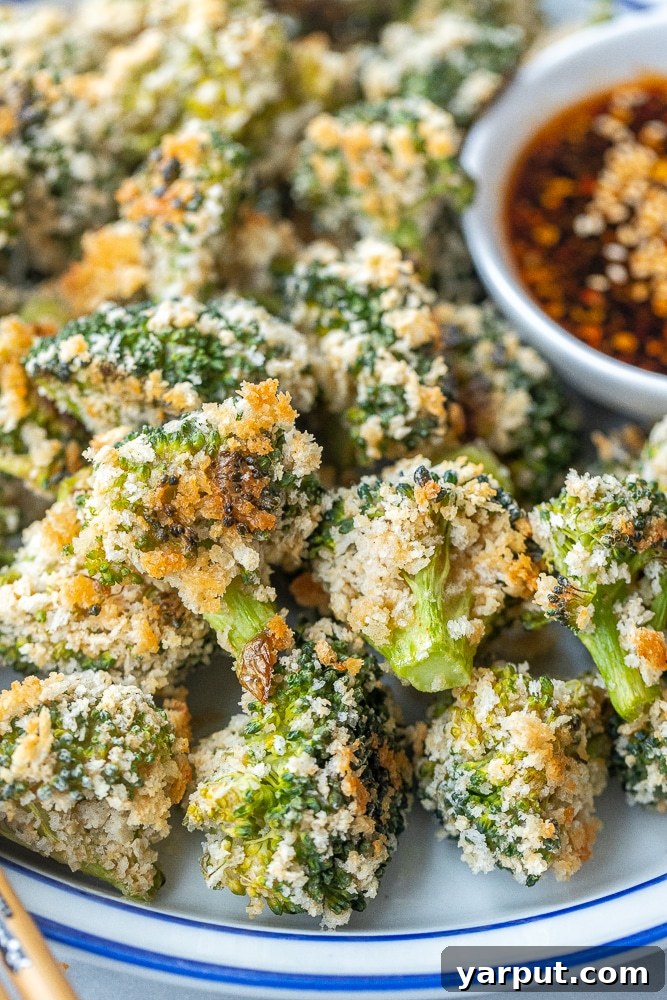
Get inspired with these broccoli recipes:
Chili Garlic Broccoli with Chickpeas
Tahini Roasted Broccoli
Crunchy Broccoli Salad with Maple Mustard Dressing
Veggie Packed Broccoli Cheddar Soup
Crunchy Baked Broccoli with Spicy Soy Sauce
Cheesy Broccoli Rice Casserole Bites
CARROTS
Carrots, those wonderfully crisp and versatile root vegetables, are a true harbinger of spring, often available year-round thanks to modern farming but particularly sweet and tender when harvested in cooler months. While the familiar bright orange variety dominates grocery store shelves, a fascinating spectrum of colors exists, including vibrant purple, sunny yellow, and elegant white carrots, offering both visual appeal and subtle flavor variations. Carrots also come in diverse shapes and sizes; some are short and plump, while others are long and slender, such as Nantes or Danvers varieties. It’s a common misconception that “baby carrots” are a distinct variety; in reality, most are cleverly shaped from larger, regular carrots using a special machine, offering convenience for snacking.
Beyond their delightful crunch and natural sweetness, carrots are renowned for their nutritional benefits. They are an exceptional source of beta-carotene, a powerful antioxidant that the body converts into vitamin A, crucial for maintaining healthy vision, boosting immune function, and supporting skin health. Carrots also provide significant amounts of fiber, vitamin K, and potassium, contributing to digestive regularity, blood clotting, and heart health. Their versatility extends far beyond simple snacking; they can be enjoyed raw as crudités with hummus or ranch dip, grated into salads and wraps, or cooked in countless ways.
Cooking carrots brings out their inherent sweetness. They can be roasted to caramelize their sugars and enhance their earthy notes, sautéed for a tender texture, or incorporated into comforting soups and stews. Their subtle sweetness also makes them a popular ingredient in baked goods, such as classic carrot cakes, muffins, and even savory quick breads, showcasing their ability to bridge both sweet and savory culinary realms. When choosing carrots, look for firm, smooth roots with a bright color and no signs of wilting or cracking. If the greens are attached, they should be fresh and vibrant. Store them in the coolest part of your refrigerator, ideally in a plastic bag or container, for up to several weeks.

Delicious carrot-inspired recipes:
Carrot and Chickpea Salad with Orange Maple Dressing
Roasted Carrot and Dill Hummus
Noodles with Cabbage and Carrots
Carrot Cake Muffins
Curried Sweet Potato Carrot and Red Lentil Soup
FRESH HERBS
Fresh herbs are the aromatic jewels of any garden or kitchen, offering an immediate boost of flavor, fragrance, and visual appeal to countless dishes. They encompass a delightful mix of annuals, which require replanting each year (like basil and cilantro, known for their vibrant, often citrusy or peppery notes), and resilient perennials, which return year after year, such as the earthy sage, delicate thyme, fragrant lavender, and invigorating mint. Each herb brings its own unique character to the table, and their fresh forms are significantly less potent than their dried counterparts, making them ideal for adding nuanced layers of flavor without overwhelming a dish. Their bright, complex notes are often best added towards the end of cooking to preserve their delicate oils.
Having a selection of fresh herbs on hand is invaluable. They serve beautifully as a colorful and fragrant garnish, elevating the presentation of pastas, salads, and soups. Beyond mere decoration, herbs can take center stage as a main ingredient, forming the foundation of robust sauces, marinades, and dressings. Pesto, for instance, is a classic example of an herb-forward dish, traditionally made with basil, but equally delicious when crafted with other herbs like fresh mint, cilantro, parsley, or even a mix. Chopped herbs can be folded into omelets, sprinkled over roasted vegetables, or muddled into refreshing drinks. These verdant greens are not only culinary enhancers but also often provide a range of antioxidants, vitamins, and anti-inflammatory compounds, making them a healthy and flavorful addition to any diet. To keep fresh herbs vibrant, treat them like a bouquet of flowers: trim the stems, place them in a glass of water, and cover loosely with a plastic bag before refrigerating.
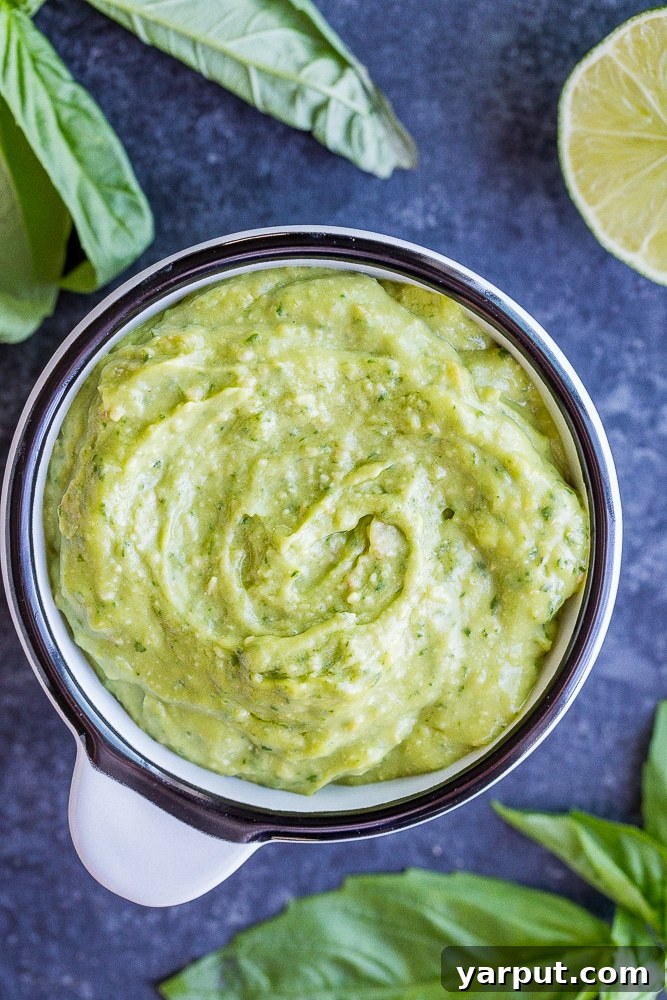
Infuse your cooking with these fresh herb recipes:
Vegan Pesto Recipe
Herby Lemon Jalapeno Pasta
Herby Cucumber Salad with Feta and Chickpeas
Cilantro Lime Cucumber Salad with Avocado
Avocado Pesto Sauce
KALE
Kale, a celebrated member of the cabbage family (Brassicaceae), stands out as one of the most nutrient-dense leafy green vegetables available. It comes in several popular varieties, each with its unique texture and appearance: curly kale, known for its ruffled, dark green leaves and slightly bitter taste; lacinato kale (also called dinosaur or Tuscan kale), with its deep blue-green, crinkly, strap-like leaves and a milder, sweeter flavor; and vibrant purple kale, which offers a beautiful color contrast and often a slightly peppery note. This hearty green is remarkably resilient, capable of thriving in and even withstanding colder temperatures, which often makes its flavor sweeter after a frost. In recent years, baby kale has also gained popularity, offering a more tender texture akin to baby spinach or lettuce while still retaining kale’s robust nutritional profile.
Kale’s versatility allows it to be enjoyed both cooked and raw. When eaten raw, especially in salads, a gentle massage with a little olive oil or lemon juice can break down its tough fibers, making it more tender and palatable without diminishing its refreshing crunch and distinctive texture. It provides a more substantial base for salads than many other greens. When cooked, kale wilts quickly, making it an excellent addition to soups, stir-fries, pastas, casseroles, and egg dishes. It holds its shape and flavor well, adding a burst of nutrients and vibrant color to any dish. Its hearty nature also makes it suitable for baking into crispy kale chips.
Nutritionally, kale is a powerhouse. It’s exceptionally rich in vitamins K, A, and C, essential for bone health, vision, immune function, and skin integrity respectively. It also provides a significant amount of manganese, calcium, copper, potassium, and magnesium, along with powerful antioxidants like quercetin and kaempferol. These compounds contribute to kale’s anti-inflammatory and detoxifying properties, making it a valuable addition to a health-conscious diet. When choosing kale, look for firm, crisp leaves with a deep color. Avoid any yellowing or limpness. Store unwashed kale in the crisper drawer of your refrigerator, preferably wrapped in a paper towel, for up to a week.
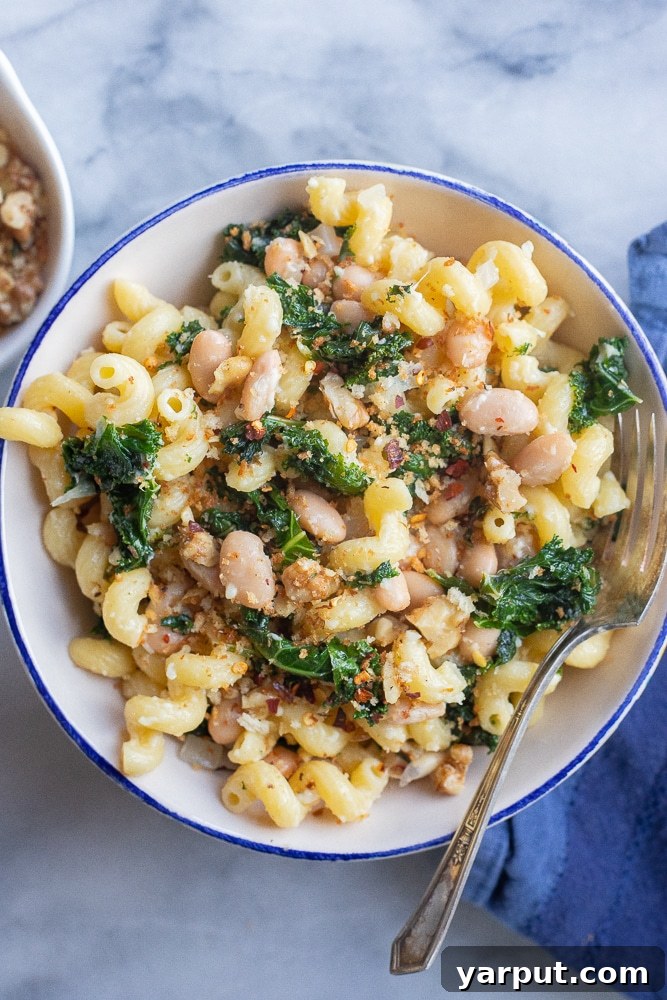
Transform your meals with these kale recipes:
The Best Kale Chips
Chopped Kale Power Salad with Lemon Tahini Dressing
Kale and White Bean Pasta with Parmesan
Garlicky Kale with White Beans and Lemon
Sunshine Kale Salad
LEMON
Lemons, these bright and zesty citrus fruits, are truly a culinary marvel, gracing our kitchens year-round but often peaking in freshness and juiciness during the winter and early spring months. A kitchen without lemons feels incomplete, as their vibrant acidity and refreshing fragrance can transform an ordinary dish into something extraordinary. I frequently incorporate them into a vast array of recipes, from crisp salads and comforting soups to rich pastas, sauces, and delicate desserts. They introduce a tangy freshness that is unparalleled, expertly balancing and brightening otherwise rich or heavy flavors, adding a crucial “zing” that elevates the entire meal.
The versatility of lemons is one of their greatest assets. A simple squeeze of fresh lemon juice can awaken a glass of water, add a piquant note to a salad dressing, or provide a crucial flavor lift to various sauces, marinades, and glazes. The zest, rich in aromatic oils, offers another layer of intense lemon flavor without the acidity of the juice, perfect for baking or infusing oils and spirits. While lemons can certainly be the star of a dish, lending their distinctive flavor to pies, tarts, and lemonades, they are equally invaluable as a seasoning. Their zest and juice are perfect for brightening meals, cutting through richness, and enhancing the natural flavors of other ingredients without overpowering them. Rich in vitamin C and antioxidants, lemons not only tantalize the taste buds but also offer significant health benefits, including immune support, improved iron absorption, and digestive aid. Their clean, sharp profile makes them indispensable for both sweet and savory applications, from simple roasted chicken to complex pastries. When buying, look for firm, heavy lemons with smooth, brightly colored skin. Store them at room temperature for up to a week, or in the refrigerator for several weeks to extend their freshness.
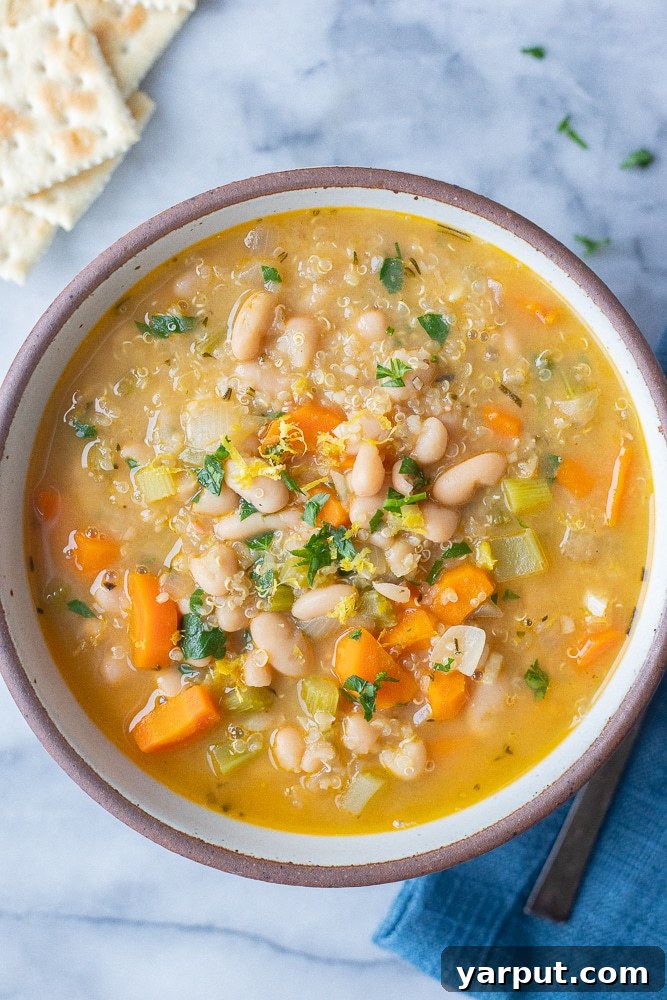
Brighten your dishes with these lemon-infused recipes:
Homemade Blueberry Lemonade
Lemony White Bean Soup with Quinoa
Herby Lemon Jalapeno Pasta with Crispy Chickpea
Lemon Raspberry Baked Oatmeal
Lemon Dill Orzo Broccoli Salad
Lemon Tahini Chickpea Salad
PEAS
Peas, those delightful little green spheres, are a quintessential spring vegetable, bringing a burst of sweetness and freshness to our tables. There are three primary types of spring peas, each offering a distinct culinary experience: snow peas, characterized by their flat, tender, and entirely edible pods, making them a popular choice for stir-fries, salads, and light sautéing; sugar snap peas, which boast a more rounded shape with plump, succulent peas inside their entirely edible, crunchy pods, perfect for raw snacking or quick cooking, often with a slight crunch; and garden peas (also known as shelling peas), which are the varieties typically found shelled, often sold frozen, and renowned for their sweet, tender pearls that require the pod to be discarded.
Each variety offers unique textures and applications. Sugar snap peas are a personal favorite for growing in the garden, providing a continuous supply of sweet, crunchy snacks straight from the vine throughout the summer. They are also fantastic when added fresh to salads, offering both sweetness and a satisfying snap. Frozen sweet peas are a pantry staple for many, incredibly convenient for tossing into pastas, risottos, omelets, or as a vibrant, easy side dish. Peas are not only delicious but also packed with nutrients, including vitamins C and K, dietary fiber, and plant-based protein, making them a healthy and versatile addition to almost any meal. Their natural sweetness pairs well with mint, lemon, butter, and a variety of cheeses, enhancing both savory and sweet preparations. Look for vibrant green, firm pods (for snow and snap peas) or tender, plump peas (for shelling varieties) that are free of blemishes. Fresh peas are best consumed soon after purchase, but can be refrigerated for a few days.
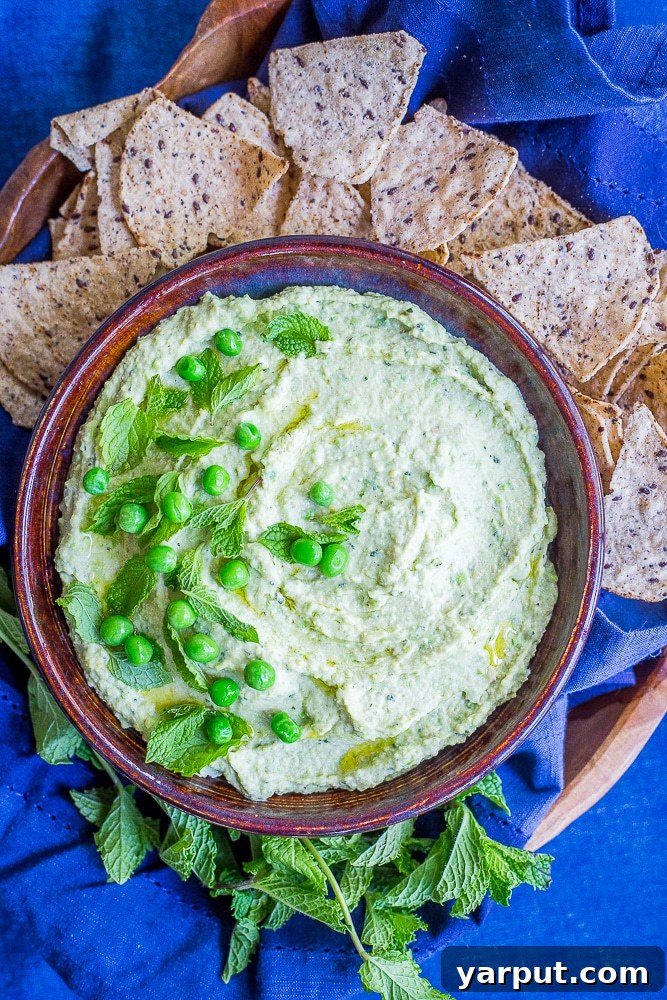
Explore these delightful pea-focused recipes:
Lemony Broccoli and Sweet Pea Salad
Minty Sweet Peas Hummus
Watercress Pesto Pasta with Peas
Roasted Vegetable Gnocchi Sausage Bake
POTATOES
Potatoes, a foundational staple in diets worldwide, are celebrated for their incredible versatility, affordability, and satisfying qualities. The sheer number of potato varieties is impressive, each with distinct characteristics that lend themselves to different culinary applications. Common types include russets, perfect for baking and frying due to their starchy texture; creamy Yukon Golds, ideal for mashing and roasting; vibrant purple potatoes, which add a striking color and earthy flavor; and delicate fingerlings, often enjoyed roasted whole for their firm texture. While I appreciate all varieties, russet potatoes often find their way into my kitchen most frequently, forming the base of many comforting meals, from fluffy mashed potatoes to crispy fries.
Their culinary applications are virtually endless: they can be roasted to crispy perfection, fried into golden delights (making them one of the most popular vegetables in the United States, thanks to French fries!), baked in their jackets with an array of toppings, or mashed into creamy, comforting side dishes. Potatoes are an excellent source of energy, primarily from complex carbohydrates, and also provide valuable nutrients like potassium (more than a banana!), vitamin C, and vitamin B6, along with dietary fiber, especially when the skin is consumed. Beyond their nutritional benefits, potatoes are incredibly filling and cost-effective, making them a go-to ingredient for creating hearty and satisfying meals that feed a crowd.
Whether transformed into a cozy side of mashed potatoes or pan-fried into crispy home fries for breakfast, as shown below, potatoes offer comfort and sustenance. Their mild flavor profile makes them an excellent canvas for various seasonings and flavor combinations, ensuring they remain a beloved vegetable in kitchens everywhere. When purchasing potatoes, look for firm, smooth skin free of sprouts, green spots, or blemishes. Store them in a cool, dark, well-ventilated place, away from onions, to prolong their shelf life.
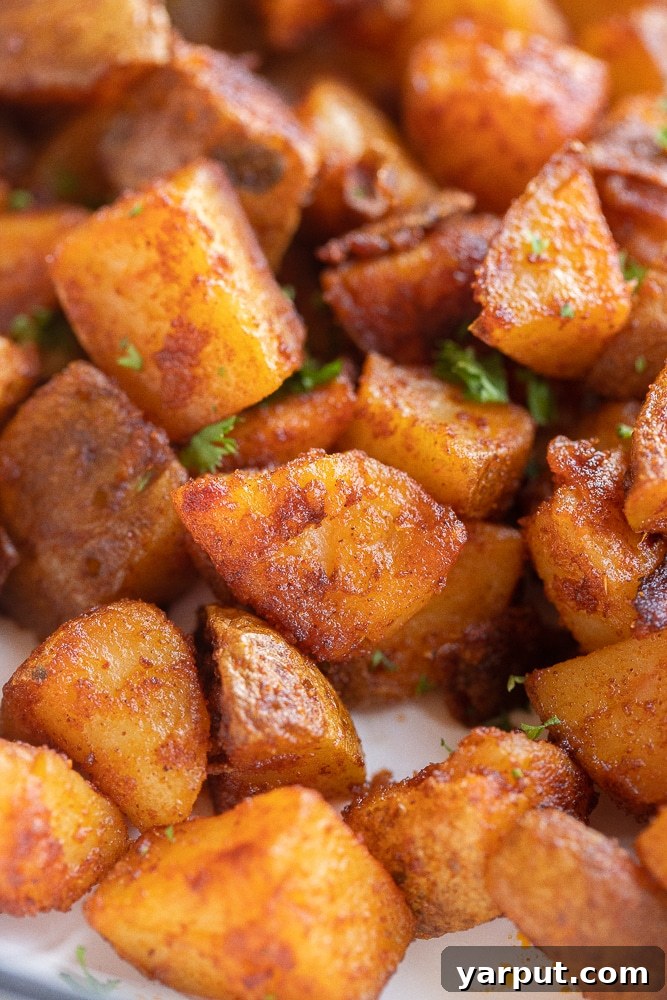
Hearty and delicious potato recipes:
Crispy Potato Tacos
Seasoned Grilled Potato Wedges
Quick and Easy Home Fries
Creamy Vegan Mashed Potatoes
Cheesy Potato Taquitos
RADISHES
Radishes, with their distinctive peppery bite and crisp texture, are vibrant root vegetables belonging to the same mustard family (Brassicaceae) as broccoli and kale. While the most commonly recognized variety is the small, round, bright red radish found in almost every grocery store, there’s a fascinating diversity within the radish family. This includes longer, white daikon radishes, black radishes, and even colorful French breakfast radishes, each offering subtle variations in flavor intensity and texture. These common red radishes are typically enjoyed raw, delivering a delightful spicy kick and a refreshing crunch that awakens the palate, making them a popular addition to spring salads and crudités platters.
Traditionally, radishes are thinly sliced and scattered over salads, adding a burst of color, texture, and pungent flavor. However, their culinary potential extends much further. They can be quickly pickled, which mellows their sharpness and introduces a tangy element, perfect for tacos, grain bowls, or as a vibrant condiment. For a completely different experience, radishes can be grilled or roasted in the oven. Cooking them transforms their character; the heat significantly softens their peppery intensity, bringing out an unexpected sweetness and a tender texture, making them a wonderfully earthy and subtle side dish that pairs well with roasted meats or other spring vegetables. Nutritionally, radishes are low in calories but rich in vitamin C, fiber, and various antioxidants, contributing to overall health, immune support, and digestive regularity. Their vibrant appearance and bold flavor make them a seasonal favorite for adding a fresh, zesty dimension to spring and early summer meals. When selecting radishes, look for firm, smooth, brightly colored roots with fresh-looking green tops if available. Store them in the refrigerator, with greens removed, for up to a week.
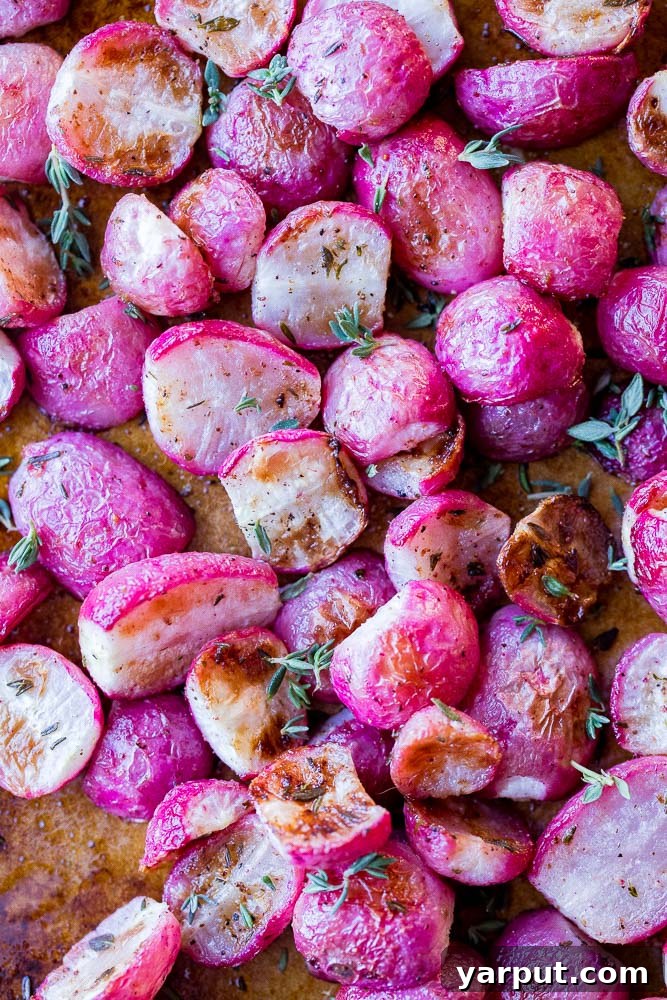
Add a crisp bite to your plate with these radish recipes:
Roasted Radishes with Garlic and Herbs
Veggie Sushi Bowls with Quick Pickled Radishes
Crunchy Ranch Salad with Crispy Quinoa
Loaded Black Bean Salad
Salt and Vinegar Potato Salad
Roasted Sweet Potato Black Bean Salad with Kale
SWEET POTATOES
Sweet potatoes, distinct from their white potato cousins, are wonderfully nutritious and versatile root vegetables, celebrated for their natural sweetness and vibrant colors. They come in a beautiful spectrum of hues, including the familiar bright orange flesh (like Beauregard or Jewel varieties), creamy white (like Japanese or Okinawan varieties), and even striking purple varieties (such as the Stokes Purple), each offering subtle differences in flavor and texture. As root vegetables, the edible portion grows beneath the soil, while leafy greens sprout above—greens that are also edible, though the sweet potato itself is far more commonly consumed globally for its delicious and beneficial properties.
These remarkable tubers are nutritional powerhouses, particularly rich in beta-carotene (which gives orange varieties their vibrant color) that converts to vitamin A in the body, essential for vision, immune health, and skin vitality. They also provide ample dietary fiber, vitamin C, manganese, and several B vitamins, contributing to energy production, antioxidant defense, and overall well-being. Their complex carbohydrates offer sustained energy release, making them a favorite among athletes and health-conscious individuals seeking a nutrient-dense food source. Sweet potatoes are known for their anti-inflammatory effects and can contribute to gut health due to their fiber content.
My preferred method for preparing sweet potatoes is roasting, which truly brings out their inherent sweetness and caramelizes their edges. Whether diced into hearty chunks or sliced into slender “fries,” tossing them with a medley of spices like paprika, cumin, cinnamon, or chili powder creates an irresistibly flavorful side dish. Beyond roasting, sweet potatoes are excellent mashed for a creamy, naturally sweet purée, or simply baked whole like a regular potato, then adorned with your favorite savory or sweet toppings, such as black beans, cheese, or maple syrup. Their versatility allows them to shine in both savory applications, such as stews, curries, and casseroles, and in sweet treats like pies, muffins, and even brownies, making them a beloved ingredient year-round. When selecting sweet potatoes, look for firm, smooth skin free of soft spots, wrinkles, or sprouts. Store them in a cool, dark, and well-ventilated pantry, not the refrigerator, for best results.

Indulge in these delicious sweet potato creations:
Roasted Sweet Potato Hummus Wraps with Honey Mustard
Sheet Pan Sweet Potato Fajitas with Black Beans
Roasted Sweet Potato Hash
Vegan Sloppy Joe Stuffed Sweet Potatoes
Sweet Potato Pie Bars