
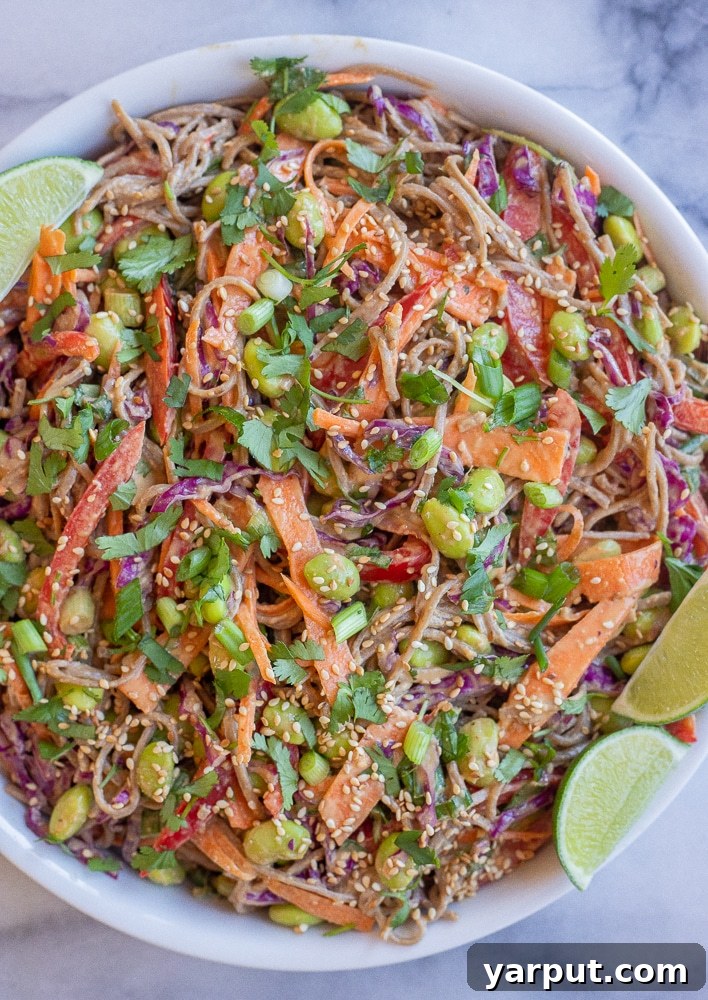
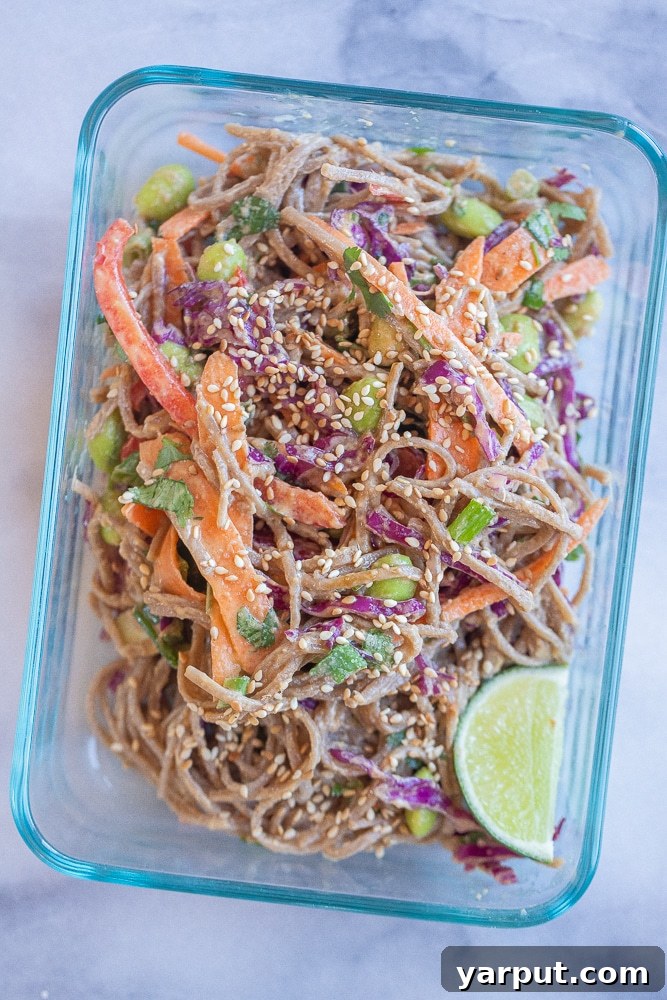
Discover the ultimate healthy and flavorful meal-prep solution with this irresistible Peanut Soba Noodle Salad. Perfect for warm days, this vibrant dish combines tender buckwheat soba noodles with a rich, homemade peanut dressing and a medley of crisp, fresh vegetables. Served chilled, it’s a refreshing culinary delight that’s as convenient as it is delicious. Easily customizable with your favorite seasonal produce, this recipe is designed to simplify your healthy eating routine.
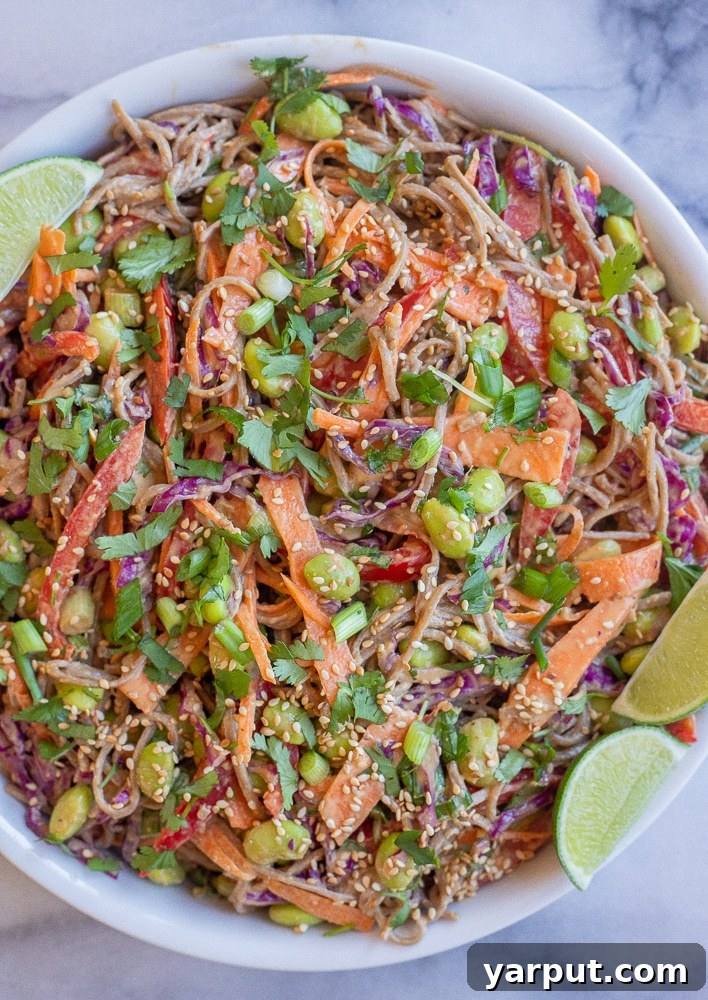
Refreshing Peanut Soba Noodle Salad: Your Go-To Healthy Meal Prep
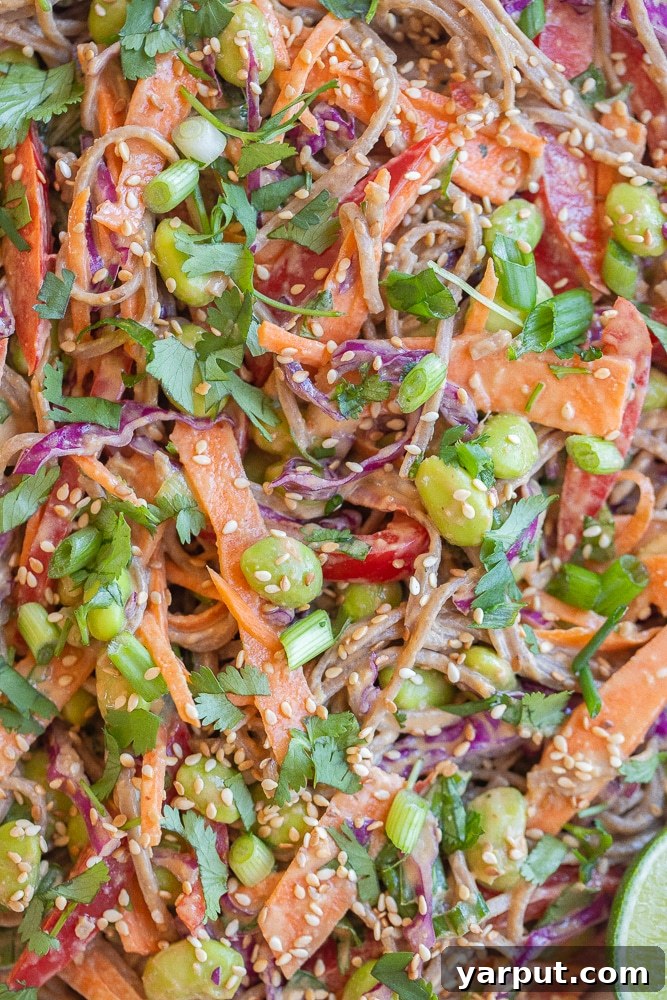
As the days grow longer and the sun shines brighter, our appetites naturally shift towards lighter, more invigorating meals. This Cold Peanut Soba Noodle Salad perfectly captures the essence of spring and summer, offering a symphony of fresh flavors and textures that will leave you feeling energized and satisfied. Bursting with nutrient-rich ingredients like crisp purple cabbage, sweet carrots, vibrant red bell pepper, and protein-packed edamame, all coated in a luscious, savory peanut dressing, this salad isn’t just a meal—it’s a celebration of wholesome eating.
Whether you’re packing lunches for the week, preparing a quick weeknight dinner, or bringing a vibrant dish to a potluck, this peanut soba noodle salad is incredibly versatile and easy to make. Its ability to be served cold makes it an ideal candidate for meal prepping, allowing you to enjoy a delicious, healthy, and satisfying meal without the daily fuss. Get ready to transform your kitchen into a haven of fresh, Asian-inspired flavors!
What Are Soba Noodles? Understanding This Japanese Staple
At the heart of this delightful salad are soba noodles, a traditional Japanese pasta known for its unique flavor and incredible health benefits. Soba, which literally translates to “buckwheat” in Japanese, refers to the primary ingredient used to make these thin, brownish-gray noodles. Unlike many other noodles made from wheat flour, authentic soba noodles are crafted from buckwheat flour, making them naturally gluten-free.
Beyond their gluten-free status, soba noodles boast a distinct nutty, earthy flavor that beautifully complements a wide range of sauces and ingredients. Their firm yet tender texture provides a satisfying bite, distinguishing them from their rice noodle counterparts. Soba noodles are incredibly versatile; they can be enjoyed warm in comforting broths or stir-fries, but they truly shine when served chilled, as in this refreshing salad. Their quick cooking time—typically just 5-6 minutes in boiling water—makes them a convenient choice for busy cooks looking for a nutritious and easy-to-prepare base for their meals.
Peanut Soba Noodle Salad: Essential Ingredients & Creative Substitutions
Crafting the perfect Peanut Soba Noodle Salad means selecting fresh, quality ingredients that harmonize together. Here’s a breakdown of what you’ll need and how you can adapt the recipe to suit your preferences and what you have on hand.
Soba Noodles: The Foundation of Flavor
- What to Use: One 8-ounce package of soba noodles is ideal. They cook quickly and are the star of this dish.
- Substitutions: If soba noodles are unavailable, don’t fret! Rice noodles offer a similar texture, while thin spaghetti can also work in a pinch. Just be aware that regular spaghetti will not be gluten-free.
A Rainbow of Fresh Vegetables for Texture and Nutrition
This salad is designed to be a canvas for your favorite vegetables, offering endless possibilities for customization. The original recipe calls for a vibrant mix, but feel free to get creative.
- Core Veggies: We use crisp purple cabbage for a beautiful hue and satisfying crunch, shredded carrots for sweetness and color, bright red bell pepper for a subtle fruity note, and thawed shelled edamame for a boost of plant-based protein and tender bite.
- Creative Additions: Sliced cucumber adds a refreshing coolness, snap peas provide extra crunch, and shredded zucchini or thinly sliced radishes can introduce new textures and flavors. Don’t hesitate to incorporate spinach, kale, or bok choy for more greens.
The Irresistible Peanut Sauce: Homemade vs. Store-Bought
The peanut sauce is truly what brings this salad to life, infusing it with a rich, nutty, and slightly spicy flavor profile. Making it from scratch allows for ultimate control over the taste.
- Homemade Excellence: Our homemade peanut sauce relies on simple pantry staples like creamy peanut butter, fresh ginger and garlic, chili sauce for a kick, tamari (or soy sauce), lime juice for brightness, toasted sesame oil for depth, maple syrup for a touch of sweetness, and rice wine vinegar for tang. These ingredients combine to create a balanced and incredibly flavorful dressing.
- Convenience Option: For those days when time is short, a good quality bottled peanut sauce can be a lifesaver. Just remember to taste it beforehand and adjust with extra lime, chili, or a dash of water to thin it to your desired consistency. Ensure it’s not overly spicy for your palate.
Optional Garnishes: The Finishing Touch
Garnishes not only add visual appeal but also enhance the overall flavor and texture of the salad.
- Recommended Garnishes: Freshly chopped scallions and cilantro add herbaceous freshness. A squeeze of fresh lime juice brightens everything up, while a sprinkle of toasted sesame seeds provides an extra nutty crunch and ties in with the toasted sesame oil in the sauce.
- Other Ideas: Crushed peanuts for more texture, a drizzle of sriracha for extra heat, or even a handful of finely chopped mint for an unexpected twist.
Why Your Body Will Love This Peanut Soba Noodle Salad: A Nutritional Powerhouse
Beyond its incredible taste and refreshing nature, this Peanut Soba Noodle Salad is packed with nutrients that offer significant health benefits, making it a meal you can feel good about enjoying regularly.
The Magic of Cabbage
Often overlooked, cabbage is a true superfood, especially the vibrant purple variety used in this salad.
- Digestive Health: Like beans, cabbage is an excellent source of dietary fiber, crucial for maintaining a healthy digestive system, promoting regular bowel movements, and contributing to a feeling of fullness, which can aid in weight management.
- Disease Prevention: It’s rich in sulforaphane, a powerful compound known for its anti-cancer properties.
- Immune Boost: High levels of Vitamins C and K support a robust immune system and contribute to bone health.
- Heart Health: Anthocyanins, the pigments that give purple cabbage its color, are potent antioxidants linked to reducing the risk of heart disease and improving cognitive function.
Phytochemical Power from Colorful Vegetables
The vibrant array of vegetables in this salad is not just for visual appeal; it’s a testament to the presence of phytochemicals—beneficial plant compounds that play a vital role in human health.
- Antioxidant Rich: The purple cabbage, red bell pepper, and orange carrots are particularly rich in these compounds. Phytochemicals act as antioxidants, helping to combat oxidative stress and reduce inflammation throughout the body.
- Protective Benefits: They are associated with a reduced risk of chronic diseases such as cancer, Alzheimer’s, and diabetes. Additionally, phytochemicals support cardiovascular health, bolster the immune system, and can even help regulate hormones. Eating a rainbow of vegetables ensures you get a broad spectrum of these protective compounds.
Buckwheat: A Gluten-Free Grain with Mighty Benefits
Despite its name, buckwheat is not a type of wheat but a pseudocereal, making it naturally gluten-free and an excellent choice for those with gluten sensitivities or celiac disease.
- Blood Sugar Management: Buckwheat has a low glycemic index, meaning it causes a slower, more gradual rise in blood sugar levels compared to many other grains. This makes it beneficial for managing blood sugar and preventing energy crashes.
- Rich in Nutrients: It’s a fantastic source of fiber, which supports digestion and gut health. Buckwheat also contains cancer-fighting compounds and is a complete protein, providing at least nine essential amino acids necessary for bodily functions and muscle repair.
- Anti-Allergic Properties: Some studies suggest buckwheat may possess anti-allergic properties, adding to its impressive nutritional profile.
How To Make Cold Peanut Soba Noodle Salad: A Step-by-Step Guide
Preparing this vibrant and refreshing Peanut Soba Noodle Salad is straightforward. Follow these simple steps for a perfect meal every time.
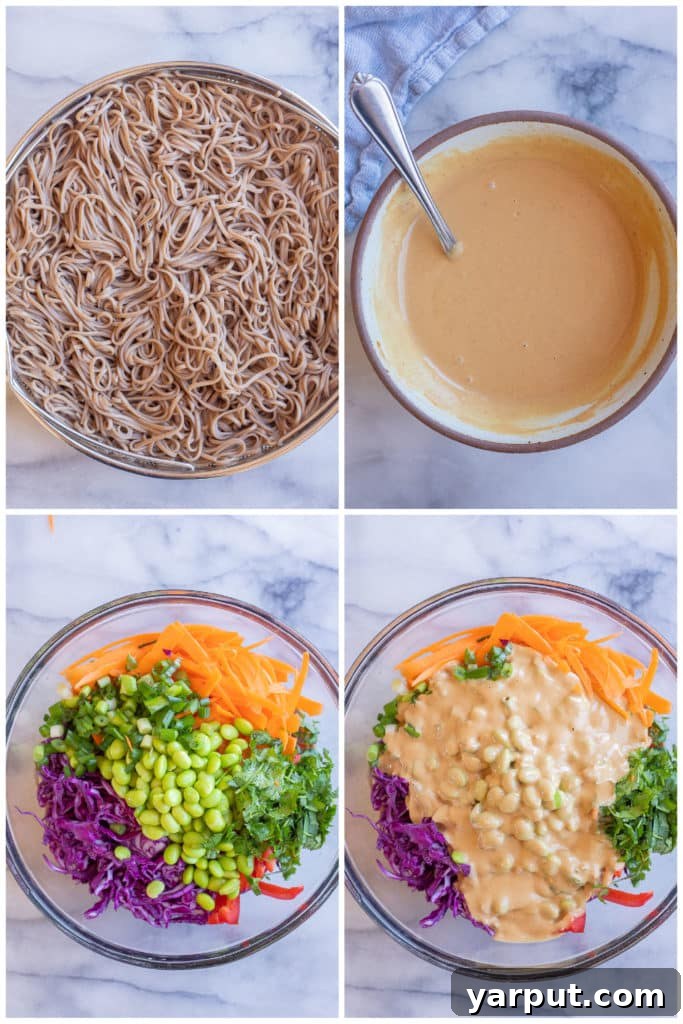
- Prepare Your Soba Noodles: Begin by bringing a large pot of water to a rolling boil over high heat. Carefully add your soba noodles, giving them a gentle stir to prevent sticking. Cook them according to package directions until they are tender, typically 5-6 minutes. Immediately drain the cooked noodles in a colander and rinse them thoroughly under cold running water. This crucial step stops the cooking process and removes excess starch, preventing the noodles from becoming gummy and ensuring they stay separate and perfectly chilled for your salad. Set the rinsed noodles aside.
- Craft Your Homemade Peanut Sauce: While the noodles cool, prepare your rich and flavorful peanut sauce. In a medium-sized bowl, combine all the peanut sauce ingredients—creamy peanut butter, grated garlic, grated ginger, chili sauce (like sambal oelek), tamari, lime juice, toasted sesame oil, pure maple syrup, and rice wine vinegar. Whisk everything together until well combined and smooth. Begin adding the warm water gradually, 1 tablespoon at a time, until you achieve your desired consistency. The goal is a sauce that is pourable enough to easily coat the noodles and vegetables, yet thick enough to cling to them beautifully. Taste the sauce and adjust seasonings as needed, adding more chili for heat, lime for tang, or maple syrup for sweetness. Season with a pinch of salt if desired.
- Assemble Your Vibrant Salad: In a large mixing bowl, combine the cooled soba noodles with your prepared vegetables: purple cabbage, red bell pepper, shredded carrot, shelled edamame, fresh cilantro, and chopped scallions. Pour the freshly made peanut sauce generously over all the ingredients. Using tongs or even your clean hands (which can be more effective for this type of salad), gently toss everything together until every noodle and vegetable is thoroughly coated in the delicious peanut dressing. Take your time to ensure an even distribution of flavors.
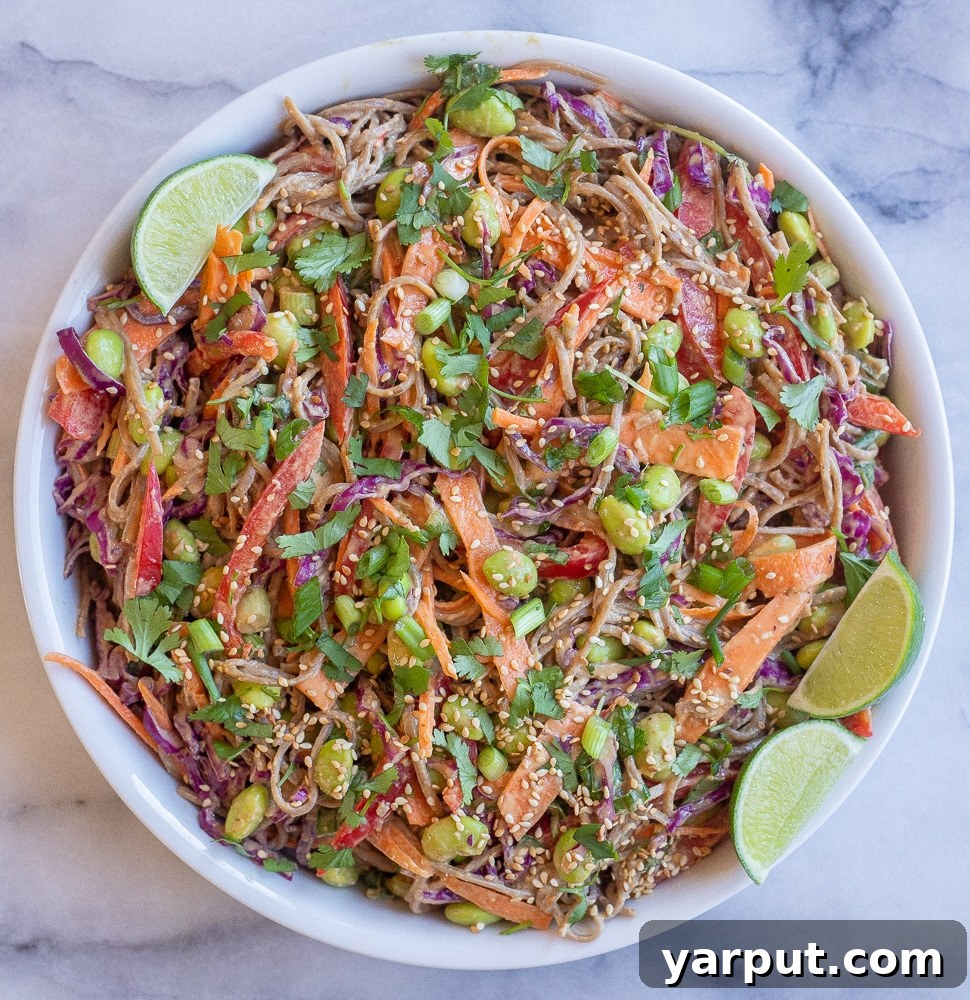
- Garnish and Serve: Divide the salad into individual servings. Garnish each portion with extra fresh herbs, such as more cilantro or scallions, and a sprinkle of toasted sesame seeds for added texture and aroma. For an extra burst of freshness, squeeze a wedge of fresh lime juice over the top just before serving. Enjoy your delicious and healthy Peanut Soba Noodle Salad immediately, or chill it further for an even more refreshing experience.
Peanut Soba Noodle Salad Recipe: Frequently Asked Questions
Here are answers to some common questions about this versatile and healthy soba noodle salad.
- Is this recipe gluten-free? Yes, absolutely! Soba noodles are naturally made from buckwheat flour, which is gluten-free. For the peanut sauce, simply ensure you use gluten-free tamari instead of traditional soy sauce to keep the entire dish free of gluten. Always check ingredient labels for hidden gluten if you have severe sensitivities.
- Is this peanut noodle salad vegan? Yes! This recipe is entirely plant-based, making it a perfect choice for vegans and those looking to incorporate more plant-forward meals into their diet. There are no animal products used in the noodles, vegetables, or the homemade peanut sauce.
- Can I make this salad ahead of time? This salad is designed to be made ahead! Since it’s a chilled salad, the flavors have time to meld and deepen as it sits. It’s an excellent option for meal prep.
- Can I use this soba noodle salad for meal prep? Definitely! This salad is ideal for meal prepping lunches or dinners for the week. Its cold serving temperature means no reheating is necessary, making it incredibly convenient for packed lunches at work or school. Prepare a large batch, portion it into airtight containers, and enjoy healthy meals throughout your busy week.
- How long will leftovers last in the refrigerator? When stored in an airtight container in the refrigerator, this peanut soba noodle salad will stay fresh and delicious for about 4-5 days. The flavors often become even more pronounced the day after it’s made!
- Can I add protein to this salad? Absolutely! For a more filling meal, consider adding baked or pan-fried tofu, tempeh, grilled chicken, cooked shrimp, or even hard-boiled eggs. Add cooked protein when assembling the salad or right before serving.
Have a question I didn’t answer? Feel free to ask in the comment section below, and I’ll be happy to help you out!
Looking For More Refreshing Veggie-Packed Salad Recipes?
If you love vibrant, healthy salads like this Peanut Soba Noodle Salad, be sure to explore these other delicious recipes:
- Creamy Southwestern Chopped Cabbage Salad
- Lemon Dill Orzo Broccoli Salad
- Rainbow Vegetable Salad
- Crunchy Broccoli Salad with Maple Mustard Dressing
- Cucumber Edamame Salad
Print Recipe
Peanut Soba Noodle Salad with Vegetables
5 Stars 4 Stars 3 Stars 2 Stars 1 Star
5 from 1 review
Author: She Likes Food
Total Time: 25 minutes
Yield: 4 1x
Diet: Vegan
Description
This Peanut Soba Noodle Salad with Vegetables is a delicious and refreshing salad that is served cold, so it’s great for meal prep lunches! Buckwheat soba noodles are tossed with a flavorful homemade peanut sauce and tons of fresh veggies are mixed in! This recipe is great because you can use whatever veggies you have on hand and you can even use bottled peanut sauce to make this soba noodle salad even easier!
Ingredients
Scale
- 1 (8 oz) package soba noodles
- 1 large red bell pepper, thinly sliced
- 1/2 small purple cabbage, thinly sliced or shredded
- 2–3 large carrots, shredded (about 1 cup)
- 1 cup shelled edamame, thawed
- 1/3 cup chopped scallions
- 1/3 cup chopped fresh cilantro
- Toasted sesame seeds for garnish, if desired
Peanut Sauce:
- 1/2 cup creamy peanut butter, preferably one without added sugar
- 2 cloves garlic, grated
- 1 teaspoon grated ginger
- 1 1/2 teaspoons chili sauce, such as sambal oekel
- 1 tablespoon tamari
- Juice of 1 lime
- 1 teaspoon toasted sesame oil
- 1 teaspoon pure maple syrup
- 1 teaspoon rice wine vinegar
- 3–5 tablespoons warm water, this will depend on how thick your peanut butter is. I used 3 tablespoons.
- Salt, to taste
Instructions
- Start by preparing your soba noodles. Place a large pot of water over high heat until boiling. Add in your soba noodles, give a quick mix and let cook until tender, just about 5-6 minutes. Drain noodles and rinse them with cold water. Set aside until ready to use.
- Next, make your peanut sauce. Add all peanut sauce ingredients (excluding the water) to a medium sized bowl and mix until combined. Slowly add the water until desired consistency is reached. You want the sauce to be pourable, but still thick enough to coat the noodles and vegetables. Give the peanut sauce a taste and adjust flavors as needed.
- Assemble your salad. To a large bowl, add the cooled soba noodles, purple cabbage, red bell pepper, carrot, edamame, cilantro and scallions. Pour the peanut sauce over everything and mix until completely combined. It’s not the easiest salad to mix up, but you can use tongs, or even your hands, to make it a little easier.
- Each single serving can be garnished with extra fresh herbs and a few teaspoons of toasted sesame seeds. Add a squeeze of fresh lime juice, if desired. Enjoy!
- Prep Time: 20 mins
- Cook Time: 5 mins
- Category: Lunch, Vegan
- Method: Stovetop
- Cuisine: Asian Inspired