
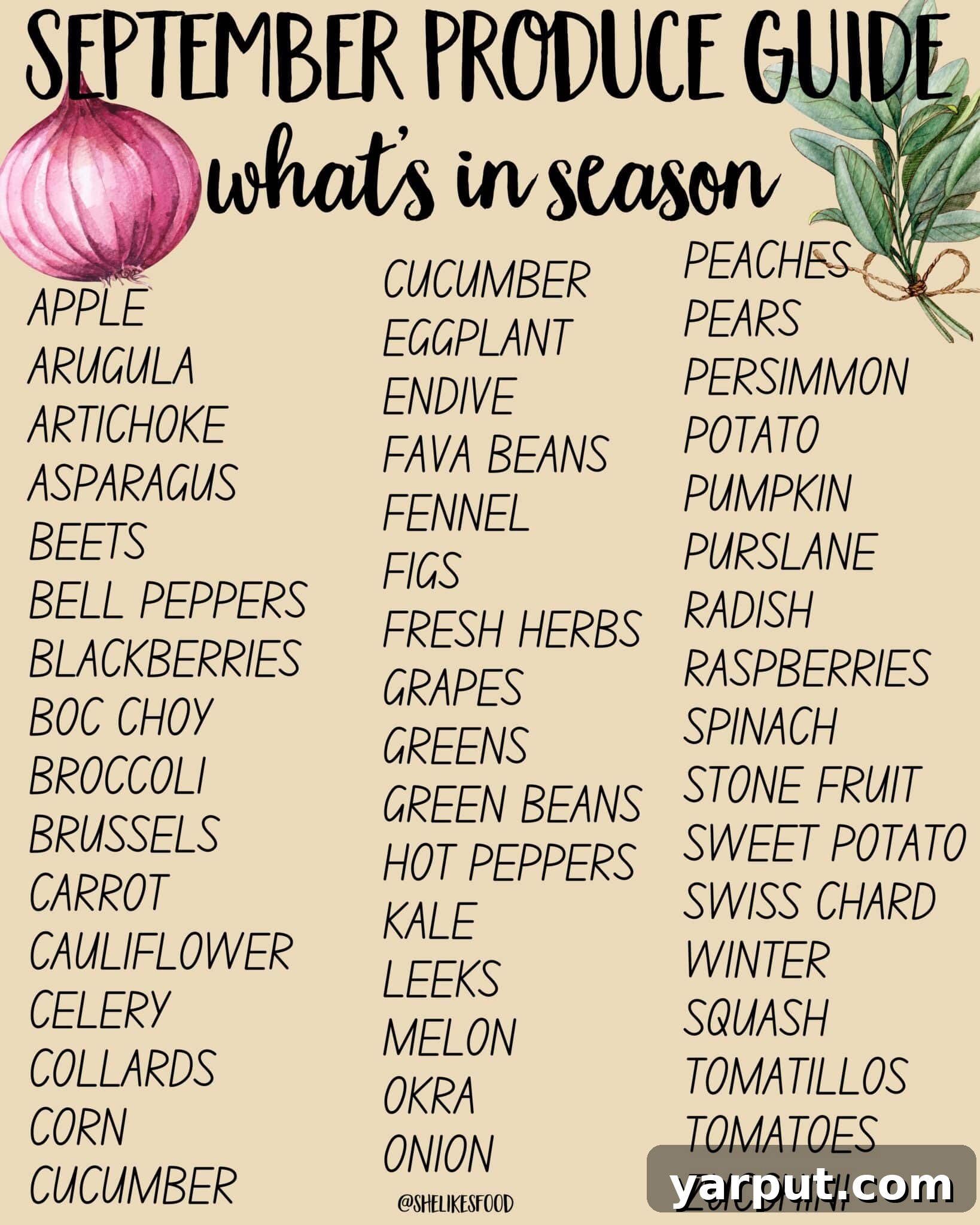
As the sun begins its gentle descent on summer, September ushers in a beautifully transitional period, marked by the autumnal equinox around the 22nd. This captivating month represents a unique culinary crossroads, where the last vestiges of summer’s vibrant bounty – think sweet corn, juicy tomatoes, and tender zucchini – gracefully intertwine with the burgeoning harvest of autumn’s quintessential delights. Crisp apples, earthy sweet potatoes, and plump pumpkins begin to make their grand appearance, signaling a shift in flavors and traditions. Across the nation, while some regions embrace the crisp, cooler air and witness the breathtaking spectacle of leaves changing color, others still bask in the lingering warmth of 90-degree days. This delightful blend of late summer and early fall weather offers an incredible canvas for seasonal cooking, inspiring a diverse array of recipes that celebrate the very best of both worlds. Join us this month as we delve into the rich tapestry of September’s produce, designed to inspire your kitchen with the changing seasons!
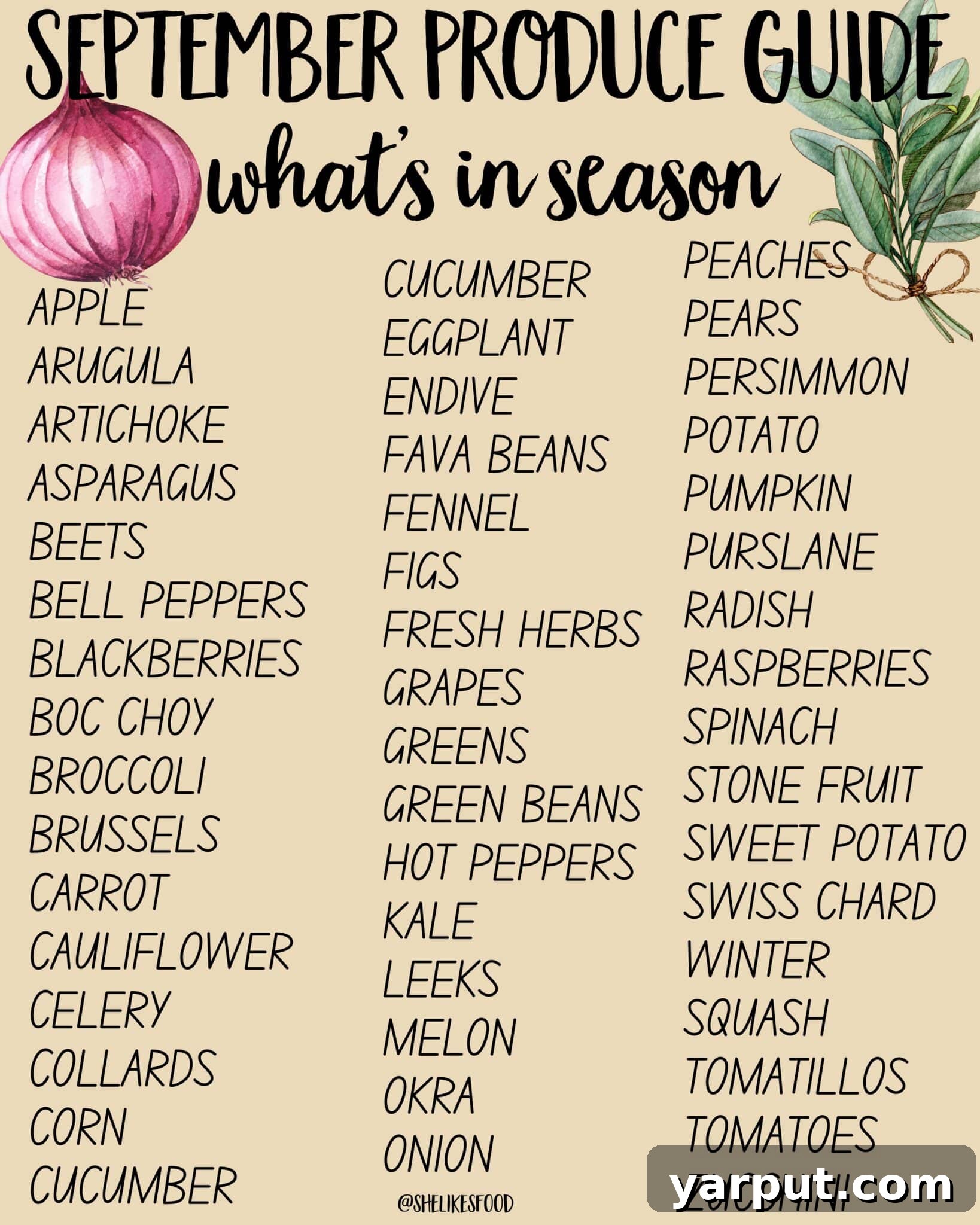
Welcome to our comprehensive September Produce Guide! September truly stands out as one of the most exciting months for culinary enthusiasts and home cooks, offering an unparalleled diversity in fresh, seasonal ingredients. It’s a time when many home gardens reach their peak, with prolific tomato vines still yielding their ruby-red treasures, while simultaneously, the first hearty pumpkins announce the arrival of autumn. This unique overlap makes September an ideal time to creatively combine the light, fresh flavors of summer recipes with the comforting, warm notes that define early fall cuisine. While October will fully immerse us in the robust world of autumn fruits and vegetables, September provides a precious window to savor and celebrate the final harvests of summer crops. Don’t miss the opportunity to incorporate these fleeting delights into your meals before they transition out of season.
Below, we’ve carefully curated and highlighted some of our absolute favorite produce items that thrive during this late summer and early fall period. For each, you’ll find engaging information about their characteristics, diverse culinary applications, and impressive health benefits, alongside convenient links to delicious recipes that showcase them in innovative ways.
*A quick note for our readers: Growing seasons can vary significantly across different regions. What’s abundantly in season in one area might be nearing its end or just beginning in another. For instance, in high desert climates, where growing seasons are typically shorter, crops like tomatoes and zucchini might only be planted in mid-to-late May, with harvests commencing in late June or early July. Always consider your local climate and farming practices when planning your seasonal menus.
Your Essential September Produce Guide: Celebrating Seasonal Harvests
Apples: Crisp Bites of Autumn’s Arrival
Apples, cherished symbols of autumn, are members of the Rosaceae family, a botanical group that also includes a delightful array of other popular fruits like strawberries, peaches, and cherries, as well as nuts like almonds. While many of us instinctively associate apples with the quintessential fall season, September often graces us with several late-season varieties that are at their peak ripeness right now. Keep an eye out for exceptional choices such as the Honeycrisp, known for its explosive juiciness and balanced sweetness; the Braeburn, offering a wonderful tart-sweet flavor and firm texture; and the Cortland, celebrated for its resistance to browning and mild, sweet taste. Apples are remarkably versatile, seamlessly integrating into both sweet and savory culinary creations. They lend a delightful, refreshing sweetness and a satisfying crunchy texture when enjoyed raw, making them perfect additions to everything from wholesome baked oatmeal and fluffy muffins to crisp salads and savory stuffings. Their ability to enhance a dish, whether with a burst of freshness or a comforting warmth, makes them a true kitchen staple.
The timeless adage, “An apple a day keeps the doctor away,” rings true given the impressive array of health benefits packed into this beloved fruit. Apples are an excellent source of essential nutrients, including vitamin C, a powerful immune booster; dietary fiber, crucial for digestive health and satiety; and a rich spectrum of antioxidants, which combat oxidative stress in the body. Beyond these fundamental benefits, apples are known to contribute to cardiovascular health by helping to lower “bad” LDL cholesterol levels. Their fiber content also plays a significant role in weight management by promoting feelings of fullness. Perhaps less commonly known, apples are lauded for boosting brain health; they are particularly high in flavonoids, potent plant compounds recognized for their anti-inflammatory properties. These flavonoids can help reduce inflammation within the brain, potentially lowering the risk of neurodegenerative diseases such as Alzheimer’s. Incorporating apples into your daily diet is a simple yet effective way to nourish your body and mind.

Caramelized Apple and Peanut Butter Baked Oatmeal Cups
Refreshing Kale Salad with Apples
Fennel and Apple Slaw
Easy Apple Crisp Breakfast Bowls
Easy Apple Pie Bites
Beets: Earthy Jewels of Nutrition
Beets are vibrant root vegetables belonging to the Chenopodioideae subfamily, which also includes other nutrient-dense greens like spinach, Swiss chard, and the widely cultivated sugar beet. While best known for their distinctive, intense red-purple hue, beets come in a surprising array of colors, including striking golden yellow, striped candy cane, and even white varieties, each offering a slightly different flavor profile. Both the root and the leafy greens of the beet plant are entirely edible and highly nutritious, capable of being enjoyed raw or cooked. For a fresh approach, try grating raw beetroots into salads for a burst of color and earthy sweetness, or thinly slicing and roasting them until they achieve a delightfully tender, almost meaty texture. Beyond roasting, beets are incredibly versatile: they can be pickled for a tangy kick, steamed gently to preserve their nutrients, or even lightly fried for a unique side dish. Their characteristic earthy flavor, subtly underscored by a natural sweetness, makes them a distinctive and rewarding addition to many culinary creations.
Beets are celebrated for their profound health benefits, supporting various bodily functions from cardiovascular health to digestion and inflammation reduction. They are particularly rich in nitrates, compounds that the body converts into nitric oxide, which helps to relax and widen blood vessels, thereby contributing to lower blood pressure. Beets offer excellent liver support, aiding in detoxification processes, and their high fiber content promotes improved digestion and gut regularity. Furthermore, these root vegetables are packed with powerful antioxidants, including betalains (responsible for their deep red color), vitamin C, choline, and vitamin K, all of which work synergistically to reduce inflammation throughout the body. As root vegetables, beets are often considered “grounding” foods, believed to help cultivate a sense of stability and connection. Their abundance of phytonutrients, natural compounds found in plants, further enhances their disease-fighting capabilities, contributing significantly to overall wellness and disease prevention.
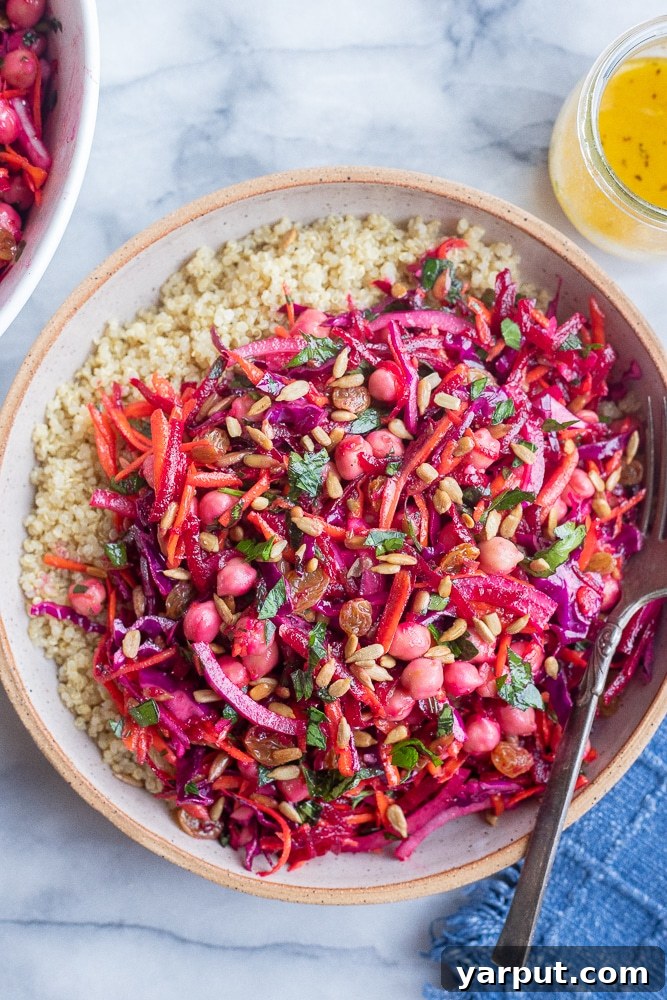
Beet and Carrot Salad with Chickpeas
Goat Cheese Beet and Balsamic Puff Pastry Bites
Beet and Cherry Smoothie
Vegan Beet Burgers with Brown Rice
Roasted Beet Chickpea and Black Rice Bowls
Healthier Chocolate Cupcakes with Raspberry and Beets
Bell Peppers: Colorful Culinary Stars
Bell peppers are a beloved staple in kitchens worldwide and are part of the nightshade family, a diverse group that includes tomatoes, eggplants, and potatoes. All varieties of peppers typically thrive and are in season during late summer and early fall, offering a bounty of flavors and colors. Among these, bell peppers are perhaps the most frequently used in everyday cooking due to their mild, sweet flavor and crunchy texture. While green and red bell peppers are the most common sights in recipes like pizzas and fajitas, they also come in a spectrum of other vibrant colors, including sunny yellow, brilliant orange, and even deep purple. Green bell peppers tend to have a slightly more bitter, grassy note, whereas the red, yellow, and orange varieties are considerably sweeter, making them excellent for raw consumption. Their versatility is truly remarkable; they can be chopped and incorporated into a vast array of dishes, from hearty soups and refreshing salads to scrambled eggs, wraps, and casseroles. Enjoy them raw with creamy ranch dip or hummus for a healthy snack, or transform them through sautéing, roasting, or simmering in soups for a deeper, sweeter flavor.
Bell peppers are exceptional for supporting immune health, primarily due to their remarkably high content of vitamin C. This essential vitamin is critical for maintaining a robust immune system, playing a key role in the body’s defense against illness and infection. Beyond immunity, vitamin C is also vital for wound healing and the production of collagen, a protein crucial for healthy skin, bones, and connective tissues. Furthermore, bell peppers are rich in a variety of potent antioxidants. These beneficial molecules work to neutralize harmful free radicals within the body, which, if left unchecked, can cause cellular and tissue damage. By protecting the immune system and cells from oxidative stress, bell peppers contribute significantly to overall health and resilience. Regular consumption of these colorful vegetables is a delicious way to fortify your body’s natural defenses.

Vegetarian Stuffed Peppers with Cauliflower Rice
Fajita Gnocchi Skillet with Avocado Salsa
Loaded Breakfast Stuffed Peppers
Vegetarian Fajita Rice Casserole
Vegetarian Cheesy Tortellini Casserole
Broccoli: A Verdant Superfood
Broccoli, a celebrated cruciferous vegetable, proudly belongs to the mustard family (Brassicaceae), sharing its lineage with other nutritional powerhouses such as cabbage, Brussels sprouts, and kale. While there are a few distinct varieties of broccoli, the most commonly cultivated and consumed type in the United States is Calabrese broccoli, instantly recognizable by its sturdy green stalks and dense florets. This versatile vegetable can be enjoyed in a multitude of ways, whether raw for a crisp bite, perfectly roasted to bring out its nutty sweetness, gently steamed to retain its vibrant color and nutrients, or quickly stir-fried for a delicious meal. For salads, I often recommend finely chopping raw broccoli into bite-sized pieces to add texture and a fresh crunch. Keeping steamed or frozen broccoli on hand is a smart strategy for effortless meal preparation, allowing you to easily toss it into pasta dishes, stir-fries, or even blend it into creamy soups for an added boost of nutrition.
Broccoli truly lives up to its reputation as a powerhouse vegetable, offering a wealth of health benefits. It is densely packed with an impressive array of antioxidants, compounds that play a crucial role in reducing unwanted inflammation throughout the body and protecting cells from damage. Furthermore, broccoli is an excellent source of both dietary fiber, essential for maintaining healthy digestion and promoting gut regularity, and vitamin C, a vital nutrient that significantly boosts the immune system. Remarkably, a single cup of broccoli provides approximately as much vitamin C as an orange, highlighting its potent immune-supporting capabilities. Beyond these, broccoli also contains sulforaphane, a unique sulfur-containing compound widely studied for its potential anti-cancer properties and its ability to support the body’s detoxification pathways. Regular consumption of broccoli is a delicious and effective way to nourish your body and contribute to long-term health and well-being.

Chili Garlic Broccoli with Chickpeas
Tahini Roasted Broccoli
Crunchy Broccoli Salad with Maple Mustard Dressing
Veggie Packed Broccoli Cheddar Soup
Crunchy Baked Broccoli with Spicy Soy Sauce
Cheesy Broccoli Rice Casserole Bites
Brussels Sprouts: From Misunderstood to Mainstay
Brussels sprouts, those delightful miniature cabbages, are members of the Brassicaceae family, also known as the cruciferous vegetable family. This esteemed group includes other nutritional powerhouses like broccoli, cauliflower, kohlrabi, and kale. They are particularly fascinating as they grow in tight, compact buds along a thick, upright stalk. Historically, Brussels sprouts often earned a bad reputation, frequently associated with over-steaming, which can result in an unappetizing strong odor and mushy texture. However, when prepared correctly, they can be incredibly delicious and are now a celebrated ingredient in many culinary circles. Brussels sprouts are wonderfully versatile and can be enjoyed both raw and cooked. For a fresh and crisp addition to salads or slaws, try thinly shaving raw sprouts. Their firm texture and slightly peppery flavor truly shine when roasted until caramelized and slightly crispy, or when quickly sautéed. While steaming remains an option, to ensure the best flavor and texture, avoid over-steaming and always season generously with at least salt and freshly ground pepper.
Vegetables belonging to the cruciferous family, including Brussels sprouts, are brimming with exceptional health benefits. They are an excellent source of dietary fiber, crucial for digestive health and regularity, and are packed with potent antioxidants that help protect the body’s cells from damage. Furthermore, Brussels sprouts are rich in essential vitamins, including a significant amount of vitamin C, which supports immune function, and vitamin K, vital for blood clotting and bone health. They also contain carotenoids, precursors to vitamin A, beneficial for vision and skin health. A standout compound in Brussels sprouts is sulforaphane, widely researched for its potential anti-cancer properties and its ability to help lower blood pressure and cholesterol levels, contributing to cardiovascular wellness. For individuals who may experience digestive sensitivities to cruciferous vegetables, particularly when consumed raw, it is often recommended to cook them thoroughly and start with smaller portions. This approach can help minimize any potential stomach upset while still allowing you to enjoy their remarkable nutritional advantages.

Roasted Brussels Sprout Bowls with Honey Mustard Dressing
Lemon Pepper Roasted Brussels Sprouts
Shaved Brussels Sprout Salad
Easy Roasted Vegetable Pasta with Parmesan
BBQ Roasted Brussels Sprouts
Carrots: Nature’s Sweet & Crunchy Treat
Carrots, widely recognized as springtime root vegetables, are remarkably easy to cultivate, thriving in various garden settings. While the bright orange variety is the most common sight in grocery stores and on dinner plates, these versatile vegetables also come in a stunning rainbow of colors, including purple, yellow, white, and red, each offering subtle differences in flavor and appearance. Carrots exhibit a range of sizes and shapes, from short and stout to long and slender, tailored to different growing conditions and culinary uses. It’s an interesting fact that “baby carrots” as we know them are typically not a distinct variety but rather regular-sized carrots that have been cut, peeled, and polished into smaller, convenient portions. I personally love snacking on raw carrots, either on their own for a crisp, refreshing bite or grated into salads and wraps for added texture and sweetness. Beyond raw consumption, carrots are incredibly adaptable: they can be roasted to deepen their natural sugars, sautéed, incorporated into savory soups and stews, or even baked into delightful treats like moist carrot cakes or muffins. Their inherent sweetness and earthy notes allow them to star in both sweet and savory recipes, making them a truly indispensable vegetable in the kitchen. In the U.S., they are perhaps most popularly enjoyed raw with dips like ranch or hummus, or as the star ingredient in classic carrot cake.
It is indeed true that carrots live up to their reputation for being good for your eyes! This well-known benefit stems from their exceptionally high content of beta-carotene, a powerful antioxidant that the body efficiently converts into Vitamin A. Vitamin A is absolutely essential for maintaining healthy vision, particularly in low light conditions, and for overall eye health. Beyond their ocular advantages, carrots are also an excellent source of dietary fiber and a variety of antioxidants. The fiber content plays a vital role in promoting healthy digestion, preventing constipation, and can even contribute to lowering the risk of heart disease. Specifically, the soluble fiber found in carrots binds to cholesterol particles in the digestive tract, helping to usher them out of the body and reduce overall cholesterol levels. Their antioxidant profile further protects cells from damage caused by free radicals, contributing to long-term health and wellness. Incorporating carrots into your diet is a simple and delicious way to support your eyes, heart, and digestive system.

Carrot and Chickpea Salad with Orange Maple Dressing
Roasted Carrot and Dill Hummus
Noodles with Cabbage and Carrots
Carrot Cake Muffins
Curried Sweet Potato Carrot and Red Lentil Soup
Corn: Sweet Harvest of Late Summer
Corn, a staple of many diets and a quintessential symbol of late summer, is botanically classified within the grass family and, surprisingly, is technically considered a fruit. The peak of summer often brings with it the undeniable joy of corn on the cob, a truly delightful way to experience the fresh, sweet flavor of this seasonal produce. Globally, there are numerous types of corn, with around 17 distinct varieties. In the United States, Dent, or field corn, is the most extensively grown type, primarily used for animal feed and industrial purposes. However, sweet corn, prized for its tender kernels and sugary taste, is incredibly popular for human consumption, especially when purchased fresh or canned. For convenience and year-round accessibility, canned or frozen corn often becomes a kitchen staple. Corn’s exceptional versatility allows it to be incorporated into an astonishing array of recipes, from vibrant corn salsas and comforting cornbread to hearty soups and savory tacos. It can be served both warm and cold, making it a flexible addition to salads, chili, and numerous other dishes, enhancing them with its unique texture and sweetness.
Corn offers a wealth of health benefits, attributed to its rich composition of fiber, essential vitamins, vital minerals, and protective antioxidants. It is an excellent source of both soluble and insoluble fiber, making it remarkably beneficial for digestive health. You might wonder why corn sometimes appears undigested in stool; this is because the outer layer of the corn kernel is composed of cellulose, a type of fiber that humans cannot fully digest. However, rest assured that before this outer layer passes, your body has effectively absorbed the vast majority of corn’s valuable nutrients from the inner parts of the kernel. The fiber in corn is also instrumental in regulating blood sugar levels by slowing down the absorption of glucose into the bloodstream, which helps prevent sharp spikes. Moreover, corn contains important antioxidants such as lutein and zeaxanthin, which are particularly beneficial for eye health, protecting against age-related macular degeneration. Regular inclusion of corn in your diet contributes to a well-rounded nutritional intake and supports various bodily functions.

Cauliflower: The Adaptable Florets
Cauliflower is a highly valued member of the cruciferous vegetable family, sharing its robust nutritional profile with other notable relatives like broccoli, kohlrabi, kale, and Brussels sprouts. While the crisp white variety is the most common and widely used, cauliflower also comes in fascinating hues such as vibrant purple and sunny yellow, each offering a slightly different visual appeal and subtle flavor nuances. Fortunately, these different colored varieties can generally be used interchangeably in most recipes without compromising the dish. Cauliflower’s culinary adaptability is truly impressive, allowing it to be prepared in countless ways. It can be perfectly roasted to achieve a tender, caramelized sweetness, gently steamed to maintain its delicate texture, charred for a smoky flavor, pureed into creamy soups or sauces, and even transformed into a popular low-carb “rice” alternative. My personal favorite way to prepare cauliflower, as depicted below, involves coating the florets in a light batter and a crispy breading, baking them to a golden perfection, and then tossing them in a rich, flavorful sauce. This method creates a satisfying texture and unlocks a delicious depth of flavor.
Cauliflower delivers similar, impressive health benefits characteristic of most other cruciferous vegetables. It stands as an excellent source of dietary fiber, crucial for healthy digestion and gut regularity, and is packed with a diverse range of antioxidants that help combat cellular damage. Furthermore, it provides significant amounts of essential vitamins, including vitamin C, a powerful immune system booster, and vitamin K, vital for blood clotting and bone health. Cauliflower also contains beneficial carotenoids, which are important for overall well-being. A key compound found in cauliflower is sulforaphane, a sulfur-rich molecule that has been extensively studied for its potential to help lower blood pressure and cholesterol, contributing to cardiovascular health. For individuals who may find cruciferous vegetables challenging to digest, especially when consumed raw, it is often recommended to cook them thoroughly and introduce them in smaller portions. This careful approach can help mitigate any potential stomach upset while still allowing you to reap the numerous nutritional rewards that cauliflower has to offer.

Crispy Teriyaki Cauliflower
Golden Roasted Cauliflower with Coconut Curry Tahini Dressing
Cauliflower Parmesan
Buffalo Cauliflower Tacos with Ranch Slaw
Vegetarian Cauliflower Fried Rice
Fresh Herbs: Aromatic Enhancers for Every Dish
Fresh herbs encompass a delightful mix of annuals and perennials, each contributing unique flavors and aromas to the kitchen. Annual herbs like basil and cilantro grace our gardens for a single season, requiring replanting each year to enjoy their fresh bounty. In contrast, perennial herbs such as sage, thyme, lavender, and mint return year after year, offering a continuous supply of their aromatic leaves. Fresh herbs are generally less potent than their dried counterparts, allowing for generous use to impart vibrant flavor and color to a wide variety of recipes. They are invaluable for adding a fresh, fragrant garnish to finished dishes like pastas, salads, and soups, instantly elevating their presentation and taste. Beyond mere garnishing, fresh herbs can also play a more central role as a main ingredient. One of my favorite uses for an abundance of fresh herbs is making pesto; it’s incredibly versatile and can be crafted not only with traditional basil but also with other herbs like refreshing mint or zesty cilantro, offering exciting flavor variations.
Herbs are renowned for being incredibly potent, and their use in healing capacities dates back centuries across various cultures. Each herb possesses a unique profile of compounds that contribute to its specific health benefits. For instance, powerful herbs like garlic, turmeric, oregano, and sage are widely recognized for their ability to boost the immune system, helping the body ward off infections and maintain robust health. Meanwhile, ginger, peppermint, parsley, and basil are celebrated for their digestive aid properties, helping to soothe upset stomachs, reduce bloating, and promote efficient digestion. The incredible benefits of herbs can be effortlessly integrated into your daily routine by incorporating fresh herbs into your cooking or by opting for high-quality dried herb capsules as supplements. However, it is always a prudent practice to consult with your doctor or a qualified healthcare professional before beginning any new herbal supplement regimen, especially if you have underlying health conditions or are taking other medications, to ensure safety and appropriateness.

Vegan Pesto Recipe
Herby Lemon Jalapeno Pasta
Herby Cucumber Salad with Feta and Chickpeas
Cilantro Lime Cucumber Salad with Avocado
Avocado Pesto Sauce
Green Beans: Slender Pods of Goodness
Green beans, a cherished vegetable in many cuisines, belong to the pea family, Fabaceae, and boast an astonishing diversity with over 500 known varieties. As their name suggests, these elongated pods are most commonly green, but nature also surprises us with beautiful yellow (wax beans) and striking purple varieties, which typically turn green when cooked. Green beans thrive as mid-to-late summer crops, growing as either bushy plants or vine-like climbers that eagerly scale poles or trellises. While I adore the crisp, fresh taste of raw green beans, I usually find myself preparing them cooked. Last year, I relished them fresh from my garden, a truly unparalleled experience. For year-round enjoyment, I often keep a supply of frozen green beans on hand, as they retain much of their fresh flavor and crispness. Canned green beans are also widely available in grocery stores, though in terms of quality and texture, I generally find frozen varieties to be superior. Their mild, slightly sweet flavor and satisfying snap make them a versatile addition to countless dishes.
Green beans are exceptionally nutrient-rich, offering a wide spectrum of health benefits that support nearly every process within the human body. They are particularly high in vitamin C, a powerful antioxidant and immune booster; vitamin K, crucial for blood clotting and bone health; and folate, essential for cell growth and DNA formation. Additionally, green beans are a good source of dietary fiber, iron, and various other antioxidants. Due to this comprehensive nutritional profile, they are incredibly helpful for promoting healthy digestion, bolstering the immune system, supporting heart health, and aiding in healthy weight management. Their contributions extend to eye health, proper fetal development during pregnancy, maintaining healthy blood, and even potentially playing a role in cancer prevention through their antioxidant compounds. Incorporating green beans into your diet is a simple yet effective way to ensure a robust intake of vital nutrients for overall wellness.
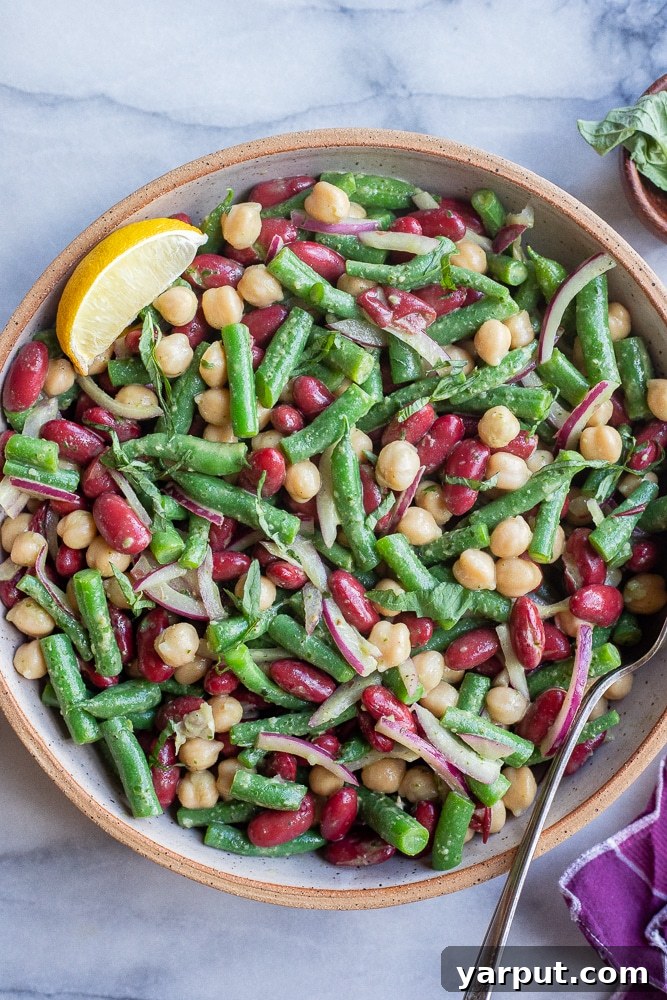
The Best Easy Green Beans
Miso Sesame Green Beans
Three Bean Salad with Basil Vinaigrette
Vegan Green Bean Casserole
Egg Free Crispy Baked Green Bean Fries
Kale: The King of Leafy Greens
Kale, widely hailed as a superfood, is a proud member of the Cruciferae family, a diverse group of vegetables known for their impressive nutritional profiles. This hearty green comes in a few distinct varieties, each offering unique textures and appearances: curly kale, with its crinkly, ruffled leaves; lacinato kale (also known as dinosaur or Tuscan kale), characterized by its dark, often blue-green, bumpy leaves; and vibrant purple kale, which adds a striking pop of color. What makes kale particularly resilient is its ability to withstand colder temperatures, often becoming even sweeter after a frost. In recent years, baby kale has gained significant popularity; while still robust in flavor, its tender leaves are somewhat more similar in texture to baby spinach or lettuce, making it a gentler introduction for some. Kale can be delightfully enjoyed both cooked and raw. For raw applications, I highly recommend massaging the leaves with a little olive oil and lemon juice; this softens their hearty texture and mellows their flavor, making them a refreshing and substantial addition to salads. Its ability to wilt quickly also makes it an ideal ingredient to effortlessly toss into hot soups, stir-fries, and pasta dishes, where it adds a burst of nutrition and vibrant green color.
Kale undeniably earns its “superfood” title due to its extraordinary density of vitamins and nutrients. As a dark leafy green, it is an indispensable component of a healthy diet. Kale stands out for its exceptionally high vitamin content, boasting four times more vitamin C than spinach and twice the amount of selenium, both powerful antioxidants. Furthermore, it is an outstanding source of vitamin K, vital for bone health and blood clotting, and vitamin A, crucial for vision and immune function. Kale is also rich in a variety of other antioxidants, such as quercetin and kaempferol, which help protect the body from oxidative stress and reduce inflammation. Remarkably low in calories yet high in fiber, kale is an excellent food for maintaining a healthy weight and promoting digestive regularity. Its comprehensive nutritional profile makes it an invaluable addition to any diet, supporting overall vitality and disease prevention.

The Best Kale Chips
Chopped Kale Power Salad with Lemon Tahini Dressing
Kale and White Bean Pasta with Parmesan
Garlicky Kale with White Beans and Lemon
Sunshine Kale Salad
Radishes: Zesty, Crunchy & Nutritious
Radishes, known for their peppery bite and crisp texture, are fascinating members of the mustard family and come in an array of different varieties, each with its unique characteristics. The most commonly encountered type are the familiar red radishes, widely available in grocery stores. These small, round, or elongated roots are typically enjoyed raw, delivering a distinctive spicy kick and a refreshing crunch that adds zest to any dish. My preferred method for using them is to thinly slice radishes and scatter them over salads, where they contribute both flavor and visual appeal. However, their versatility extends beyond raw consumption: radishes can be pickled for a tangy, preserved treat, grilled to bring out a subtle smokiness, or even roasted in the oven. Roasting is particularly transformative, as it mellows their characteristic sharp flavor considerably and brings forth an unexpected sweetness, making them a delightful warm side dish. Their quick growing cycle also makes them a favorite among home gardeners, offering an early and satisfying harvest.
Despite their modest size, radishes truly pack a significant nutritional punch. Just a mere half a cup of sliced radishes provides an impressive 14 percent of your daily recommended intake of vitamin C, a powerful antioxidant crucial for bolstering the immune system and protecting cells from damage. They are also instrumental in supporting a healthy digestive system; that same half-cup serving contains 1 gram of dietary fiber, aiding in regularity and gut health. Radishes are also recognized as natural antifungals, contributing to a balanced internal environment by helping to keep yeast growth, such as candida, in check. Furthermore, for those mindful of their caloric intake, radishes are an excellent choice: one cup contains only about 9 calories and is virtually fat-free. This low-calorie, high-fiber combination makes them a fantastic food for healthy weight management, allowing for guilt-free enjoyment while providing essential nutrients. Incorporating radishes into your diet is a simple and delicious way to enhance your overall health and well-being.

Roasted Radishes with Garlic and Herbs
Veggie Sushi Bowls with Quick Pickled Radishes
Crunchy Ranch Salad with Crispy Quinoa
Loaded Black Bean Salad
Salt and Vinegar Potato Salad
Roasted Sweet Potato Black Bean Salad with Kale
Sweet Potatoes: Comforting Roots of Fall
Sweet potatoes, those comforting and nutritious root vegetables, belong to the morning glory family, a botanical group that also includes ornamental plants like bindweed and moonflower, as well as the less common (in the US) water spinach. These versatile tubers come in a beautiful spectrum of colors, including the familiar vibrant orange, deep red, and even striking purple varieties, each offering slightly different flavor profiles and nutritional benefits. As root vegetables, sweet potatoes grow beneath the soil, while their edible greens flourish above ground. While the greens are indeed nutritious and consumed in some cultures, the potato portion is far more commonly eaten. My absolute favorite way to prepare sweet potatoes is by roasting them. I enjoy dicing them into hearty chunks or slicing them into thin, fry-like shapes, then tossing them with a medley of aromatic spices until tender and caramelized. Beyond roasting, sweet potatoes are incredibly adaptable: they can be mashed into a creamy side dish, baked whole like a traditional potato and adorned with your favorite toppings, or even incorporated into sweet desserts and savory stews. Their natural sweetness and creamy texture make them a universally loved ingredient.
Sweet potatoes are celebrated for their impressive array of health benefits, being exceptionally rich in essential vitamins, minerals, and antioxidants. They are a powerhouse of vitamin A (in the form of beta-carotene), crucial for vision, immune function, and skin health, and also provide significant amounts of vitamin C, potassium, and dietary fiber. The fiber content in sweet potatoes is a beneficial blend of both soluble and insoluble types, which collectively plays a vital role in promoting optimal digestion, maintaining gut health, and regulating blood sugar levels. Furthermore, the potassium and magnesium found in sweet potatoes are key minerals that contribute to cardiovascular wellness; they can help reduce blood pressure and significantly lower the risk of stroke. These minerals also play a part in managing cholesterol levels. Notably, purple sweet potatoes contain potent anthocyanins, the same antioxidants found in blueberries, which are particularly effective in reducing inflammation within the brain and have been linked to a lower risk of developing memory issues later in life. Incorporating sweet potatoes into your diet is a delicious and nutrient-dense choice for overall health.

Roasted Sweet Potato Hummus Wraps with Honey Mustard
Sheet Pan Sweet Potato Fajitas with Black Beans
Roasted Sweet Potato Hash
Vegan Sloppy Joe Stuffed Sweet Potatoes
Sweet Potato Pie Bars
Tomatoes: Garden Gems of Summer’s End
Tomatoes, often treated as vegetables in the kitchen, are botanically classified as fruits and belong to the diverse nightshade family. This family also includes potatoes, eggplants, and peppers. There are an astounding number of tomato varieties, each offering unique flavors, textures, and appearances. Most varieties share a common thread of being wonderfully sweet and juicy, ranging in size from tiny, bite-sized cherry tomatoes to substantial, fleshy beefsteak tomatoes. Tomatoes are undoubtedly one of my absolute favorite ingredients due to their incredible versatility and the myriad ways they can be incorporated into cooking. There’s nothing quite like the taste of a fresh tomato, plucked straight from the garden, perhaps simply sprinkled with salt and pepper. Uncooked tomatoes are perfect for adding bursts of freshness to salads, sandwiches, and elegant appetizer trays. When cooked, their flavors deepen, making them ideal for rich salsas, simmering pasta sauces, or homemade ketchup. The culinary possibilities are truly endless, and let’s not forget the concentrated, intense flavor of sun-dried tomatoes, a pantry essential that adds a gourmet touch to many dishes.
Tomatoes are brimming with powerful antioxidants, which are crucial for neutralizing harmful free radicals in the bloodstream and protecting cells from damage. Notably, their high content of lycopene, a potent carotenoid responsible for their red color, along with potassium, significantly contributes to reducing the risk of chronic diseases, including various forms of heart disease and certain cancers. Lycopene specifically helps lower “bad” LDL cholesterol and prevents artery blockages by inhibiting cholesterol synthesis and increasing the breakdown of existing LDL particles. Furthermore, tomatoes are an excellent source of vitamin C, an essential nutrient that actively supports and boosts the immune system, enhancing the body’s natural defense mechanisms. Their comprehensive nutritional profile makes tomatoes a vital component of a healthy, balanced diet, promoting overall well-being and disease prevention.
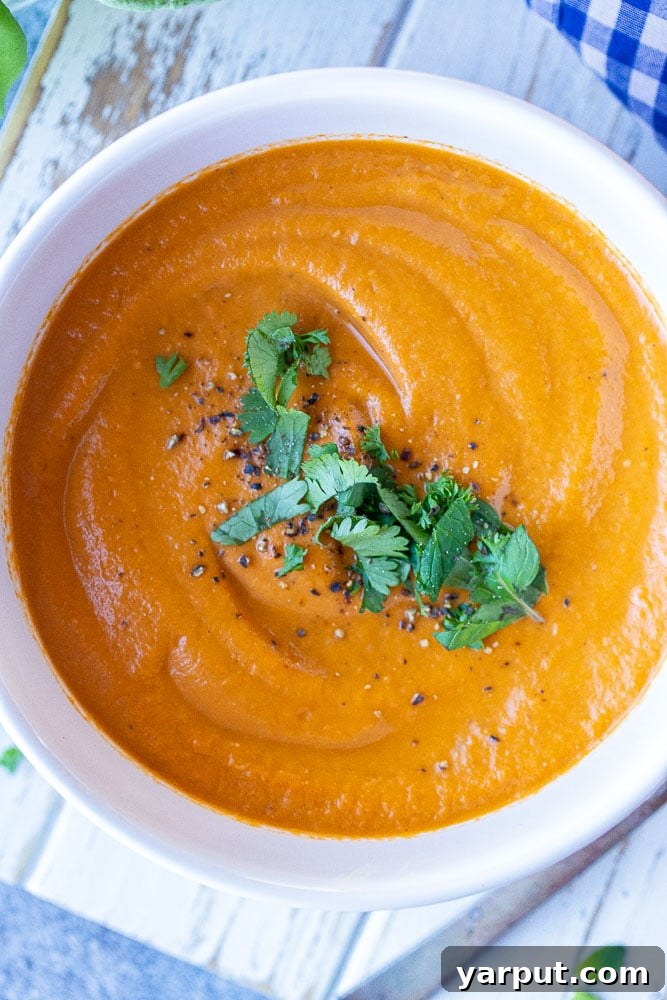
Guacamole Stuffed Tomatoes
Sun-Dried Tomato Pesto Pasta
Creamy Roasted Tomato Soup
Herby Parmesan Tomato Pasta Salad
Summer Squash and Tomato Pizza
Tomato Herb Butter Beans with Pesto Rice
Zucchini: The Versatile Summer Squash
Zucchini, a highly popular and wonderfully versatile summer squash, is a member of the Cucurbitaceae family and is famously known for being an incredibly prolific garden plant. Most people are familiar with the standard long, green zucchini commonly found in grocery stores. However, the world of zucchini extends to other varieties, including vibrant yellow zucchini and various heirloom types, all sharing a similar mild flavor profile. Zucchini on its own possesses a very subtle taste, making it an excellent canvas for absorbing the flavors of other ingredients. It also softens beautifully when cooked. While it can be enjoyed raw, perhaps thinly sliced or spiralized, it is most often seen sautéed, roasted, grilled, or mixed into beloved baked goods such as classic zucchini bread and muffins. For me, zucchini truly shines when cooked until it begins to caramelize and brown, a process that brings out its hidden depth of flavor and a delightful sweetness. This cooking method is perfect for adding zucchini to stir-fries, pasta dishes, fresh salads, savory tacos, and so much more, transforming it from mild to magnificent.
Zucchini is a nutritional powerhouse, boasting a high density of essential nutrients while remaining remarkably low in calories, making it an incredibly beneficial addition to any diet. It is loaded with dietary fiber, vital for maintaining a healthy digestive system and promoting regularity. Its high water content makes it an excellent food for keeping you hydrated, a crucial aspect of overall wellness. Furthermore, zucchini is a good source of potassium, which supports blood pressure regulation, and is rich in vitamins, including vitamin C and various B vitamins. The antioxidants present in zucchini play a significant role in reducing inflammation throughout the body, protecting cells from damage caused by free radicals. This combination of fiber, water, and essential nutrients not only aids in weight management by promoting satiety but also supports numerous bodily functions, contributing to vibrant health and well-being. Incorporating zucchini into your meals is a delicious and easy way to boost your daily nutrient intake.
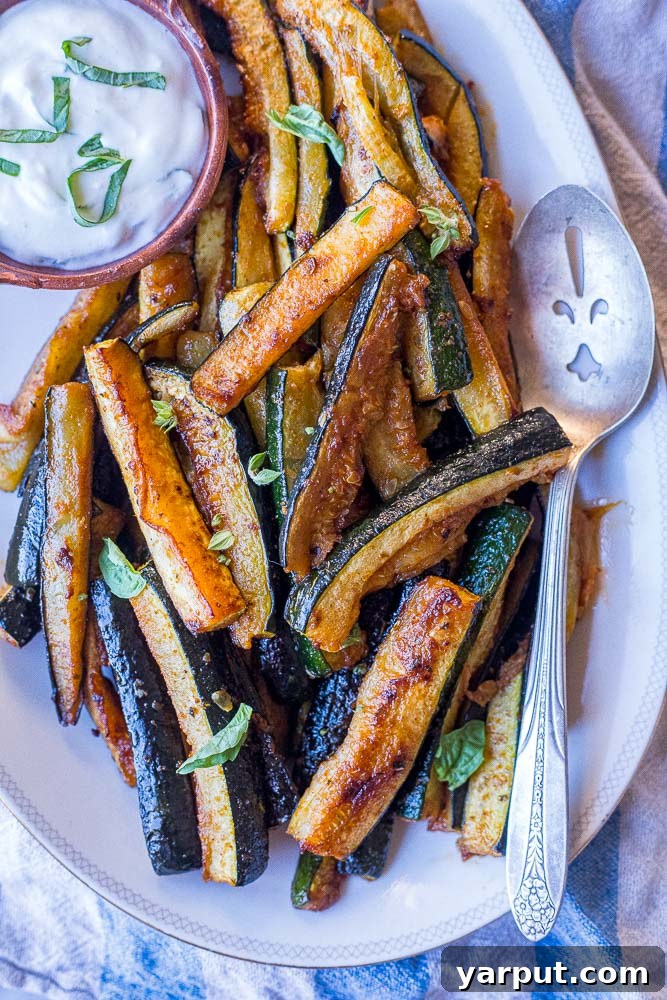
The Best Roasted Zucchini
Blackened Zucchini Tacos
Creamy Curried Zucchini Soup
Corn and Zucchini Quesadillas
Zucchini Apple Carrot Muffins
Winter Squash: The Hearty Harvest of Autumn
When we refer to winter squash, we are encompassing a diverse and delicious category of robust gourds that are all part of the squash, or Cucurbitaceae, family. This group includes popular varieties such as the creamy butternut, the charming acorn, the stringy spaghetti, the delicate delicata, the striking red kuri, and, of course, the iconic pumpkin. Unlike their summer counterparts, winter squashes are known for their hardier nature, thriving in cooler temperatures and possessing a remarkably long shelf life, often lasting for months when stored properly. Their skins vary in thickness and edibility; some, like the butternut squash, require peeling before consumption due to their tough exterior, while others, such as the delicata squash, boast tender, edible skin that can be left on, adding texture and nutrients. In my opinion, winter squash is best enjoyed cooked, which truly unlocks its rich, sweet, and nutty flavors. I particularly love roasting it until tender and slightly caramelized, then adding it to vibrant bowls, hearty wraps, or robust salads. These versatile vegetables also shine in warming soups, comforting stews, and aromatic curries. Spaghetti squash is a unique gem, offering a wonderful stringy texture that makes it an excellent, low-carb alternative to traditional pasta, pairing beautifully with your favorite sauces.
Vegetables within the squash family are highly nutritious and come packed with an impressive array of health-promoting compounds. They are abundant in powerful antioxidants, dietary fiber, essential vitamins like vitamin A and vitamin C, and vital minerals such as potassium. The antioxidants present in squash play a critical role in combating harmful free radicals in the body, which, if unchecked, can damage cells and contribute to various diseases. These beneficial compounds also work to reduce inflammation throughout the body and significantly boost the immune system, helping to protect against illness. Furthermore, winter squash varieties are characteristically low in calories while being high in fiber, a powerful combination that aids in promoting satiety, supporting healthy digestion, and assisting in weight management. Their complex carbohydrates provide sustained energy, making them an excellent choice for a balanced and wholesome diet. Incorporating winter squash into your seasonal meals is a delicious way to enjoy nourishing and comforting foods that contribute significantly to your overall health and vitality.

Roasted Delicata Squash Salad
Acorn Squash Breakfast Bowls
Easy Roasted Butternut Squash Soup
Spicy Peanut Spaghetti Squash Bowls
Butternut Squash Chili with Black Beans