
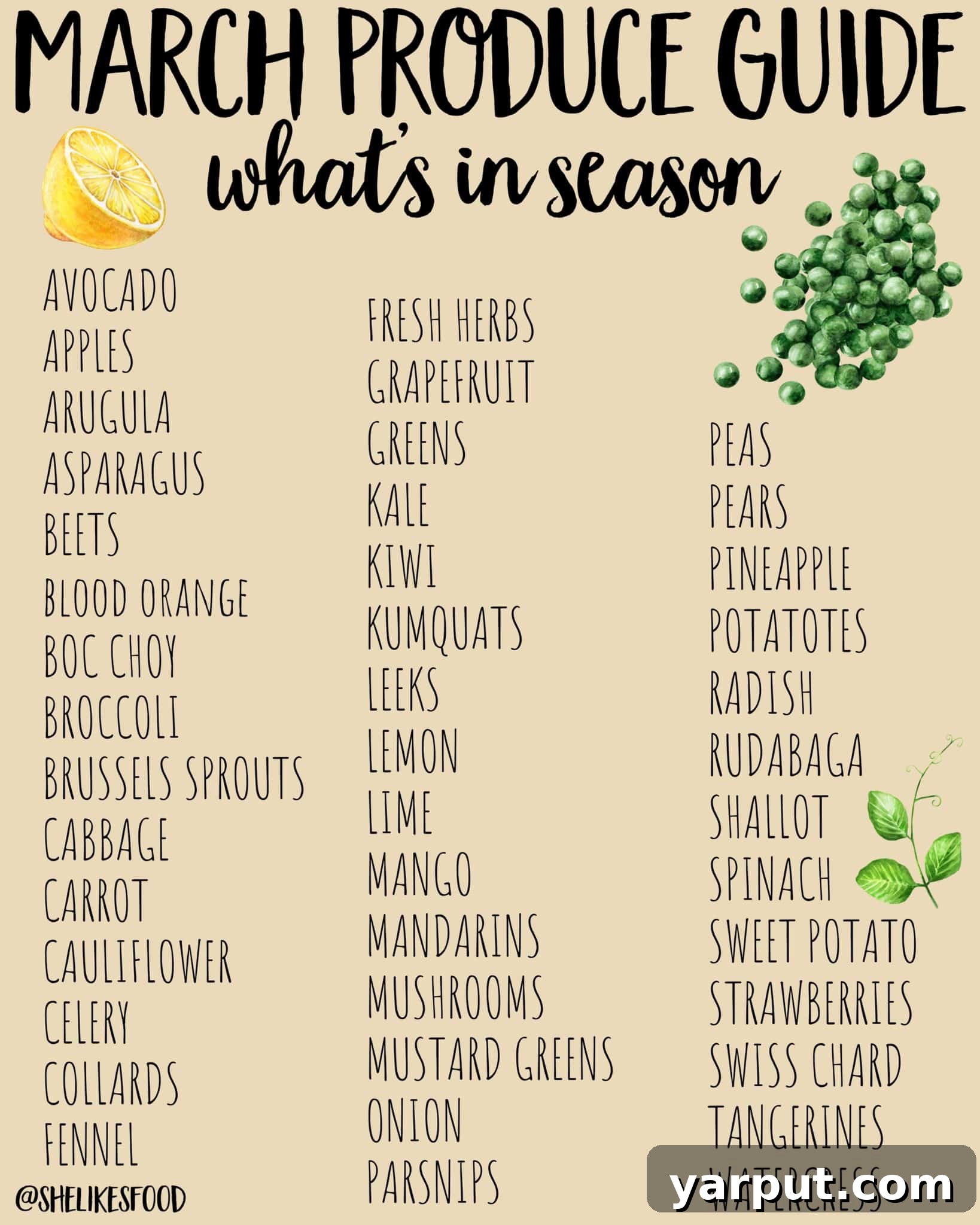
As March unfolds, we eagerly welcome the subtle hints of spring. Depending on your location, you might already be enjoying warmer days and the invigorating promise of new growth. Here in New Mexico, for instance, milder temperatures are often accompanied by refreshing, albeit sometimes breezy, conditions. While my body still craves the comforting warmth of hearty soups and stews, there’s a growing desire for the vibrant freshness that spring produce brings. Eating seasonally, a practice our ancestors inherently followed, aligns perfectly with our body’s evolving nutritional needs. Although modern grocery stores offer year-round access to a global pantry, being mindful of what fruits and vegetables are naturally in season this time of year not only enhances flavor but also supports a healthier lifestyle. Dive into our comprehensive March Produce Guide to explore the delicious bounty awaiting you!
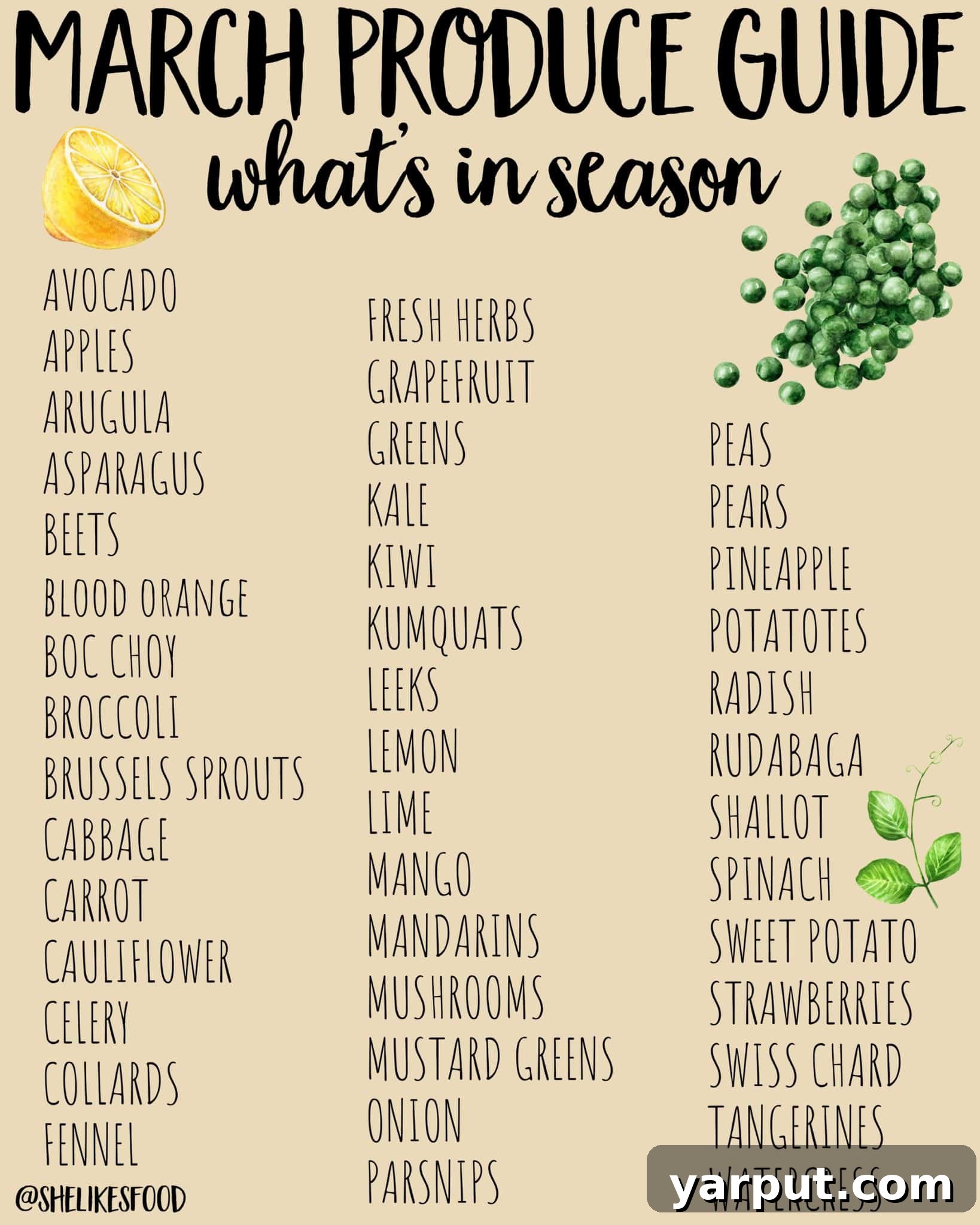
March Seasonal Produce Guide: Embrace Spring’s Freshest Flavors
Welcome to your essential March Seasonal Produce Guide! As the weather gently transitions from the chill of winter to the mild embrace of spring, our gardens and markets begin to burst with exciting new flavors and textures. Here in our corner of the world, we’re not just experiencing warmer days; we’re actively preparing for the upcoming growing season. My tomato seeds are already sprouting indoors, a hopeful prelude to planting them in the outdoor garden in early May, where I anticipate strong, healthy starts.
March truly acts as a vital bridge between the deep slumber of winter and the lively awakening of spring. This is the magical time when we start to see the emergence of tender fresh greens like spinach and arugula, alongside aromatic fresh herbs. The culinary focus subtly begins to shift from heavier winter squashes to crisp, earthy root vegetables such as radishes, sweet potatoes, and carrots. For those in suitable climates, this month also presents an ideal opportunity to plant peas and other fresh herbs, like parsley, directly outside, promising a rewarding harvest soon.
While contemporary grocery stores offer an incredible array of produce regardless of the season, there’s an undeniable pleasure and significant health benefit in choosing what’s naturally in season. You’ll find that incorporating seasonal items like vibrant salad greens and tangy citrus fruits perfectly complements your body’s needs during this transitional period. Beyond the nutritional advantages, produce picked and consumed at its peak season simply tastes better—more flavorful, more aromatic, and truly embodying the essence of the season. Eating seasonally is a delightful way to connect with nature’s rhythm and enjoy food at its finest.
In this guide, we’ll delve into some of my absolute favorite winter and early spring produce items that are abundant in March. Each section will highlight the unique characteristics of these seasonal gems, explore their incredible health benefits, discuss their versatile culinary uses, and offer practical tips for selection and storage. To inspire your culinary adventures, I’ve also linked to a selection of delicious recipes that showcase how to best enjoy these fresh ingredients. Get ready to revitalize your cooking and your diet with the freshest and most vibrant flavors March has to offer!
Featured Seasonal Produce for March
APPLES
While many of us instinctively associate apples with the vibrant hues and crisp air of autumn, March actually brings forth a delightful array of late-season varieties that are still at their peak. These include popular choices like the wonderfully crisp Honeycrisp, the tart Braeburn, and the versatile Cortland apple. These varieties offer a final burst of refreshing flavor before the warmer weather introduces new summer fruits, making them a perfect transitional fruit for your spring culinary explorations.
The timeless adage, “An apple a day keeps the doctor away,” isn’t merely an old saying; it’s deeply rooted in the truth of their nutritional benefits! Apples are nutritional powerhouses, brimming with essential vitamins and minerals. They are an excellent source of Vitamin C, a crucial antioxidant that supports immune function and promotes healthy skin. Their high fiber content, particularly pectin, aids digestion, promotes satiety, helps regulate blood sugar levels, and contributes to gut health. Furthermore, apples are rich in various antioxidants, such as quercetin and catechins, which help protect cells from damage, reduce inflammation, and support cardiovascular health by helping to lower “bad” cholesterol (LDL) and reduce the risk of chronic diseases. Incorporating apples into your daily diet is a simple yet profoundly effective way to boost your overall well-being and enjoy nature’s sweet bounty.
One of the most appealing aspects of apples is their incredible versatility in the kitchen, lending themselves beautifully to both sweet and savory dishes. Their refreshing sweetness and satisfying crunch, especially when enjoyed raw, can elevate a simple salad, add complexity to a savory stuffing for poultry or vegetables, or provide a delightful snack. Imagine the comforting aroma of baked oatmeal infused with diced apples and cinnamon, or the soft texture of apple muffins perfect for breakfast. For savory applications, apples can be thinly sliced into sandwiches, added to coleslaws for a sweet-tart counterpoint, or even roasted alongside root vegetables to balance their earthy flavors. Don’t forget their starring role in classic desserts like apple crisp, pies, and tarts, where their natural sugars caramelize to perfection, creating deeply satisfying treats.
When selecting apples, always look for firm, unblemished fruits with vibrant color and a fresh, appealing scent. Avoid any soft spots, bruises, or signs of wrinkling, as these indicate declining freshness. For optimal storage, keep apples in a cool, dark place or, for extended freshness, in the refrigerator crisper drawer. Stored properly, apples can maintain their crisp texture and flavorful sweetness for several weeks, ensuring you always have a healthy snack or versatile ingredient on hand.
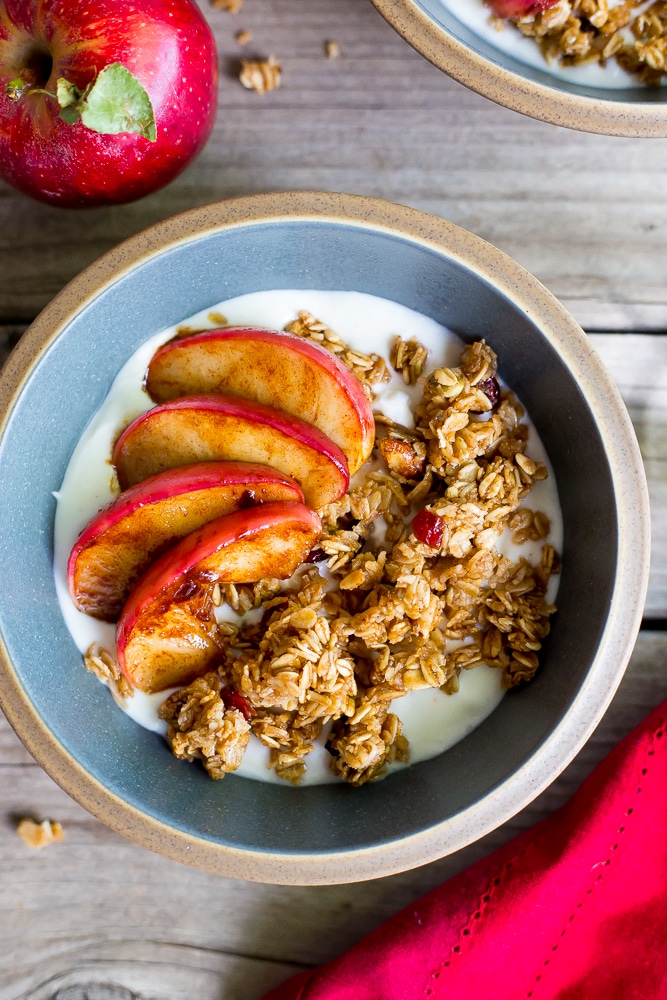
Apple Crisp Breakfast Bowls
Refreshing Kale Salad with Apples
The Greenest Chopped Salad
Best Healthy Apple Cinnamon Muffins
Apple Cinnamon Baked Oatmeal
ARUGULA
Arugula, also widely known as rocket, is a distinctive leafy green belonging to the vigorous mustard family. Celebrated for its unique peppery and slightly bitter flavor, arugula makes a fantastic addition to various dishes, particularly as a vibrant and sophisticated salad green. Its robust taste means that even a small amount can go a long way, adding an exciting kick and complexity to your culinary creations.
Beyond its distinctive flavor, arugula is a nutritional powerhouse, offering an impressive array of health benefits. It’s exceptionally rich in vitamins K and A, which are essential for bone health, blood clotting, and vision, respectively. It also contains significant amounts of Vitamin C, folate, and calcium, contributing to a strong immune system and healthy bodily functions. Furthermore, arugula is packed with beneficial antioxidants and glucosinolates, compounds known for their potential anti-cancer properties and their role in supporting the body’s natural detoxification processes. Its low calorie count combined with its high nutrient density makes it an excellent choice for a healthy diet, contributing to overall wellness and disease prevention.
My preferred way to enjoy arugula is in its raw form, where its peppery bite truly shines. It’s perfect for tossing into fresh salads, layering into sandwiches and wraps for an added zest, or garnishing pizzas and pasta dishes just before serving to add a fresh, vibrant finish. However, arugula is also incredibly versatile when cooked. It can be gently wilted, much like spinach or kale, and incorporated into warm dishes such as sautéed greens, stirred into risottos, or blended into pestos for a unique and flavorful twist. While its slightly bitter and peppery notes might be an acquired taste for some, many, including myself, have grown to truly appreciate its complex flavor profile that elevates it beyond a typical mild salad green, offering a more engaging taste experience.
When selecting arugula, look for vibrant green leaves that are crisp and free from any yellowing, wilting, or brown spots. The leaves should appear fresh and lively. To store it effectively, keep arugula unwashed in a loose plastic bag in the refrigerator, ideally with a paper towel to absorb any excess moisture. This method helps maintain its delicate texture and fresh flavor for several days. Remember to wash it thoroughly just before use to ensure optimal freshness and cleanliness.
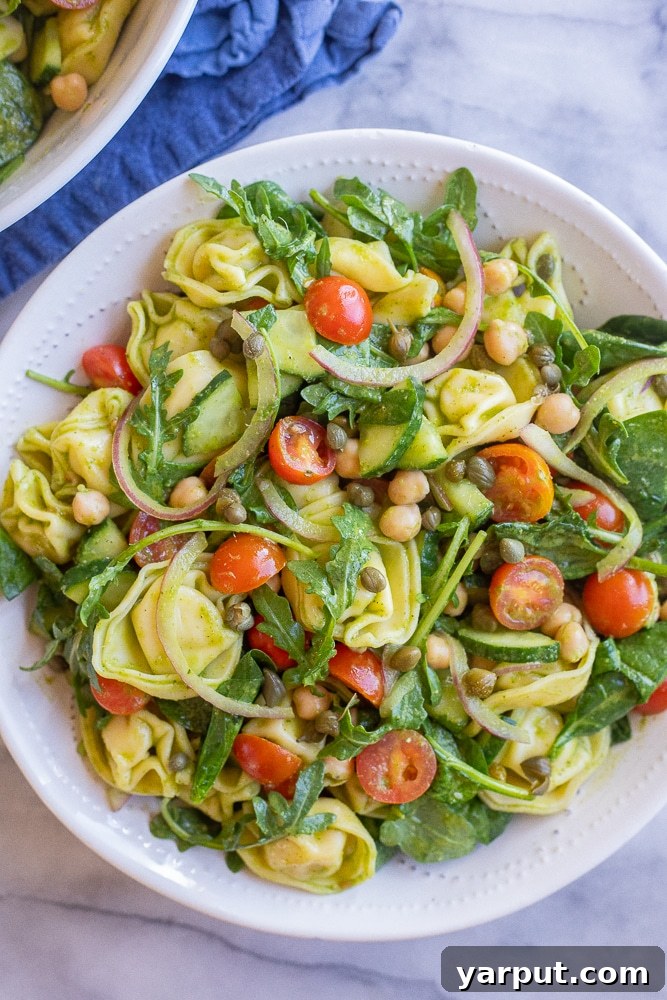
Arugula Tortellini Salad with Garlic Herb Dressing
Basil and Roasted Garlic Flatbread with Arugula
Tahini Balsamic Pasta Salad with Arugula
Balsamic Sweet Pepper and Boursin Sandwiches
Roasted Carrot and Chickpea Salad with Arugula
BEETS
Beets are striking root vegetables, known for their earthy sweetness and wonderfully vibrant colors. While the familiar deep red beet is perhaps the most common and visually arresting, you can also find golden beets, which tend to have a slightly milder and sweeter flavor profile. A delightful bonus with beets is that their leafy greens are also edible and highly nutritious, often cooked similarly to spinach or Swiss chard, offering a delightful “root to leaf” culinary experience that minimizes waste and maximizes flavor.
These beautiful roots are packed with an impressive array of health benefits that make them a true superfood. Beets are particularly high in phytonutrients, which are natural compounds found in plants that play a vital role in keeping your body healthy and warding off disease. They are also a phenomenal source of antioxidants, specifically betalains, which not only give red beets their distinctive color but also possess strong anti-inflammatory properties. These properties are crucial for combating excess inflammation within the body, which can contribute to autoimmune issues and various chronic diseases. Additionally, beets are rich in fiber, folate, manganese, potassium, and Vitamin C, all contributing to improved digestion, heart health, energy levels, and cellular repair.
Beets can be enjoyed in a multitude of ways, both raw and cooked, each method bringing out different aspects of their unique flavor. For a fresh and crisp addition, I love thinly slicing or grating raw beets into salads, where their vibrant color and subtle sweetness truly shine, as demonstrated in the recipe below. Cooking beets mellows their earthy flavor and can often bring out more of their inherent sweetness. They are excellent when roasted, steamed, boiled, or even pickled. Roasting them whole or in wedges caramelizes their natural sugars, creating a tender and intensely flavored side dish. Pickled beets offer a tangy contrast and are a wonderful condiment or addition to sandwiches. Their distinct earthy flavor, coupled with a hint of sweetness, makes them a remarkably versatile ingredient for everything from fresh salads and hearty side dishes to invigorating smoothies and even surprisingly delicious baked goods.
When selecting beets, look for firm, smooth roots with unblemished skin. If the greens are attached, they should appear fresh and vibrant. Avoid any beets that feel soft, wrinkled, or have significant cuts. For optimal storage, keep beets unwashed in a cool, dark place or in the refrigerator. If the greens are attached, separate them from the roots before storing, as the greens draw moisture from the roots and can cause them to spoil faster. The greens can be stored separately in a plastic bag in the fridge and used within a few days, while the roots can last for several weeks.
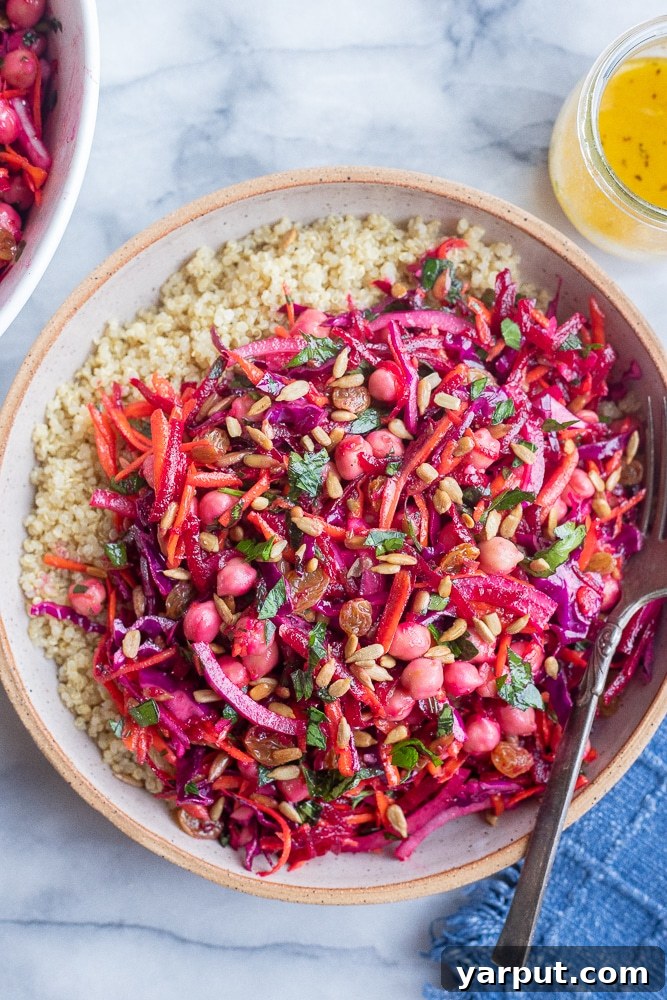
Beet and Carrot Salad with Chickpeas
Goat Cheese Beet and Balsamic Puff Pastry Bites
Beet and Cherry Smoothie
Vegan Beet Burgers with Brown Rice
Roasted Beet Chickpea and Black Rice Bowls
Healthier Chocolate Cupcakes with Raspberry and Beets
BROCCOLI
Broccoli, a true cruciferous champion, is a celebrated member of the robust mustard family, sharing lineage with other nutrient-dense vegetables like cabbage, Brussels sprouts, and kale. While several varieties exist, the Calabrese type is the most commonly cultivated and consumed in the United States, instantly recognizable by its sturdy green florets and thick stalk, making it a familiar and favored vegetable in many kitchens.
This “powerhouse vegetable” truly lives up to its name, offering an impressive array of health benefits that make it an indispensable part of a balanced diet. Broccoli is absolutely packed with potent antioxidants, including sulforaphane, which plays a critical role in reducing unwanted inflammation throughout the body and protecting cells from damage. It’s also an exceptional source of both fiber and Vitamin C; a single cup of chopped broccoli can provide nearly as much Vitamin C as an orange, significantly boosting your immune system. Beyond these, broccoli is rich in Vitamin K, folate, potassium, and iron, supporting bone health, blood cell formation, and overall vitality. Regularly incorporating broccoli into your diet is a smart choice for long-term health and disease prevention, contributing to digestive wellness and metabolic function.
Broccoli’s versatility allows it to be enjoyed both raw and cooked, each method bringing out different textures and flavors. For a refreshing crunch, I often chop raw broccoli into small, bite-sized pieces and add them to salads, slaws, or simply enjoy them with a healthy dip. When cooked, its flavor mellows and becomes slightly sweeter. Steaming broccoli preserves most of its nutrients and leaves it tender-crisp. Roasting it with a touch of olive oil, garlic, and seasoning brings out a delightful caramelization and nutty flavor that is incredibly appealing. It’s also fantastic stir-fried, added to casseroles, blended into creamy soups, or even incorporated into pasta dishes. Don’t discard the stalks either – they are edible and can be peeled and chopped for use in stir-fries or slaws, offering a slightly different texture and flavor!
When choosing broccoli, look for firm, compact heads with dark green or purplish-green florets. Avoid any yellowing or soft spots, as these are signs that the broccoli is past its prime. The stalks should also be firm and sturdy. Store broccoli unwashed in a loosely wrapped plastic bag in the refrigerator’s crisper drawer, where it can remain fresh for 3-5 days. For the best flavor and texture, wash it thoroughly just before cooking to maintain its integrity.

Chili Garlic Broccoli with Chickpeas
Tahini Roasted Broccoli
Crunchy Broccoli Salad with Maple Mustard Dressing
Veggie Packed Broccoli Cheddar Soup
Crunchy Baked Broccoli with Spicy Soy Sauce
Cheesy Broccoli Rice Casserole Bites
BRUSSELS SPROUTS
Brussels sprouts, often affectionately described as miniature cabbages, grow in delightful rows along a thick central stalk, making for an impressive sight at the market. Historically, these charming vegetables have often suffered from an undeserved bad reputation, typically associated with over-steaming that results in an unpleasant smell and mushy texture. However, when prepared correctly, Brussels sprouts transform into an incredibly delicious, versatile, and highly sought-after culinary delight!
Beyond their potential for deliciousness, Brussels sprouts are nutritional powerhouses, packed with essential vitamins and minerals. They are exceptionally rich in Vitamin K, which is vital for blood clotting and maintaining strong bones, and Vitamin C, a powerful antioxidant that supports the immune system and aids in collagen production. They also provide a good source of fiber, which promotes digestive health, as well as folate, manganese, and various antioxidants, including sulforaphane, known for its significant anti-cancer properties. These tiny green gems contribute significantly to gut health, inflammation reduction, and overall bodily functions, making them a fantastic and beneficial addition to any balanced diet.
The culinary possibilities for Brussels sprouts are far more varied than just steaming. They can be enjoyed both raw and cooked, offering distinct textural and flavor experiences. For a wonderfully fresh and crisp texture, I highly recommend thinly shaving or grating raw Brussels sprouts to incorporate into vibrant salads or hearty slaws. This method highlights their subtle bitterness and delightful crunch beautifully. When cooked, roasting is arguably one of the most popular and flavorful methods: tossing them with olive oil, salt, and pepper and roasting until they are deeply caramelized and tender-crisp brings out their natural sweetness and nutty notes. Sautéing them in a skillet with garlic, balsamic vinegar, or even a touch of maple syrup is another excellent choice. While steaming is an option, be sure not to overcook them to avoid that “stinky” outcome, and always season generously to enhance their flavor.
When selecting Brussels sprouts, look for firm, bright green heads that are tightly packed and uniform in size. Avoid any with yellowing leaves, soft spots, or a strong sulfurous smell. If buying on the stalk, this often indicates superior freshness. Store unwashed Brussels sprouts in a plastic bag in the refrigerator’s crisper drawer, where they can last for up to a week. For the best flavor and texture, aim to cook them soon after purchase, and wash thoroughly just before preparation.

Roasted Brussels Sprout Bowls with Honey Mustard Dressing
Lemon Pepper Roasted Brussels Sprouts
Shaved Brussels Sprout Salad
Easy Roasted Vegetable Pasta with Parmesan
BBQ Roasted Brussels Sprouts
CABBAGE
Cabbage, a wonderfully versatile and affordable staple, is a star member of the resilient mustard family, closely related to its nutritious cousins like kale and Brussels sprouts. While green cabbage is arguably the most recognized and widely used variety in many American kitchens, the culinary world also embraces the vibrant purple cabbage (also known as red cabbage) and the more delicate, often crinkled Napa cabbage, each offering unique textures and flavors for diverse culinary applications and visual appeal.
This humble vegetable is far from ordinary when it comes to nutrition, making it a fantastic addition to a healthy diet. Cabbage is an excellent source of Vitamin C, crucial for immune health, skin integrity, and a powerful antioxidant. It’s also remarkably rich in Vitamin K, essential for blood clotting and bone metabolism. Furthermore, cabbage provides a significant amount of fiber, which supports digestive health, promotes satiety, and helps regulate blood sugar levels. It contains good amounts of folate, manganese, and Vitamin B6. Cabbage is packed with powerful antioxidants and anti-inflammatory compounds, including sulforaphane, known for its potential cancer-fighting properties and ability to support detoxification pathways in the body. Its low calorie content and high nutrient density make it a superb choice for weight management and overall health.
Cabbage is perhaps most commonly celebrated in its raw form, thinly shredded into crisp, refreshing coleslaws or hearty chopped salads, like the fantastic recipe linked below. Its natural crunch and mild, slightly peppery flavor make it an ideal base or addition to many cold preparations, offering a satisfying texture. However, cabbage truly shines when cooked, where its flavors mellow and sweeten considerably. Roasting or sautéing cabbage until it caramelizes not only brings out its inherent sweetness but also softens its texture, transforming it into a wonderfully flavorful and tender side dish. It can also be braised, stewed, or fermented into sauerkraut, a traditional probiotic-rich food renowned for its gut health benefits. Don’t shy away from experimenting with cabbage in stir-fries, hearty soups, or even as a low-carb wrap for lighter meals, exploring its full culinary potential.
When selecting cabbage, look for heads that feel surprisingly heavy for their size and have tightly packed, firm leaves. The outer leaves should be fresh, crisp, and free from any withered appearance or significant discoloration. Avoid any heads that feel light or loose. Store whole, unwashed heads of cabbage in the crisper drawer of your refrigerator; they can last for several weeks. Once cut, wrap the remaining portion tightly in plastic wrap or an airtight container to maintain its freshness and prevent drying out.
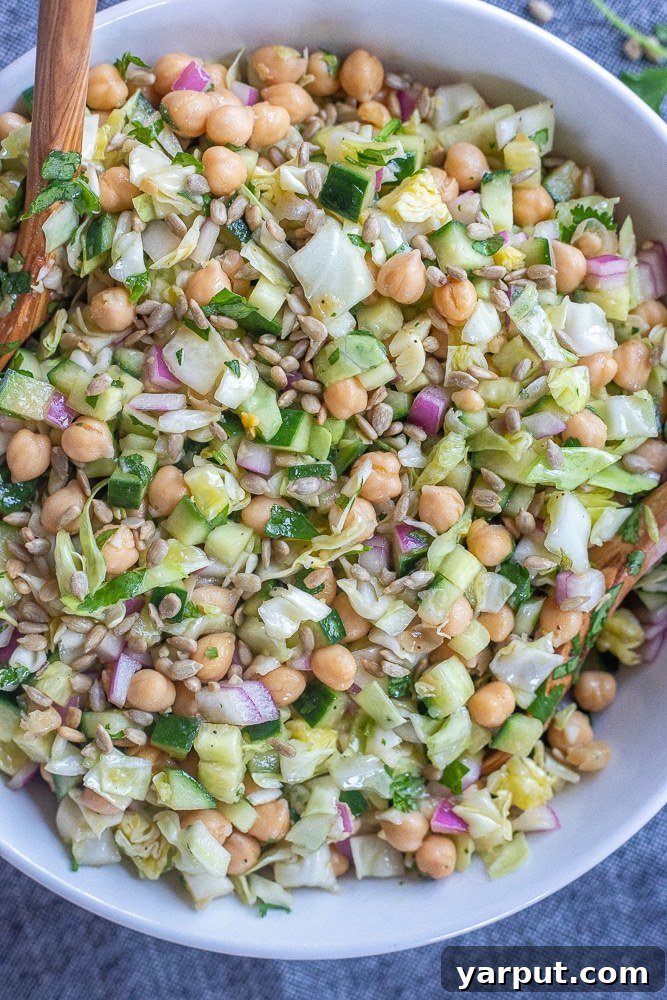
Fried Cabbage and Noodles with Tofu
Noodles with Cabbage and Carrots
Halloween Salad with Rice and Veggies
Chickpea Salad with Cucumber and Cabbage
Holiday Salad with Cabbage and Kale
CARROTS
Carrots are quintessential springtime root vegetables, renowned for their vibrant color, crisp texture, and natural sweetness. While the classic bright orange carrot is a ubiquitous sight in grocery stores, adventurous gardeners and specialized markets often showcase rainbow varieties, featuring delightful hues of purple, yellow, and white, each with subtly different flavor profiles and added visual appeal. Carrots also vary significantly in size and shape, from short and stout “danvers” types to long and slender “imperator” varieties. It’s interesting to note that “baby carrots” as commonly sold are not a distinct variety but rather regular-sized carrots that have been cut, peeled, and shaped into convenient, bite-sized portions for easy snacking.
Beyond their appealing taste and remarkable versatility, carrots are nutritional powerhouses that offer a wealth of health benefits. They are most famous for their exceptionally high content of beta-carotene, which the body converts into Vitamin A, a nutrient vital for excellent vision (especially in low light), healthy skin, and a robust immune system. Carrots also provide a significant amount of fiber, aiding in digestion, promoting regularity, and contributing to a feeling of fullness. They contain Vitamin K, important for blood clotting and bone health, and a range of antioxidants, such as lutein and zeaxanthin, that help protect the body from oxidative stress and reduce the risk of chronic diseases. Incorporating carrots into your diet is an easy, delicious, and highly effective way to boost your nutrient intake and support overall health.
Carrots are incredibly versatile, finding their place seamlessly in both sweet and savory culinary applications. My personal favorite way to enjoy them is raw, either as a crunchy snack on their own or finely shredded into vibrant salads and wraps for added texture and natural sweetness. They pair beautifully with creamy dips like hummus or ranch dressing. When cooked, carrots soften and their sweetness intensifies, making them even more delectable. They excel when roasted with herbs and spices, sautéed as part of a mirepoix for soups and stews, or simply steamed as a nutritious and colorful side dish. Their natural sugars also make them a star ingredient in sweet treats like classic carrot cake, moist muffins, or even healthy breakfast smoothies. Indeed, in the United States, raw carrots, often served with a creamy dip, remain a perennially popular and healthy snack choice for all ages.
When selecting carrots, look for firm, smooth roots with a vibrant color and fresh appearance. If the greens are attached, they should be fresh and bright, indicating recent harvesting. Avoid any carrots that are limp, cracked, show signs of sprouting, or have soft spots. To store, remove the greens if they are still attached before storing, as they draw moisture from the roots and can cause them to spoil faster. Store unwashed carrots in the crisper drawer of your refrigerator; stored properly, they can last for several weeks, maintaining their crispness and flavor.

Carrot and Chickpea Salad with Orange Maple Dressing
Roasted Carrot and Dill Hummus
Noodles with Cabbage and Carrots
Carrot Cake Muffins
Curried Sweet Potato Carrot and Red Lentil Soup
CAULIFLOWER
Cauliflower, with its distinctive head of compact florets, has truly emerged from the shadow of its cruciferous cousins to become a culinary sensation. While white cauliflower is the most common variety gracing our tables, you can also find vibrant purple, yellow, and even intricate Romanesco varieties, each offering subtle differences in flavor and texture, though all are generally interchangeable in recipes. Once considered a somewhat bland vegetable, cauliflower has now rightfully earned its place in the spotlight, and I’ve enthusiastically embraced its incredible versatility and adaptability in my kitchen.
Beyond its remarkable culinary adaptability, cauliflower is a nutritional powerhouse, offering a wide array of health benefits. It’s an excellent source of Vitamin C, supporting immune health and acting as a potent antioxidant. It is also rich in Vitamin K, crucial for blood clotting and bone metabolism, and a good source of folate, Vitamin B6, and potassium. Like other cruciferous vegetables, cauliflower contains potent antioxidants and beneficial compounds like sulforaphane and indole-3-carbinol, which are celebrated for their anti-inflammatory properties and potential roles in cancer prevention and detoxification. Its high fiber content contributes significantly to digestive health and promotes satiety, making it a fantastic addition to any healthy eating plan focused on nutrient density.
The culinary applications for cauliflower are astonishingly diverse, allowing it to be transformed in countless delicious ways to suit various preferences and diets. It can be roasted to perfection, developing a nutty, caramelized flavor and tender texture, or gently steamed for a softer consistency. Charring cauliflower florets adds a smoky depth and crispness, while pureeing it creates a creamy, low-carb alternative to mashed potatoes or a natural thickening agent for soups. One of its most popular transformations is into “rice” – a grain-free, vegetable-based substitute perfect for stir-fries or as a side dish. My absolute favorite method, as pictured below, often involves coating florets in a light batter and a crispy coating, baking them until golden and crunchy, then tossing them in a flavorful sauce for a truly satisfying and often surprising dish. From spicy buffalo cauliflower wings to hearty roasted cauliflower steaks, this humble vegetable truly proves its exceptional culinary prowess.
When selecting cauliflower, look for a head that is firm, compact, and feels surprisingly heavy for its size. The florets should be tightly clustered and white or creamy-white (unless it’s a colored variety), without any browning, soft spots, or signs of mold. The outer leaves, if present, should be fresh and green. Store unwashed cauliflower in a plastic bag in the refrigerator’s crisper drawer, where it can last for up to a week. For the best results, wash and cut just before use to maintain its freshness and texture.

Crispy Teriyaki Cauliflower
Golden Roasted Cauliflower with Coconut Curry Tahini Dressing
Cauliflower Parmesan
Buffalo Cauliflower Tacos with Ranch Slaw
Vegetarian Cauliflower Fried Rice
FRESH HERBS
Fresh herbs are truly the vibrant soul of cooking, offering an explosion of flavor and aroma that instantly elevates any dish. They encompass a delightful mix of annuals, which require replanting each year (like the beloved basil and cilantro, known for their bright, distinct flavors), and resilient perennials, such as earthy sage, aromatic thyme, fragrant lavender, and cooling mint, which gracefully return season after season. Fresh herbs, by their very nature, possess a more delicate, nuanced, and immediate flavor profile compared to their dried counterparts, making them indispensable for adding both zest and a beautiful burst of color to countless recipes.
Beyond their incredible culinary applications, fresh herbs are also mini-powerhouses of nutrition, packed with beneficial compounds even in small quantities. They are often rich in essential vitamins, minerals, and potent antioxidants. For instance, parsley is high in Vitamin K and C, while basil offers Vitamin A. Many herbs also possess anti-inflammatory and antimicrobial properties, contributing significantly to overall health and well-being. Incorporating a variety of fresh herbs into your daily diet is an effortless and delicious way to boost your intake of beneficial plant compounds and add depth to your meals without relying on excessive salt or fat.
Having a selection of fresh herbs readily available in your kitchen is always a culinary advantage, opening up a world of possibilities. They serve as a perfect, colorful garnish, adding a professional touch and an extra layer of freshness to pastas, vibrant salads, and comforting soups. But their utility extends far beyond mere decoration; fresh herbs can also play a starring role as a main ingredient. Pesto, for example, is one of my favorite preparations when I have an abundance of fresh herbs. While traditionally made with basil, don’t hesitate to experiment with other leafy herbs like zesty mint or aromatic cilantro for unique and equally delicious variations. Imagine finely chopped dill stirred into a creamy yogurt sauce, fresh oregano scattered generously over roasted vegetables, or bright mint folded into a refreshing fruit salad. Their aromatic qualities and vibrant appearance make them essential for both visual appeal and depth of flavor in your cooking, transforming ordinary dishes into extraordinary ones.
To keep fresh herbs at their best, treat them gently and store them correctly. For tender herbs like cilantro and parsley, trim the ends, place them upright in a jar with an inch of water, and loosely cover with a plastic bag before refrigerating. For hardier herbs like rosemary and thyme, wrap them in a slightly damp paper towel and store them in a sealed plastic bag in the refrigerator. Proper storage can extend their freshness for up to a week or more, ensuring you always have flavorful additions on hand to elevate your meals.
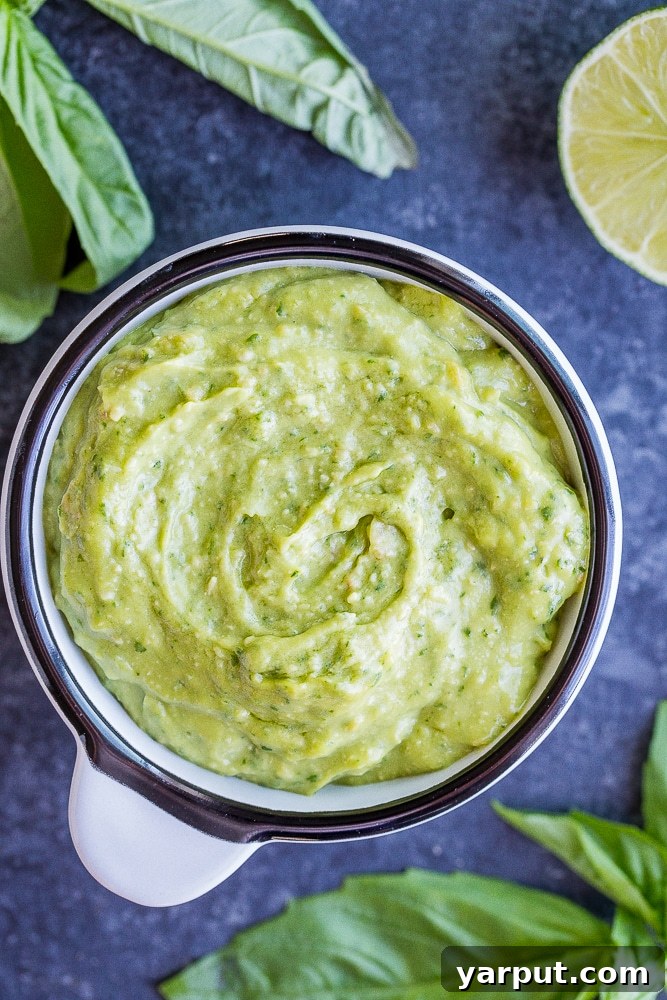
Vegan Pesto Recipe
Herby Lemon Jalapeno Pasta
Herby Cucumber Salad with Feta and Chickpeas
Cilantro Lime Cucumber Salad with Avocado
Avocado Pesto Sauce
KALE
Kale, a celebrated member of the versatile brassica family, is a remarkably resilient and nutrient-dense leafy green that thrives even in cooler temperatures, making it a perfect choice for late winter and early spring menus, including March. It comes in a few distinct varieties: curly kale, with its ruffled, crinkly leaves; lacinato kale (also widely known as dinosaur or Tuscan kale), characterized by its dark, flat, and textured leaves; and the less common but equally nutritious purple kale. In recent years, “baby kale” has also gained immense popularity, offering a more tender texture akin to baby spinach or lettuce, while retaining much of kale’s robust nutritional profile.
This leafy green is a true superfood, boasting an impressive list of health benefits that contribute significantly to overall wellness. Kale is exceptionally rich in vitamins K, A, and C, providing far more than your daily recommended intake in a single serving. Vitamin K is crucial for blood clotting and bone health, Vitamin A supports vision and immune function, and Vitamin C is a powerful antioxidant. Kale is also a good source of manganese, calcium, copper, potassium, and magnesium, contributing to bone density, muscle function, and blood pressure regulation. Its high fiber content aids digestion, promotes satiety, and helps stabilize blood sugar, while various antioxidants and sulforaphane compounds are renowned for their anti-inflammatory and potential cancer-fighting properties. Eating kale regularly is a fantastic way to support overall vitality and protect against chronic diseases.
Kale’s heartiness allows it to be enjoyed both cooked and raw, offering diverse and delicious culinary possibilities. When consumed raw, particularly in salads, I highly recommend “massaging” the leaves with a little olive oil or lemon juice. This simple yet effective technique breaks down the tough cell walls, making the kale more tender, easier to digest, and less bitter, resulting in a wonderfully refreshing and textured salad. Its robust nature means it holds up exceptionally well to dressings and other ingredients without wilting immediately. For cooked applications, kale is incredibly versatile: it wilts quickly, making it an excellent and nutritious addition to soups, stews, stir-fries, and pasta dishes. It can also be sautéed with garlic, baked into crispy kale chips for a healthy snack, or blended into smoothies for an extra nutritional boost. Its slightly earthy and subtly peppery flavor complements a wide range of ingredients and cuisines.
When selecting kale, look for firm, crisp leaves with deep green or purple coloration. Avoid any yellowing, wilting, or brown spots, which indicate that the kale is past its peak freshness. The leaves should look vibrant and lively. Store unwashed kale in a plastic bag in the refrigerator’s crisper drawer, where it can stay fresh for about five to seven days. For best results, wash thoroughly just before use to ensure optimal cleanliness and to maintain its delicate structure.

The Best Kale Chips
Chopped Kale Power Salad with Lemon Tahini Dressing
Kale and White Bean Pasta with Parmesan
Garlicky Kale with White Beans and Lemon
Sunshine Kale Salad
LEMON
Lemons are bright and zesty citrus fruits that truly shine during the winter and early spring months, making them a perfectly seasonal and indispensable addition to your March kitchen. I consider lemons an essential culinary ally, always ensuring I have a supply on hand. Their distinctive tangy freshness adds an unparalleled vibrancy, brightness, and balance to an incredible array of dishes, from light salads and robust soups to savory pastas and even decadent desserts. They are particularly adept at cutting through and balancing richer flavors, preventing dishes from feeling heavy or one-dimensional, instead adding a delightful lift.
Beyond their remarkable culinary appeal, lemons are packed with impressive health benefits that contribute significantly to overall well-being. They are an outstanding source of Vitamin C, a powerful antioxidant essential for boosting the immune system, protecting against oxidative stress, and promoting healthy skin through collagen synthesis. Lemons also contain beneficial flavonoids, which have anti-inflammatory and antioxidant properties that support cellular health. The citric acid found in lemons can aid digestion, stimulate saliva production, and may even help prevent kidney stones. Starting your day with lemon water is a popular and refreshing way to kickstart metabolism and support natural detoxification. Incorporating lemons into your daily diet is a simple yet profoundly effective way to enhance your nutrient intake and overall health.
I find immense value in keeping lemons readily available for various culinary and health-focused uses. They are perfect for a quick squeeze into a glass of water for a refreshing and hydrating drink, or drizzled over fresh salads to brighten flavors without adding heavy oils. Their versatile juice and fragrant zest can form the foundation of exquisite sauces, marinades, flavorful vinaigrettes, and even baked goods. While lemons can certainly be the star flavor in many recipes, particularly in desserts like tangy lemon tarts or airy lemon meringue pie, they are also invaluable as a seasoning. A simple squeeze of lemon juice can “wake up” the flavors of almost any savory meal, from roasted vegetables and grilled fish to stir-fries, adding a delightful tang and freshness that elevates the entire dish. Don’t forget the zest, which holds concentrated aromatic oils and can add an extra layer of bright citrus flavor without the acidity.
When selecting lemons, look for fruits that are firm, feel surprisingly heavy for their size, and have smooth, brightly colored skin. Avoid any with soft spots, visible mold, or dull, shriveled skin, as these indicate reduced freshness. Store lemons at room temperature for up to a week if you plan to use them soon, or in the refrigerator’s crisper drawer for up to 3-4 weeks for extended freshness. For maximum juice extraction, roll the lemon firmly on a countertop for a few seconds before slicing and squeezing, which helps break down the internal membranes.

Homemade Blueberry Lemonade
Lemony White Bean Soup with Quinoa
Herby Lemon Jalapeno Pasta with Crispy Chickpea
Lemon Raspberry Baked Oatmeal
Lemon Dill Orzo Broccoli Salad
Lemon Tahini Chickpea Salad
POTATOES
Potatoes, truly one of the world’s most beloved and versatile root vegetables, remain a culinary staple throughout the year, including the early spring months of March. The sheer variety available is impressive, encompassing everything from the floury russets, ideal for baking and mashing, to the creamy Yukon Golds, excellent for roasting, and even vibrant purple potatoes or delicate fingerlings, each offering unique textures and flavor nuances. I appreciate all types, but find myself reaching for russets most often in the kitchen due to their universal appeal and comforting qualities. Potatoes are celebrated not only for their filling and satisfying qualities but also for their affordability, making them a fantastic and economical base for countless meals.
Often underestimated in modern diets, potatoes actually offer a surprising array of nutritional benefits when prepared healthily. They are a good source of Vitamin C, which supports the immune system, and are particularly rich in potassium (even more than a banana!), essential for blood pressure regulation and nerve function. They also contain Vitamin B6, important for brain health, and essential minerals like manganese and phosphorus, along with a moderate amount of fiber, especially if consumed with the skin on. While sometimes maligned, potatoes, when not deep-fried, can be a valuable part of a balanced diet, providing sustained energy from complex carbohydrates and supporting electrolyte balance. Their nutrient density contributes to making them a truly nourishing food.
The culinary possibilities for potatoes are practically endless, cementing their status as perhaps one of the most commonly used vegetables globally—and certainly in the United States, thanks in no small part to the ubiquitous French fry! They can be roasted until perfectly crispy on the outside and fluffy on the inside, fried into golden home fries or chips, baked whole with an array of savory or sweet toppings, or mashed into a creamy, comforting side dish. I particularly love preparing mashed potatoes for a cozy meal, or browning them in a skillet for a delicious breakfast side, as shown in the image below. Beyond these classics, potatoes can be incorporated into rich gratins, hearty stews, refreshing salads, or even delicate gnocchi. Their mild flavor profile allows them to absorb and complement a wide range of seasonings and ingredients, making them adaptable to almost any cuisine and flavor profile imaginable.
When selecting potatoes, choose ones that are firm, smooth, and free from sprouts, green spots, or significant blemishes. Green spots indicate solanine, a natural toxin that can be harmful in large quantities, though usually just makes the potato taste bitter; simply cut these parts off. Store potatoes in a cool, dark, well-ventilated place, away from onions, which can cause them to sprout faster. Avoid refrigerating potatoes, as this can convert their starch to sugar, affecting flavor, texture, and making them prone to browning during cooking. Properly stored, most varieties will last several weeks to a few months, ensuring you always have this versatile staple on hand.

Crispy Potato Tacos
Seasoned Grilled Potato Wedges
Quick and Easy Home Fries
Creamy Vegan Mashed Potatoes
Cheesy Potato Taquitos
RADISHES
Radishes, those delightful, peppery root vegetables, are a refreshing and crisp sign of spring, belonging to the diverse and vigorous mustard family. While the familiar round, bright red radish is the most commonly encountered variety in grocery stores, the radish family includes a surprising range of shapes, sizes, and colors, such as elongated daikons, earthy black radishes, and the charming French breakfast radishes. Red radishes, with their distinct crisp texture and spicy bite, are typically enjoyed raw, adding a lively zing and beautiful color to any dish.
Beyond their distinctive flavor, radishes offer a wealth of health benefits that make them a valuable addition to your diet. They are an excellent source of Vitamin C, boosting the immune system and providing crucial antioxidant protection against cellular damage. Radishes also contain good amounts of folate, potassium, and various other antioxidants. Their notably high water content contributes significantly to hydration, and their fiber content supports digestive health and regularity. Furthermore, like other cruciferous vegetables, radishes contain beneficial compounds, such as glucosinolates, that have been linked to anti-cancer properties and detoxification support within the body. These crisp roots are low in calories but high in nutrients, making them a fantastic, guilt-free addition to a healthy eating plan.
My go-to method for enjoying radishes is to thinly slice them and toss them into fresh salads, where their vibrant color and sharp, peppery crunch provide an invigorating contrast and appealing texture. They also make a fantastic garnish for tacos, toasts, or even soups. However, their culinary applications extend far beyond raw preparations. Radishes can be pickled, offering a tangy and slightly sweet counterpoint to their natural spice, making them a wonderful topping for a variety of dishes. They also respond surprisingly well to cooking; grilling or roasting radishes mellows their pungent flavor considerably, transforming them into a sweeter, more tender vegetable with an earthy depth. This cooked approach often converts those who might be hesitant about their raw peppery kick. Experiment with them in different forms to discover your favorite way to enjoy this delightful and versatile spring vegetable.
When selecting radishes, look for firm, smooth roots with vibrant, unblemished color. If the greens are attached, they should appear fresh and green, not wilted or yellow, which indicates freshness. Avoid any radishes that feel soft, spongy, or have visible cracks or spots. To store, remove the greens if they are still attached (as they draw moisture from the roots), and place the radishes in a plastic bag with a damp paper towel in the refrigerator’s crisper drawer. This method helps them stay fresh for about one to two weeks, maintaining their crispness. Wash thoroughly just before slicing or cooking.
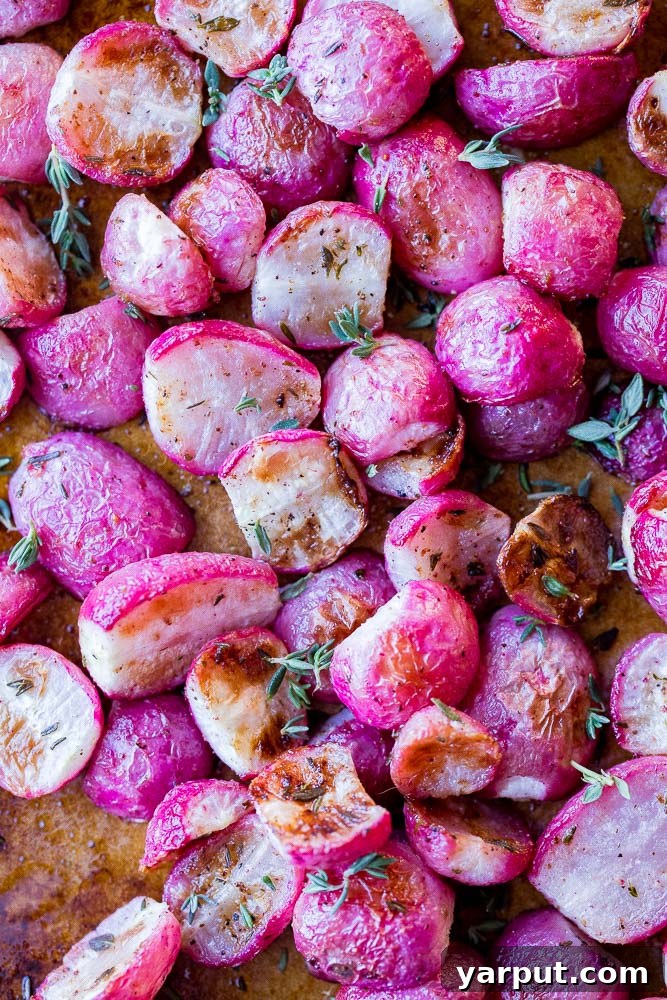
Roasted Radishes with Garlic and Herbs
Veggie Sushi Bowls with Quick Pickled Radishes
Crunchy Ranch Salad with Crispy Quinoa
Loaded Black Bean Salad
Salt and Vinegar Potato Salad
Roasted Sweet Potato Black Bean Salad with Kale
SWEET POTATOES
Sweet potatoes, those vibrant and incredibly nutritious root vegetables, continue to be a fantastic choice for your kitchen throughout March, offering warmth and flavor as we transition into spring. While the most common varieties boast bright orange flesh, you can also discover striking red and purple-fleshed sweet potatoes, each offering subtle differences in sweetness, texture, and nutritional profile. Like other root vegetables, they grow beneath the soil, while their leafy greens, which are indeed edible, grow above. Although the greens can be cooked similarly to spinach, it is the hearty root part of the plant that is most commonly consumed and celebrated for its versatility and deliciousness.
Sweet potatoes are true nutritional powerhouses, loaded with an impressive array of essential vitamins, minerals, and powerful antioxidants. They are exceptionally rich in beta-carotene, which the body converts into Vitamin A, a nutrient crucial for vision, immune function, and skin health. They also provide a significant amount of Vitamin C, manganese, Vitamin B6, and potassium, contributing to electrolyte balance and muscle function. Their high fiber content promotes digestive health, aids in blood sugar regulation, and contributes to satiety, making them a smart choice for sustained energy. The antioxidants present in sweet potatoes, including anthocyanins in the purple varieties, help protect the body from oxidative damage and inflammation, supporting overall long-term health and cellular vitality.
My absolute favorite way to prepare sweet potatoes is by roasting them, which truly brings out their natural sweetness and caramelizes their edges. I often dice them into satisfying chunks or slice them into elongated “fries,” then toss them with a medley of aromatic spices like paprika, cumin, cinnamon, or chili powder before baking until tender on the inside and deliciously crisp on the outside. Beyond roasting, sweet potatoes are incredibly versatile. They can be mashed into a creamy, comforting side dish, baked whole in their skins and adorned with your favorite savory or sweet toppings, or even pureed into soups for a rich, velvety texture. They also make excellent additions to curries, stews, and even baked goods like pies, muffins, or casseroles. Their inherent sweetness allows them to transition seamlessly between savory main courses and delightful desserts, proving their extensive culinary range.
When selecting sweet potatoes, choose firm, smooth roots that are free from soft spots, sprouts, or significant blemishes. Avoid any that appear shriveled or have green patches. Store them in a cool, dark, and well-ventilated place, similar to regular potatoes, but avoid refrigerating them, as cold temperatures can alter their texture and flavor, sometimes making them gritty. Properly stored, sweet potatoes can last for several weeks, ensuring you have a steady supply of this nutritious, delicious, and incredibly versatile vegetable ready for your next meal.

Roasted Sweet Potato Hummus Wraps with Honey Mustard
Sheet Pan Sweet Potato Fajitas with Black Beans
Roasted Sweet Potato Hash
Vegan Sloppy Joe Stuffed Sweet Potatoes
Sweet Potato Pie Bars
As we conclude our journey through the vibrant produce of March, remember that embracing seasonal eating is a rewarding experience for both your palate and your well-being. This transitional month offers a beautiful blend of hearty winter root vegetables and the first tender greens of spring, providing a diverse canvas for culinary creativity. By choosing produce that’s naturally in season, you’re not only enjoying superior flavor and freshness but also supporting sustainable practices and often, local farmers. We hope this comprehensive guide inspires you to explore new recipes, experiment with different cooking methods, and savor every delicious bite that March has to offer. Happy cooking and happy spring!