
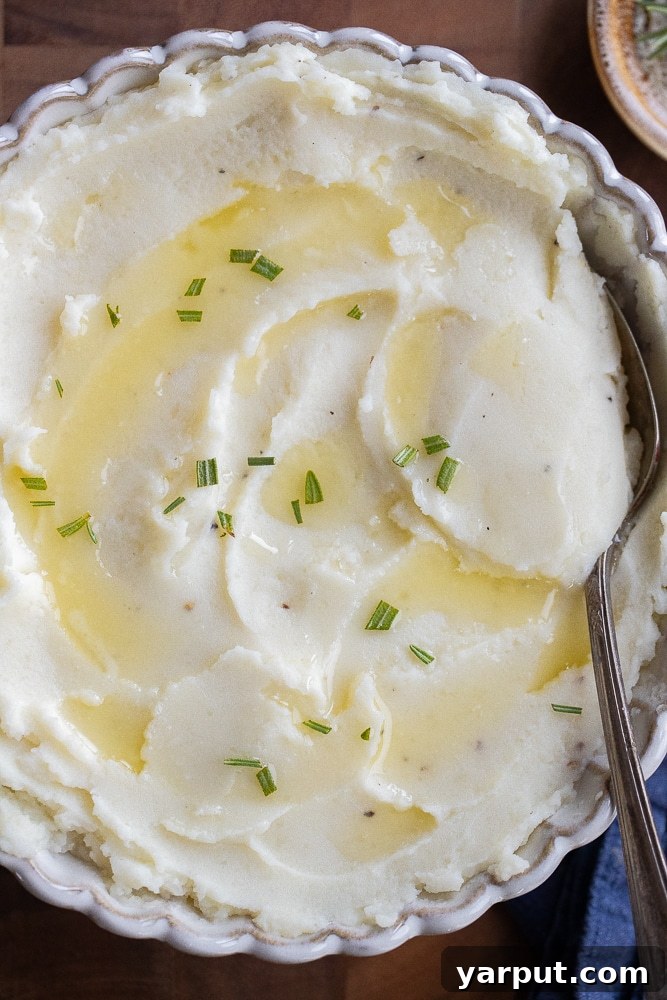
Mashed potatoes are a timeless culinary classic, a dish that evokes comfort, warmth, and the spirit of gathering. Whether gracing a festive holiday table or serving as a simple, satisfying weeknight accompaniment, their creamy texture and rich flavor are universally adored. Today, we’re diving deep into the art of crafting truly exceptional creamy mashed potatoes – a recipe that promises perfection with minimal fuss and only a handful of essential ingredients. Forget complicated techniques or an endless list of fancy additions; all you need are quality potatoes, butter, milk, salt, and pepper to achieve a side dish that’s both elegant and incredibly comforting. This recipe is designed for convenience too, allowing for easy preparation in advance and even freezing, ensuring you can enjoy this delectable side whenever the craving strikes. Prepare to elevate your mashed potato game and impress everyone at your table.
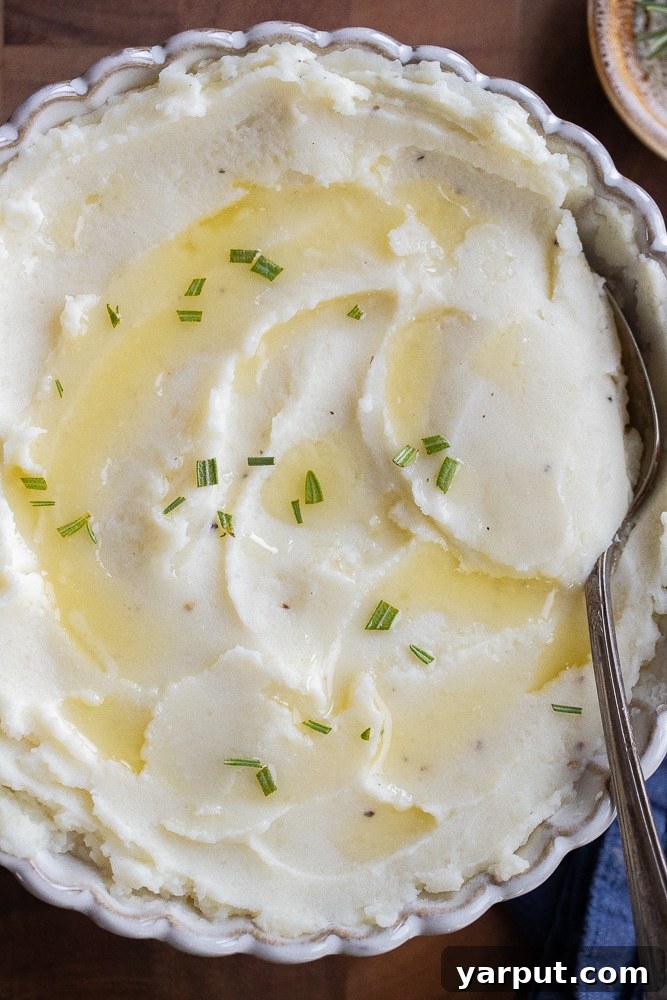
For many, mashed potatoes hold a special place in their culinary heart. As a self-proclaimed mashed potato enthusiast, I’ve spent years perfecting the craft, transforming simple spuds into a masterpiece of texture and taste. From childhood memories of Thanksgiving feasts where they were the star of my plate to countless adult dinners, mashed potatoes have been a constant source of comfort and joy. While I’ve experimented with various flavored renditions over the years, it’s this super-creamy, classic version that remains my enduring favorite. Its straightforward preparation belies a depth of flavor that complements almost any main course, from roasted meats to hearty vegetarian options. This recipe isn’t just about making mashed potatoes; it’s about making the *best* mashed potatoes – the kind that disappear from the bowl almost as quickly as they’re made, leaving everyone utterly satisfied.
Why This Creamy Mashed Potato Recipe Will Be Your New Favorite
Discover the myriad reasons why this easy mashed potato recipe is destined to become a staple in your kitchen:
- Effortless Make-Ahead Convenience: One of the greatest advantages of this recipe is its incredible flexibility. You can prepare these mashed potatoes a few days in advance, significantly reducing stress on busy dinner or holiday occasions. Simply store them properly and reheat when you’re ready to serve. Reheating can be done on the stovetop for a quick warm-up or in the oven for a more gentle, even heat distribution. A splash of extra milk or broth often helps loosen them back to their creamy consistency, ensuring they taste just as fresh and flavorful as if they were made moments ago. This feature alone makes them an invaluable asset for any host.
- Uncomplicated Preparation, Outstanding Results: Mashed potatoes often get a bad rap for being time-consuming, but this recipe proves just how simple they can be. It involves a few basic steps: peeling and dicing your chosen potatoes, boiling them until tender, and then mashing them with a rich blend of butter, milk, and perfectly balanced seasonings. They may not boast the intricate presentation of a gratin or scalloped potatoes, but in terms of pure, unadulterated comfort and crowd-pleasing appeal, these creamy mashed potatoes are truly unmatched and remarkably low-maintenance.
- Minimal Ingredients, Maximum Flavor: You’ll be amazed at the depth of flavor achieved with a surprisingly short ingredient list. This recipe focuses on harnessing the inherent deliciousness of good quality potatoes, elevated by the richness of butter, the tang of buttermilk (or your preferred milk), and the fundamental necessity of salt and pepper. While I adore experimenting with creative additions, there’s something truly magical about the classic rendition – a pure, buttery, and well-seasoned experience that satisfies deeply.
- Versatility for Any Occasion: While often associated with festive gatherings and holiday meals, these creamy mashed potatoes are incredibly versatile. They pair beautifully with everyday dinners, from roasted chicken to pan-seared fish, vegetable curries, or even as a comforting side to a hearty steak. Their universal appeal makes them suitable for potlucks, family dinners, or simply a cozy night in.
Expert Tips for Achieving Silky Smooth Mashed Potatoes
Crafting the perfect batch of creamy mashed potatoes is an art, and these expert tips will guide you to success:
- Don’t Over-Boil Your Potatoes: A common misconception is that boiling potatoes until they almost disintegrate makes them creamier. In reality, over-boiling can water-log your potatoes, resulting in a thin, bland, and less flavorful mash. The key is to cook them until they are just fork-tender – meaning a fork can easily pierce through a potato piece with minimal resistance. This usually takes about 15-20 minutes once the water reaches a rolling boil. Timely removal from heat is crucial for maintaining their optimal texture and preventing them from becoming mushy.
- Embrace the Potato Ricer for Ultimate Smoothness: While not strictly essential, a potato ricer is a game-changer for achieving genuinely lump-free, fluffy, and smooth mashed potatoes. It pushes the cooked potatoes through small holes, separating the starch cells without overworking them, which can lead to a gummy texture. If you don’t own a ricer, a sturdy kitchen sieve or a food mill can produce similar results. For those using a traditional potato masher, focus on gentle but firm mashing, stopping as soon as the desired consistency is reached to avoid over-mixing.
- The Crucial Step: Drying Your Potatoes: After draining the boiled potatoes, it’s vital to let them steam dry for a few minutes in the hot pot over very low heat (or off the heat). This process evaporates any excess surface moisture, preventing watery mashed potatoes and allowing the butter and milk to be fully absorbed, leading to a richer, creamier end product. This often-overlooked step is paramount for superior texture.
- Never Skimp on the Salt: Potatoes are naturally mild in flavor, which means they are incredibly forgiving and welcoming to generous seasoning. Salt is not just about making them “salty”; it’s about enhancing and developing their inherent potato flavor. I advocate for a multi-stage salting approach: a generous pinch in the boiling water, another with the butter and milk, and a final taste-test adjustment before serving. Using salted butter can also contribute to this layered seasoning. Don’t be afraid to taste and adjust until the flavor truly sings.
- Warm Your Dairy: Incorporating cold milk or butter into hot mashed potatoes can cool them down too quickly and make them less receptive to combining smoothly, sometimes resulting in a slightly pasty texture. Gently warm your milk and melt your butter before adding them to the potatoes. This helps everything emulsify beautifully, ensuring a velvety, consistent mash.
Deconstructing the Ingredients for Superior Flavor
The magic of these mashed potatoes lies in the thoughtful selection and combination of a few key ingredients:
- Potatoes – The Foundation of Flavor:
- Russet or Idaho Potatoes: My top recommendation for classic creamy mashed potatoes. These starchy varieties break down beautifully when cooked, resulting in a fluffy, airy texture perfect for mashing. Their mild flavor serves as an excellent canvas for butter and seasoning.
- Yukon Gold Potatoes: While they produce an incredibly creamy, naturally buttery mash, they tend to have a slightly sweeter flavor profile once mashed, which some people adore. They are also less prone to becoming gummy.
- To Peel or Not to Peel: I typically peel potatoes for a super-smooth mash. However, leaving the skins on, especially with thinner-skinned varieties like Yukon Golds or Red Bliss, adds a rustic touch, extra fiber, and some nutritional benefits. Just ensure they are thoroughly scrubbed.
- Butter – The Heart of Richness:
- Salted Butter: My preference, as the added salt profoundly enhances the potato’s flavor. Potatoes are excellent salt absorbers, so the seasoned butter adds depth.
- Unsalted Butter: Offers more control over the overall salt content, allowing you to season entirely to your taste. Either dairy or high-quality plant-based butter will work wonderfully. The key is using good quality butter for the best flavor.
- Milk – For Creaminess and Consistency:
- Buttermilk: My secret weapon! It contributes a subtle tang and an incredibly creamy texture without being heavy. Its acidity brightens the flavors.
- Whole Milk, Half-and-Half, or Heavy Cream: Whole milk provides a classic, rich consistency. For an even more decadent and luxurious mash, half-and-half or heavy cream will elevate the richness significantly, creating an unbelievably smooth and velvety texture.
- Dairy-Free Alternatives: Unsweetened almond milk, oat milk, or cashew milk can be used to make this recipe vegan-friendly, ensuring a creamy result for everyone. Just ensure they are plain and unsweetened.
- Salt + Pepper – The Essential Seasonings:
- Salt: As mentioned, don’t hold back! A generous pinch in the cooking water and careful seasoning throughout the mashing process is critical. Kosher salt or fine sea salt are excellent choices.
- Freshly Cracked Black Pepper: Adds a wonderful aromatic warmth and a subtle kick. Freshly ground pepper is always superior to pre-ground for flavor.
- Garlic – An Optional Aromatic Delight:
- If you’re a garlic lover, it’s an excellent addition. Instead of adding raw garlic, which can be harsh, I recommend gently cooking minced garlic in the milk and butter mixture before adding it to the potatoes. This infuses the dairy with a mellow, sweet garlic flavor.
- Garlic Powder: A convenient alternative if you want a milder, more uniform garlic essence without the fuss. Add to taste during the final seasoning.
- Roasted Garlic: For a truly gourmet touch, roast a head of garlic until soft and caramelized, then mash the cloves directly into the potatoes. This offers a deeply savory, sweet, and complex garlic flavor.
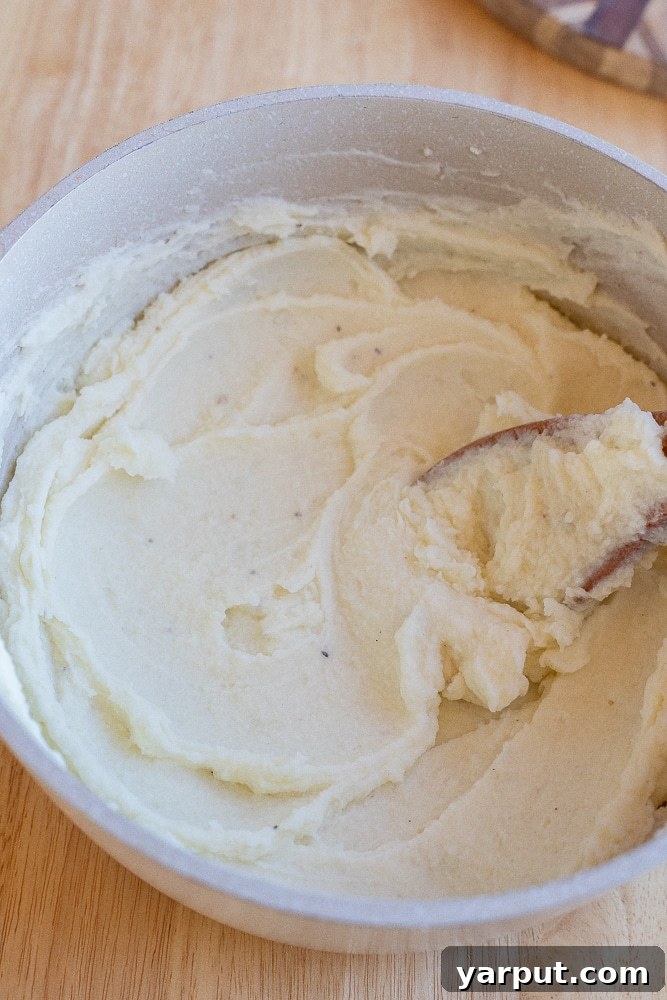
How To Make The Best Creamy Mashed Potatoes: A Step-by-Step Guide
Follow these detailed steps to achieve perfectly creamy, flavorful mashed potatoes every time:
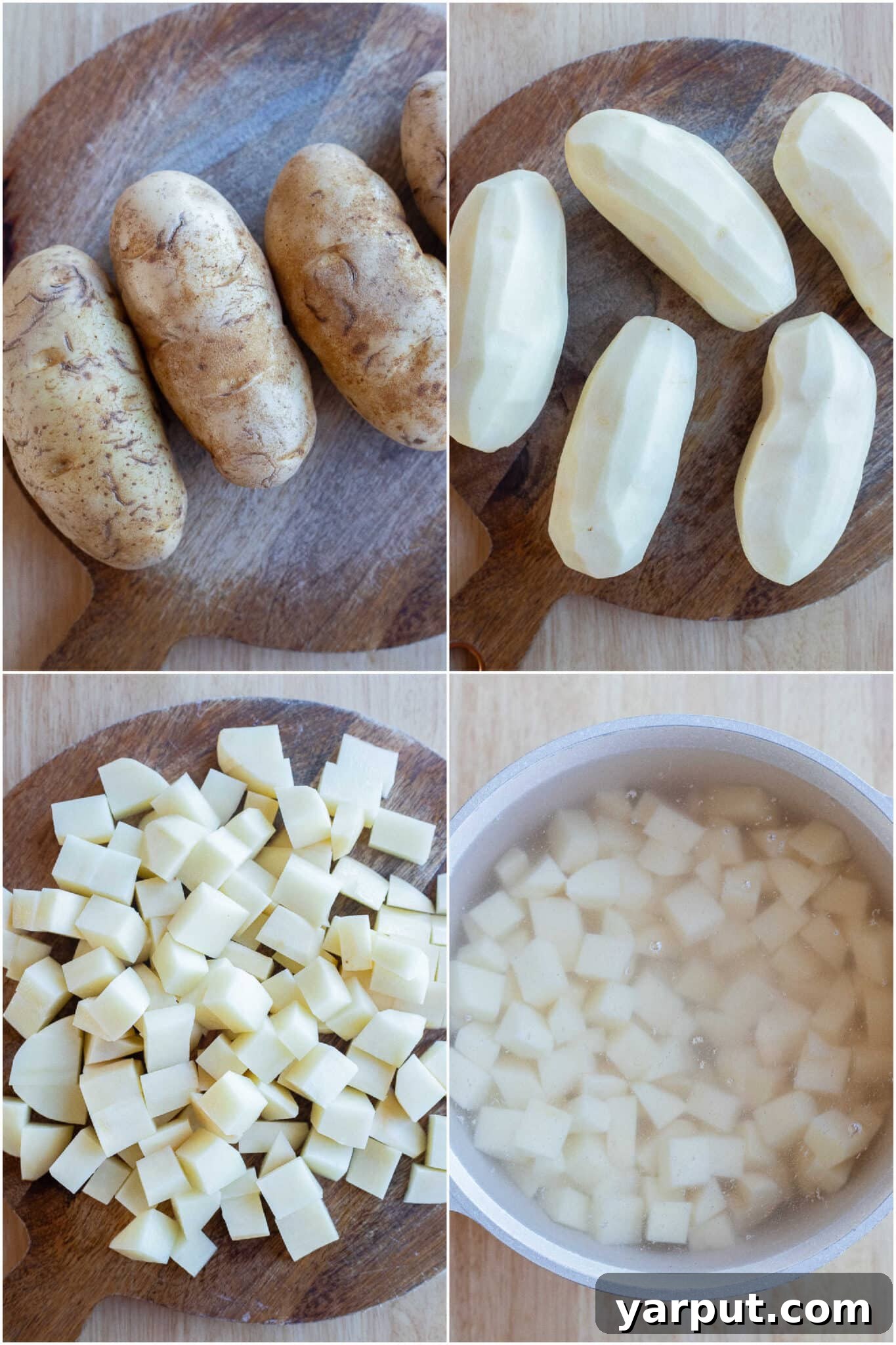
- Prepare Your Potatoes for Even Cooking: Begin by thoroughly washing your potatoes. If you prefer a silken, smooth mash, peel them completely. Next, dice the potatoes into roughly 1-inch (2.5 cm) bite-sized pieces. The key here is uniformity; ensuring all pieces are approximately the same size guarantees they cook evenly and simultaneously, preventing some pieces from being undercooked or overcooked.
- Boil to Fork-Tender Perfection: Place the diced potatoes in a large pot and cover them generously with cold water. Adding potatoes to cold water ensures they cook evenly from the outside in. Add a generous pinch of salt (about 1-2 teaspoons per gallon of water) to the water; this seasons the potatoes from within as they cook. Place the pot over medium-high heat and bring the water to a vigorous boil, which typically takes about 12-15 minutes. Once boiling, reduce the heat slightly to maintain a steady simmer and cook the potatoes until they are easily pierced with a fork but not falling apart, usually around 15-20 minutes.
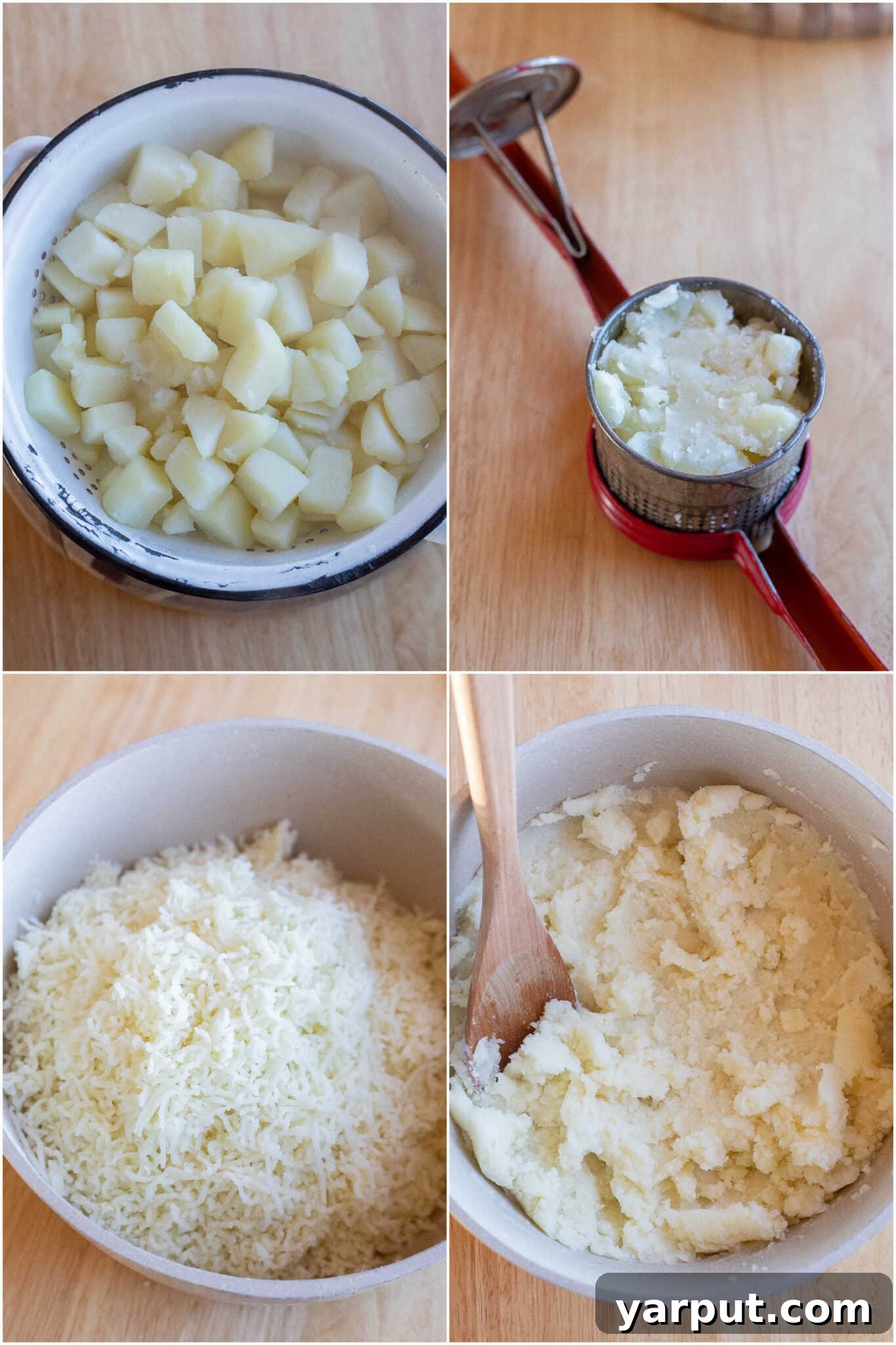
- Drain and Dry for Fluffiness: Carefully drain the cooked potatoes very well in a colander. Transfer them back to the hot, empty pot. Place the pot back on the stove over very low heat for 2-3 minutes, gently shaking the pot occasionally. This crucial step allows any residual moisture to evaporate, preventing watery mashed potatoes and concentrating their natural flavor. You can then proceed with mashing: either mash them thoroughly with a potato masher directly in the pot, or for the ultimate smooth texture, pass them through a potato ricer or food mill into the same pot. If using a ricer, hold it over the sink initially to catch any lingering water droplets.
- Incorporate Richness and Seasoning: Turn the heat to low (or off, if your pot is still very hot). Add the melted butter to the potatoes. Gently mix with a sturdy spoon or spatula until the butter is fully incorporated and the potatoes begin to smooth out. Next, gradually pour in the room-temperature buttermilk (or your chosen milk/cream), mixing continuously until you achieve your desired consistency. If you prefer a looser, creamier mash, add a little more milk, a tablespoon at a time, until perfect. Finally, season generously with salt and freshly cracked black pepper to taste. Remember to taste and adjust until the flavor is just right!
- Serve Immediately or Prepare for Later: Your perfectly creamy mashed potatoes are now ready to be enjoyed! Serve them hot as a delicious side dish. If preparing ahead, allow them to cool completely before storing them in an airtight container in the refrigerator for up to 4 days. To reheat, you can place them in a baking dish, cover with foil, and bake at 350°F (175°C) until heated through, or gently warm them in a pot on the stovetop over low heat, stirring frequently. You will likely need to add a splash of extra milk, broth, or butter during reheating to restore their creamy texture, as they tend to stiffen when cooled.
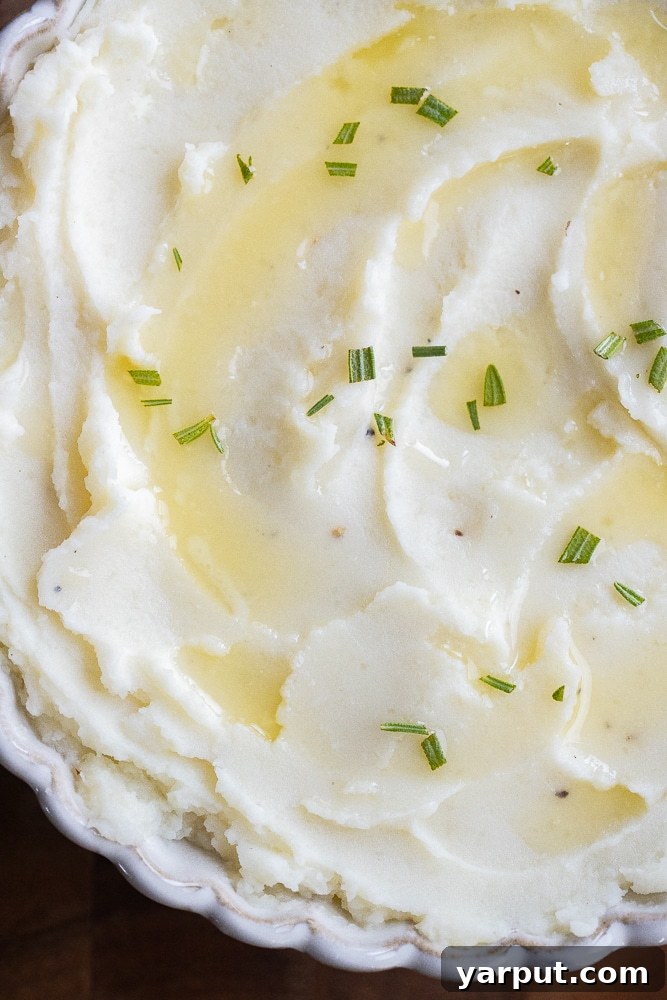
Frequently Asked Questions About Mashed Potatoes
Here are answers to common questions about making and enjoying these creamy mashed potatoes:
- Is this recipe gluten-free? Yes, this recipe is naturally gluten-free as none of the ingredients contain gluten.
- How can I make these mashed potatoes vegan or dairy-free? It’s incredibly simple! Substitute dairy butter with a high-quality vegan butter alternative, and replace dairy milk/buttermilk with unsweetened plant-based milk like almond, oat, or cashew milk. Ensure all other optional ingredients (like garlic) are also vegan.
- Should I use milk or buttermilk for mashed potatoes? The choice is yours and depends on your preference. Regular milk (especially whole milk) will yield a classic, rich, and creamy result. Buttermilk, however, adds a lovely subtle tanginess and an extra layer of creaminess that many find delightful, elevating the overall flavor profile. I personally prefer buttermilk for its unique character.
- Can mashed potatoes be prepared ahead of time? Absolutely! Mashed potatoes are an excellent make-ahead dish. Allow them to cool completely, then transfer them to an airtight container and store in the refrigerator for up to 4 days. When ready to serve, reheat them gently on the stovetop over low heat, stirring and adding a splash of extra milk or broth until they reach your desired creamy consistency. Alternatively, reheat them covered in a baking dish in a moderate oven.
- Are mashed potatoes freezer-friendly? Yes, they are! Once completely cooled, transfer the mashed potatoes to a freezer-safe, airtight container or heavy-duty freezer bags. They can be stored in the freezer for up to 3 months. While their super-creamy texture might slightly alter upon thawing (they might be a little softer or have a slightly different mouthfeel), their delicious buttery flavor will remain intact. Thaw overnight in the refrigerator before reheating.
- What additional flavors can I add to these mashed potatoes? This recipe serves as a fantastic base for customization! Beyond garlic (as discussed earlier), consider adding fresh chopped chives, finely chopped fresh parsley, a dollop of sour cream or cream cheese for extra richness, a pinch of nutmeg, a spoonful of Dijon mustard or horseradish sauce for a subtle kick, or even some shredded cheese like cheddar or Parmesan for a cheesy mash.
- Do I need a potato ricer to make creamy mashed potatoes? No, a potato ricer is not strictly required, but it is highly recommended for achieving the smoothest, lump-free texture. If you don’t have one, you can use a sturdy potato masher, being careful not to overwork the potatoes (which can make them gummy). Alternatively, pressing the cooked potatoes through a fine-mesh strainer or using a food mill can also achieve excellent results.
Have a question I didn’t answer? Don’t hesitate to ask in the comment section below, and I will get back to you as soon as possible!
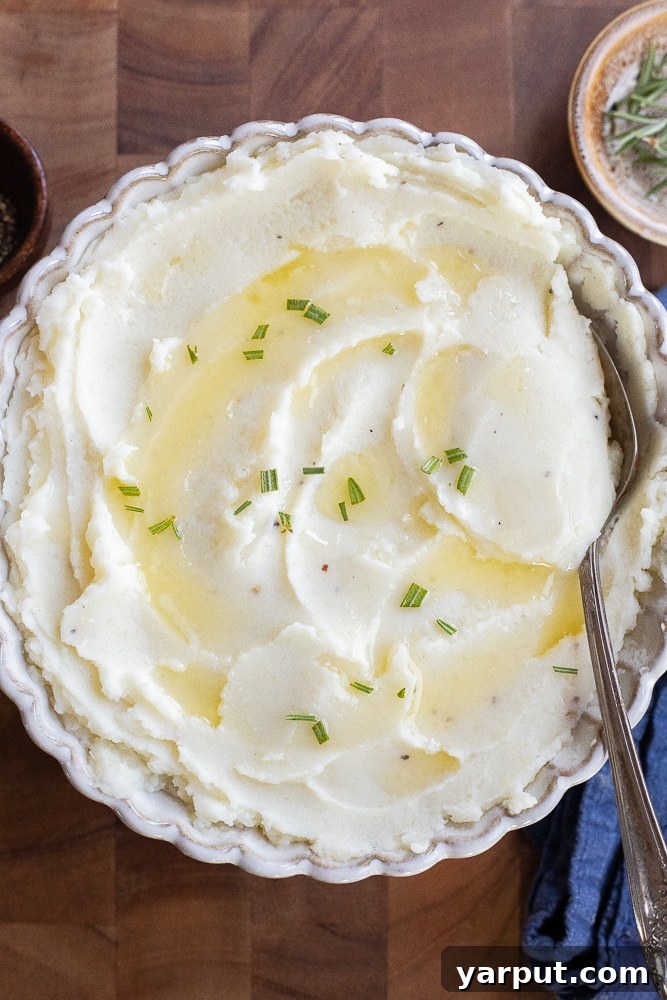
Explore More Delicious Potato Recipes
If you’ve enjoyed this creamy mashed potato recipe, you’ll love these other potato-centric dishes:
Crispy Cauliflower and Potato Tacos
Spicy Buffalo Potato Salad
Cheesy Green Chile and Potato Enchiladas
Perfectly Seasoned Grilled Potato Wedges
Hearty Potato, Egg, and Cheese Breakfast Tacos
Print

The Best Creamy Mashed Potatoes
5 Stars 4 Stars 3 Stars 2 Stars 1 Star
No reviews
Author: She Likes Food
Total Time: 45 minutes
Yield: 6-8 1x
Diet: Vegetarian
Description
These are the ultimate creamy mashed potatoes you’ve been searching for! Perfect for holidays or any meal, this recipe uses simple ingredients like butter, milk, salt, and pepper to create a rich, velvety side dish. Easy to prep ahead and even freezer-friendly, they offer both comfort and convenience.
Ingredients
Scale
- 6–8 medium-sized russet or Idaho potatoes (yields about 8 cups peeled and diced)
- 1/2 cup salted butter, melted
- 1/2 to 3/4 cup room temperature buttermilk (or whole milk/cream), depending on desired texture
- Salt and freshly cracked black pepper, to taste
- Fresh herbs for topping, such as chives or parsley (optional)
Instructions
- Wash and peel potatoes thoroughly (or leave skins on for a rustic touch). Dice them into uniform 1-inch (2.5 cm) pieces to ensure even cooking.
- Place diced potatoes in a large pot and cover with cold water by at least an inch. Add a generous pinch of salt to the water. Bring the water to a rolling boil over medium-high heat (approx. 12-15 minutes). Once boiling, reduce heat slightly and simmer until potatoes are fork-tender, about 15-20 minutes.
- Carefully drain the potatoes completely in a colander. Return the drained potatoes to the hot, empty pot. Place the pot back on very low heat for 2-3 minutes, gently shaking to allow any excess water to evaporate, ensuring fluffy mashed potatoes. Then, either mash well with a potato masher, or for ultimate smoothness, pass them through a potato ricer or food mill into the pot. (A ricer is recommended for the creamiest texture and helps remove excess liquid.)
- With the heat still on low, add the melted butter to the potatoes. Mix until the butter is fully incorporated and the potatoes are smooth. Gradually pour in the room-temperature buttermilk (or preferred milk), mixing until the desired creamy consistency is achieved. Add more milk if you prefer a looser mash. Season generously with salt and freshly cracked black pepper to taste.
- Serve your creamy mashed potatoes immediately, garnished with fresh herbs if desired. If preparing ahead, let them cool completely, then store in an airtight container in the refrigerator. To reheat, warm on the stovetop or in the oven, adding a splash of extra milk or broth to restore creaminess.
- Prep Time: 15 mins
- Cook Time: 30 mins
- Category: Side, Vegetarian
- Method: Stovetop
- Cuisine: American