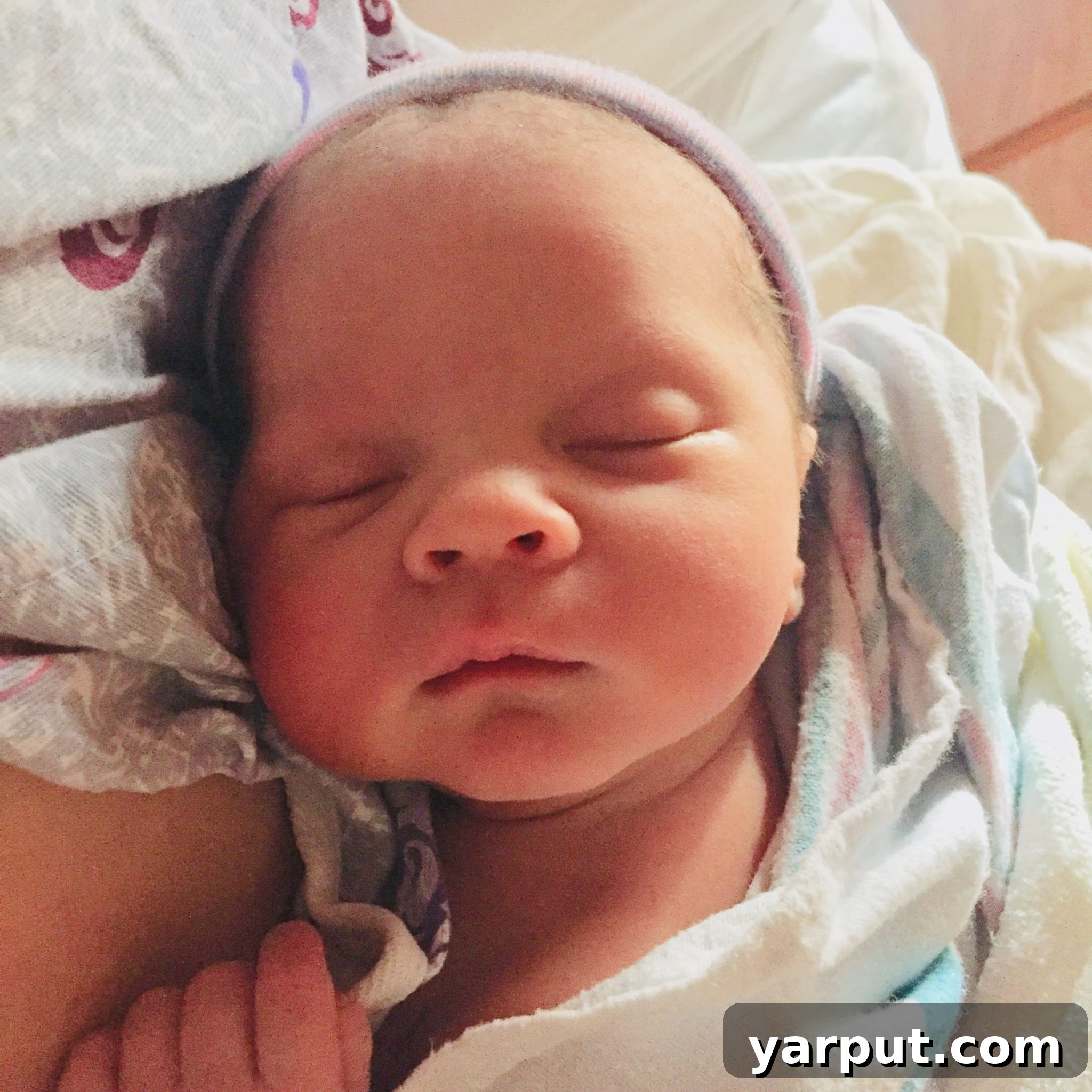
My Unpredictable Second Birth Story: Welcoming Sawyer Amidst Challenges
Childbirth, a journey often romanticized yet inherently unpredictable, has taught me profound lessons with each experience. My mother spoke of relatively swift and straightforward deliveries for both my sister and me, leading me to harbor similar hopes for my own pregnancies. However, my reality has unfolded quite differently, proving that each birth holds its unique narrative. My firstborn, Eli, arrived after a series of interventions including water breaking, Pitocin, an epidural, and an immediate transfer to the NICU. I shared his birth story with a heavy heart, grappling with sadness for an extended period, a feeling that still resurfaces when I recall the events. This time, I desperately yearned for the fabled “quick and easy” second birth, but Sawyer’s arrival proved to be a complex blend of easier and harder, for entirely distinct reasons.
The Unexpected Start: A Series of Pre-Labor Worries
Sawyer’s due date was January 30th. Despite my fervent wish for an early arrival, I mentally prepared for him to be fashionably late, mirroring my firstborn. As my husband, Eli, and I were heading to my 38-week prenatal appointment, an unforeseen twist emerged. Roughly ten minutes before we even reached the car, our usually vivacious Eli transformed into a lethargic, irritable little boy. He soon drifted off to sleep in the car, and a mother’s intuition confirmed it: he was sick. I proceeded into my appointment alone, where the midwife detected that the baby’s head had shifted slightly to the side, rather than its previously well-positioned downward alignment in the pelvis. To ensure accuracy, she brought in the ultrasound machine for a double-check. Just as the scan began, my husband entered the room with a crying Eli, who then promptly vomited all over the floor.
The convergence of my son’s sudden illness, so close to my due date, and the news of the baby’s suboptimal position amplified my stress significantly. Looking back, I realize the baby’s head position wasn’t a catastrophic issue, and perhaps I allowed it to affect me more than necessary. Thankfully, Eli recovered mostly by the following day. I dedicated that entire day to diligent efforts, bouncing on my birth ball and performing optimal fetal positioning exercises, determined to guide the baby’s head back into the pelvis. The next morning, a noticeable increase in pressure low in my abdomen spurred me to schedule another appointment. My primary goal was reassurance, to confirm that my efforts had succeeded and the baby was indeed back in place.
The Preeclampsia Scare: A Journey from Denial to Induction
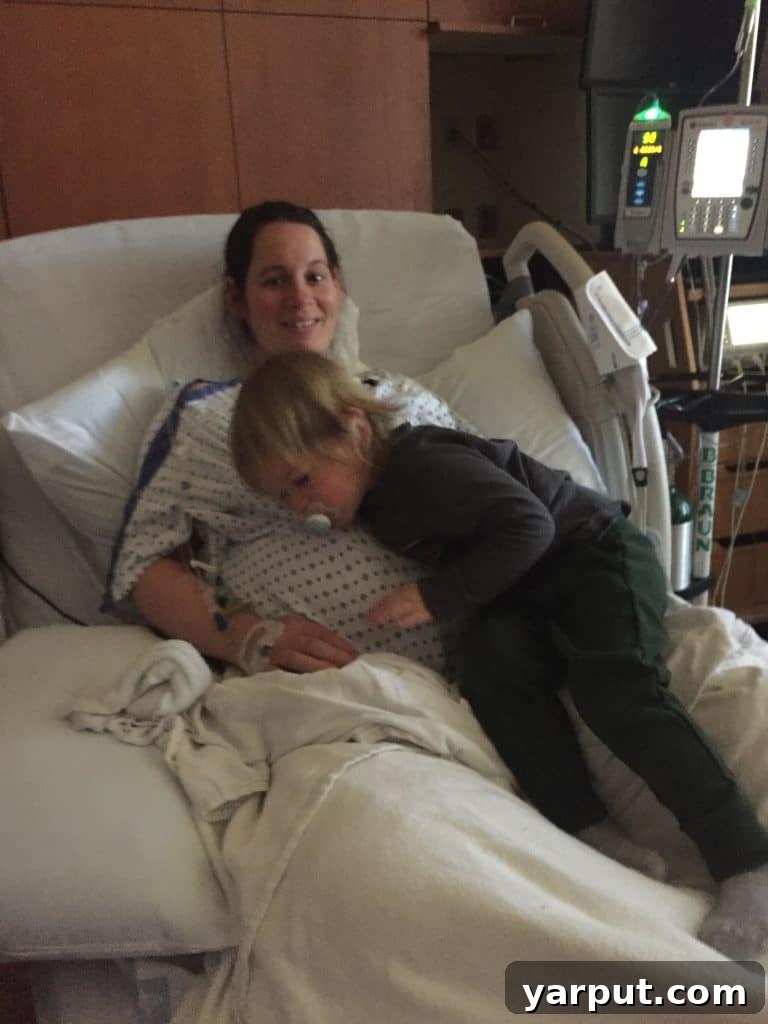
The hospital was able to fit me in the very next day. I attended the appointment solo, as it conveniently fell during Eli’s nap time. During the initial checks, the nurse recorded my blood pressure at an alarming 150/90. Initially, I dismissed it, attributing the elevated reading to my well-documented history of “white coat syndrome,” where my blood pressure invariably spikes in medical settings. Moreover, the preceding week had been incredibly stressful, further solidifying my belief that nerves were the sole culprit. However, the midwife harbored deeper concerns. After confirming that the baby had indeed returned to a favorable position within my pelvis – a small victory! – she instructed me to head to the hospital for blood tests and serial blood pressure monitoring. This was crucial to differentiate between mere anxiety and genuine hypertension. The moment I reached my car, an overwhelming wave of emotion broke over me, and I burst into tears. I was already at my wit’s end with stress, and this unexpected detour was the last thing I wanted to face.
Upon arriving at the hospital, another emotional breakdown ensued. A compassionate nurse provided much-needed comfort, engaging in conversation and kindly preparing a cup of tea for me. Miraculously, all my lab results came back normal, yet my blood pressure remained persistently elevated – not dangerously high, but consistently above the healthy range. Following a discussion with the midwife, I agreed to undergo a 24-hour urine collection to screen for protein, a key indicator of preeclampsia, and return the next day for further blood pressure checks. The possibility of induction was subtly mentioned, a suggestion I vehemently denied, convinced that my heightened state of anxiety was the root cause. The sterile, clinical environment of the hospital certainly did nothing to quell my nerves.
The following evening, I returned to the hospital with my husband and son. My intention was clear: drop off the urine sample and firmly decline any further blood pressure readings, certain they would be skewed by my extreme stress. They processed the urine test and additional lab work, all of which, once again, came back normal. The midwife then engaged me in conversation, gently persuading me to allow a few more blood pressure measurements. The initial readings were elevated, but not alarmingly so. Then, abruptly, my blood pressure surged to an astounding 190/115. The midwife acted swiftly, immediately bringing in the doctor, who unequivocally stated that I would not be permitted to leave the hospital with such dangerously high readings. Induction was necessary that very evening, along with medication to stabilize my blood pressure. While I technically had the option to leave against medical advice, it came with a strong recommendation against it and the requirement to sign a waiver.
Commencing Induction: The Magnesium Sulfate & Cervical Ripening Phase
At that critical juncture, there was no denying the gravity of my dangerously high blood pressure. While profound disappointment about the need for induction washed over me, I knew fighting it was futile. The medical team performed a cervical check to determine the most suitable induction method; I was about half a centimeter dilated and 80% effaced. An ultrasound confirmed the baby’s well-being. The midwife expressed confidence that labor wouldn’t progress overnight, allowing my husband to take our son home. It was Eli’s first night away from me, a moment that tugged at my heartstrings. I remained at the hospital to begin the induction process. Fortunately, we had engaged an incredible doula whose timely arrival offered immense support. For a few hours, she was by my side as they initiated magnesium sulfate to manage my blood pressure and inserted a cervical ripening pill to prepare my cervix for Pitocin.
Though I had envisioned an unmedicated birth this time, the reality of my situation swiftly altered my plans. The magnesium sulfate induced uncomfortable hot flashes, accompanied by severe dizziness, grogginess, and mild nausea. Navigating painful contractions under such conditions felt utterly insurmountable. Within a few hours of the first cervical ripening pill, I began experiencing very mild contractions, occurring every 3-5 minutes. Sleep that night was sparse and fragmented; the contractions themselves weren’t intense, but the cumulative effect of my medical state and the anticipation made rest impossible.
Early the following morning, the doctor performed another cervical examination. While my dilation hadn’t progressed significantly, he was optimistic about the consistency of my contractions. Another cervical ripening pill was administered, with the hope it would adequately prepare my cervix for the impending Pitocin. My mild contractions persisted, maintaining a rhythm of approximately five minutes apart. By early afternoon, the midwife (who, along with the doctor, decided to co-manage my now high-risk birth) checked me again. She announced I was approximately 3 centimeters dilated and ready to commence Pitocin. A wave of excitement, tinged with apprehension, washed over me; I hoped things would accelerate, yet I was acutely aware of the potentially intense and close-knit contractions Pitocin could unleash. My husband and son returned to the hospital that afternoon, and we officially started the Pitocin drip.
The Protracted Waiting Game: Pitocin, Magnesium, and Frustration
Anticipating immediate, painful contractions, I proactively discussed epidural options with the nurse. She arranged for one to be on standby, ensuring I wouldn’t endure a prolonged wait once I requested it. The Pitocin infusion began slowly, with nurses checking on my progress every 30 minutes. Each visit, the report was consistent: my contractions remained remarkably mild, often requiring little more than a conscious breath to manage. Despite steadily increasing the Pitocin dosage, the intensity of my contractions barely changed – they were consistent but far from painful. I felt a strong urge to be active, to move and encourage stronger contractions, but the magnesium sulfate confined me to bed. Standing up induced debilitating dizziness and nausea, making any movement a challenge.
As the Pitocin dosage climbed higher and higher, the lack of change in my contraction intensity became increasingly frustrating. The medical team explained the inherent conflict: Pitocin stimulates uterine contractions, while magnesium sulfate acts as a muscle relaxant, effectively counteracting each other. Their hope was that the Pitocin would eventually overpower the magnesium, leading to a significant pick-up in labor. I was approaching the maximum allowable Pitocin dosage, and the possibility of a temporary break from it loomed if progress remained stagnant. A knot of anxiety tightened in my stomach; the fear of an eventual C-section grew with each passing hour of non-progression. The doctor returned for another check, revealing that I had progressed to 4-5 centimeters dilation – a small but welcome sign of movement. We discussed breaking my water, but she hesitated, citing that the baby’s head wasn’t yet perfectly sealed against my pelvis. This specific concern raised the risk of umbilical cord prolapse once the water broke, a scenario that would necessitate an emergency C-section. Having experienced a water break with Eli’s birth that led to excruciating contractions without aiding dilation, I was entirely comfortable with her decision to wait.

A Turning Point: Active Labor and Rapid Progression
As the day wore on, I felt an increasing urgency to actively contribute to my labor’s progression. Uncertainty about the baby’s optimal position persisted, so I spent some time lying on my side with a birth ball strategically placed between my legs. Then, mustering what little energy I had left – running on zero sleep and battling persistent dizziness and nausea from the magnesium sulfate – I propped myself against the hospital bed, closed my eyes, bowed my head, and began bouncing on the birth ball. Pitocin continued to be administered, and the midwife seemed slightly disheartened when she returned, and I reported that I could barely feel the contractions while bouncing. However, shortly thereafter, I felt a distinct leak (TMI, apologies!) and rushed to the bathroom, confirming it was my bloody show and mucus plug. My doula, ever reassuring, confirmed this was an excellent sign of progress, and I continued bouncing until the doctor returned for another check. I confessed my immense disappointment if I remained at 5 centimeters.
To my relief, she confirmed I was indeed at 5 centimeters, but emphasized it was a firm 5 this time, not the ambiguous 4-5 of before. Crucially, she noted that the baby had descended further, and his head felt securely positioned against my pelvis. This positive development meant she now felt comfortable breaking my water. Despite a lingering hesitation, I knew this was a vital step if I wanted labor to advance efficiently.
The Final Push: An Unexpected Unmedicated Delivery
Around 11:00 PM, my water was officially broken. Soon after, a dramatic shift occurred: my contractions finally began to intensify. While not yet excruciating, they demanded my full concentration and focused breathing. The precise duration of this phase is a blur, but then, abruptly, the pain escalated to an unbearable degree. During their peak, each contraction felt so overwhelming that I struggled to catch my breath. The midwife performed another check, and upon hearing I was only 6 centimeters dilated, I desperately pleaded for the epidural. The order was placed, but due to the magnesium sulfate for my blood pressure, a delay was inevitable as they needed to ensure I had adequate fluids.
I distinctly remember my doula inquiring if I preferred a different type of epidural, one that didn’t go into the spine and took 15-20 minutes to take effect, rather than providing immediate relief. She explained that a standard epidural could significantly lower blood pressure, and given my existing blood pressure issues, they wanted to minimize further complications. However, the thought of enduring an additional 20 minutes of intensifying pain was simply unacceptable. I adamantly requested the regular epidural. With each passing contraction growing more agonizing, my cries for the epidural grew more urgent.
Then, a powerful, undeniable sensation of pressure in my rectum surged through me, and I announced that I felt an overwhelming urge to push. Both the midwife and doctor quickly re-entered the room for an immediate check. To my astonishment, I overheard the anesthesiologist, who had just arrived at the door, being told his services were no longer required. I was fully 10 centimeters dilated and ready to push! In a span of merely 30 minutes, I had progressed from 6 to 10 centimeters. While exhilarated that the pushing phase had finally arrived, a part of me felt a tinge of disappointment at missing out on the epidural. The midwife’s words, however, resonated deeply and filled me with an unexpected sense of pride: she marveled at my ability to achieve a natural, pain-medication-free birth while being induced and on magnesium sulfate. Her acknowledgment felt truly empowering.
Welcoming Sawyer and Navigating Postpartum Realities
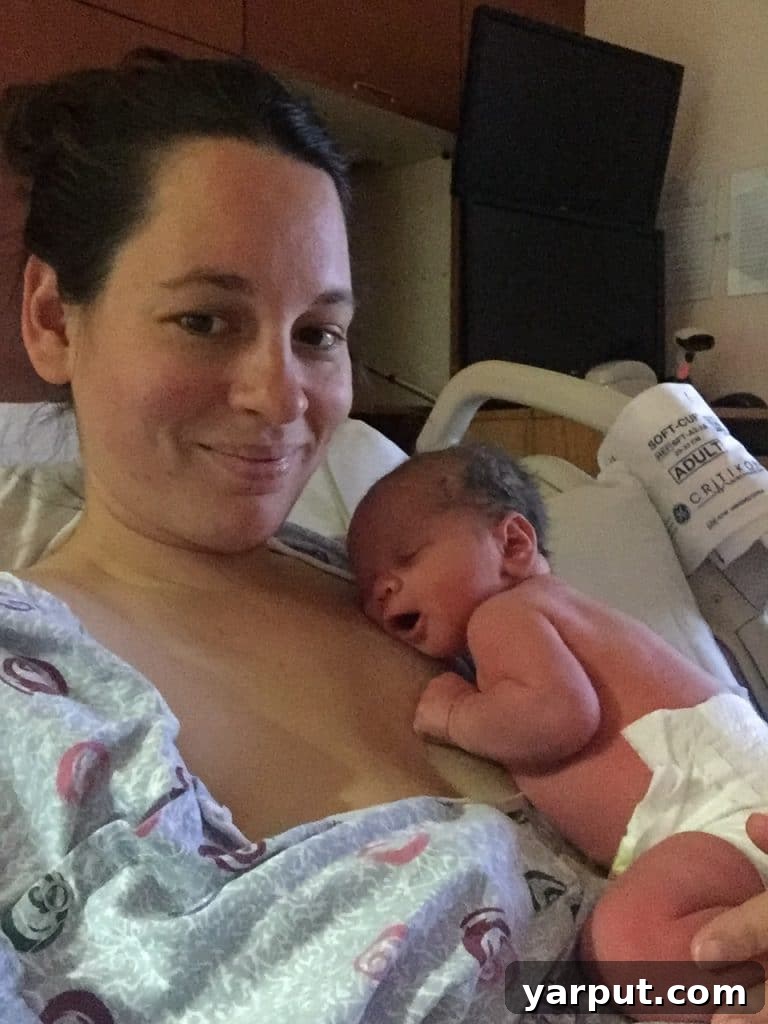
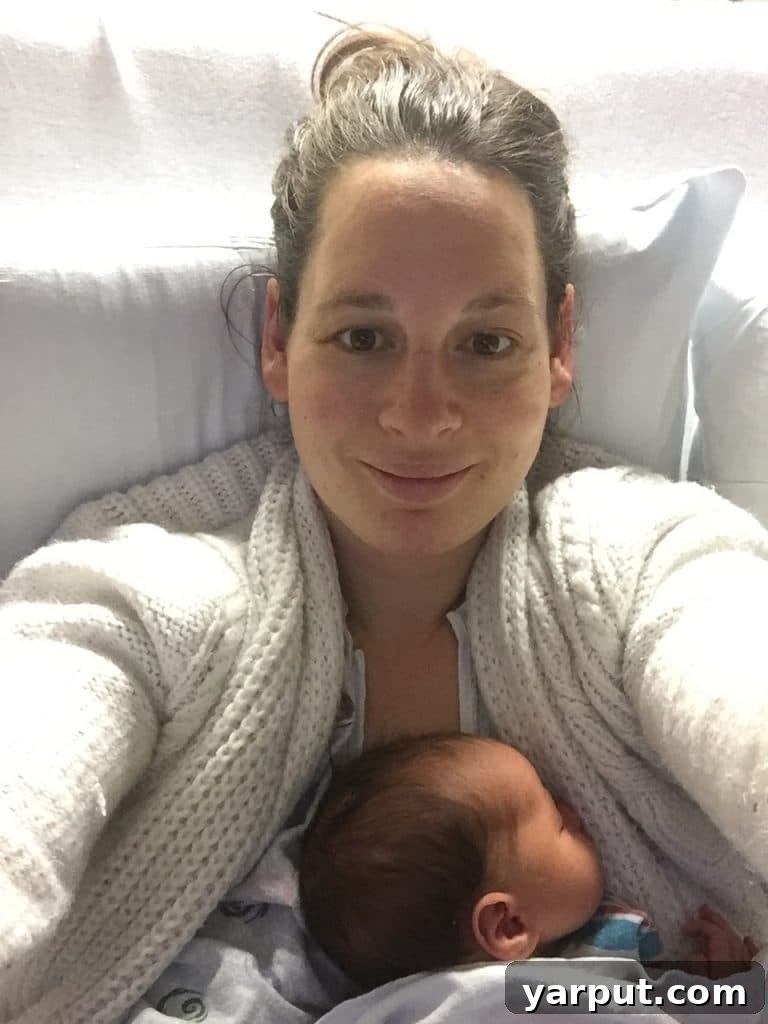
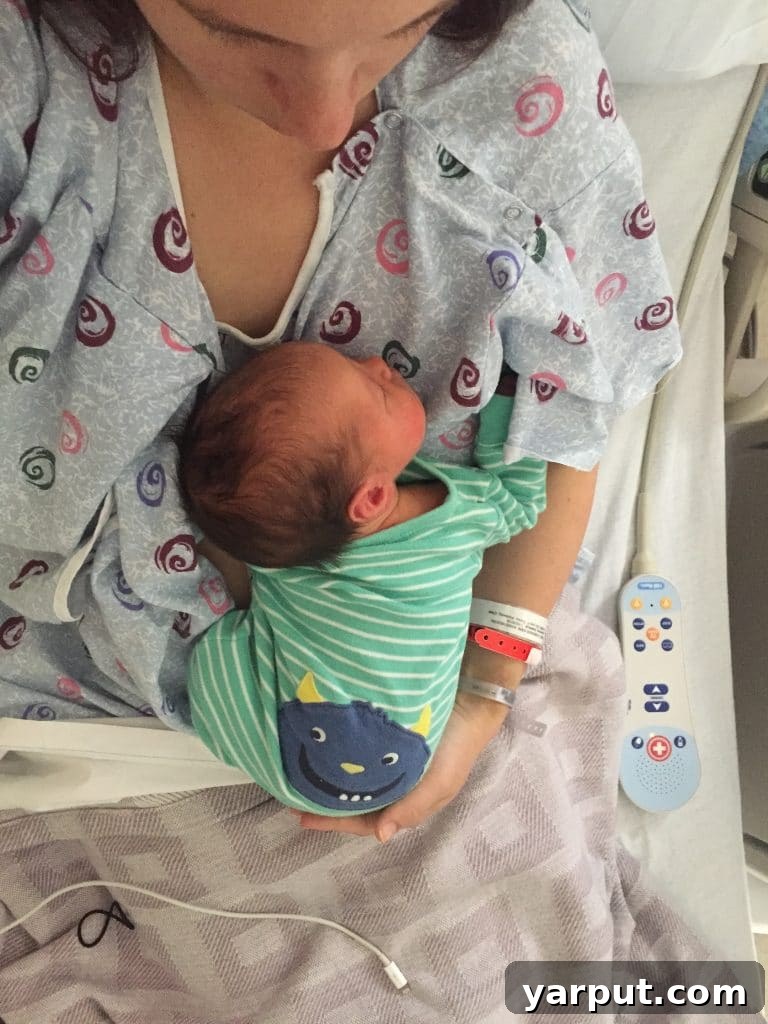
At this point, contractions were coming rapidly, with significant pressure and pain persisting even between them. I initially attempted to push on my hands and knees, but little progress was being made. The midwife explained that the baby was encountering resistance behind my pelvic bone. Finally, I shifted onto my back, which instantly made pushing less painful and significantly accelerated the process. After approximately 45 minutes of determined pushing, our beautiful baby boy, Sawyer, made his grand entrance into the world!
I still carry a slight pang of guilt for having my doula call my husband, who was at the hotel with our son, only when I started pushing. The intensity of the pain was such that I felt it was better my two-year-old didn’t witness me in that state. I instructed my husband to remain at the hotel, promising to call once the baby was born. He arrived shortly after Sawyer’s birth, just in time to cut the umbilical cord, which was a special moment. My husband’s parents had planned to arrive on January 27th to care for Eli during the birth, but the unexpected early induction meant our original plans dissolved, and we simply had to adapt.
My physical recovery from the birth itself felt remarkably easier this time around. I experienced significantly less soreness compared to my first delivery and, somehow, managed to avoid any tearing. However, the recovery from preeclampsia has presented a much steeper challenge. I remained hospitalized for five nights postpartum because my blood pressure stubbornly refused to normalize. While most preeclampsia cases see rapid improvement after delivery, my blood pressure remained high, and my liver enzymes became markedly elevated a few days later. Currently, I am on two blood pressure medications and attend weekly blood pressure checks. I am cautiously optimistic about discontinuing them soon! The anxiety surrounding a possible recurrence of preeclampsia has been considerable, but I am gradually beginning to feel a sense of calm about it.
Life with Two: Adapting to a New Family Dynamic
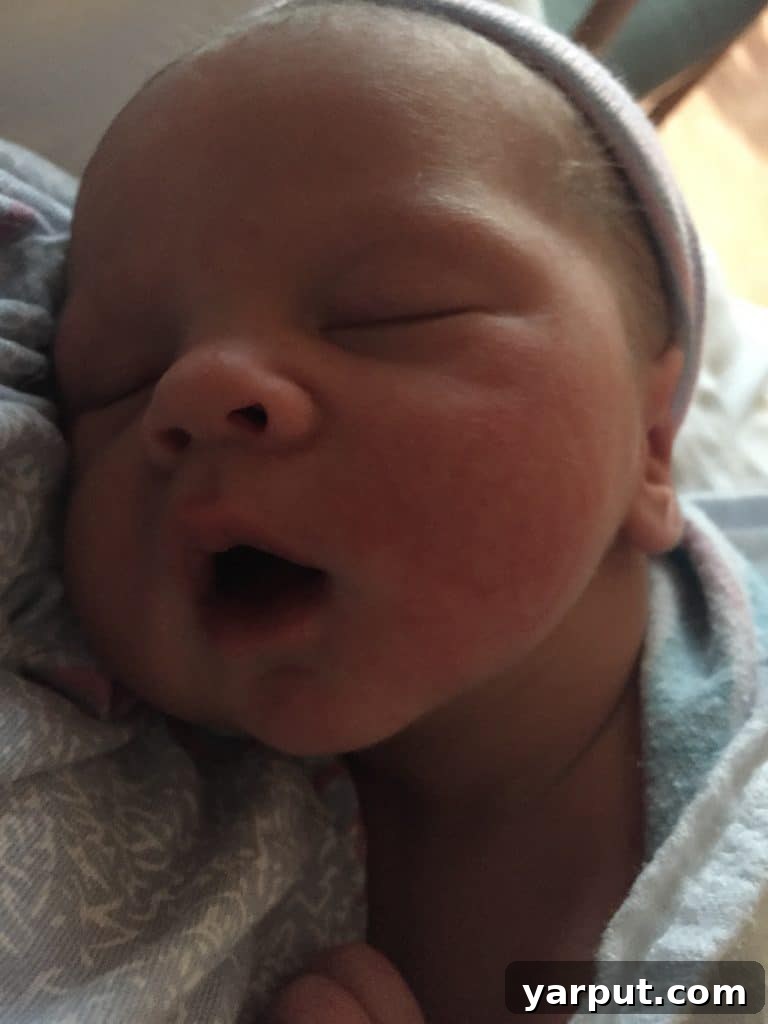
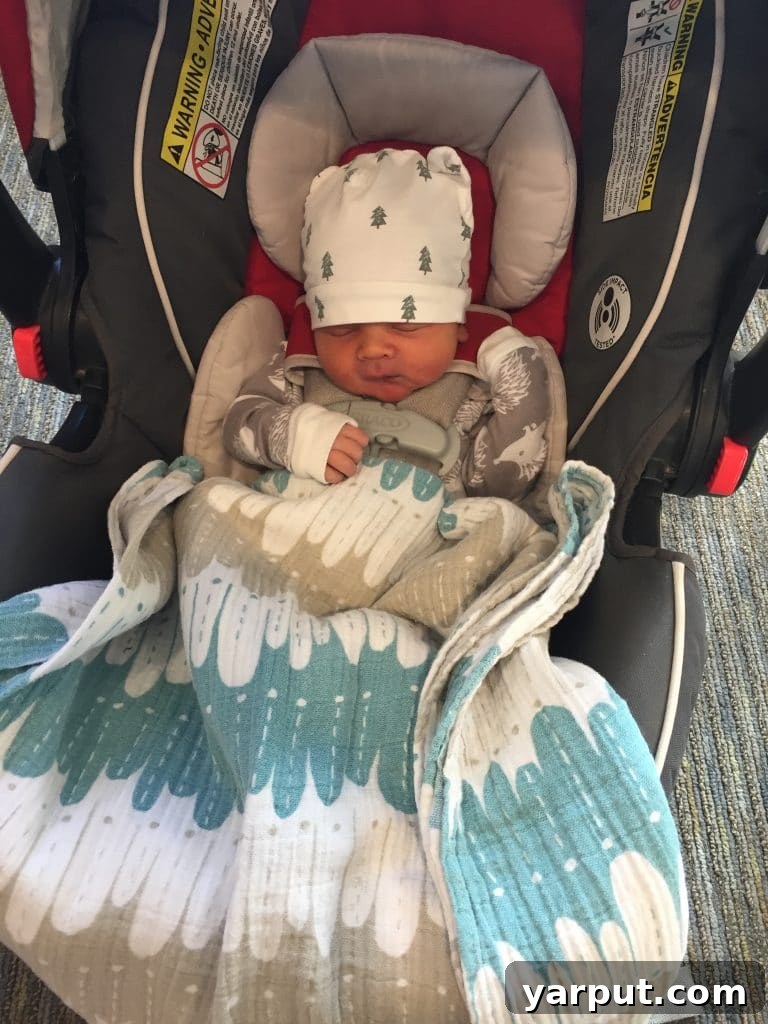
So far, Sawyer is proving to be an incredibly chill baby. My firstborn, Eli, was quite fussy from the outset, making this newborn experience feel completely different in its tranquility. However, the transition from managing one child to two has been a little overwhelming. My two-year-old, Eli, appears to be gradually warming up to his baby brother as the days unfold, yet this adjustment period has also brought forth an increase in mega temper tantrums, which are undeniably challenging. As frustrating as these moments can be, I truly empathize with him. His entire world has been turned upside down, and I understand he’s processing a significant emotional shift. My hope is that with each passing week, he will begin to feel more settled and secure in his new role as a big brother.
If you’ve made it this far, thank you for reading! I didn’t intend for this narrative to be quite so extensive. I’ll be back on Monday with a brand new recipe, and for the next two months, I plan to share one new recipe each week until I fully settle back into my kitchen routine and begin developing fresh culinary creations once again!
xoxo Izzy <3