
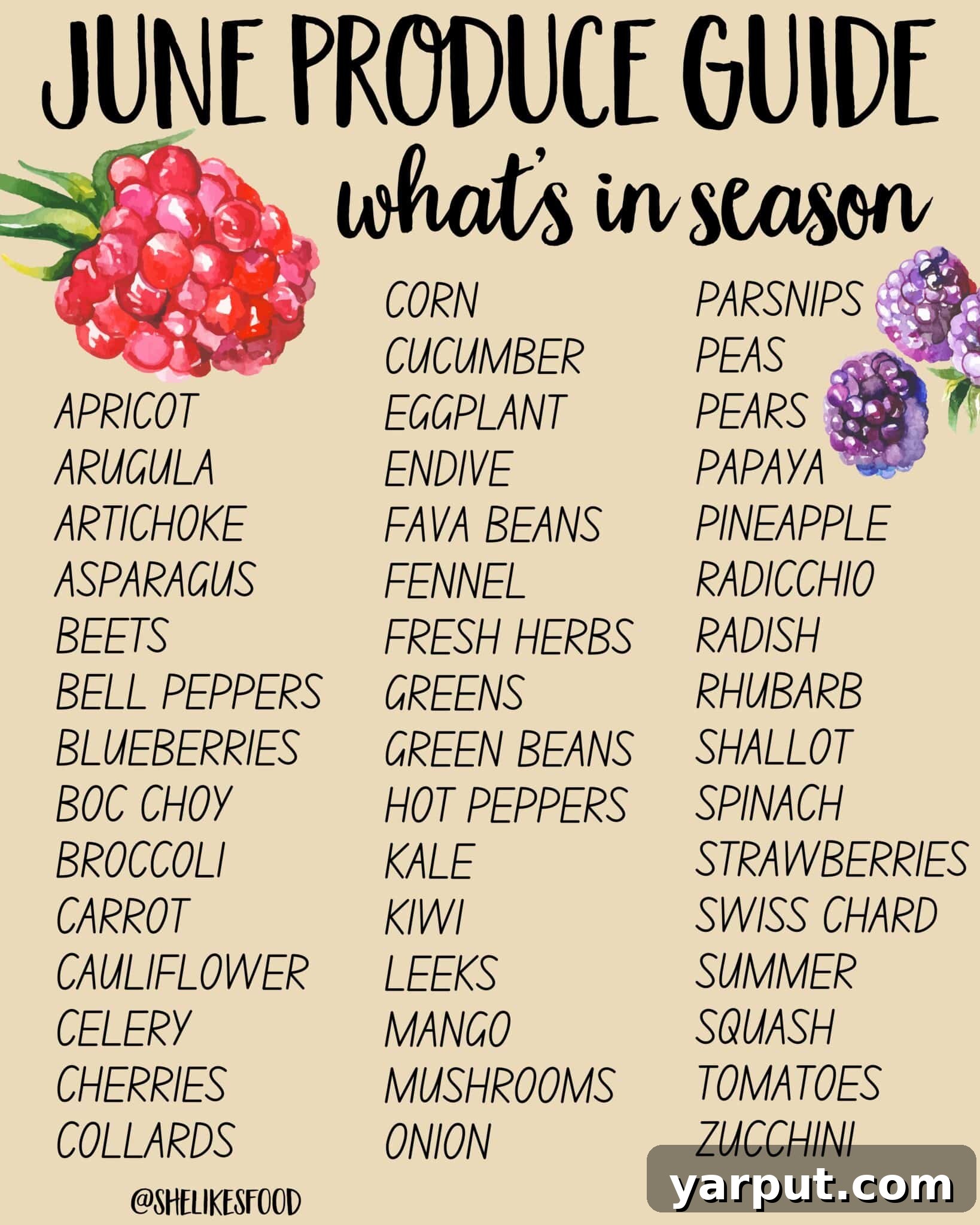
Embrace the Bounty of June: Your Ultimate Seasonal Produce Guide
Welcome, summer enthusiasts! While the official start of summer is just around the corner, the vibrant energy of the season is already palpable. School is out, the days are longer, and our gardens and local markets are bursting with an incredible array of fresh flavors. June marks the unofficial kick-off to many culinary delights, from the first sweet cherry tomatoes to tender corn on the cob and fragrant homemade pesto. If you’re eager to infuse your meals with peak-season ingredients, now is the perfect time to explore your local farmer’s market. Even in early summer, you’ll discover a diverse selection of fruits and vegetables, dazzling fresh-cut flowers, and delightful berry-infused baked goods that capture the essence of the season.
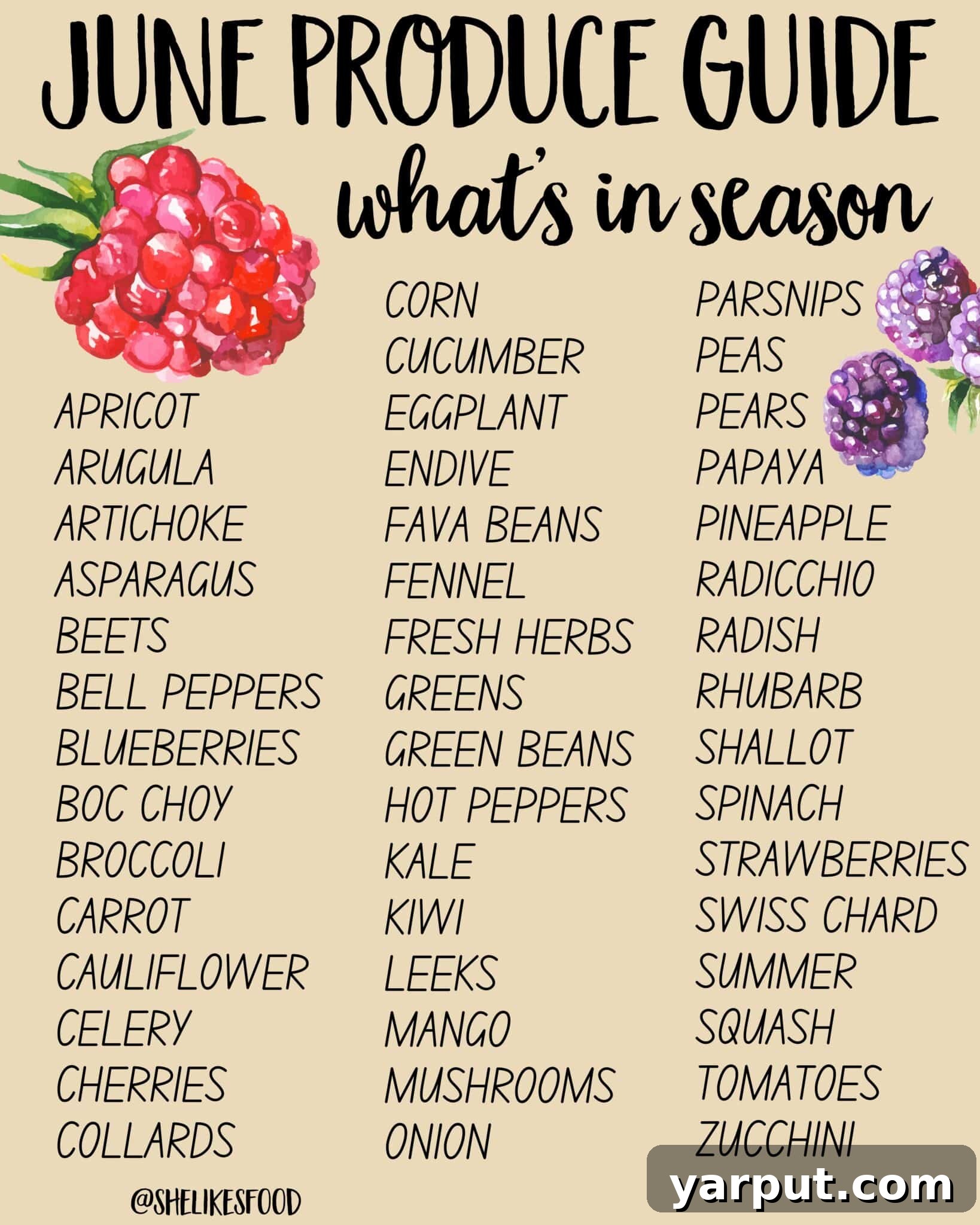
As the weather warms, my own garden beds are teeming with promising green sprouts. This year, I’ve leaned into growing an abundance of annual wildflowers like zinnias, cosmos, and sunflowers, alongside a few essential herbs, pumpkins, and zucchini. Every gardening season offers new lessons, and in our zone 6b’s brief growing window, the joy and beauty returned by flowers often outweigh the lengthy wait for many vegetables. Nevertheless, there’s nothing quite like harvesting fresh produce, and June’s harvest forms the cornerstone of our summer BBQs, picnics, and cherished outdoor dinners.
Having fresh herbs readily available for an extra burst of flavor, snacking on sun-ripened cherry tomatoes, and enjoying sweet berries for effortless desserts truly defines summer eating for me. This guide is crafted to help you navigate the seasonal treasures of June, offering insights into some of my favorite early summer produce. Remember, growing seasons vary across regions, so what’s thriving here in our high desert climate – where tomatoes and zucchini are typically planted in mid-to-late May for a late June/early July harvest – might differ from your local availability. Embrace what’s fresh and local to you, and don’t forget to share your favorite summer ingredient in the comments below!
Your Essential June Produce Guide
ARUGULA
Arugula, also widely known as Rocket, is a distinctive member of the mustard family, celebrated for its unique peppery flavor profile. This leafy green is a staple in salads, though its assertive taste means a little goes a long way. Some find its peppery notes quite robust, preferring to blend it with milder greens rather than serving it on its own. You’ll typically find two main types: delicate baby arugula, which offers a more tender texture and a milder flavor, and the full-grown version, which is heartier and boasts a more pronounced, stronger taste. Baby arugula is excellent consumed raw in salads, sandwiches, or wraps. However, its versatility extends to cooking; it can be gently wilted and served warm, much like spinach or kale. Arugula also makes a fantastic addition to sauces, like pesto, either to complement basil or as a flavorful substitute.
Beyond its culinary appeal, arugula is a nutritional powerhouse, brimming with essential vitamins, minerals, and potent antioxidants. It supports numerous health benefits, including enhanced cardiovascular health, fortified bone strength, and vibrant skin. Notably, it contains significant amounts of vitamins A, C, and K, alongside vital minerals like calcium and potassium. Its high fiber content and natural anti-inflammatory properties also make arugula an excellent choice for promoting healthy digestion and reducing systemic inflammation.
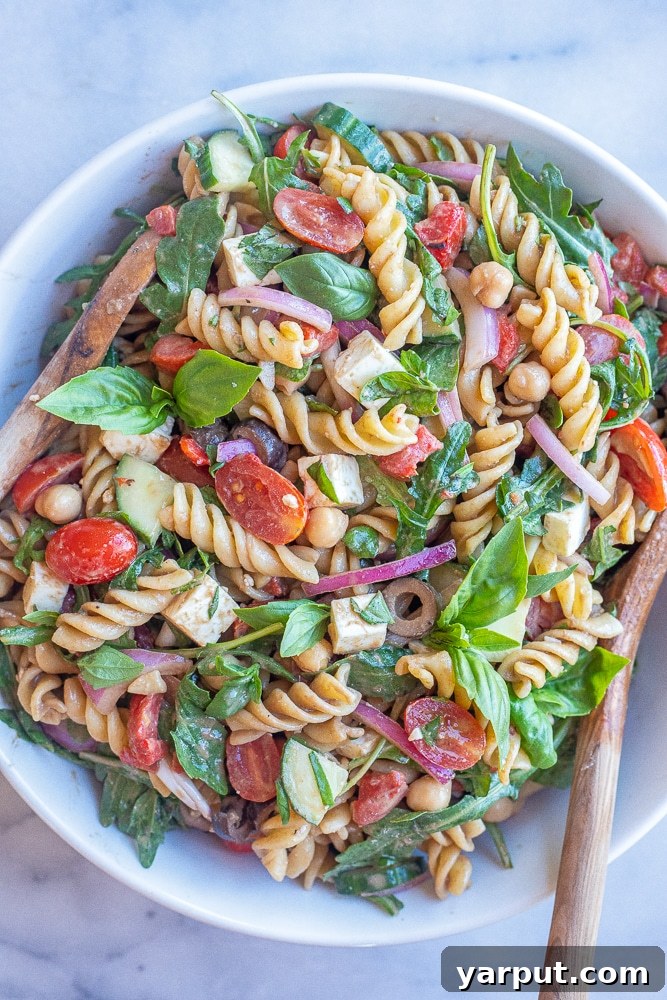
Arugula Tortellini Salad with Garlic Herb Dressing
Roasted Beet Sandwiches with Horseradish Goat Cheese
Basil and Roasted Garlic Flatbread with Arugula
Tahini Balsamic Pasta Salad with Arugula
Balsamic Sweet Pepper and Boursin Sandwiches
Roasted Carrot and Chickpea Salad with Arugula
BEETS
Beets, encompassing both the distinctive root and the leafy greens, belong to the Beetroot or Chenopodioideae family, a botanical group that also includes nutritious vegetables like spinach, Swiss chard, and sugar beets. Best known for their striking, earthy red hue, beets also come in other vibrant varieties, including golden yellow and candy-striped chioggia. Both the root and the greens are entirely edible and offer versatility in the kitchen, delicious either raw or cooked. I personally enjoy finely grating the raw root into salads for a refreshing crunch or slicing and roasting them until they achieve a delightfully meaty texture. Beets can also be prepared by pickling, steaming, or even frying, each method bringing out their unique slightly sweet and earthy flavor.
The health benefits of beets are extensive and well-documented. They are celebrated for their potential to lower blood pressure, support liver function, enhance digestion through their fiber content, and reduce inflammation throughout the body. Beets are densely packed with powerful antioxidants, Vitamin C, choline, and Vitamin K, among a host of other beneficial compounds. As root vegetables, they are often considered grounding, helping to foster a sense of stability and connection. Furthermore, beets are rich in phytonutrients, natural plant compounds known for their role in maintaining overall health and preventing disease.

Beet and Carrot Salad with Chickpeas
Roasted Beet Sandwiches with Horseradish Goat Cheese
Goat Cheese Beet and Balsamic Puff Pastry Bites
Beet and Cherry Smoothie
Vegan Beet Burgers with Brown Rice
Roasted Beet Chickpea and Black Rice Bowls
Healthier Chocolate Cupcakes with Raspberry and Beets
BROCCOLI
Broccoli is a highly prized cruciferous vegetable, part of the extensive mustard family that also includes common garden favorites like cabbage, Brussels sprouts, and kale. While several varieties exist, Calabrese broccoli is the most ubiquitous type found in the United States and the one most commonly enjoyed in home cooking. Its sturdy florets and tender stalks can be savored in a multitude of ways: raw, roasted, steamed, or stir-fried. I find that finely chopping raw broccoli into bite-sized pieces makes a fantastic addition to fresh salads, lending a pleasant crunch. Keeping steamed or frozen broccoli on hand is also a smart culinary move, as it can be effortlessly tossed into pasta dishes, stir-fries, or used as a quick, nutritious side.
Often lauded as a “superfood,” broccoli is an exceptional vegetable offering a wealth of health benefits. It is densely packed with antioxidants, which play a crucial role in combating unwanted inflammation throughout the body and protecting cells from damage. Furthermore, broccoli is an excellent source of dietary fiber, essential for maintaining healthy digestion and promoting satiety. It also boasts a significant amount of Vitamin C, a powerful immune booster; remarkably, just one cup of broccoli provides a similar amount of Vitamin C as an orange, making it a fantastic way to support your body’s natural defenses.
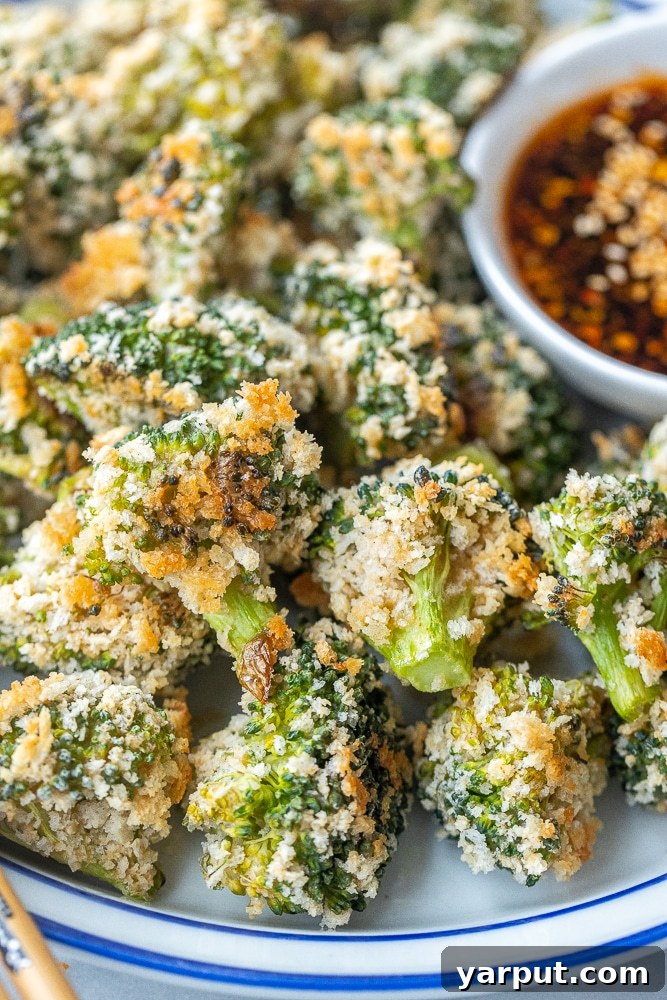
Chili Garlic Broccoli with Chickpeas
Tahini Roasted Broccoli
Crunchy Broccoli Salad with Maple Mustard Dressing
Veggie Packed Broccoli Cheddar Soup
Crunchy Baked Broccoli with Spicy Soy Sauce
Cheesy Broccoli Rice Casserole Bites
CARROTS
Carrots are quintessential springtime root vegetables, renowned for being relatively easy to cultivate and incredibly versatile in the kitchen. While the bright orange variety is most commonly found in grocery stores and on dinner plates, a delightful rainbow of carrots exists, featuring purple, yellow, and white types, each offering a subtle variation in flavor and a beautiful aesthetic. Carrots vary in size and shape, from short, stout varieties to long, slender ones. Interestingly, “baby carrots” as commonly sold are not a distinct variety but rather regular-sized carrots that have been cut, peeled, and shaped by machines. I particularly enjoy snacking on raw carrots, adding them to salads for crunch, or tucking them into wraps. Beyond raw consumption, carrots are excellent roasted to bring out their sweetness, sautéed as a tender side, cooked into hearty soups, or even baked into beloved treats like carrot cake or muffins. Their inherent sweetness and earthy notes make them a highly adaptable ingredient for both sweet and savory recipes. In the US, they are arguably most often enjoyed raw with a dip or as the star of a classic carrot cake.
The adage “carrots are good for your eyes” holds true! This vibrant vegetable is exceptionally high in beta-carotene, a powerful antioxidant that the body readily converts into Vitamin A. Vitamin A is indispensable for maintaining healthy vision, particularly in low light, and supports overall eye health. Furthermore, carrots are a commendable source of dietary fiber and other antioxidants. The fiber content not only aids in smooth digestion but can also contribute to lowering the risk of heart disease. Specifically, the soluble fiber in carrots binds to cholesterol particles, helping to remove them from the body, thereby promoting cardiovascular wellness.

Carrot and Chickpea Salad with Orange Maple Dressing
Easy Pickled Carrots
Roasted Carrot and Dill Hummus
Noodles with Cabbage and Carrots
Carrot Cake Muffins
Curried Sweet Potato Carrot and Red Lentil Soup
FRESH HERBS
Fresh herbs represent a delightful mix of annuals and perennials, each contributing unique aromas and flavors to our culinary creations. Annual herbs, such as basil and cilantro, require replanting each year to grace our gardens and kitchens. In contrast, perennials like sage, thyme, lavender, and mint offer the convenience of growing back year after year, often becoming more robust with time. Fresh herbs are generally less potent than their dried counterparts, offering a nuanced freshness that elevates dishes. I frequently use them not just for their vibrant flavors but also for adding beautiful color and texture to recipes. They serve wonderfully as a colorful garnish for pastas, salads, and soups, but can also take center stage as a main ingredient. One of my favorite ways to utilize an abundance of fresh herbs is by making pesto, which can be creatively crafted with herbs beyond traditional basil, incorporating mint or cilantro for exciting variations.
Beyond their culinary applications, herbs are incredibly potent and have been revered for centuries for their diverse healing properties. Each herb possesses a unique profile of health benefits. For instance, garlic, turmeric, oregano, and sage are widely recognized for their immune-boosting capabilities, helping to strengthen the body’s defenses. Meanwhile, ginger, peppermint, parsley, and basil are excellent digestive aids, promoting gut health and easing discomfort. The therapeutic benefits of herbs can be harnessed by incorporating fresh herbs into your daily cooking or by opting for dried herb capsules as supplements. However, it’s always prudent to consult with your doctor before introducing any new herbal supplements into your routine to ensure they align with your individual health needs.
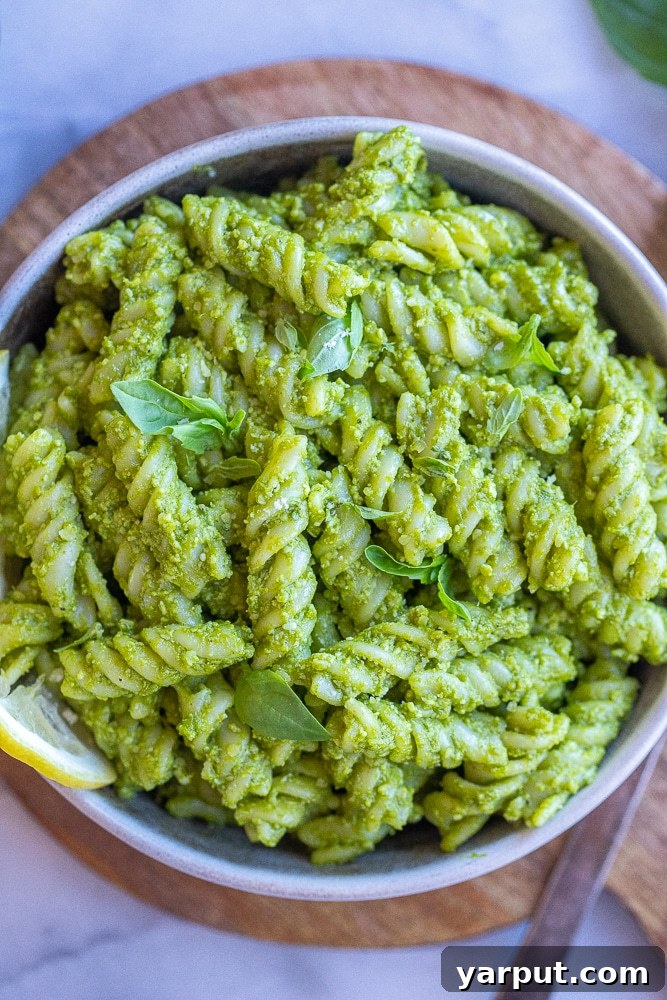
Vegan Pesto Recipe
Green Goddess Pasta with Parmesan
Herby Lemon Jalapeno Pasta
Herby Cucumber Salad with Feta and Chickpeas
Cilantro Lime Cucumber Salad with Avocado
Avocado Pesto Sauce
KALE
Kale, a prominent member of the Brassica (or Cruciferae) family, comes in several distinct varieties, each offering its own texture and appeal, including the popular curly kale, the deeply textured lacinato (or dinosaur) kale, and the strikingly vibrant purple kale. This hearty green is celebrated for its resilience, capable of withstanding colder temperatures, making it a reliable crop. In recent years, baby kale has gained immense popularity; while still retaining kale’s characteristic robustness, it offers a tender, milder profile, akin to baby spinach or lettuce. Kale can be enjoyed both cooked and raw. One of my favorite methods is to gently massage raw kale with a little olive oil or dressing before adding it to salads. This technique softens its fibers, making it more palatable while retaining its satisfying texture and refreshing qualities. Given its tendency to wilt quickly when heated, kale is an ideal addition to quick-cooking dishes like soups, stir-fries, and pasta, where it seamlessly integrates and absorbs flavors.
Often hailed as a true “superfood,” kale earns this title by being exceptionally rich in a diverse array of vitamins, minerals, and potent nutrients. Incorporating dark leafy greens into our diets is vital for optimal health, and kale provides an outstanding option. It boasts an impressive nutritional profile, containing four times more Vitamin C than spinach and twice the amount of selenium, both crucial for immune function and cellular health. Furthermore, kale is remarkably low in calories, making it an excellent food choice for those focused on maintaining a healthy weight without compromising on nutrient intake. Its high fiber content also supports digestive health and can contribute to feelings of fullness.

The Best Kale Chips
Chopped Kale Power Salad with Lemon Tahini Dressing
Kale and White Bean Pasta with Parmesan
Garlicky Kale with White Beans and Lemon
Sunshine Kale Salad
PEAS
June brings us the delightful harvest of fresh spring peas, primarily categorized into three distinct types: snow peas, sugar snap peas, and garden peas. Snow peas are easily recognized by their flat pods and are a popular ingredient in many Asian-inspired stir-fries, often enjoyed whole. Sugar snap peas, on the other hand, are characterized by their plump, rounded pods that encase larger, sweet peas within; these are fantastic for eating raw. Garden peas, also known as shelling peas, are the variety most commonly found in bags of frozen sweet peas, treasured for their tender, sweet kernels. I particularly love cultivating sugar snap peas in my garden, as they provide a continuous supply for raw snacking throughout the summer months and add a wonderful crunch to fresh salads. Keeping a bag of frozen sweet peas is a kitchen staple for me, as they can be quickly thawed and tossed into pasta dishes or served as a vibrant, nutritious vegetable side.
Peas boast an impressive nutritional profile, offering a wide array of health benefits. They stand out as an excellent source of plant-based protein, making them a valuable component of vegetarian and vegan diets. Beyond protein, peas are packed with powerful antioxidants, dietary fiber, and a host of essential vitamins and minerals. A single cup of peas delivers approximately 8 grams of protein and 7 grams of fiber, contributing significantly to daily nutritional needs. The combination of both soluble and insoluble fiber in peas is particularly beneficial, promoting smooth digestion and assisting in the removal of unwanted cholesterol particles from the body, thereby supporting cardiovascular health.
Lemony Broccoli and Sweet Pea Salad
Vegetarian Pasta with Peas and Pancetta
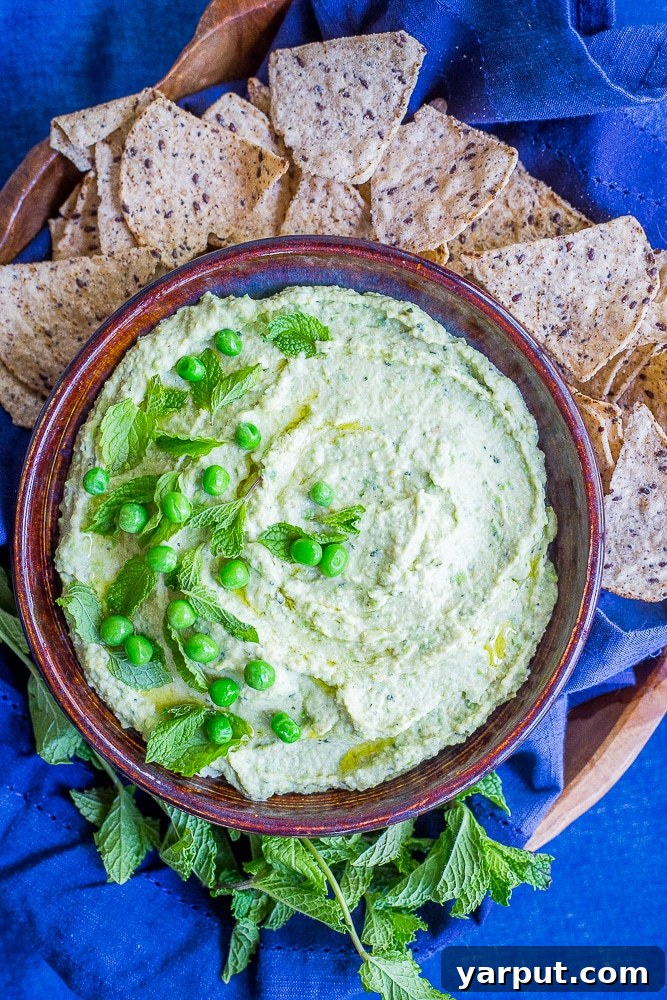
Minty Sweet Peas Hummus
Watercress Pesto Pasta with Peas
Roasted Vegetable Gnocchi Sausage Bake
RADISHES
Radishes, another piquant member of the mustard family, offer a delightful crunch and a spicy kick that can enliven many dishes. While the ubiquitous red radish is the most common variety found in grocery stores and on salad bars, a charming array of radishes exists, including white daikon, black radishes, and French breakfast radishes, each with its own subtle nuances in flavor and texture. These peppery root vegetables are typically enjoyed raw, where their crisp texture and sharp, spicy taste truly shine. My preferred method is to thinly slice radishes and add them to salads for an immediate flavor boost and visual appeal. However, radishes are surprisingly versatile: they can be pickled for a tangy, preserved crunch, grilled to soften their bite and bring out a smokier flavor, or roasted in the oven. Roasting is a fantastic way to mellow their inherent sharpness, transforming them into a sweeter, tender vegetable with a slightly nutty flavor, making them an excellent side dish.
Despite their small size, radishes pack a considerable nutritional punch. Just half a cup of raw radishes provides approximately 14 percent of your daily recommended intake of Vitamin C, a powerful antioxidant essential for a robust immune system. Their high fiber content, with 1 gram per half cup, also significantly supports a healthy digestive system, promoting regularity and gut wellness. Radishes possess natural antifungal properties, making them beneficial in helping to keep the growth of unwanted organisms, like candida, in check. Furthermore, with only about 9 calories per cup and virtually no fat, radishes are an excellent, guilt-free addition to any diet, making them particularly great for healthy weight management and overall vitality.
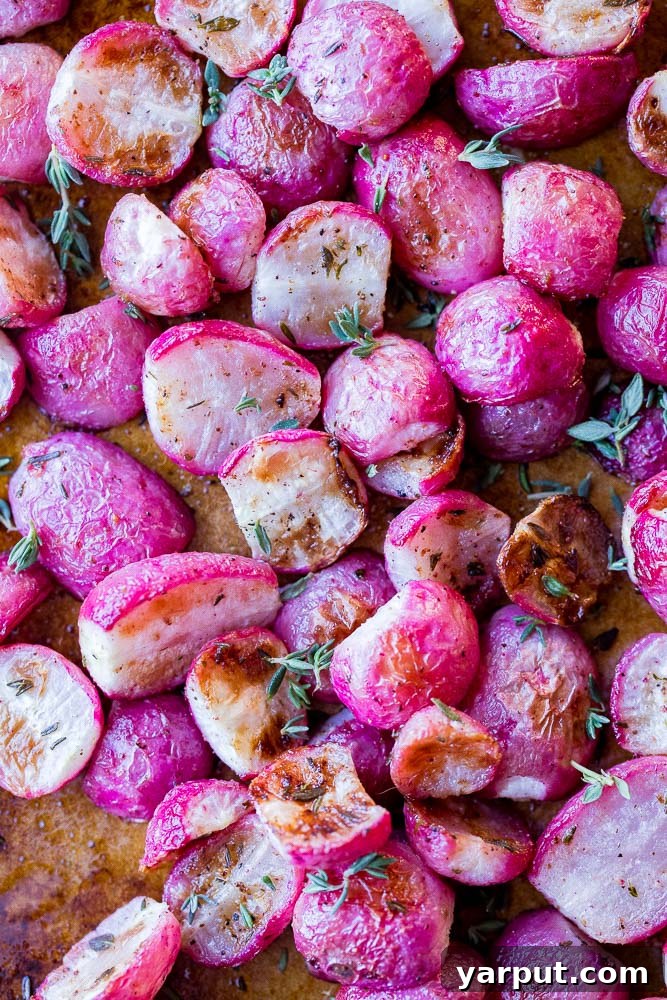
Roasted Radishes with Garlic and Herbs
Veggie Sushi Bowls with Quick Pickled Radishes
Crunchy Ranch Salad with Crispy Quinoa
Loaded Black Bean Salad
Salt and Vinegar Potato Salad
Roasted Sweet Potato Black Bean Salad with Kale
TOMATOES
Tomatoes, botanically classified as a fruit but culinarily embraced as a vegetable, belong to the nightshade family and present an astonishing diversity of varieties. From the tiny, burst-in-your-mouth cherry tomatoes to the substantial, meaty beefsteak tomatoes, they come in a spectrum of sizes, shapes, and colors, including classic red, sunny yellow, vibrant orange, and even striped or green varieties. Most tomatoes share a delightful sweetness and juicy texture that defines summer flavor. As one of my absolute favorite ingredients, their versatility is boundless. I adore eating them raw, straight from the garden, simply seasoned with a pinch of salt and pepper. Uncooked tomatoes are perfect for adding freshness to salads, layering into sandwiches, or arranging on appetizer trays. When cooked, their flavors deepen, making them ideal for crafting rich salsas, simmering into delectable pasta sauces, or transforming into homemade ketchup. The culinary possibilities truly are endless, and let’s not forget the concentrated flavor power of sun-dried tomatoes, which can elevate countless dishes.
Beyond their delicious taste, tomatoes are brimming with health-promoting compounds. They are exceptionally high in antioxidants, particularly lycopene, which is responsible for their red color and helps to neutralize harmful free radicals in the blood. The combination of lycopene and potassium in tomatoes may play a significant role in reducing the risk of chronic diseases, including heart disease and certain cancers. Lycopene specifically contributes to cardiovascular health by helping to lower “bad” LDL cholesterol and preventing arterial blockages by inhibiting cholesterol synthesis. Tomatoes are also an excellent source of Vitamin C, a vital nutrient that robustly supports and boosts the immune system, protecting the body against various infections and illnesses.
Guacamole Stuffed Tomatoes
Sun-Dried Tomato Pesto Pasta
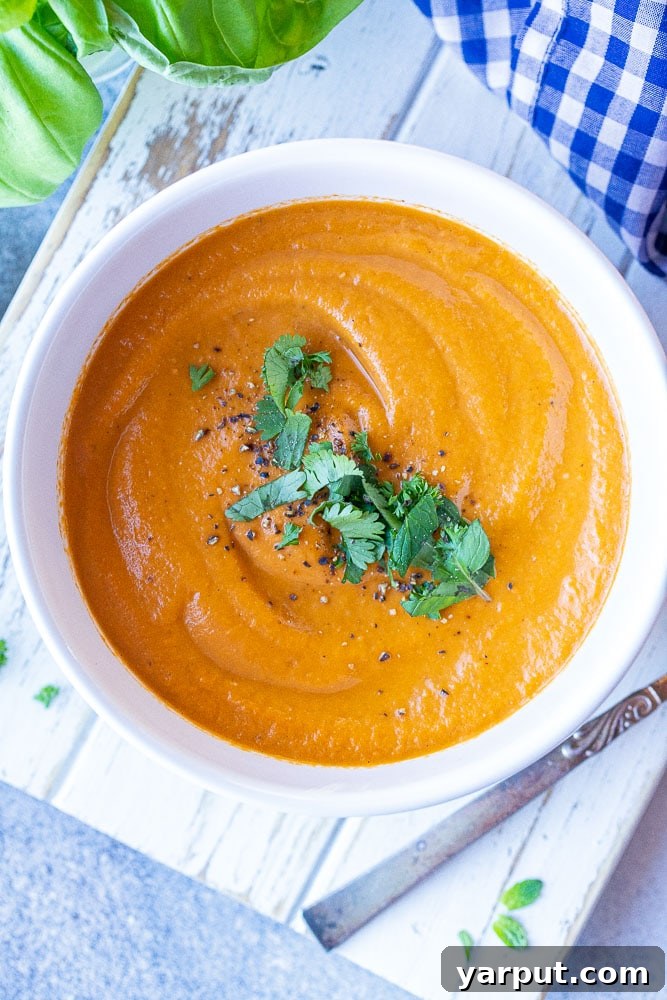
Creamy Roasted Tomato Soup
Herby Parmesan Tomato Pasta Salad
Summer Squash and Tomato Pizza
Tomato Herb Butter Beans with Pesto Rice
ZUCCHINI
Zucchini, a prolific member of the squash family, is a gardener’s delight, often yielding an abundant harvest. Most people are familiar with the classic long, green zucchini commonly found in grocery stores. However, the world of zucchini also includes appealing yellow varieties and round types. Zucchini itself has a remarkably mild flavor, making it a wonderful canvas for other ingredients, and it softens beautifully when cooked. While it can be enjoyed raw, perhaps shaved thinly into ribbons for a salad, it is most frequently sautéed, roasted, or grated into baked goods like the ever-popular zucchini bread or muffins. For me, zucchini truly shines when cooked until it begins to caramelize and achieve a golden-brown hue. This particular cooking method intensifies its subtle sweetness and brings out an amazing depth of flavor, making it an exquisite addition to stir-fries, pasta dishes, salads, tacos, and much more.
From a nutritional standpoint, zucchini is a highly beneficial vegetable, being rich in vital nutrients yet remarkably low in calories. It is an excellent source of dietary fiber, abundant in water, and contains a good amount of potassium. This combination makes it incredibly effective at keeping your digestive system running smoothly, ensuring adequate hydration, and supporting healthy weight management. Furthermore, zucchini is packed with various antioxidants, which play a crucial role in fighting oxidative stress and reducing inflammation throughout the body. Incorporating zucchini into your diet is a delicious and easy way to boost your nutrient intake and support overall well-being.
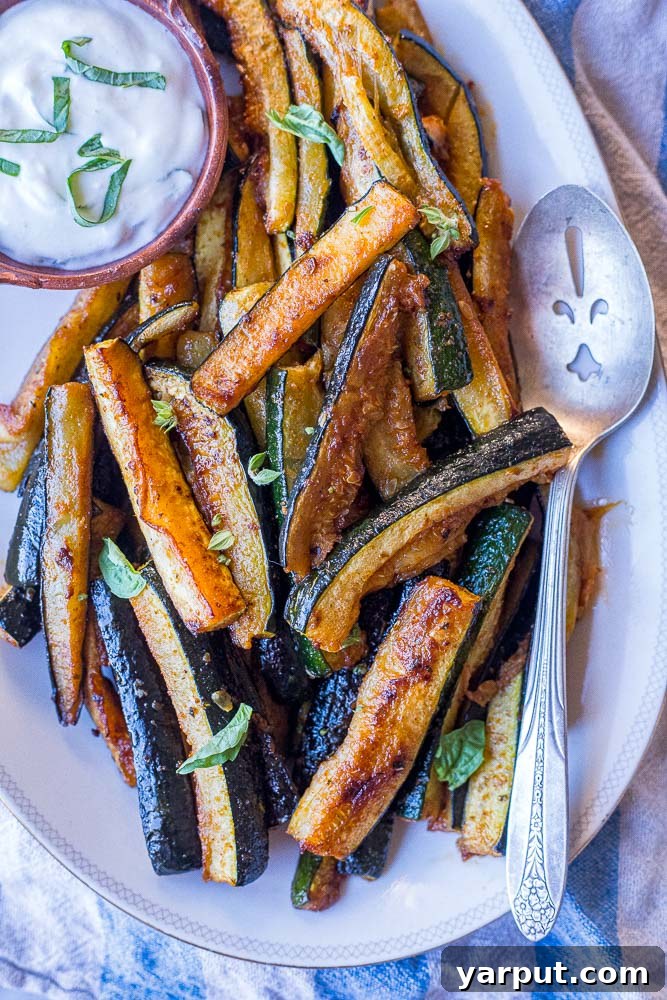
The Best Roasted Zucchini
Blackened Zucchini Tacos
Creamy Curried Zucchini Soup
Corn and Zucchini Quesadillas
Zucchini Apple Carrot Muffins
We hope this comprehensive guide inspires you to explore the incredible flavors and health benefits of June’s seasonal produce. Whether you’re a seasoned chef or a home cook looking to freshen up your meals, embracing ingredients at their peak season not only tastes better but also supports local farmers and offers maximum nutritional value. Get creative in the kitchen, enjoy the bounty of early summer, and savor every delicious bite!