
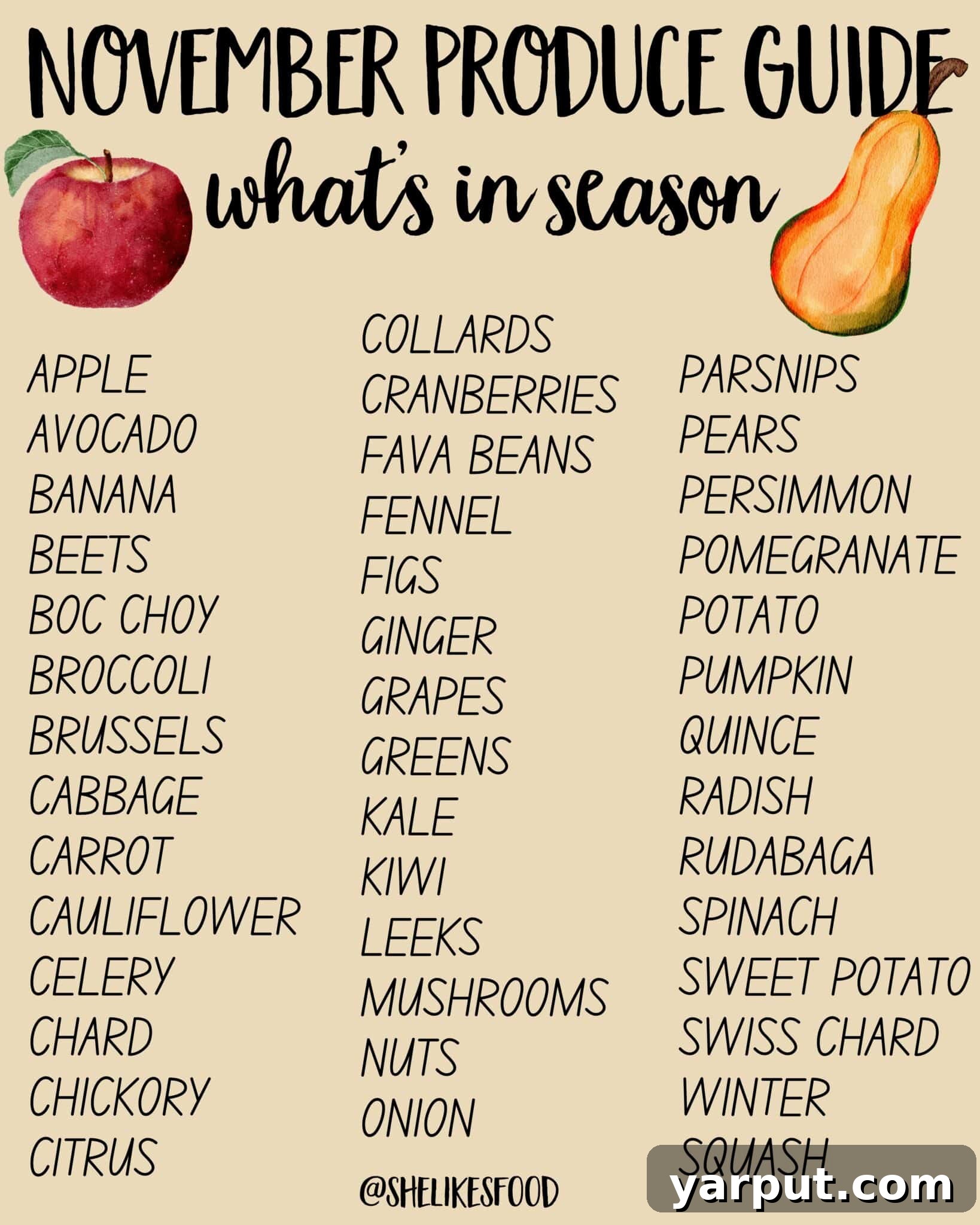
November marks a fascinating transition in the culinary calendar. While it retains the rustic charm of autumn, it also ushers in the crispness of early winter, signaling a shift in available produce. We often experience the first snowfalls this month, and while a few resilient plants might still linger in the garden, the focus inevitably moves indoors to more comforting and hearty ingredients. The peak season for summer favorites like tomatoes and fresh delicate herbs winds down, making way for robust root vegetables, substantial winter squash, and vibrant citrus fruits. Far from being a dull period for food, November and December illuminate our plates with a rich palette of colors and flavors from ingredients like deep-hued beets, earthy butternut squash, tart cranberries, and naturally sweet potatoes.
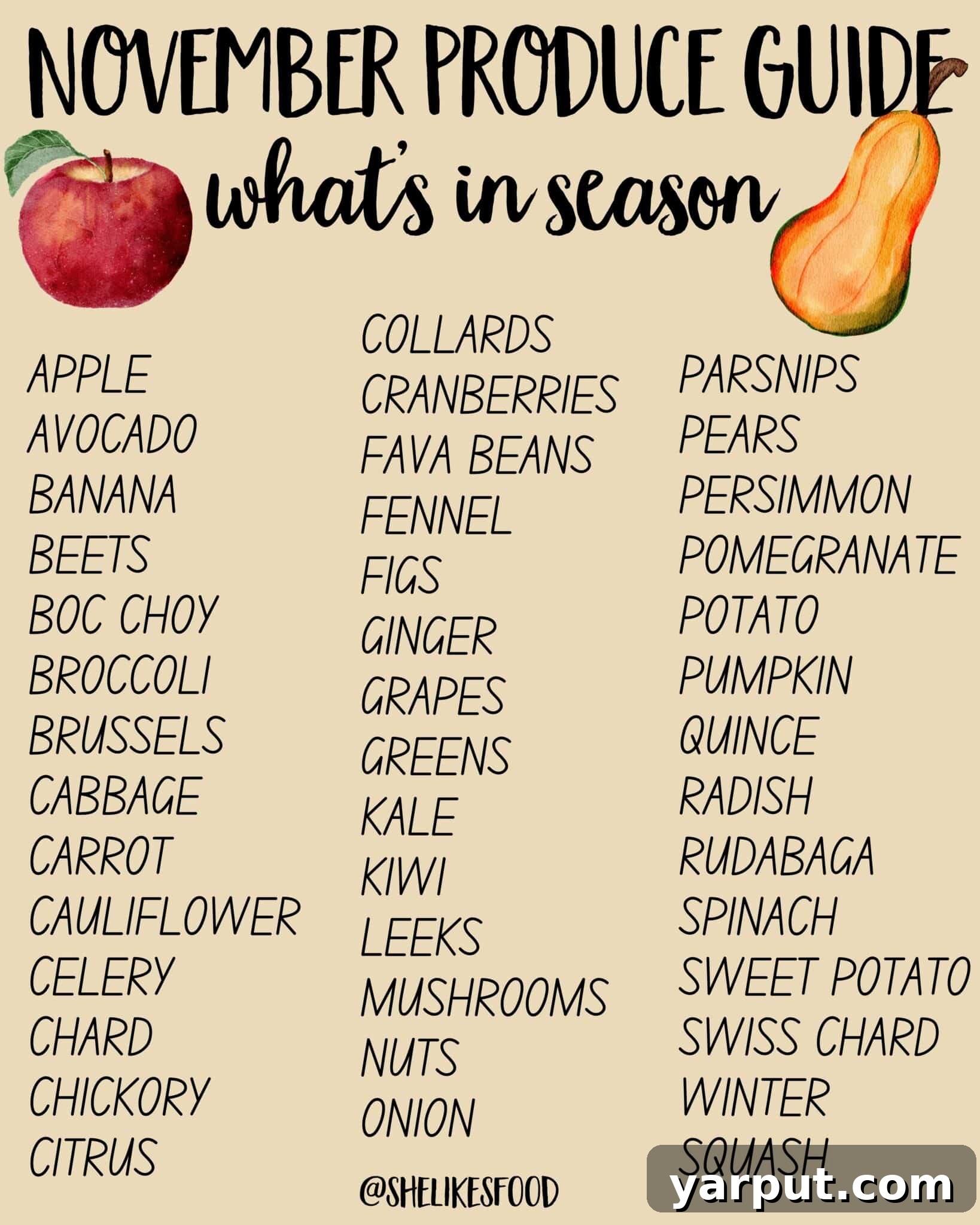
Welcome to your comprehensive November Produce Guide! It’s astonishing how quickly the year progresses, bringing us to the threshold of its end. While you might still encounter remnants of late-season produce like corn, tomatoes, and bell peppers at your local farmer’s market, their presence will likely be fleeting. As the first frosts descend – often marking the official end of the outdoor growing season in many regions – home gardens begin their long slumber, a moment always tinged with both nostalgia and anticipation for the next planting cycle.
November’s harvest truly shines with its bounty of nourishing winter squash, zesty citrus, and robust leafy greens. These incredible ingredients are perfectly suited for crafting warm, comforting meals that provide essential fuel and warmth during days that are noticeably shorter, darker, and increasingly colder. Embracing seasonal produce not only supports local agriculture but also ensures you’re enjoying fruits and vegetables at their peak flavor and nutritional value.
Please note that growing seasons vary significantly by geographical location. While this guide highlights produce typically in season in many temperate regions during November, availability may differ depending on where you reside.
Below, we’ve curated a selection of our favorite late-fall and early-winter produce. Each entry provides insights into their characteristics, health benefits, and versatile culinary applications. We’ve also included links to inspiring recipes to help you incorporate these seasonal delights into your kitchen!
NOVEMBER PRODUCE GUIDE
APPLES
Apples, beloved symbols of autumn, are members of the Rosaceae, or rose, family, a diverse group that also includes delightful fruits like strawberries, peaches, cherries, and even almonds. While many varieties peak earlier, November is prime time for several exceptional late-season apples such as the crisp and sweet Honeycrisp, the aromatic Braeburn, and the distinctively flavored Cortland. Apples are incredibly versatile, lending their unique characteristics to both sweet and savory dishes. They can elevate everything from comforting baked oatmeal and moist muffins to refreshing salads and flavorful stuffings. Served raw, they offer a delightful, refreshing sweetness and a satisfying crunchy texture that adds dynamic contrast to any meal.
The timeless adage, “An apple a day keeps the doctor away,” holds significant truth, as apples are indeed packed with remarkable health benefits. They serve as an excellent source of Vitamin C, a powerful antioxidant vital for immune health, and dietary fiber, which is crucial for digestive wellness. Apples are also rich in various antioxidants and polyphenols. Studies suggest they can contribute to lowering “bad” cholesterol levels, maintaining a healthy weight, and even boosting cognitive function. Their high flavonoid content is particularly noteworthy, as flavonoids possess potent anti-inflammatory properties that can help reduce inflammation, including that within the brain, potentially lowering the risk of neurodegenerative diseases like Alzheimer’s.
Storage Tips: Store apples in a cool, dark place, preferably in the refrigerator’s crisper drawer, to extend their freshness and crispness. Keep them separate from other fruits that emit ethylene gas, which can cause apples to ripen faster.

Caramelized Apple and Peanut Butter Baked Oatmeal Cups
Refreshing Kale Salad with Apples
Fennel and Apple Slaw
Easy Apple Crisp Breakfast Bowls
Easy Apple Pie Bites
BEETS
Beets, magnificent root vegetables, belong to the Chenopodioideae family, also known as the beetroot family, which includes other nutritious greens like spinach and Swiss chard, as well as sugar beets. While widely recognized for their vibrant, deep red hue, beets also come in striking golden, white, and striped (Chioggia) varieties, each offering a slightly different visual appeal. Both the earthy root and the nutritious beet greens are edible and can be enjoyed either raw or cooked. For a fresh approach, try grating raw beets into salads or thinly slicing and roasting them until they achieve a satisfyingly meaty texture. Beets are also excellent when pickled, steamed, or even fried. Their distinctive flavor profile is earthy with a subtle sweetness, making them a unique addition to many dishes.
Beyond their stunning color and versatile taste, beets are a nutritional powerhouse, offering a multitude of health benefits. They are particularly known for their ability to help lower blood pressure, support liver function, enhance digestive health due to their fiber content, and reduce inflammation throughout the body. Beets are abundantly packed with antioxidants, Vitamin C, choline, and Vitamin K, among a host of other beneficial compounds. As root vegetables, they are often considered “grounding” foods, metaphorically helping to foster a sense of stability and connection. Furthermore, beets are rich in phytonutrients, powerful plant compounds that play a crucial role in maintaining overall health and preventing chronic diseases.
Storage Tips: Separate the greens from the roots immediately upon arrival, as the greens draw moisture from the roots. Store beetroots unwashed in a plastic bag in the refrigerator for up to 2-3 weeks. The greens can be stored in a separate bag and used within a few days.
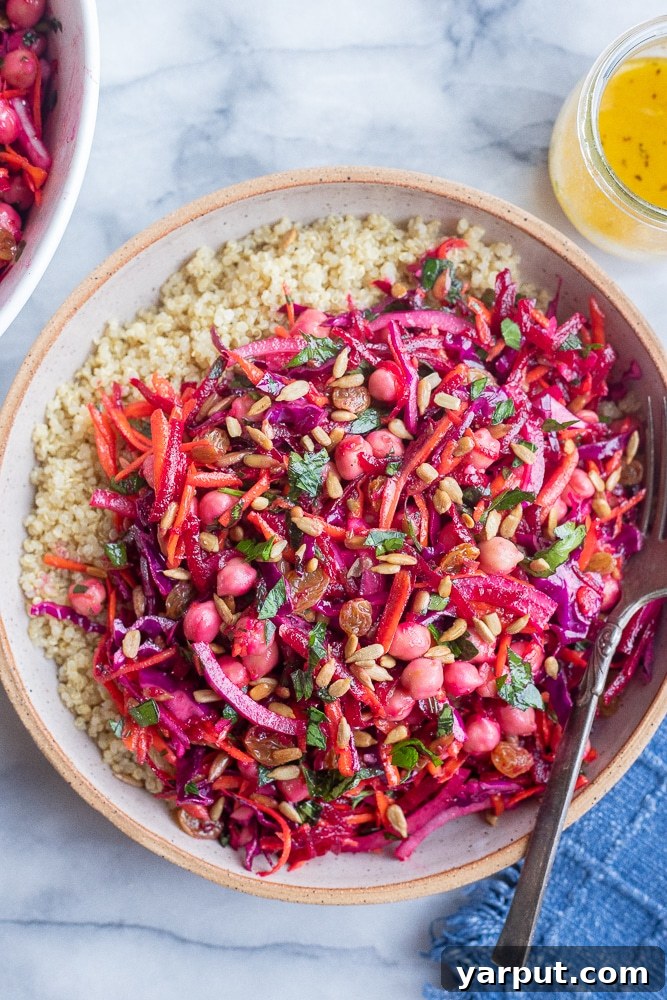
Beet and Carrot Salad with Chickpeas
Goat Cheese Beet and Balsamic Puff Pastry Bites
Beet and Cherry Smoothie
Vegan Beet Burgers with Brown Rice
Roasted Beet Chickpea and Black Rice Bowls
Healthier Chocolate Cupcakes with Raspberry and Beets
BROCCOLI
Broccoli, a prominent member of the cruciferous vegetable family, shares its lineage with other popular greens such as cabbage, Brussels sprouts, and kale. While several varieties exist, Calabrese broccoli is the most commonly cultivated and consumed type in the United States, familiar to most home cooks. This versatile vegetable can be enjoyed in a myriad of ways: raw, roasted, steamed, or stir-fried. For a quick addition to salads, finely chop raw broccoli into bite-sized florets. Keeping steamed or frozen broccoli on hand is a convenient way to boost the nutritional content of pasta dishes, stir-fries, and soups, adding both texture and a mild, slightly bitter flavor.
As a true powerhouse vegetable, broccoli offers an impressive array of health benefits. It is laden with potent antioxidants that actively help to neutralize harmful free radicals and reduce unwanted inflammation throughout the body. Broccoli is also an excellent source of both dietary fiber, which is essential for promoting healthy digestion and maintaining gut regularity, and Vitamin C, a critical nutrient for bolstering the immune system. Remarkably, a single cup of broccoli provides approximately the same amount of Vitamin C as an orange, making it a stellar choice for supporting your body’s natural defenses.
Storage Tips: Store fresh broccoli unwashed in an open plastic bag in the refrigerator. If it comes with leaves, trim them off before storing. It typically stays fresh for 3-5 days.
Chili Garlic Broccoli with Chickpeas
Tahini Roasted Broccoli
Crunchy Broccoli Salad with Maple Mustard Dressing
Veggie Packed Broccoli Cheddar Soup
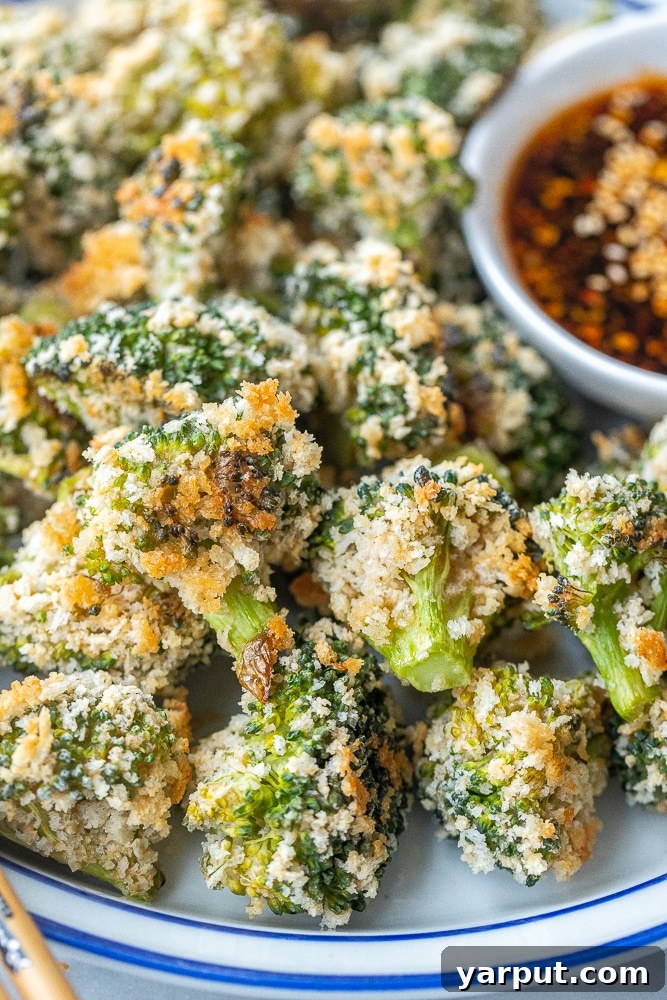
Crunchy Baked Broccoli with Spicy Soy Sauce
Cheesy Broccoli Rice Casserole Bites
BRUSSELS SPROUTS
Brussels sprouts, charming miniature cabbages, are part of the Brassicaceae, or cruciferous, family, a group renowned for its nutrient-dense members like broccoli, cauliflower, kohlrabi, and kale. These sprouts grow in clusters along a thick stalk, and while they’ve historically suffered from a reputation for being smelly and unappetizing when overcooked, modern culinary techniques have redeemed them as incredibly delicious vegetables. Brussels sprouts can be enjoyed both raw and cooked. For a fresh crunch, thinly shave raw sprouts and incorporate them into vibrant salads and slaws. They truly excel when roasted until caramelized or sautéed to a tender-crisp perfection. While steaming is an option, it’s crucial not to over-steam them and to always season generously with at least salt and pepper to bring out their best flavor.
Like all vegetables in the cruciferous family, Brussels sprouts are brimming with health-promoting compounds. They are an excellent source of dietary fiber, essential for digestive health, and a rich provider of powerful antioxidants. Furthermore, they boast high levels of Vitamin C, critical for immune function, and Vitamin K, important for blood clotting and bone health, alongside beneficial carotenoids. Brussels sprouts also contain sulforaphane, a sulfur-containing compound widely studied for its potential to help lower blood pressure and cholesterol levels, as well as its anti-cancer properties. For individuals who may experience digestive discomfort with raw cruciferous vegetables, it’s advisable to consume them cooked and in smaller portions to minimize any potential stomach upset.
Storage Tips: Store fresh Brussels sprouts on the stalk if possible, or detached in a plastic bag in the refrigerator. They can last up to a week. For best flavor and texture, avoid washing until just before use.
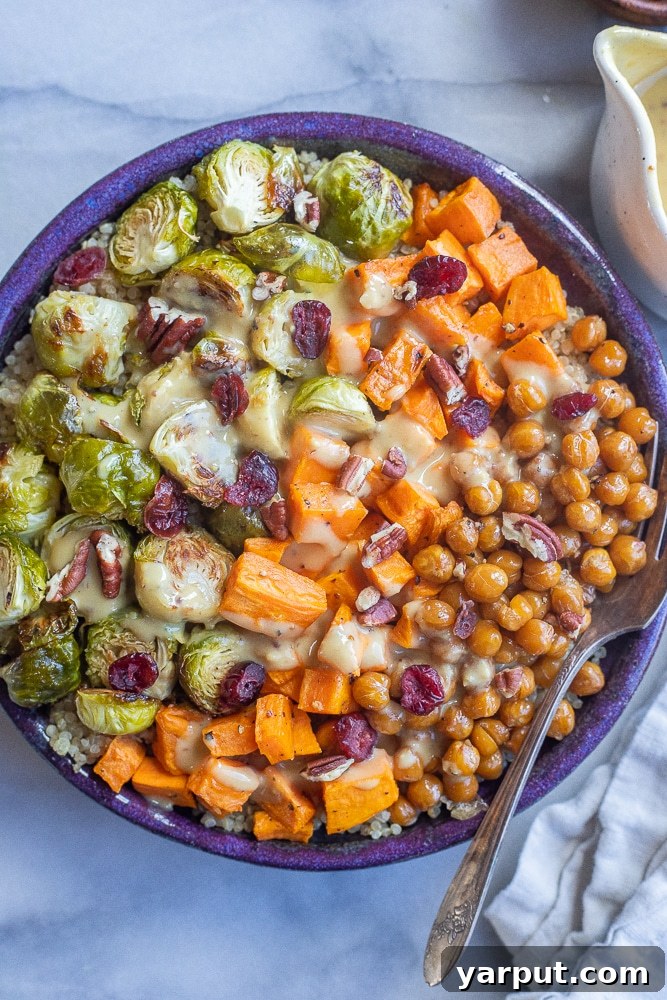
Roasted Brussels Sprout Bowls with Honey Mustard Dressing
Lemon Pepper Roasted Brussels Sprouts
Shaved Brussels Sprout Salad
Easy Roasted Vegetable Pasta with Parmesan
BBQ Roasted Brussels Sprouts
CARROTS
Carrots, often associated with springtime harvests, are highly versatile root vegetables that are surprisingly easy to cultivate. While the vibrant orange variety is the most ubiquitous in grocery stores, carrots also grow in an enchanting spectrum of colors, including purple, yellow, and white, each offering a subtle variation in flavor and a beautiful visual appeal. They come in diverse shapes and sizes, from short and stout to long and slender. It’s a common misconception that “baby carrots” are a distinct variety; in reality, they are typically regular-sized carrots that have been peeled, cut, and polished into smaller, convenient portions. Carrots are excellent for snacking raw, either plain or dipped in hummus or ranch dressing, and add a delightful crunch to salads and wraps. Their culinary applications are vast: they can be roasted to bring out their natural sweetness, sautéed in stir-fries, simmered into comforting soups, or even baked into classic desserts like carrot cake and muffins. Their versatility allows them to shine in both sweet and savory recipes.
The saying that carrots are good for your eyes is indeed true and scientifically supported! Carrots are exceptionally high in beta-carotene, a powerful antioxidant that the body converts into Vitamin A. Vitamin A is absolutely essential for maintaining healthy eyes and promoting good vision, especially in low light. Beyond ocular health, carrots are a significant source of dietary fiber and numerous antioxidants. The fiber not only aids in healthy digestion and regularity but can also contribute to lowering the risk of heart disease. Specifically, the soluble fiber found in carrots binds to cholesterol particles, helping to remove them from the body and promoting cardiovascular wellness.
Storage Tips: To keep carrots fresh, remove their green tops (if present) before storing, as the greens draw moisture from the roots. Store unwashed carrots in a plastic bag or submerged in water in the refrigerator crisper drawer for up to 3-4 weeks.

Carrot and Chickpea Salad with Orange Maple Dressing
Roasted Carrot and Dill Hummus
Noodles with Cabbage and Carrots
Carrot Cake Muffins
Curried Sweet Potato Carrot and Red Lentil Soup
CABBAGE
Cabbage, another robust member of the cruciferous or Brassica family, shares its beneficial lineage with cauliflower, broccoli, Brussels sprouts, and kale. These vegetables are celebrated not only for their distinctive, often pungent aroma when cooked but, more importantly, for their impressive array of health benefits. Cabbage is most commonly found in vibrant green and striking purple varieties, both of which can be used interchangeably in most recipes, offering a beautiful color contrast. This versatile vegetable is delicious both raw, thinly shredded into crisp coleslaws and fresh salads, and cooked, where its flavors mellow and sweeten. It can be sautéed, braised, roasted, or fermented into sauerkraut and kimchi, showcasing its adaptability across many cuisines.
Cabbage is a nutritional powerhouse, densely packed with dietary fiber, a wealth of antioxidants, and essential vitamins and minerals including Vitamin C, calcium, folate, and potassium. This rich nutrient profile contributes significantly to overall health. Regular consumption of cabbage can help lower blood pressure, improve immune system function by supporting white blood cell production, and combat various diseases, including certain types of cancer, thanks to its phytonutrient content. Additionally, cabbage is a low-calorie food, making it an excellent choice for those looking to maintain a healthy weight while enjoying satisfying and nutritious meals.
Storage Tips: Store whole heads of cabbage unwashed in the crisper drawer of your refrigerator. It can last for several weeks. Once cut, wrap the remaining portion tightly in plastic wrap to prevent moisture loss and store for a few days.
Easy Sautéed Cabbage
Fried Cabbage and Noodles with Tofu
Noodles with Cabbage and Carrots
Halloween Salad with Rice and Veggies
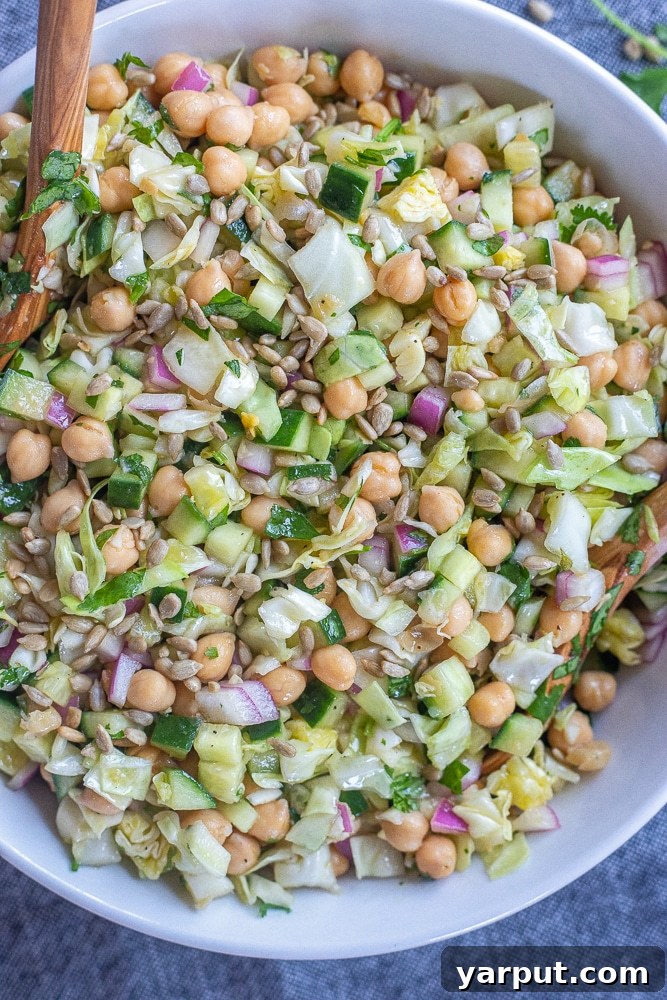
Chickpea Salad with Cucumber and Cabbage
Holiday Salad with Cabbage and Kale
CAULIFLOWER
Cauliflower is another star within the cruciferous vegetable family, closely related to broccoli, kohlrabi, kale, and Brussels sprouts. While white cauliflower is the most ubiquitous and frequently used variety, you can also discover striking purple, vibrant yellow, and even green (broccoflower) cauliflowers, each offering a slight visual and often a subtle flavor difference. Fortunately, these varieties can typically be used interchangeably in most recipes. Cauliflower’s culinary versatility is truly impressive; it can be roasted to a tender sweetness, steamed for a milder taste, charred for a smoky depth, pureed into creamy soups, or even riced as a low-carb alternative to grains. My personal favorite method, and what you see pictured below, involves coating florets in a light batter and crispy coating, then baking them until golden and tossing them in a flavorful sauce for a truly satisfying dish.
Just like its cruciferous relatives, cauliflower boasts a remarkable profile of health benefits. It is an excellent source of dietary fiber, crucial for digestive regularity, and packed with powerful antioxidants that combat oxidative stress. It provides significant amounts of Vitamin C, vital for immune health, and Vitamin K, important for blood clotting and bone density, alongside beneficial carotenoids. Cauliflower also contains sulforaphane, a unique compound known for its potential to help regulate blood pressure and cholesterol levels, and its powerful anti-inflammatory and anti-cancer properties. If you find that vegetables from this family cause digestive issues, consuming them cooked rather than raw and starting with smaller portions can often alleviate discomfort.
Storage Tips: Store a whole head of cauliflower unwashed in a plastic bag or airtight container in the refrigerator’s crisper drawer. It can last for 1-2 weeks. Once cut, store florets in a sealed container for a few days.

Crispy Teriyaki Cauliflower
Golden Roasted Cauliflower with Coconut Curry Tahini Dressing
Cauliflower Parmesan
Buffalo Cauliflower Tacos with Ranch Slaw
Vegetarian Cauliflower Fried Rice
KALE
Kale, a celebrated member of the Cruciferae family, comes in several distinctive varieties, including the popular curly kale, the flatter and more tender lacinato (or Tuscan) kale, and the striking purple kale. Known as a “hearty green,” kale is particularly resilient and thrives even in colder temperatures, making it an excellent choice for late-season harvests. Baby kale, a more recent culinary trend, offers a milder flavor and softer texture, akin to baby spinach or lettuce, while still retaining kale’s robust nutritional profile. Kale is incredibly versatile and can be enjoyed both cooked and raw. For raw consumption, I highly recommend massaging kale leaves with a little olive oil or dressing; this tenderizes the leaves, making them more palatable and less fibrous, perfect for vibrant, textured salads. When cooked, kale wilts quickly, making it an easy and nutritious addition to warming soups, dynamic stir-fries, and hearty pasta dishes.
Kale justly earns its reputation as a “superfood” due to its dense concentration of an impressive array of vitamins, minerals, and nutrients. Dark leafy greens are cornerstones of a healthy diet, and kale stands out for its exceptional nutritional content. It contains four times more Vitamin C than spinach and double the amount of selenium, both powerful antioxidants. Kale is also notably low in calories while being high in fiber, which supports digestive health and can be beneficial for maintaining a healthy weight. Furthermore, it is rich in Vitamin K, Vitamin A, calcium, and various phytonutrients, all contributing to strong bones, vision health, and overall disease prevention.
Storage Tips: Store unwashed kale in a plastic bag in the refrigerator’s crisper drawer. For curly varieties, wrap the bunch in a damp paper towel before placing in the bag. It typically stays fresh for about 5-7 days.

The Best Kale Chips
Chopped Kale Power Salad with Lemon Tahini Dressing
Kale and White Bean Pasta with Parmesan
Garlicky Kale with White Beans and Lemon
Sunshine Kale Salad
LEMON
Lemons, these quintessential citrus fruits, are wonderfully in season during the cooler winter months, brightening up our kitchens when other fresh produce might be scarce. As a cornerstone of the citrus family, lemons are considered a fruit, though their sour taste often leads them to be used more like a seasoning or flavor enhancer. I make it a point to always have lemons on hand in my kitchen, integrating their bright, tangy flavor into a vast array of dishes, from refreshing salads and hearty soups to savory pasta. A squeeze of fresh lemon juice in water is also a fantastic way to kickstart digestion in the morning. Their vibrant acidity is excellent for cutting through richness, balancing flavors, and adding a refreshing zest. While lemons can certainly be the star of a recipe, especially in desserts like lemon meringue pie, they are equally adept at simply brightening and elevating the overall profile of almost any meal.
Lemons are far more than just a flavor enhancer; they offer a wealth of health benefits. They are particularly renowned for their role in supporting heart health, aiding digestion, and potentially helping to lower blood pressure. The citric acid they contain may also help reduce the risk of kidney stones. Lemons are an outstanding source of Vitamin C, a powerhouse nutrient that is absolutely crucial for maintaining a robust immune system. A strong immune system is our body’s primary defense against illnesses and plays a vital role in accelerating wound healing and overall cellular repair.
Storage Tips: Store whole lemons at room temperature for about a week, or in the refrigerator’s crisper drawer for up to 3-4 weeks. Once cut, place the remaining half in an airtight container or plastic wrap and refrigerate, using within a few days.
Homemade Blueberry Lemonade
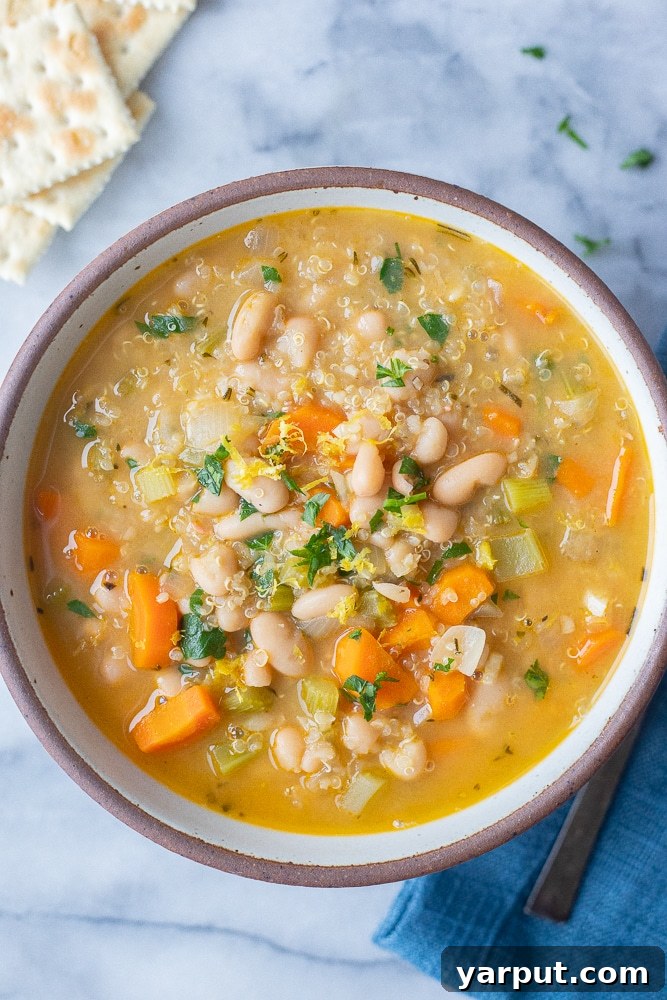
Lemony White Bean Soup with Quinoa
Herby Lemon Jalapeno Pasta with Crispy Chickpea
Lemon Raspberry Baked Oatmeal
Lemon Dill Orzo Broccoli Salad
Lemon Tahini Chickpea Salad
PUMPKINS
Pumpkins, iconic symbols of autumn, are versatile members of the Cucurbitaceae, or gourd, family, and they thrive in a wide array of sizes, shapes, and colors. Beyond their decorative appeal, pumpkins are packed with an abundance of essential vitamins and nutrients, making them a fantastic dietary addition. Whether you choose the convenience of canned pumpkin puree or the freshness of a whole pumpkin, your body will certainly reap the benefits. They are exceptionally good for supporting immune health, thanks to their high concentration of both Vitamin A and Vitamin C, which act as powerful antioxidants. Pumpkin is naturally low in calories and boasts a high fiber content, making it an ideal ingredient for promoting healthy digestion and assisting in weight management. Furthermore, pumpkin seeds (pepitas) are a nutritional powerhouse in their own right, loaded with protein, zinc, and healthy fats, offering a myriad of health advantages.
Cooking with fresh pumpkin can be approached similarly to how you would prepare a butternut squash – roasting, steaming, or pureeing. However, most home cooks are likely more accustomed to using readily available canned pumpkin puree in their recipes. This convenient form of pumpkin is sold year-round and is most famously incorporated into sweet dishes, with pumpkin pie being an indispensable Thanksgiving staple in many households. Yet, its culinary potential extends beautifully to savory applications; I love adding it to rich curries, hearty chilis, and flavorful baked tacos. Pumpkin’s mild, sweet-earthy flavor pairs exceptionally well with warming seasonings such as cinnamon, nutmeg, ginger, as well as savory spices like cumin and chili powder. Don’t forget the seeds! Roasted pumpkin seeds make a deliciously crunchy and healthy snack.
Storage Tips: Whole, uncut pumpkins can be stored in a cool, dark, dry place for several weeks, or even months, depending on the variety. Canned pumpkin puree should be stored in a cool, dry pantry until opened, then refrigerated and used within a week.

Pumpkin Red Curry Chickpeas with Vegetables
Pumpkin Pinto Bean Taco Skillet
Soft Pumpkin Cookies with Orange Glaze
Vegetarian Pumpkin Chili with Black Beans
Vegan Pumpkin Queso Dip
RADISHES
Radishes, piquant members of the mustard family, offer a delightful crunch and come in a surprising variety of shapes, sizes, and colors. While most people are familiar with the common red radish, often seen in grocery stores, you can also find daikon (Japanese radish), watermelon radishes, and black radishes, each with unique characteristics. These vibrant root vegetables are typically enjoyed raw, delivering a spicy, crisp taste that can liven up any dish. I frequently thinly slice radishes and scatter them into salads for a burst of flavor and texture. Beyond raw applications, radishes can be pickled for a tangy condiment, grilled to mellow their bite, or even roasted in the oven, which transforms their sharp flavor into a sweeter, milder one. Their versatility makes them an exciting addition to both fresh and cooked preparations.
Despite their small size, radishes pack a significant nutritional punch. Just half a cup of raw radishes provides approximately 14 percent of your daily recommended intake of Vitamin C, offering a substantial boost to the immune system. They are excellent for supporting a healthy digestive system, with half a cup containing 1 gram of dietary fiber. Radishes also possess natural antifungal properties, which can help regulate candida growth in the body. Furthermore, with only about 9 calories per cup and virtually no fat, radishes are an excellent choice for healthy weight management, allowing you to add flavor and nutrients without excess calories.
Storage Tips: Remove the green tops before storing radishes, as the greens can draw moisture. Store unwashed radishes in a plastic bag or submerged in a bowl of water in the refrigerator. They typically remain crisp for 1-2 weeks.
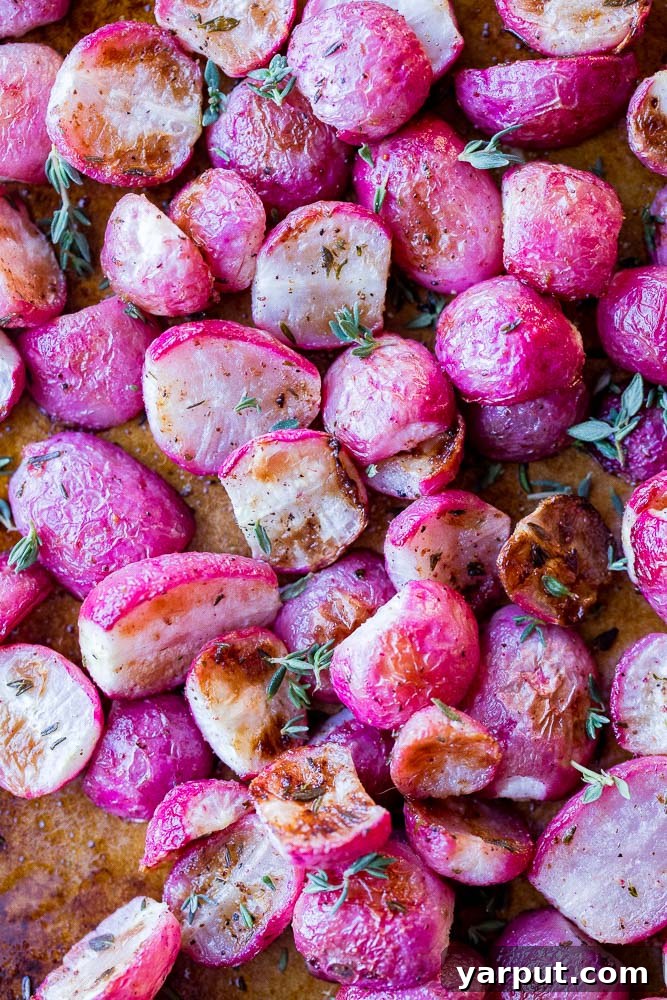
Roasted Radishes with Garlic and Herbs
Veggie Sushi Bowls with Quick Pickled Radishes
Crunchy Ranch Salad with Crispy Quinoa
Loaded Black Bean Salad
Salt and Vinegar Potato Salad
Roasted Sweet Potato Black Bean Salad with Kale
SWEET POTATOES
Sweet potatoes, distinct from regular potatoes, are cherished root vegetables belonging to the morning glory family, which also includes bindweed, moonflower, and the less common (in the US) water spinach. They boast a beautiful array of colors, including vibrant orange, deep red, and striking purple varieties, each offering a slightly different flavor and texture profile. As root vegetables, their edible tuberous roots grow beneath the soil, while their greens, which are also edible, flourish above ground. While the greens are nutritious, the sweet, starchy potato part is by far the most commonly consumed. My absolute favorite way to prepare sweet potatoes is by roasting them. I enjoy dicing them into hearty chunks or slicing them into slender French fry shapes, then tossing them with a blend of savory spices until caramelized and tender. You can also mash sweet potatoes into a creamy side dish, or bake them whole like a traditional potato, topping them with your favorite savory or sweet accompaniments.
Sweet potatoes are veritable nutritional powerhouses, delivering a wealth of health benefits. They are exceptionally rich in Vitamin A (primarily as beta-carotene), Vitamin C, potassium, and dietary fiber, along with a host of beneficial antioxidants. The fiber in sweet potatoes is a valuable blend of both soluble and insoluble types, which works synergistically to significantly enhance digestion and support a healthy gut microbiome. The potassium and magnesium content in sweet potatoes can help regulate blood pressure and potentially reduce the risk of stroke, while also contributing to lower cholesterol levels. Notably, purple sweet potatoes contain anthocyanins, powerful antioxidants known for their ability to reduce inflammation within the brain, potentially lowering the risk of developing memory-related issues later in life.
Storage Tips: Store sweet potatoes in a cool, dark, and well-ventilated place (like a pantry) for optimal freshness, typically up to 2-3 weeks. Avoid refrigerating raw sweet potatoes, as this can alter their flavor and texture.

Roasted Sweet Potato Hummus Wraps with Honey Mustard
Sheet Pan Sweet Potato Fajitas with Black Beans
Roasted Sweet Potato Hash
Vegan Sloppy Joe Stuffed Sweet Potatoes
Sweet Potato Pie Bars
WINTER SQUASH
When we talk about winter squash, we’re encompassing a delightful and diverse group of hard-shelled squash varieties that flourish in cooler temperatures. This includes popular choices like the creamy butternut, nutty acorn, stringy spaghetti, delicate delicata, vibrant red kuri, and the iconic pumpkin, all belonging to the expansive Cucurbitaceae family. These hearty vegetables are characterized by their robust nature and impressive shelf life, often lasting for weeks or even months when stored properly. While some varieties, such as butternut squash, feature thick skins that require peeling before cooking, others like delicata squash offer tender, edible skins that can be enjoyed right along with the flesh. In my opinion, winter squash truly shines when cooked. Roasting brings out their natural sweetness and creates a wonderfully tender texture, making them perfect additions to grain bowls, hearty wraps, or as a standalone side. They also integrate beautifully into warming soups, comforting stews, and flavorful curries. Spaghetti squash, with its unique stringy texture once cooked, even serves as an excellent low-carb substitute for pasta, offering a lighter yet satisfying alternative.
Vegetables within the squash family are exceptionally nutritious, brimming with a wealth of health-promoting compounds. They are densely packed with antioxidants, dietary fiber, and essential vitamins such as Vitamin A (in the form of beta-carotene) and Vitamin C, alongside significant amounts of potassium. The abundant antioxidants in squash play a crucial role in combating free radicals within the body, which can otherwise cause cellular damage and contribute to chronic diseases. Furthermore, these nutrients help reduce inflammation throughout the body and provide a significant boost to the immune system. With their low-calorie count and high fiber content, winter squash varieties are an excellent inclusion in any diet aimed at maintaining a healthy weight and promoting overall well-being.
Storage Tips: Store whole, uncut winter squash in a cool, dark, and dry place, such as a pantry or basement. Most varieties can last anywhere from 1 to 3 months, or even longer for some, if stored correctly.

Roasted Delicata Squash Salad
Acorn Squash Breakfast Bowls
Easy Roasted Butternut Squash Soup
Spicy Peanut Spaghetti Squash Bowls
Butternut Squash Chili with Black Beans
As November deepens, the culinary landscape transforms, offering a treasure trove of hearty and nutritious produce. Embracing these seasonal ingredients not only ensures peak flavor and freshness but also aligns your diet with nature’s rhythm, providing the warmth and sustenance needed for the cooler months. We hope this guide inspires you to explore new flavors, experiment with different cooking methods, and enjoy the rich bounty that this transitional month brings to your table. Happy cooking!