
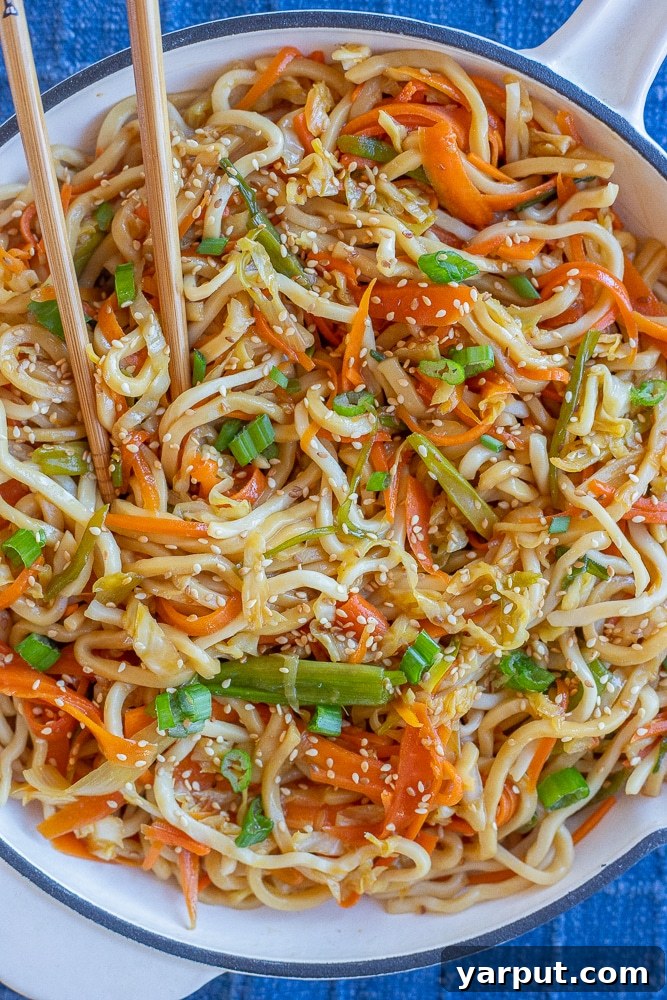
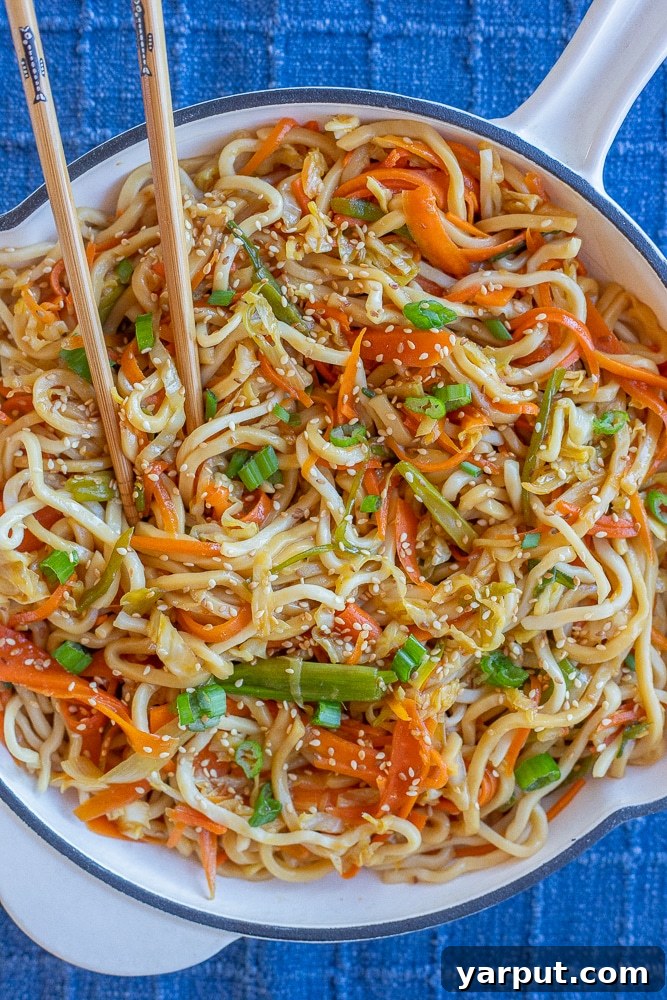
Discover the ultimate weeknight meal with these vibrant and incredibly flavorful Vegan Stir Fry Noodles with Cabbage and Carrots. A quick and easy Asian-inspired dinner that brings the deliciousness of takeout right to your kitchen, without the fuss!
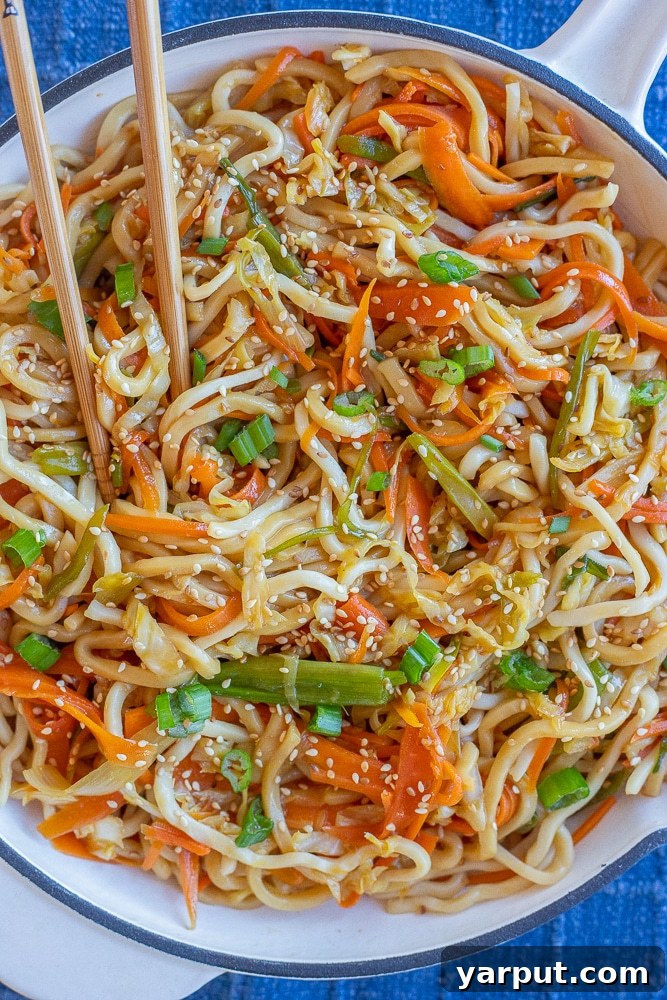
Easy Vegan Stir Fry Noodles with Cabbage and Carrots
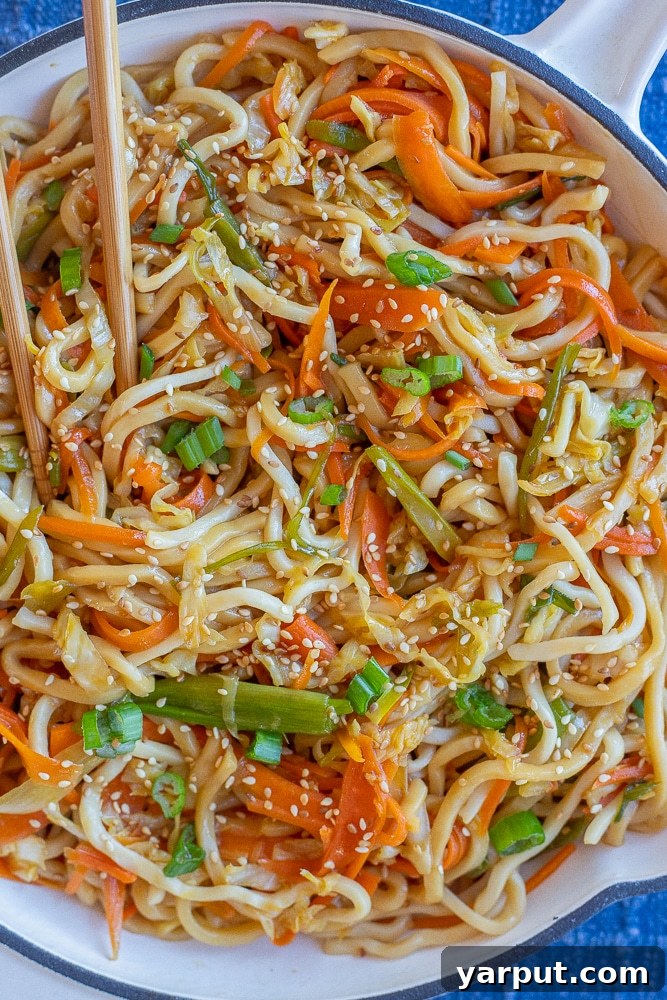
Craving a satisfying, flavor-packed meal that comes together in a flash? Look no further than these delicious stir-fry noodles with tender cabbage and crisp carrots. While not claiming to be an authentic Lo Mein, this recipe captures all the beloved flavors and textures, making it a perfect “takeout-inspired” dish you can whip up at home. It’s designed for simplicity, using just a handful of readily available ingredients, yet it delivers a burst of savory, sweet, and tangy notes that will have everyone asking for seconds.
In today’s busy world, finding healthy, budget-friendly, and quick dinner options is key. That’s why I’ve been creating a lot of recipes featuring noodles, fresh vegetables, and versatile sauces. This combination is a winner every time! Not only are these ingredients typically light on your wallet, but they also allow for incredible customization, making stir-fries a go-to for many home cooks. This particular noodle dish is ready in approximately 20-30 minutes, from prep to plate, making it an ideal choice for a busy weeknight or when you simply don’t feel like spending hours in the kitchen.
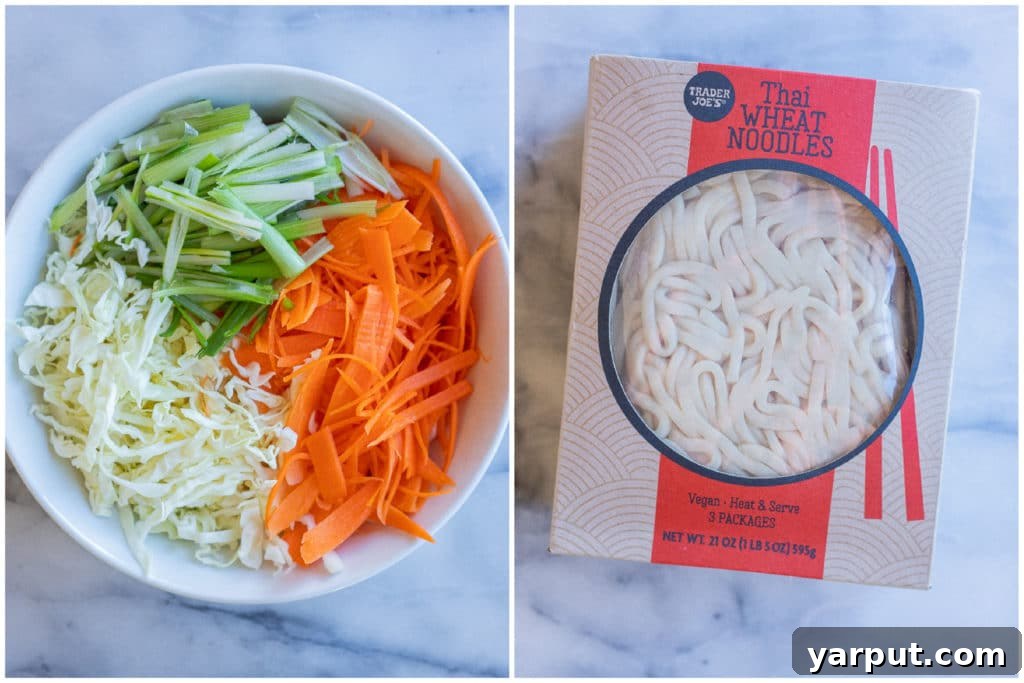
Essential Ingredients for Your Vegan Stir Fry Noodles
The beauty of this recipe lies in its simplicity and the flexibility of its components. Here’s a closer look at what you’ll need and some fantastic substitution ideas to make it your own.
Choosing Your Perfect Noodles
- Wheat-Based Noodles: I often reach for Trader Joe’s Thai Wheat Noodles, which are often pre-cooked and just need a quick microwave warm-up to loosen them. Any medium-thick wheat noodle, like ramen (without the seasoning packet), can work wonderfully.
- Rice Noodles: For a gluten-free option or a lighter texture, broad or thin rice noodles are excellent. Just be sure to follow package instructions for cooking, as they often require soaking or a quick boil before stir-frying.
- Udon Noodles: These thick, chewy Japanese wheat noodles add a wonderfully satisfying bite to any stir-fry. Look for fresh or vacuum-sealed udon for the best results.
- Regular Spaghetti: Don’t have any Asian noodles on hand? Surprisingly, regular spaghetti or linguine can be a fantastic stand-in! Cook it al dente and rinse it with cold water to prevent sticking before adding to your stir fry.
Fresh and Flavorful Vegetables
While cabbage, carrots, and scallions form the core of this recipe, stir-fries are incredibly forgiving and invite experimentation. Use what you love and what’s in season!
- Green Cabbage: Provides a great crunch and becomes tender-crisp when stir-fried. Napa cabbage is another excellent choice for a slightly softer texture.
- Carrots: Add natural sweetness and vibrant color. Thinly shredded or julienned carrots work best for quick cooking.
- Scallions (Green Onions): Used both in the stir-fry for flavor and as a garnish for a fresh, mild onion kick.
- Other Great Additions: Consider bell peppers (any color for sweetness and crunch), bok choy (for a touch of leafy green), sliced mushrooms (for umami depth), thinly sliced onions, water chestnuts (for extra crispness), or broccoli florets.
- Time-Saving Tip: A bag of pre-shredded coleslaw mix (without dressing) is a fantastic and budget-friendly shortcut for both cabbage and carrots!
The Irresistible Stir Fry Sauce
The sauce is truly the heart of any stir-fry, and this blend hits all the right notes: savory, sweet, tangy, and aromatic.
- Tamari (or Soy Sauce): Provides the essential umami and saltiness. Tamari is a gluten-free alternative to soy sauce. Choose low-sodium if preferred.
- Maple Syrup: Adds a touch of natural sweetness, balancing the savory notes. Agave nectar or brown sugar can be used as alternatives.
- Rice Wine Vinegar: Contributes a crucial tang that brightens the entire dish. White vinegar can work in a pinch, but rice wine vinegar has a milder, sweeter profile.
- Toasted Sesame Oil: Essential for that distinctive nutty, aromatic Asian flavor. A little goes a long way!
- Toasted Sesame Seeds: Adds texture and an extra layer of nutty flavor, both in the sauce and as a garnish.
- Fresh Garlic and Ginger: These aromatic powerhouses are non-negotiable for authentic stir-fry flavor. Grating them finely ensures their flavors distribute evenly.
- Cornstarch (or Arrowroot Powder): This is your secret weapon for thickening the sauce to a glossy, clingy consistency, ensuring it coats every noodle and vegetable perfectly.
Nourish Your Body: Health Benefits of This Stir Fry
Beyond being incredibly tasty, this vegan stir fry is packed with nutrients that your body will appreciate. It’s a colorful blend of ingredients offering a wealth of vitamins, minerals, and antioxidants.
-
Carrots: A Vision and Antioxidant Powerhouse
Carrots are renowned for their high beta-carotene content, which the body converts into Vitamin A. This vitamin is crucial for maintaining healthy vision, especially in low light. But their benefits extend far beyond your eyes! Carrots are rich in antioxidants, which combat harmful free radicals in your body, helping to protect cells from damage and reduce the risk of chronic diseases. They also supply Vitamin C for immune support, potassium for blood pressure regulation, and biotin for healthy skin, hair, and nails.
-
Cabbage: The Mighty Leafy Green
Often overlooked, cabbage is a true nutritional gem. It’s incredibly high in fiber, which is essential for healthy digestion, promoting regular bowel movements, and helping you feel full and satisfied, which can contribute to weight management. Cabbage also contains sulforaphane, a powerful compound linked to cancer prevention. Furthermore, it’s packed with Vitamin C and K, boosting your immune system and supporting bone health, respectively. The anthocyanins found in red cabbage (if you choose to use it) are potent antioxidants that may help reduce the risk of heart disease and improve brain function.
-
Garlic and Ginger: Immune-Boosting Aromatics
Beyond their incredible flavor, fresh garlic and ginger offer significant health benefits. Garlic is known for its immune-boosting and anti-inflammatory properties, while ginger is a powerful antioxidant and anti-inflammatory agent, often used to aid digestion and reduce nausea. Together, they not only elevate the taste of your stir-fry but also add a medicinal punch.
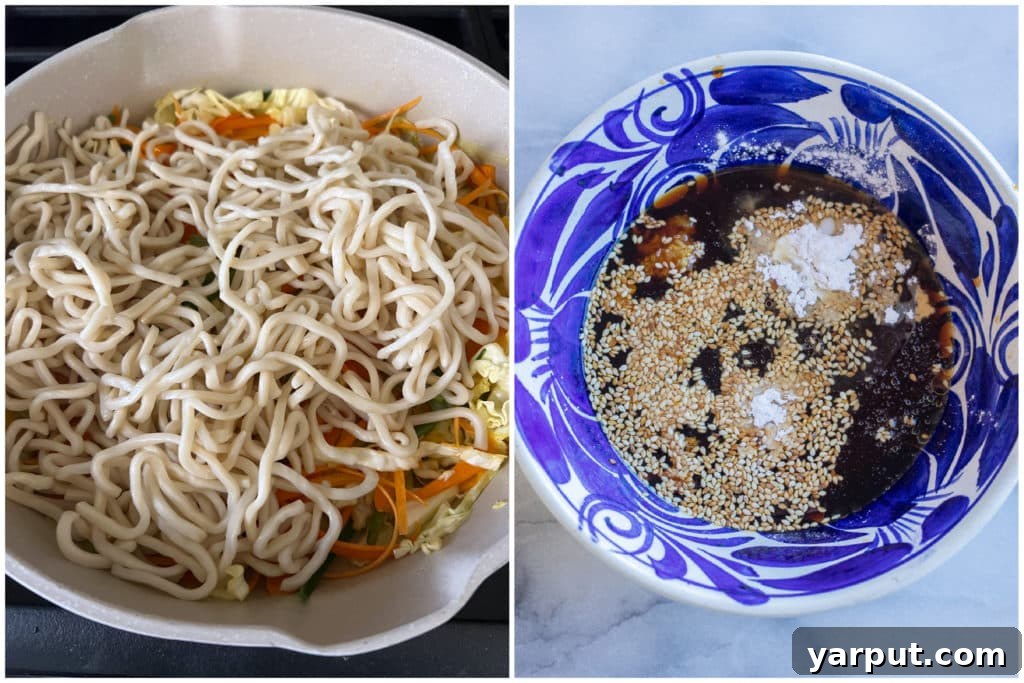
Step-by-Step Guide: How To Make Noodles with Cabbage and Carrots
This recipe is designed for ease and speed, making it perfect for even novice cooks. Follow these simple steps for a perfect stir fry every time!
- Prepare Your Sauce and Noodles (Mise en Place is Key!): Start by whisking together all the sauce ingredients—tamari, maple syrup, rice wine vinegar, toasted sesame oil, sesame seeds, grated garlic, grated ginger, and cornstarch—in a small bowl until well combined and smooth. Set this aside. Next, prepare your noodles. If using dry noodles (like spaghetti, rice noodles, or dry udon), cook them according to package directions until al dente. Immediately rinse them thoroughly with cold water to stop the cooking process and prevent them from sticking together. If using pre-cooked noodles, simply warm them in the microwave for about 30 seconds to loosen them, as I did with my Thai wheat noodles. Having your sauce and noodles ready before you start stir-frying is crucial for a smooth cooking process.
- Sauté the Vegetables to Perfection: Thinly slice your cabbage, carrots, and green onions. Ensure the pieces are roughly uniform for even cooking. Heat a large skillet or wok over medium-high heat. You want the pan to be quite hot before adding the vegetables, allowing them to sizzle and develop a slight char rather than steam. Add a tablespoon of high-smoke-point oil (like canola, grapeseed, or peanut oil), then add your sliced vegetables. Stir-fry for 2-3 minutes, tossing frequently, until they are slightly softened but still retain a pleasant crispness. Avoid overcooking to maintain their vibrant color and texture.
- Combine, Thicken, and Serve: Once your vegetables are tender-crisp, add your prepared noodles and the whisked sauce to the skillet. Give everything a good, thorough mix, ensuring the sauce evenly coats all the noodles and vegetables. Continue to cook for another 5-10 minutes, stirring occasionally, until the sauce has thickened to your desired consistency and coats everything beautifully. The cornstarch in the sauce will work its magic as it heats. For a final flourish, I love to garnish with freshly sliced green onion and an extra sprinkle of toasted sesame seeds for added flavor and visual appeal. Serve immediately and enjoy the incredible flavors!
Frequently Asked Questions About This Stir Fry Noodles Recipe
Got questions? We’ve got answers to help you make this dish a regular in your rotation.
- Is this recipe vegan?
Absolutely, yes! This recipe is entirely plant-based, making it suitable for vegans and anyone looking for a delicious meat-free meal. - Is this recipe gluten-free?
Not inherently, as I used wheat-based noodles. However, it’s incredibly easy to make it gluten-free! Simply swap the wheat noodles for 100% rice noodles (check the label) and ensure you are using tamari, which is a gluten-free alternative to soy sauce. - Can I add protein to this dish?
Yes, and it’s highly recommended! This stir-fry is a fantastic base for adding your favorite plant-based proteins. Cubed and pan-fried tofu, tempeh, shelled edamame, or even a handful of cashews for crunch would be wonderful additions. Add cooked proteins during the last few minutes of stir-frying to heat through and coat with sauce. - Can this recipe be made ahead of time?
While this noodle recipe is quick enough to prepare fresh, you can certainly do some prep work in advance. You can prepare the sauce and chop all your vegetables a day or two beforehand and store them separately in airtight containers in the refrigerator. If you want to prepare the entire dish, it reheats well! - How long do leftovers last in the refrigerator?
If stored in an airtight container, leftovers will remain delicious for about four days in the refrigerator. To reheat, you can use a microwave or gently warm them in a skillet on the stovetop with a splash of water or vegetable broth to prevent drying out. - What kind of pan is best for stir-frying?
A large skillet with high sides or a traditional wok is ideal for stir-frying. A large cooking surface allows for better heat distribution and prevents overcrowding, which can cause vegetables to steam rather than fry. - How can I adjust the spice level?
This recipe is mild, but if you enjoy a kick, you have several options! Add a pinch of red pepper flakes with the vegetables, a dash of sriracha to the sauce, or top your finished dish with a drizzle of chili oil.
Have a question I didn’t answer? Ask me in the comments below, and I will reply ASAP!
Looking For More Easy Asian-Inspired Vegan Dinners?
If you loved this recipe, explore more of my favorite quick and delightful Asian-inspired vegan dishes:
- Easy Scallion Noodles
- Stir Fry Noodles with Crispy Grated Tofu
- Coconut Red Thai Curry Noodles with Veggies
- Sesame Ginger Noodles
- Sticky Ginger Cashew Tofu
Print
Noodles with Cabbage and Carrots
5 Stars 4 Stars 3 Stars 2 Stars 1 Star
5 from 3 reviews
Author: She Likes Food
Total Time: 30 minutes
Yield: 4 1x
Diet: Vegan
Description
These Vegan Stir Fry Noodles with Cabbage and Carrots offer a quick, easy, and incredibly flavorful Asian-inspired dinner! This delicious plant-based noodle dish is inspired by classic Lo Mein, requiring just a few simple, accessible ingredients to create a satisfying meal bursting with savory, sweet, and tangy flavors. Perfect for busy weeknights when you crave a homemade takeout experience!
Ingredients
Scale
- 21 oz cooked Asian style noodles* (such as wheat noodles, rice noodles, udon, or even spaghetti)
- 3–4 cups thinly shredded green cabbage, about half a medium sized head of cabbage (or use a bag of pre-shredded coleslaw mix)
- 2 cups thinly shredded carrot (julienned or finely grated also work well)
- 1 large bunch scallions, cut into 1 1/2 inch pieces and then thinly sliced (some reserved for garnish)
- 1-2 tablespoons high-smoke-point oil (e.g., canola, grapeseed, or peanut oil)
- Extra toasted sesame seeds and freshly sliced scallions for garnish, if desired
For the Flavorful Stir Fry Sauce:
- 1/2 cup tamari (or low-sodium soy sauce for a gluten-free option)
- 2 cloves fresh garlic, grated or finely minced
- 1 teaspoon fresh ginger, grated or finely minced
- 1 1/2 teaspoons toasted sesame oil (for that essential nutty aroma)
- 1 1/2 teaspoons pure maple syrup (or agave nectar for sweetness balance)
- 1 1/2 teaspoons rice wine vinegar (or white vinegar for a tangier kick)
- 1 tablespoon toasted sesame seeds (adds texture and flavor)
- 1 1/2 teaspoon corn starch (or arrowroot powder for thickening the sauce)
Instructions
- Prepare the Sauce and Noodles: Begin by making your delicious stir-fry sauce. In a small bowl, combine the tamari (or soy sauce), grated garlic, grated ginger, toasted sesame oil, maple syrup, rice wine vinegar, toasted sesame seeds, and cornstarch. Whisk these ingredients together until thoroughly combined and smooth; set aside. Next, get your noodles ready. If you are using dry noodles that require cooking (such as traditional spaghetti or dry rice noodles), cook them now according to their package instructions until they are al dente. Once cooked, rinse them immediately with cold water to halt the cooking process and prevent them from sticking together, then let them drain. If, like me, you are using pre-cooked noodles, simply warm them in the microwave for approximately 30 seconds to loosen them up before use.
- Sauté Your Vegetables: Take your green cabbage, carrots, and green onions and thinly slice them. Aim for uniform pieces to ensure even cooking. Heat a large skillet or a wok over medium-high heat. It’s crucial to let the pan get quite hot before adding your vegetables; this ensures they sizzle and stir-fry beautifully instead of steaming. Add about 1-2 tablespoons of high-smoke-point oil to the hot pan. Once shimmering, add your sliced cabbage, carrots, and the majority of your green onions (reserving some for garnish if desired). Stir-fry vigorously for 2-3 minutes, tossing constantly, until the vegetables begin to soften slightly but still retain a delightful crispness. You want them tender-crisp, not limp.
- Combine with Noodles and Sauce: Now, add your prepared and loosened noodles directly into the skillet with the sautéed vegetables. Pour the bowl of whisked sauce evenly over the noodles and vegetables. Using tongs or a large spatula, give everything a really good mix, ensuring that every strand of noodle and every piece of vegetable is thoroughly coated in the rich, glossy sauce. Continue to cook for another 5-10 minutes, stirring occasionally, allowing the sauce to simmer and thicken to your preferred consistency. As the cornstarch activates, the sauce will become beautifully viscous and cling to the ingredients. Once thickened, remove from heat. For an extra touch of freshness and flavor, garnish with any reserved freshly sliced green onion and an additional sprinkle of toasted sesame seeds. Serve this vibrant and delicious stir fry immediately and savor every bite!
Notes
*The type of noodles you use is quite flexible for this recipe. You can purchase pre-cooked Asian-style noodles for convenience, or you can cook your own dry noodles (like ramen, rice vermicelli, or even regular spaghetti) before you begin the stir-frying process. Just ensure they are cooked al dente and rinsed well. Don’t worry too much about exact noodle measurements; I used a 21 oz box of noodles simply because that’s what I had on hand. Adjust slightly based on what you have and prefer!
For an even speedier prep, look for pre-shredded coleslaw mix in your grocery store’s produce section. Just ensure it’s plain, without any dressing. This will save you time on chopping cabbage and carrots.
Feel free to experiment with other vegetables you have on hand, such as bell peppers, broccoli florets, or snow peas, for added variety and nutrients. Just remember to add them to the pan according to their cooking times – denser vegetables like broccoli may need a minute or two head start.
- Prep Time: 15 mins
- Cook Time: 15 mins
- Category: Dinner, Vegan, Quick Meals
- Method: Stovetop, Stir Fry
- Cuisine: Asian Inspired, American Chinese