
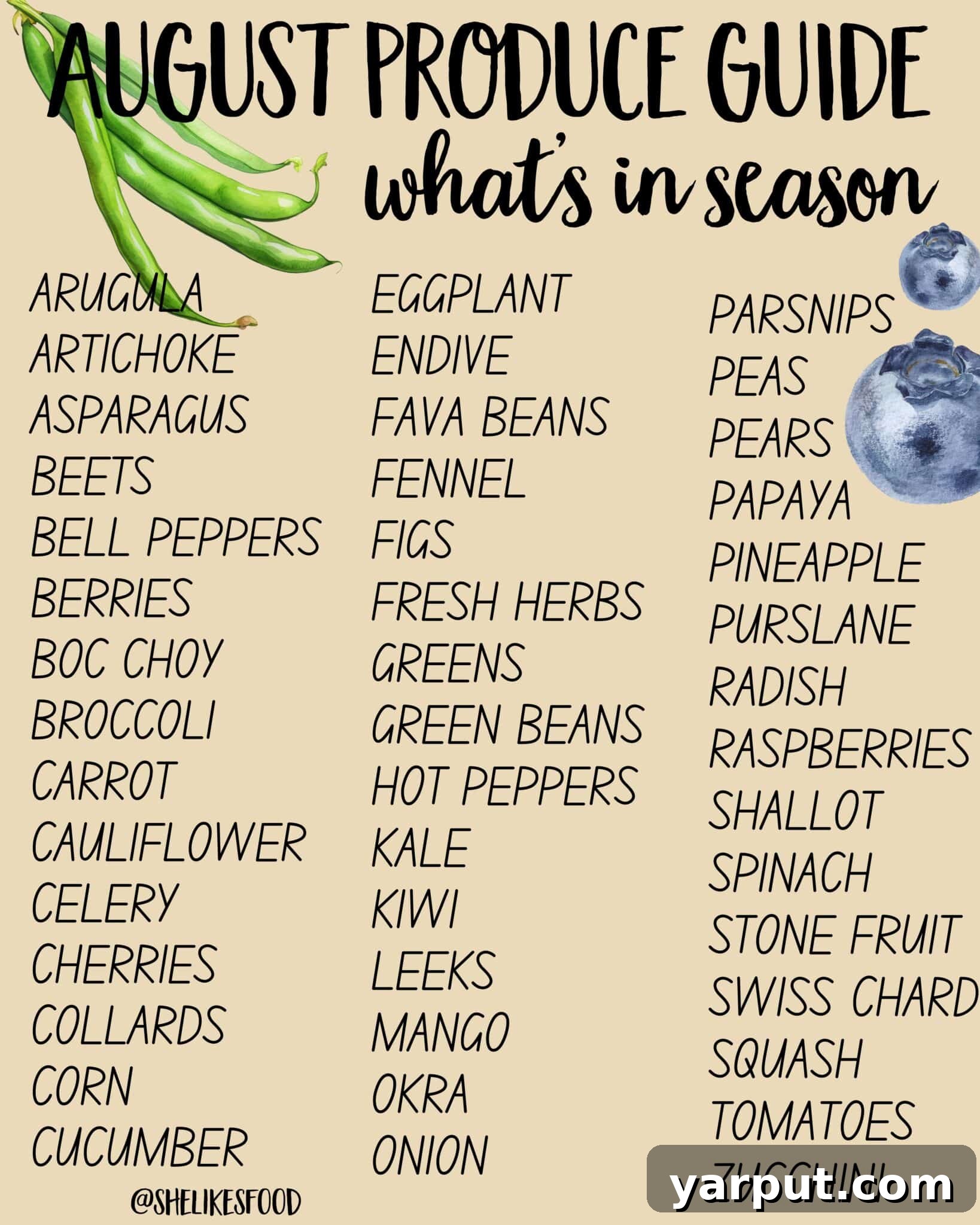
Welcome to the heart of summer’s bounty! August stands as a glorious testament to nature’s generosity, a month when gardens and farmers’ markets overflow with vibrant, delicious fruits and vegetables. As the long, sun-ddrenched days gradually begin to hint at the gentle transition towards autumn, we find ourselves surrounded by an incredible array of fresh produce, offering peak flavor and nutritional benefits. Whether you’re a seasoned gardener tending to your thriving backyard oasis or a keen shopper eager to explore local market stalls, August promises an abundant harvest that truly defines the season. This comprehensive guide will help you navigate the best of what’s fresh, offering insights into their unique qualities, versatile culinary uses, and powerful health benefits. Get ready to embrace the luscious flavors and vibrant colors of August!
For many, August marks the unofficial grand finale of summer, a time when school holidays wind down, but the harvest season truly hits its stride. My own garden, after months of nurturing, is now a riot of colorful blooms and ripening produce, benefiting from the occasional summer monsoon that perfectly balances our long, warm days. It’s a truly magical time to enjoy the fruits (and vegetables!) of labor, both from your own patch and from dedicated local farmers.
Perhaps I’m a little partial to August, as it’s my birth month, but it truly is an exceptional time of year for food lovers. This is when many of the juiciest, sweetest, and most flavorful fruits and vegetables reach their peak, making them an absolute joy to incorporate into your daily meals. So, whether you’re grilling, pickling, or simply enjoying them raw, seize the opportunity to savor these seasonal treasures before they’re gone.
*A quick note on seasonality: Growing seasons can vary significantly across different regions. What’s thriving in one area might be just starting or already finished in another. For instance, in high-desert climates like mine, planting typically happens mid-to-late May, with harvests beginning in late June or early July. Always check with your local farmers’ markets or agricultural extension offices to discover what’s freshest in your specific area.
August Seasonal Produce Guide: Explore Nature’s Late Summer Bounty
ARUGULA
Arugula, also known as Rocket, is a distinctive leafy green belonging to the mustard family (Brassicaceae). Renowned for its peppery, slightly bitter, and fresh flavor profile, arugula adds a sophisticated zest to countless dishes. While some find its robust taste best enjoyed when mixed with milder greens, many appreciate its unique character on its own. You’ll often find two main types: tender baby arugula, which offers a milder flavor and delicate texture perfect for raw applications, and the more mature, full-grown version, which boasts a heartier texture and a stronger, more pronounced peppery bite. I personally love tossing baby arugula raw into fresh salads, layering it into wraps, or garnishing pizzas. However, its versatility extends to cooking; it can be gently wilted and served warm, much like spinach or kale. Arugula can also elevate sauces like pesto, either by complementing fresh basil or, for an adventurous twist, replacing it entirely.
Beyond its vibrant flavor, arugula is a nutritional powerhouse, packed with a wide array of vitamins, minerals, and antioxidants. Its impressive health benefits span cardiovascular support, enhanced bone strength, and improved skin health. Specifically, arugula is an excellent source of vitamins A, C, and K, along with essential minerals like calcium and potassium. Its high fiber content contributes significantly to digestive health, while its natural anti-inflammatory properties can help mitigate bodily inflammation. To maintain its crispness, store arugula in a loosely sealed bag in the refrigerator, ideally in the crisper drawer, and wash just before use.

Balsamic Sweet Pepper and Boursin Sandwiches
Arugula Tortellini Salad with Garlic Herb Dressing
Basil and Roasted Garlic Flatbread with Arugula
Tahini Balsamic Pasta Salad with Arugula
Roasted Carrot and Chickpea Salad with Arugula
BEETS
Beets, scientifically known as Beta vulgaris, are striking root vegetables belonging to the Chenopodioideae family, which also includes spinach, Swiss chard, and sugar beets. While widely recognized for their vibrant, deep red hue, beets also come in a delightful array of other colors, including golden yellow, white, and even striped varieties like Chioggia. Both the earthy beet root and its nutritious greens are entirely edible and delicious, whether consumed raw or cooked. I often enjoy grating raw beets into salads for a pop of color and freshness, or slicing and roasting them until they develop a rich, meaty texture. Beyond these methods, beets can be pickled, steamed, or even fried, offering a subtly sweet, earthy flavor that intensifies with cooking.
The health benefits of beets are as robust as their color. They are celebrated for their potential to lower blood pressure, support liver function, improve digestion, and reduce inflammation throughout the body. Beets are abundantly packed with antioxidants, Vitamin C, choline, and Vitamin K, among many other vital nutrients. As root vegetables, they are often considered “grounding” foods, contributing to a sense of stability and connection. Furthermore, beets are rich in phytonutrients, powerful plant compounds that play a crucial role in maintaining overall health and preventing chronic diseases. To keep beets fresh, store them unwashed with their greens removed (the greens can be stored separately and used like spinach) in a plastic bag in the refrigerator’s crisper drawer, where they can last for several weeks.

Beet and Horseradish Goat Cheese Sandwiches
Beet and Carrot Salad with Chickpeas
Goat Cheese Beet and Balsamic Puff Pastry Bites
Beet and Cherry Smoothie
Vegan Beet Burgers with Brown Rice
Roasted Beet Chickpea and Black Rice Bowls
BELL PEPPERS
Bell peppers, members of the nightshade family (Solanaceae), are now in their prime, offering a spectrum of colors and sweet, crisp flavors. While all types of peppers are abundant in August, bell peppers are arguably the most commonly used in home kitchens. They are widely recognized in their classic green and red forms, frequently starring in dishes like fajitas, stir-fries, and pizzas, but also come in delightful yellow, orange, and even purple varieties. Green bell peppers tend to have a slightly more herbaceous or bitter undertone, whereas their red, yellow, and orange counterparts boast a sweeter, fruitier flavor. Their versatility is truly remarkable; I incorporate them into a vast array of recipes. They can be chopped and added to soups, salads, scrambled eggs, and wraps, providing both crunch and sweetness. Bell peppers are equally delicious raw, perfect for dipping in creamy ranch or hummus, or they can be sautéed, roasted, or simmered into flavorful stews.
Bell peppers are outstanding for supporting a robust immune system, primarily due to their exceptionally high Vitamin C content. This essential nutrient is critical for maintaining immune health and bolstering the body’s defenses against illness. Vitamin C also plays a vital role in wound healing and collagen production, contributing to healthy skin and connective tissues. Furthermore, bell peppers are rich in powerful antioxidants, which actively protect the immune system by neutralizing harmful free radicals—molecules that can otherwise cause damage to cells and tissues throughout our bodies. To preserve their crispness and nutrient content, store bell peppers unwashed in the crisper drawer of your refrigerator, where they can last for up to two weeks.
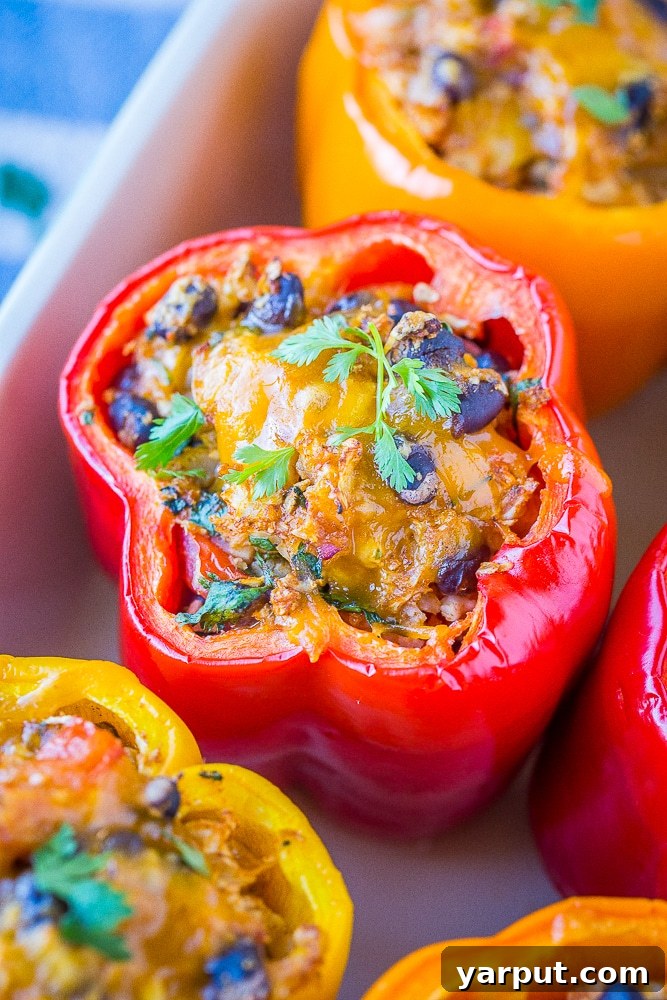
Vegetarian Stuffed Peppers with Cauliflower Rice
Fajita Gnocchi Skillet with Avocado Salsa
Loaded Breakfast Stuffed Peppers
Vegetarian Fajita Rice Casserole
Vegetarian Cheesy Tortellini Casserole
BROCCOLI
Broccoli is a highly prized cruciferous vegetable, closely related to cabbage, Brussels sprouts, and kale, all belonging to the mustard family. While several varieties exist, Calabrese broccoli is the most common type found and consumed in the United States, recognizable by its sturdy green stalks and dense florets. This versatile vegetable can be enjoyed in numerous ways: raw, roasted to tender perfection, gently steamed to retain its nutrients, or stir-fried for a quick and flavorful dish. I often chop raw broccoli into bite-sized pieces to add a crunchy texture to salads, or I keep steamed or frozen broccoli on hand to quickly toss into pasta dishes, hearty stir-fries, or comforting soups, making meal prep a breeze.
As a true powerhouse vegetable, broccoli offers a wealth of health benefits that make it an indispensable part of a balanced diet. It is brimming with potent antioxidants, which are crucial for combating unwanted inflammation throughout the body. Broccoli also contains a substantial amount of dietary fiber, essential for healthy digestion and gut regularity. Moreover, it is an excellent source of Vitamin C, a key nutrient for boosting and maintaining a strong immune system. Remarkably, just one cup of broccoli provides a similar amount of Vitamin C to that found in an orange, highlighting its incredible nutritional density. To preserve its freshness, store broccoli unwashed in a loosely sealed bag in the crisper drawer of your refrigerator; it typically stays fresh for 3-5 days.
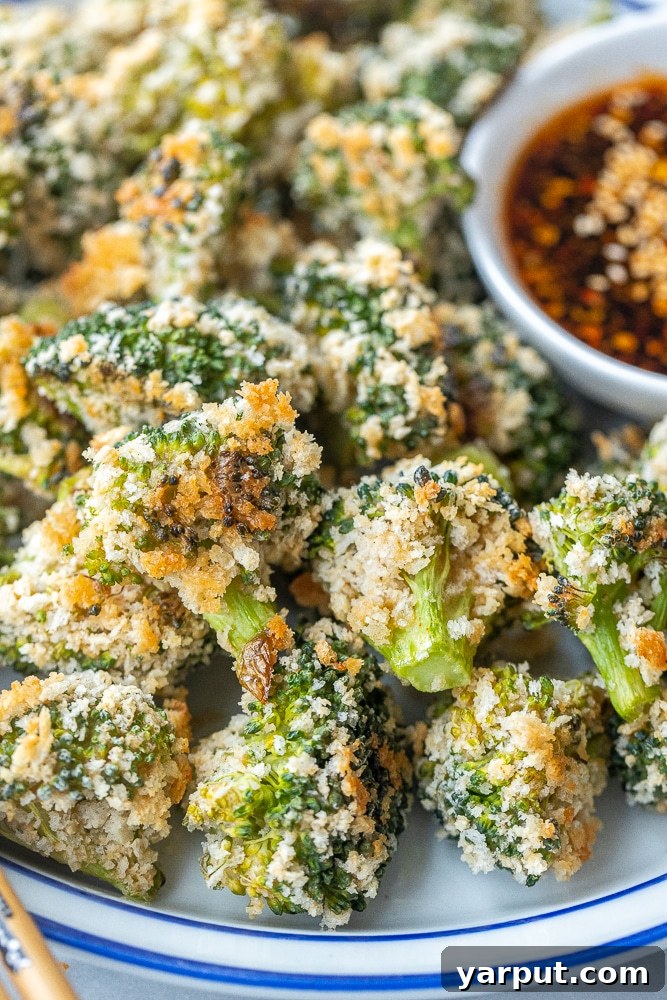
Crunchy Baked Broccoli with Spicy Soy Sauce
Chili Garlic Broccoli with Chickpeas
Tahini Roasted Broccoli
Crunchy Broccoli Salad with Maple Mustard Dressing
Veggie Packed Broccoli Cheddar Soup
Cheesy Broccoli Rice Casserole Bites
CARROTS
Carrots, widely recognized as quintessential root vegetables, are surprisingly easy to cultivate and thrive in various climates. While the bright orange variety is most prevalent in grocery stores and on dinner plates, home gardeners can explore a delightful rainbow of carrots, including purple, yellow, white, and red types, each offering subtle flavor differences. Carrots come in an assortment of shapes and sizes, from short and stout to long and slender. It’s interesting to note that “baby carrots” as we know them are not a distinct variety but rather regular-sized carrots that have been cut, peeled, and shaped into smaller, convenient portions. I love snacking on raw carrots, adding their crisp texture to salads and wraps, or pairing them with hummus or ranch dip. Beyond raw consumption, carrots are incredibly versatile: they can be roasted to bring out their natural sweetness, sautéed as a flavorful base, cooked into comforting soups, or even baked into classic desserts like carrot cake and muffins, showcasing their adaptability in both sweet and savory applications.
The adage “carrots are good for your eyes” holds true, backed by scientific evidence. Carrots are exceptionally rich in beta-carotene, a powerful antioxidant that the body converts into Vitamin A. Vitamin A is indispensable for maintaining healthy vision, especially in low light conditions, and supporting overall eye health. In addition to their vision-boosting properties, carrots are an excellent source of dietary fiber and a spectrum of other antioxidants. The fiber content not only aids in healthy digestion and promotes gut regularity but also plays a role in lowering the risk of heart disease. Specifically, the soluble fiber found in carrots binds to cholesterol particles in the digestive tract, helping to excrete them from the body, thereby contributing to cardiovascular health. To keep carrots fresh and crisp, store them unwashed with their green tops removed (to prevent moisture loss) in a plastic bag in the refrigerator’s crisper drawer, where they can last for several weeks.

Carrot Couscous Chickpea Meal Prep Bowls
Carrot and Chickpea Salad with Orange Maple Dressing
Roasted Carrot and Dill Hummus
Noodles with Cabbage and Carrots
Carrot Cake Muffins
Curried Sweet Potato Carrot and Red Lentil Soup
CORN
Corn, a versatile grain, botanically classified as a fruit, belongs to the grass family (Poaceae). “Corn on the cob” is an iconic summer staple, offering a delightful way to enjoy this sweet and juicy produce fresh from the stalk. While there are over 17 distinct types of corn, Dent corn (or field corn) is the most common variety grown in the United States, primarily used for animal feed and processed foods. Sweet corn, however, is the variety we typically enjoy, whether fresh from the cob or canned. I often find myself reaching for canned or frozen corn due to its convenience and year-round availability, which makes it easy to incorporate into various dishes. Corn’s adaptability is remarkable; it seamlessly integrates into an array of recipes, from vibrant corn salsas and hearty cornbread to creamy chowders. It can be served warm or cold, adding texture and sweetness to salads, soups, tacos, and casseroles.
Corn is a nutritional powerhouse, offering numerous health benefits thanks to its high content of fiber, vitamins, minerals, and antioxidants. It provides both soluble and insoluble fiber, making it excellent for digestive health. You might wonder why corn sometimes appears undigested in stool. This is because the outer shell of a corn kernel is composed of cellulose, which humans cannot fully digest. However, rest assured, the body still efficiently extracts all the valuable nutrients from the inner parts of the kernel before the cellulose passes through. The fiber in corn is also instrumental in regulating blood sugar levels by slowing down the absorption of glucose, contributing to sustained energy. To keep fresh corn on the cob at its best, store it in the refrigerator with its husks intact, ideally for no more than a few days, to preserve its sweetness and moisture.
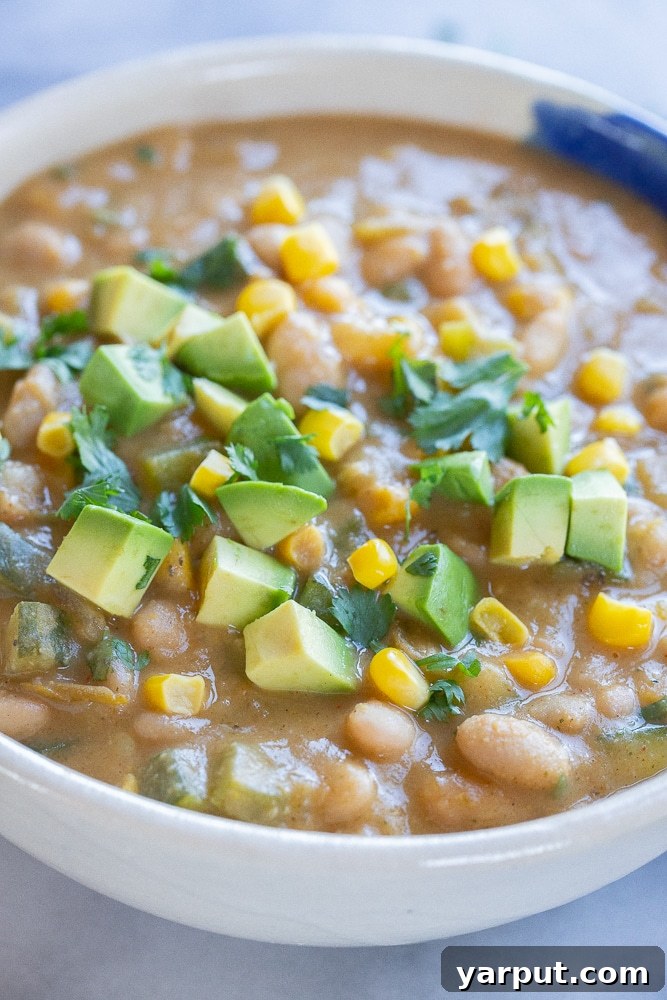
Zucchini Corn and White Bean Chili
Corn and Zucchini Quesadillas
Pickled Jalapeno Cheddar Cornbread
Cherry Tomato Salsa with Black Beans and Corn
CUCUMBER
Cucumbers are refreshing members of the Cucurbitaceae family, famously known as the gourd or squash family. These vine-growing vegetables come in a fascinating array of varieties, each with unique characteristics. Common types include the standard Garden cucumber, the long and slender English cucumber, the compact Persian cucumber, and specialty types like Lemon or Gherkin (pickling) cucumbers. In U.S. grocery stores, Garden cucumbers are the most prevalent, though English cucumbers are also widely popular due to their thinner skin and smaller, less noticeable seeds, which I personally prefer. While I predominantly enjoy cucumbers raw in salads or as a hydrating snack, their culinary potential is much broader. They can be deliciously pickled, grilled to bring out a smoky flavor, or “smashed” and marinated in Asian-inspired dressings for a wonderfully crisp and flavorful side dish.
Cucumbers are celebrated for their incredibly high water content, making them an excellent choice for staying hydrated, especially during the hot summer months. Beyond hydration, they are a good source of Vitamin K, a crucial nutrient for supporting robust bone health. Vitamin K facilitates the body’s absorption of calcium, which is vital for strong bone development and maintenance. Cucumbers also contain unique compounds called cucurbitacins. While these compounds can occasionally impart a slightly bitter taste to some cucumbers, they are also recognized for their potential anti-cancer properties, with studies suggesting they may inhibit tumor cell growth. To maintain their crispness and extend their shelf life, store whole cucumbers in the crisper drawer of your refrigerator. If sliced, place them in an airtight container for shorter storage.
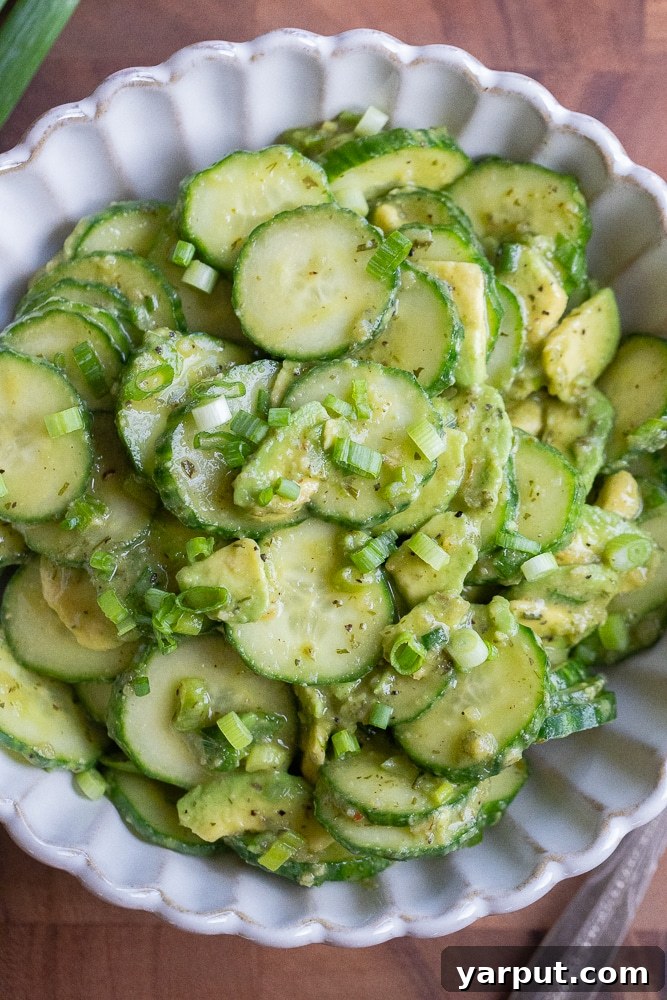
Favorite Cucumber Avocado Salad
Chili Garlic Cucumber Salad
Cucumber Edamame Salad
Grilled Cucumbers with Pickled Feta Dip
Chunky Cucumber Salsa
FRESH HERBS
Fresh herbs are a delightful mix of annuals and perennials, enriching our gardens and kitchens with their aromatic presence. Annuals like basil and cilantro need to be replanted each year, gracing us with their seasonal flavors, while perennials such as sage, thyme, lavender, and mint return reliably, year after year, offering a continuous supply. Fresh herbs are generally less potent than their dried counterparts, which allows for more generous use in recipes, adding both vibrant flavor and beautiful color. I always make sure to have a variety of fresh herbs on hand; they’re perfect as a colorful garnish for pastas, salads, and soups, instantly elevating a dish. However, their role can extend beyond mere garnish; they can be the star ingredient. Pesto is one of my favorite preparations when I have an abundance of fresh herbs, and it doesn’t have to be limited to basil. Imagine a vibrant mint or cilantro pesto for a unique twist!
Historically, herbs have been revered for centuries for their potent medicinal and healing properties. Each herb possesses its own unique profile of health benefits. For instance, garlic, turmeric, oregano, and sage are widely recognized for their immune-boosting capabilities, helping the body ward off illness. Meanwhile, ginger, peppermint, parsley, and basil are renowned for their digestive aid properties, soothing upset stomachs and promoting healthy gut function. The therapeutic benefits of herbs can be harnessed by incorporating fresh herbs liberally into your cooking, or by taking them in concentrated forms such as dried herb capsules or tinct. It is always advisable to consult with your doctor or a qualified healthcare professional before starting any new herbal supplements, especially if you have existing health conditions or are taking other medications. To maximize freshness, store delicate herbs like cilantro and parsley upright in a glass of water, covered loosely with a plastic bag, in the refrigerator. Hardier herbs like rosemary and thyme can be wrapped in a damp paper towel and placed in a sealed bag in the crisper drawer.
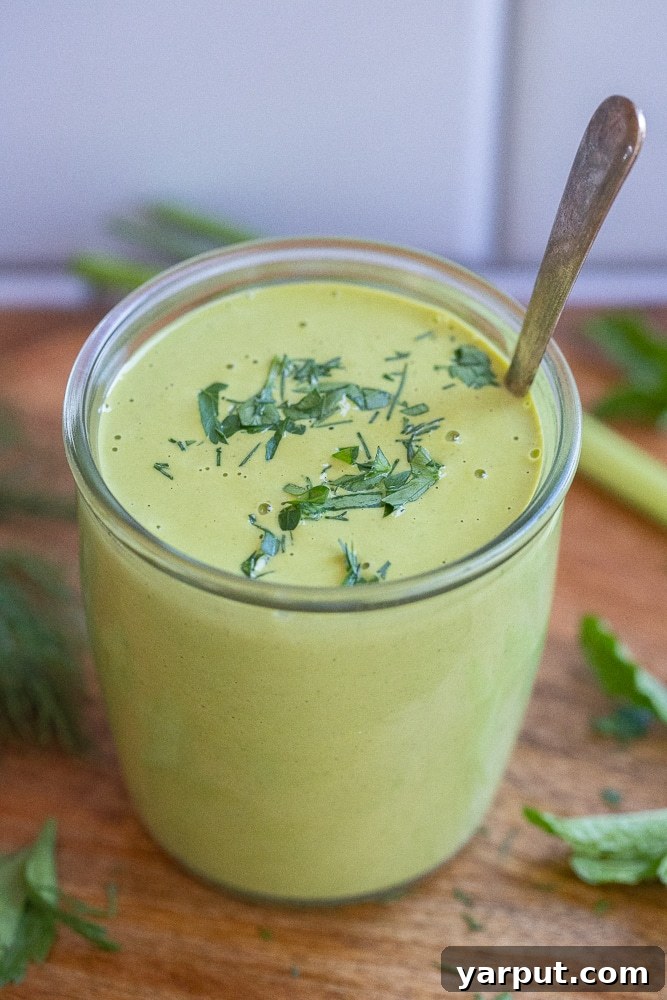
Dairy Free Green Goddess Dressing
Vegan Pesto Recipe
Herby Lemon Jalapeno Pasta
Herby Cucumber Salad with Feta and Chickpeas
Cilantro Lime Cucumber Salad with Avocado
Avocado Pesto Sauce
GREEN BEANS
Green beans, delightful members of the Fabaceae (pea) family, boast an astonishing diversity, with over 500 different varieties cultivated worldwide. As their name implies, they are predominantly green, but don’t be surprised to find unique varieties sporting vibrant yellow (wax beans) or striking purple hues! These versatile vegetables are a fantastic mid-to-late summer crop, typically growing as either bushy plants or as vining plants that gracefully climb up poles, making them a popular choice for home gardens. While I appreciate the crisp, fresh taste of raw green beans, I usually find myself enjoying them cooked. Last year, my garden yielded an abundance of fresh green beans, which I savored immediately. For year-round enjoyment, I often rely on frozen green beans, which maintain a superior quality compared to canned varieties that, while convenient, often lack the fresh texture and flavor.
Green beans are incredibly nutrient-rich, offering a remarkable array of health benefits that support nearly every bodily function. They are an excellent source of Vitamin C (for immune support), Vitamin K (crucial for blood clotting and bone health), folate (vital for cell growth and fetal development), and dietary fiber (essential for digestion and heart health). Furthermore, they provide iron, various antioxidants, and contribute to overall well-being. Their comprehensive nutritional profile makes them beneficial for digestion, immune system support, cardiovascular health, weight management, eye health, blood health, and even plays a role in cancer prevention. To keep fresh green beans at their peak, store them unwashed in a plastic bag or container in the refrigerator’s crisper drawer. They are best consumed within about a week for optimal freshness.
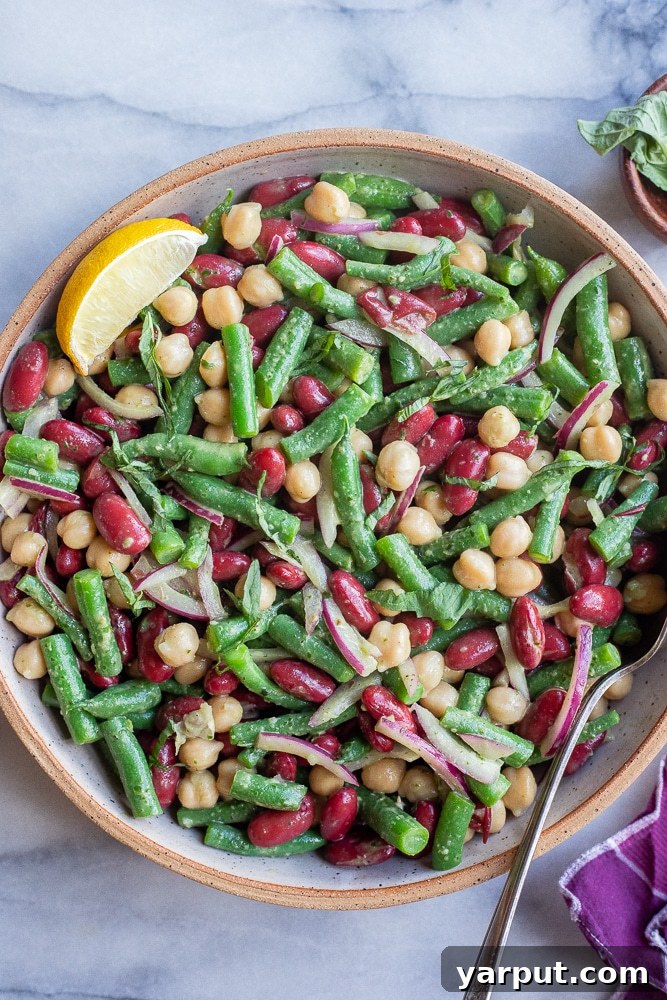
The Best Easy Green Beans
Miso Sesame Green Beans
Three Bean Salad with Basil Vinaigrette
Vegan Green Bean Casserole
Egg Free Crispy Baked Green Bean Fries
KALE
Kale, a celebrated member of the cruciferous family (Brassicaceae), is a robust leafy green known for its ability to withstand colder temperatures, making it a hardy and reliable crop. It comes in a few distinct varieties, each offering unique textures and appearances: curly kale, with its ruffled edges; lacinato kale (also known as Tuscan or dinosaur kale), featuring dark, elongated, crinkly leaves; and various purple kales, which add a beautiful color to dishes. Baby kale has also gained immense popularity, offering a more tender texture and milder flavor, somewhat akin to baby spinach or lettuce, while still retaining kale’s characteristic earthiness. Kale is wonderfully versatile and can be enjoyed both cooked and raw. For raw consumption, I love to gently massage kale leaves with a bit of olive oil and lemon juice; this breaks down its tougher fibers, creating a tender yet hearty base for salads that offers refreshing crispness and satisfying texture. When cooked, kale wilts quickly, making it an ideal addition to soups, stir-fries, and pasta dishes, where it effortlessly incorporates its nutrients and flavor.
Kale has earned its esteemed reputation as a “superfood” due to its exceptional density of vitamins, minerals, and powerful nutrients. Incorporating dark leafy greens into our diets is crucial for overall health, and kale is an outstanding way to achieve this. It boasts an impressive nutritional profile, containing four times more Vitamin C than spinach and twice the amount of selenium, along with significant levels of Vitamin K, Vitamin A, and various B vitamins. Furthermore, kale is remarkably low in calories, making it an excellent food choice for those focused on maintaining a healthy weight while ensuring a high intake of essential micronutrients. Its rich fiber content also supports digestive health. To keep kale fresh, store unwashed bunches in a plastic bag in the refrigerator’s crisper drawer, where it can remain fresh for up to a week. For prolonged storage, you can wash, chop, and freeze kale for later use in smoothies or cooked dishes.

Kale and White Bean Pasta with Parmesan
The Best Kale Chips
Chopped Kale Power Salad with Lemon Tahini Dressing
Garlicky Kale with White Beans and Lemon
Sunshine Kale Salad
PEAS
As August unfolds, we continue to celebrate the vibrant world of peas, particularly the three main types of shelling and edible-pod varieties: snow peas, sugar snap peas, and garden peas. Snow peas are distinctive for their flat, crisp pods and tiny, undeveloped peas inside, making them a popular choice for stir-fries and fresh salads. Sugar snap peas, in contrast, have round, plump pods filled with larger, sweet peas, offering a delightful crunch when eaten whole. Garden peas, often referred to as English peas, are the peas we typically shell to enjoy the sweet, tender spheres within, and they are commonly found in frozen bags. I particularly love growing sugar snap peas in my garden, as they provide a continuous supply for raw snacking throughout the summer, and they add a fresh, sweet bite to salads. I always keep a bag of frozen sweet garden peas on hand; they’re incredibly convenient for tossing into pasta dishes or serving as a quick, nutritious vegetable side.
Peas boast a remarkably rich nutritional profile and offer a variety of significant health benefits, making them a valuable addition to any diet. They are an excellent source of plant-based protein, making them particularly beneficial for vegetarians and vegans. Furthermore, peas are packed with a wealth of antioxidants, dietary fiber, and numerous essential vitamins and minerals, including Vitamin K, Vitamin C, and several B vitamins. A single cup of peas provides a substantial 8 grams of protein and 7 grams of fiber. This combination of both soluble and insoluble fiber is crucial for maintaining smooth digestion, promoting gut health, and helping to transport undesirable cholesterol particles out of the body. To keep fresh peas at their best, store them in their pods in a perforated plastic bag in the refrigerator, consuming them within a few days for optimal sweetness. Frozen peas, of course, offer long-lasting convenience and retain most of their nutritional value.
Lemony Broccoli and Sweet Pea Salad
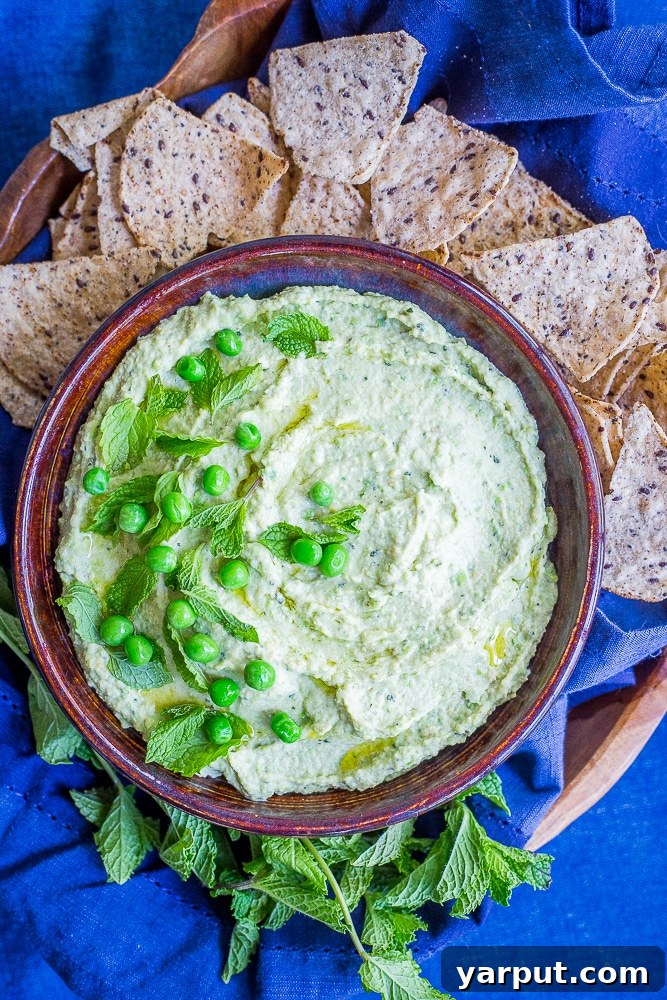
Minty Sweet Peas Hummus
Watercress Pesto Pasta with Peas
Roasted Vegetable Gnocchi Sausage Bake
RADISHES
Radishes, zesty members of the mustard family (Brassicaceae), offer a delightful crunch and peppery kick, coming in several distinct varieties. The small, round, vibrant red radish is the most commonly recognized and widely available type in grocery stores. These popular radishes are typically enjoyed raw, delivering a characteristic spicy, crisp, and slightly pungent flavor that awakens the palate. I often thinly slice radishes and scatter them over salads for an added layer of texture and spice, but their culinary applications extend further. They can be quickly pickled to mellow their sharpness and add a tangy dimension, grilled to impart a smoky sweetness, or even roasted in the oven. Roasting radishes is a revelation; it significantly mutes their sharp flavor, transforming them into tender, subtly sweet morsels that are surprisingly delicious.
Despite their humble size, radishes pack a considerable nutritional punch, offering a surprising array of health benefits. Just half a cup of raw radishes provides an impressive 14 percent of your daily recommended dose of Vitamin C, a vital nutrient for boosting and fortifying the immune system. They are also excellent for supporting a healthy digestive system, with half a cup containing a valuable gram of dietary fiber. Furthermore, radishes are known for their natural antifungal properties, which can help keep common fungal growths like Candida in check. Remarkably low in calories and virtually fat-free, a cup of radishes contains only about 9 calories, making them an ideal food for healthy weight management and a guilt-free snack. To maintain their crisp texture and spicy flavor, store radishes with their greens removed (as greens can draw moisture away from the root) in a plastic bag in the refrigerator’s crisper drawer, where they can last for a week or more.
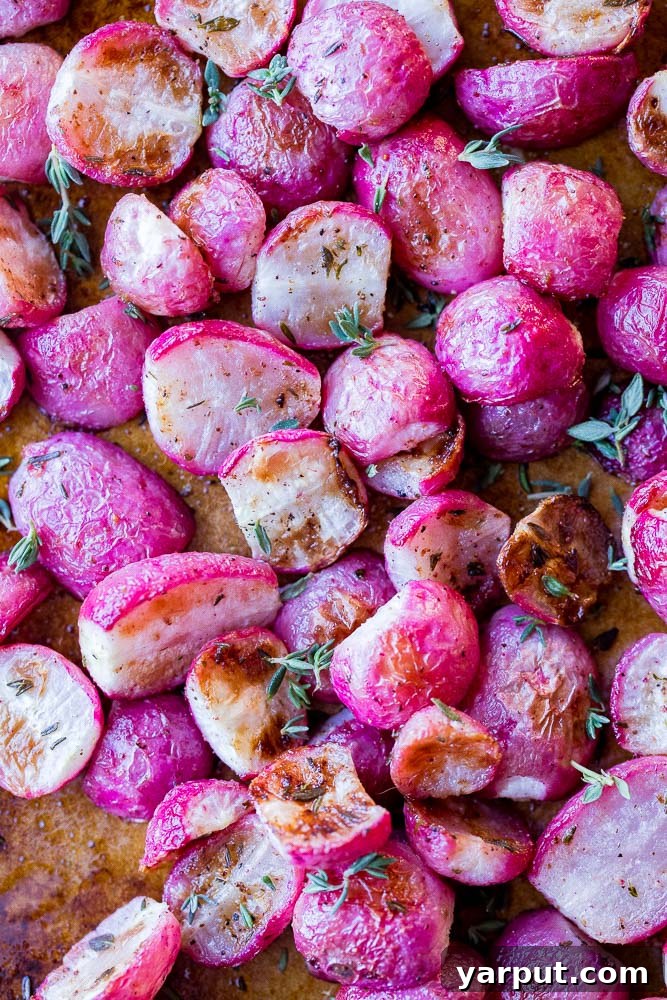
Roasted Radishes with Garlic and Herbs
Veggie Sushi Bowls with Quick Pickled Radishes
Crunchy Ranch Salad with Crispy Quinoa
Loaded Black Bean Salad
Salt and Vinegar Potato Salad
Roasted Sweet Potato Black Bean Salad with Kale
TOMATOES
Tomatoes, botanically classified as fruits yet often enjoyed as vegetables in culinary contexts, belong to the nightshade family (Solanaceae). This diverse produce comes in an astounding number of varieties, each with its unique characteristics. Most tomato varieties are celebrated for their sweet and juicy flesh, ranging in size from tiny, bite-sized cherry and grape tomatoes to medium-sized Roma and large, meaty beefsteak tomatoes. Tomatoes are, without a doubt, one of my favorite ingredients, offering unparalleled versatility in the kitchen. I particularly adore eating them raw, straight from the garden, perhaps simply seasoned with a sprinkle of salt and pepper. Uncooked tomatoes are perfect for enhancing salads, adding juiciness to sandwiches, or brightening up appetizer platters. When cooked, their possibilities are truly endless: they transform into rich salsas, flavorful pasta sauces, tangy ketchups, and comforting soups. And let’s not forget the concentrated burst of flavor offered by sun-dried tomatoes, perfect for adding depth to countless dishes.
Tomatoes are brimming with powerful antioxidants, which play a crucial role in neutralizing harmful free radicals in the bloodstream, thereby protecting cells from damage. Their rich content of lycopene and potassium is particularly beneficial, potentially helping to reduce the risk of chronic diseases, including heart disease and certain types of cancer. Lycopene, a potent carotenoid, is known to help lower “bad” LDL cholesterol levels and prevent arterial blockages by inhibiting cholesterol synthesis and increasing the breakdown of LDL particles. Furthermore, tomatoes are an excellent source of Vitamin C, a vital nutrient that significantly supports and boosts the immune system, enhancing the body’s natural defenses. To keep fresh tomatoes at their peak flavor and texture, store them at room temperature, away from direct sunlight. Refrigeration can diminish their flavor and make them mealy, so only refrigerate ripe tomatoes if you need to extend their shelf life for a few extra days, bringing them back to room temperature before use.
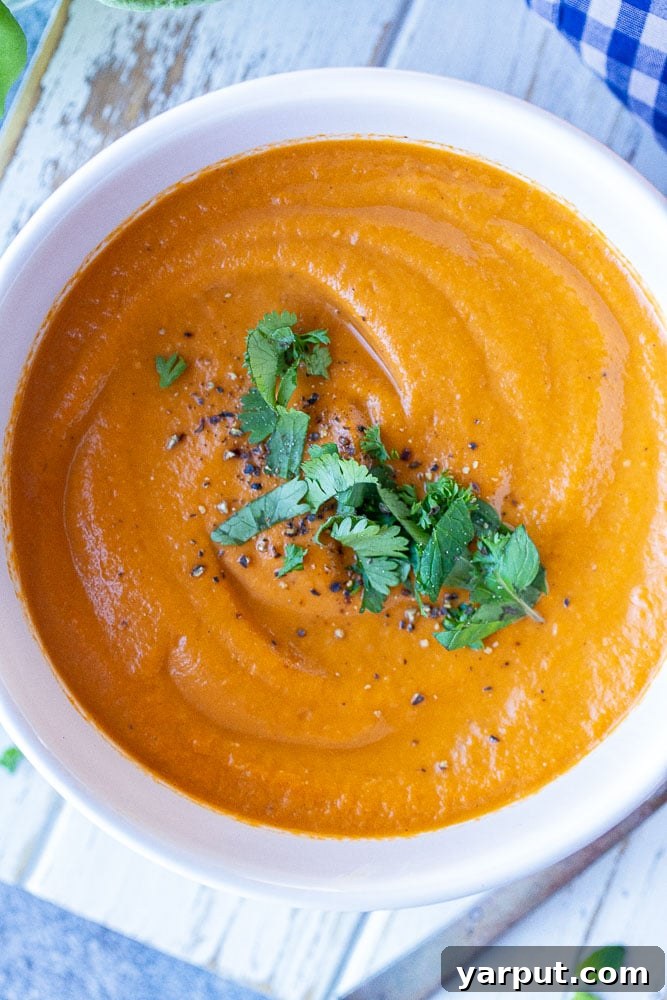
Creamy Roasted Tomato Soup
Guacamole Stuffed Tomatoes
Sun-Dried Tomato Pesto Pasta
Herby Parmesan Tomato Pasta Salad
Summer Squash and Tomato Pizza
Tomato Herb Butter Beans with Pesto Rice
ZUCCHINI
Zucchini, a prolific and beloved member of the squash family (Cucurbitaceae), is a true star of the summer garden, often yielding an abundant harvest. Most people are familiar with the common long, green zucchini found in grocery stores, but there are indeed other delightful varieties, including golden yellow zucchini and even round or striped types. On its own, zucchini possesses a very mild flavor, which makes it an excellent canvas for absorbing other delicious seasonings and flavors. It also softens beautifully when cooked. While zucchini can be enjoyed raw—thinly sliced or spiralized into “zoodles”—it is most commonly seen sautéed, roasted, or grated into baked goods like the ever-popular zucchini bread and muffins. For me, zucchini truly shines when it’s cooked until it begins to caramelize and brown, a process that concentrates its subtle sweetness and develops incredible depth of flavor. This cooking method makes it perfect for adding to stir-fries, pastas, salads, tacos, and more, providing a tender, flavorful boost to almost any dish.
Zucchini is a nutrient-dense vegetable that is remarkably low in calories, making it an incredibly beneficial addition to a healthy diet. It is loaded with dietary fiber, a high water content, and valuable potassium, all of which contribute significantly to digestive health, keep you well-hydrated, and support healthy weight management. Its rich fiber content aids in maintaining regular bowel movements and promoting a healthy gut microbiome. Furthermore, zucchini contains a variety of antioxidants, including carotenoids like lutein and zeaxanthin, which help reduce inflammation throughout the body and support eye health. To keep fresh zucchini firm and extend its shelf life, store it unwashed in a plastic bag or perforated container in the refrigerator’s crisper drawer, where it can last for about 4-5 days. Avoid washing until just before use to prevent premature spoilage.
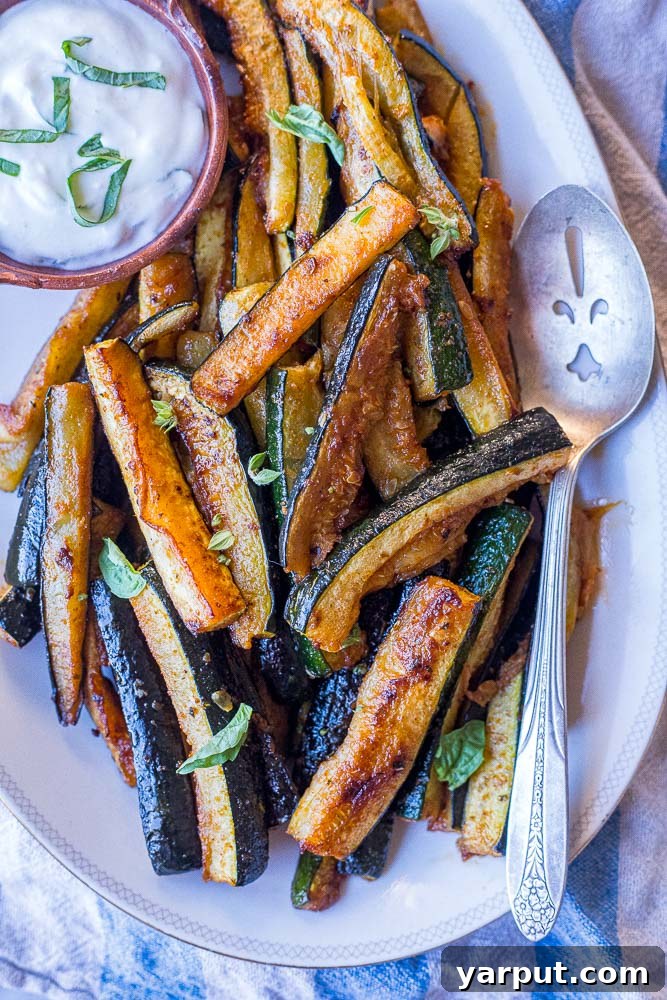
The Best Roasted Zucchini
Blackened Zucchini Tacos
Creamy Curried Zucchini Soup
Corn and Zucchini Quesadillas
Zucchini Apple Carrot Muffins