Unveiling the Thyroid Mystery: My Personal Journey Through Hormone Imbalance and Healing
Welcome to a deeply personal exploration of thyroid and hormone imbalance issues. Please note, I am not a medical professional, and this content is purely for sharing my experience, not for dispensing medical advice. Should any part of my story resonate with you, I strongly encourage you to consult your doctor for comprehensive thyroid functioning tests.
TRIGGER WARNING: This post openly discusses topics related to weight gain, weight loss, and specific scale numbers.
Hello, and a warm welcome to those discovering my blog for the first time through this post on Thyroid Health! My name is Izzy, and at 36 years old, I’m a mother to two energetic young boys, aged six and four. My decision to share this intimate account of battling hormonal imbalances stems from a profound belief that countless women, particularly those in my age bracket raising young children, are likely navigating similar, often bewildering, health challenges. It’s a harsh reality that obtaining an accurate diagnosis and an effective treatment plan for hormone-related issues can be incredibly difficult. Many healthcare providers tend to dismiss concerning symptoms like unexplained weight gain, chronic fatigue, and pervasive brain fog, attributing them to the “normal” stresses of motherhood or demanding careers. My sincere hope is that by openly sharing my journey, I can offer a beacon of understanding and perhaps a path forward for others grappling with similar problems but struggling to find clear answers. Your questions are incredibly valuable to me; please don’t hesitate to share them in the comment section below, and I promise to respond as swiftly as possible!
I cannot overstate the critical importance of becoming your own most fervent health advocate. If something within your body simply doesn’t feel right, do not allow medical professionals to diminish your concerns by suggesting it’s “all in your head” or “normal for someone of your age, gender, or life circumstances.” We are the sole experts on our own bodies, and unfortunately, in today’s healthcare landscape, it may sometimes be necessary to seek out new providers until you find one who truly listens and helps you uncover the answers you desperately need.

The Onset of Unseen Challenges: My Early Symptoms in 2020
Reflecting on my experience, I believe the initial whispers of thyroid and hormone imbalance began subtly in mid-to-late 2020, though at the time, I lacked the awareness to identify them. March 2020 marked the onset of the COVID-19 pandemic, a period when my youngest was just a few months past his first birthday, and my eldest was three and a half. At this point, I had been continuously breastfeeding for an astounding three and a half years – my eldest even nursed throughout my second pregnancy! For several months, I found myself tandem nursing a toddler and a newborn. Furthermore, I was co-sleeping with my youngest, who frequently woke throughout the night for feedings, contributing to significant sleep disruption.
Despite being over a year postpartum, I was still grappling with residual trauma from an emergency induction due to a sudden onset of pre-eclampsia during my second birth. I remained on blood pressure medication and Zoloft for persistent postpartum anxiety. My weight had peaked at approximately 180 pounds just before delivery, but the intense anxiety and stress in the initial months after his birth – triggered by ongoing blood pressure issues and a terrifying two-week hospitalization for my three-week-old due to a blood infection, an hour from home – caused a rapid drop to around 150 pounds. My personal goal weight at that time was 130-135 pounds. It’s quite vivid in my memory: the exact week we entered the COVID-19 lockdown, our family battled a stomach bug. I recall feeling a peculiar sense of excitement as I weighed 149 pounds afterward, a number I hadn’t seen in ages! I genuinely believed I was finally on track to shed those last 10-15 pounds of “baby weight.” How terribly mistaken I was!
Navigating the Pandemic: Lifestyle Shifts and Mounting Fatigue
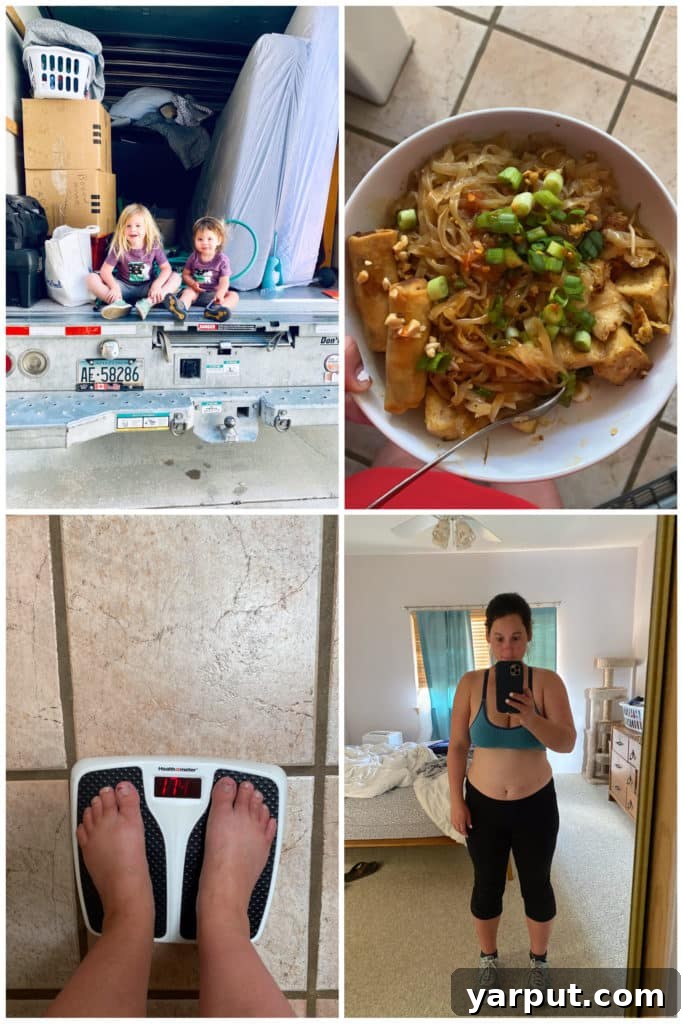
Like many globally, I experienced significant weight gain during the initial phases of the pandemic. Our kitchen became a hub of activity as I frequently baked with the children, which, of course, translated into consuming copious amounts of homemade bread, cookies, and muffins. While we made an effort to take numerous walks with the kids, structured exercise had largely fallen by the wayside. Ironically, just before my first pregnancy, I was likely in the best physical shape of my life, consistently running and occasionally following exercise videos. The moment I became pregnant, running ceased, and regrettably, I’ve never truly regained that habit. Compounding these factors, my alcohol consumption also increased beyond healthy limits. In the very early days of the pandemic, fear of contact prevented us from ordering takeout, so our home-cooked meals were generally quite nutritious – baked goods notwithstanding, of course.
Approximately a month into the lockdown, we made the ambitious decision to simultaneously sell our existing home and purchase a new one. This monumental task involved an incredible amount of paperwork, logistical coordination, and ensuring our house was meticulously clean for showings and inspections (fortunately, we received an offer on the very first day, minimizing cleaning efforts!). It was summertime, and my wine intake remained steady. With the overwhelming tasks of packing and cleaning, ordering takeout became a frequent necessity. The last thing on my mind was preparing a healthy, home-cooked meal.

The Spiral of Exhaustion and Misinterpreted Symptoms
By the time we successfully moved into our new home and began to settle in, roughly August 2020, my weight had climbed to approximately 170 pounds, marking a gain of 20 pounds in a mere five to six months. This physical transformation was accompanied by a relentless, profound fatigue. I was so exhausted that many days I found myself needing to occupy the children with television just to snatch a daytime nap. Some days, the sheer lack of energy made even basic tasks, like working on this blog, feel insurmountable. Simply getting out of bed in the morning became a physically challenging ordeal. I initially rationalized these feelings, attributing them to the stress of a major move, the recent weight gain, poor sleep quality, and a general lack of self-care. My youngest son continued to wake multiple times throughout the night, making sleep deprivation a constant misery. While I would strive for healthier eating habits during the week, the weekends inevitably brought a return to wine and less-than-optimal food choices. Essentially, any progress I made during the week in terms of weight loss was swiftly undone over the weekend.
Around this period, I also noticed a slight increase in my blood pressure, which I instinctively linked to the recent weight gain. My reasoning was that the constant exhaustion must be a symptom of elevated blood pressure, a conclusion Google seemed to support. During a phone consultation with my doctor (without an in-person visit), we mutually agreed to increase my blood pressure medication and monitor the outcome. Interestingly, I did experience a marginal reduction in fatigue after this adjustment, which unfortunately diverted my attention from considering bloodwork at that time. The thought of deeper hormonal issues simply didn’t cross my mind.
Frustration Mounts: Persistent Weight Gain Despite Effort
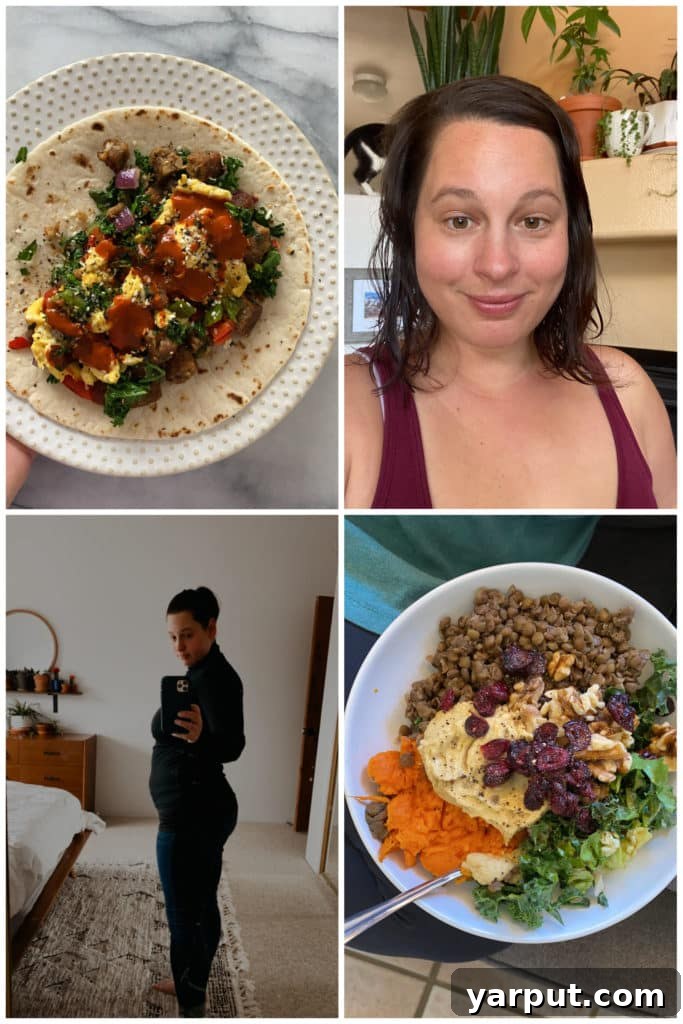
Reaching 170 pounds, my non-pregnancy highest weight, spurred a fierce determination to regain control of my health and fitness. By this point, the pandemic had been ongoing for about a year, and I had come to terms with its prolonged presence. I significantly increased my exercise regimen, incorporating Jillian Michaels workout videos and taking the children on long wagon rides almost daily. Despite these consistent efforts, and without any significant dietary changes, I inexplicably gained an additional 7 pounds. I knew my food choices weren’t always perfect, and I still enjoyed my wine and occasional takeout, leading me to believe I simply wasn’t working hard enough to achieve weight loss.
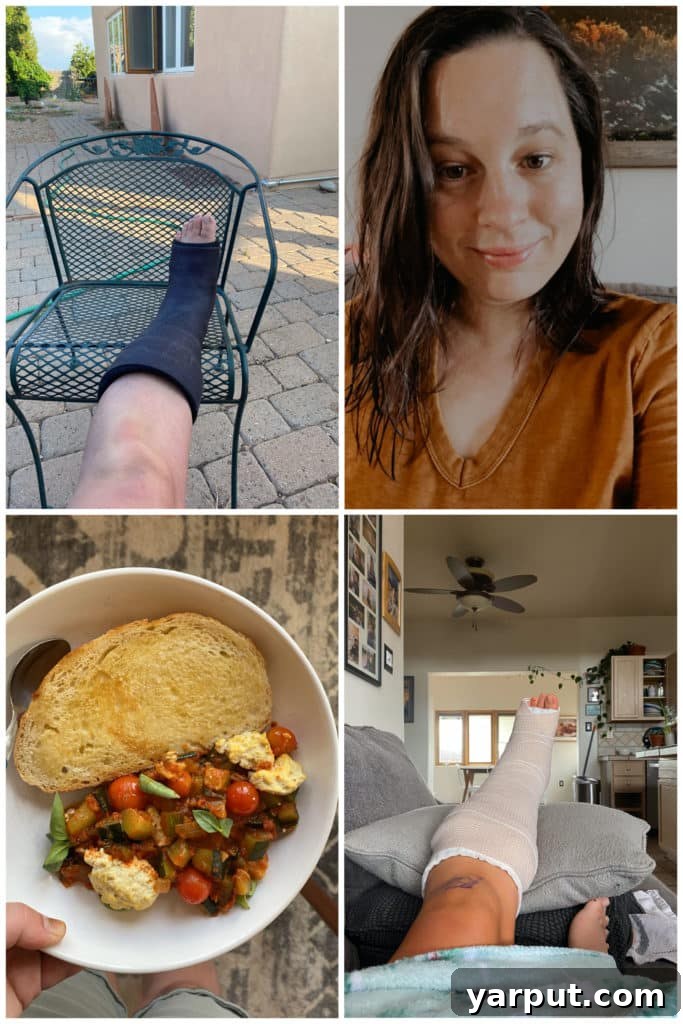
Then, in June 2021, an unexpected setback occurred: I broke my ankle. Stepping out of a hot tub, I rolled my ankle on the top step and fell. This injury necessitated surgery, followed by five weeks in a cast with crutches, and then another four weeks in a walking boot. At the time, I weighed approximately 178 pounds, and I was incredibly anxious that two months of immobility would lead to further weight gain. In response, I consciously attempted to improve my eating habits and significantly reduced alcohol consumption during my time on crutches. Surprisingly, I actually managed to lose about 7 pounds over those two months. However, my memory of the exact timeline becomes a bit hazy here, but sometime after my cast and boot were removed, not only did I regain those 7 pounds, but my weight further escalated into the 180s. Overall, my sense of well-being plummeted.
A Glimmer of Hope: New Doctor, Same Labs, Different Perspective
Around this critical juncture, I was mandated to attend an in-person doctor’s appointment to renew my blood pressure prescription. My previous doctor, whom I had relied on since the birth of my second child, had recently relocated his practice an hour away. While I genuinely liked him, I had been contemplating a move to a new integrative medicine practice that had garnered excellent reviews. However, their new patient intake process involved extensive paperwork and a waiting period for an appointment. Given my immediate need for blood pressure medication, I opted to see the doctor who had taken over my previous physician’s practice, all while patiently awaiting my scheduled appointment with the integrative medicine specialist.
Since the pandemic’s onset, this was my first in-person medical visit, so the new doctor conducted a comprehensive work-up. I did mention my persistent fatigue and recent weight gain, but at that point, I was still largely convinced that these issues stemmed from my own failings, so I didn’t emphasize them heavily. During the examination, she palpated my thyroid and made a slight, discernible facial expression, but then stated we would await the results of the thyroid blood work. A couple of weeks later, she called to inform me that my thyroid labs appeared “normal.” The only notable concern, she indicated, was my cholesterol, which had surprisingly elevated. This was particularly alarming as I had never experienced high cholesterol; in fact, my previous tests had shown levels on the lower side. Her advice was simply to retest it in a year.

Unraveling the Puzzle: Beyond “Normal” Labs and Unseen Symptoms
Despite the “normal” thyroid results, my debilitating exhaustion persisted relentlessly. The weight continued to creep upwards, even though there were no significant alterations in my routine or lifestyle that could explain it. I also began to notice a constant, perplexing breakout across my upper back. This symptom’s connection to thyroid health only became apparent to me much later, as it has largely resolved. Brain fog became a frequent companion, characterized by forgetfulness and a general mental cloudiness. While I’ve experienced stomach issues for most of my life, I hadn’t linked them to my thyroid until more recently. I was almost perpetually bloated and gassy in the evenings, often to the extent that I appeared approximately seven months pregnant. At this stage, I hadn’t reached a breaking point of intense frustration, primarily because I still held onto the misguided belief that I simply wasn’t trying hard enough, and therefore, my inability to lose weight and my overall feeling of malaise were my own doing.
The turning point arrived when I finally secured an appointment with my new integrative medicine doctor. My primary intention for this initial visit was merely to establish care. Having undergone comprehensive lab work just a couple of months prior, I brought those results with me. Previously, I had barely given them a second glance after my conventional doctor assured me everything was fine. My new doctor meticulously reviewed the labs and offered a different perspective. She observed that while my thyroid levels weren’t technically “below normal,” one or two specific markers caught her attention as being on the lower side of the accepted range. She then inquired if I suffered from low energy, to which I emphatically replied, “Yes, I’m utterly exhausted all the time!” This led to a decision to conduct more thorough thyroid labs. Additionally, she suggested we initiate treatment with a low dose of levothyroxine, a medication commonly prescribed for hypothyroidism. I vividly recall her words: “Either it will change your life and make you feel great, or it won’t do anything, and we will take you off of it.” Despite my deep-seated skepticism, I was desperate enough to try anything. I had been feeling so unwell for so long that I had almost forgotten what it felt like to genuinely feel good.

The Twists and Turns of Treatment: Levothyroxine and Dietary Trials
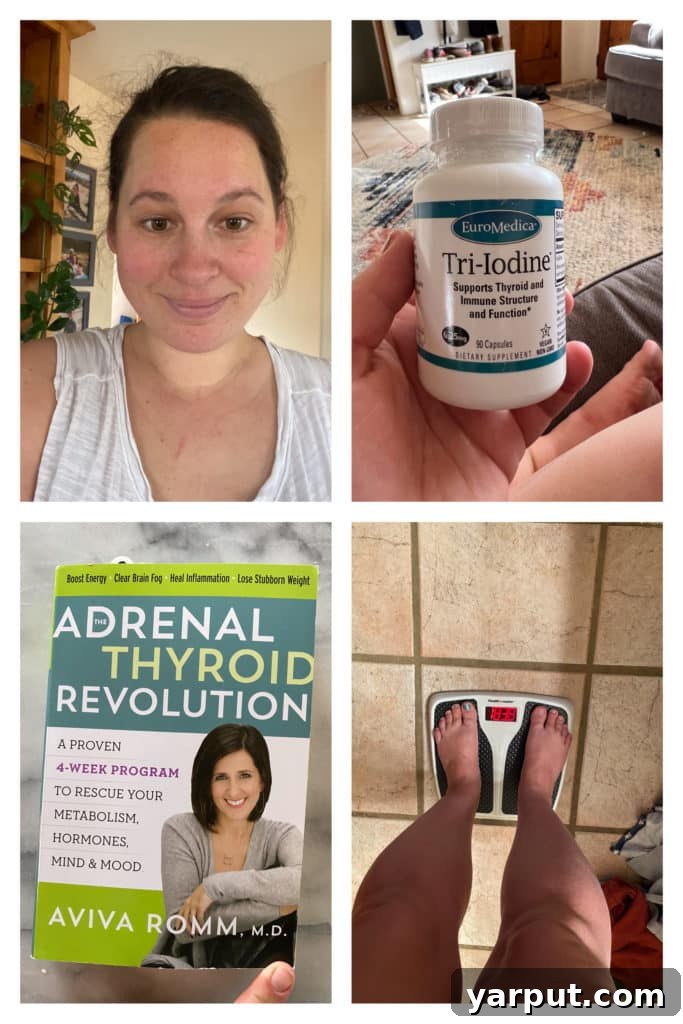
Approximately a year ago, I commenced a .025 mg dose of levothyroxine. Not long after starting the medication, I began to experience unwelcome side effects: muscle pains, a constant sensation of being overheated, night sweats, and a pervasive feeling of irritation. While the muscle pains eventually subsided, I persisted with the medication, reasoning that my body was simply adjusting. I believe I took it for a total of two months before deciding that its effects were more detrimental than beneficial. I still felt perpetually tired, was actually gaining more weight, and the overall experience was making me quite miserable. My doctor then recommended a book on thyroid health that included a specific dietary protocol. I decided to fully commit to this approach, determined to finally lose some weight. For nearly two weeks, I adhered to a very strict plant-based diet and ensured I exercised daily. While I recognize this isn’t an extensive period to expect dramatic results, I was utterly dismayed to discover that not only had I not lost any weight, but I had actually gained more during that time. The frustration was immense. My weight had now reached around 185 lbs, and I felt profound embarrassment at the thought of returning to the doctor. I simply couldn’t comprehend what I was doing wrong.
Exploring New Avenues: Thyroid Armor and the Iodine Revelation
During this period of intense frustration, I started perceiving a subtle lump in my neck region. Occasionally, my throat would feel uncomfortably full, as if something was lodged within it, particularly when swallowing. I promptly scheduled an appointment. After a thorough physical examination of my neck, my doctor confirmed she didn’t feel any abnormalities but, to ease my concerns, referred me for a thyroid ultrasound. The ultrasound results returned normal, showing no signs of swelling or nodules, which was a relief but also left me without an answer for the sensation. Still determined to find a solution, I expressed my desire to try thyroid medication again. This time, she prescribed Thyroid Armor. I believe I remained on this medication for approximately three months. The sensation of being constantly hot persisted, sometimes manifesting as overt hot flashes, though I felt considerably better than I had on levothyroxine. Some fatigue lingered, but remarkably, the severe stomach bloating and gas I had previously experienced were significantly reduced. I even managed to shed a couple of pounds, and for the first time in a long while, the scale wasn’t rapidly climbing upwards. Despite these minor improvements, I still didn’t feel truly well; the sensations of bloating, heaviness, and tiredness remained.
After three months on Thyroid Armor, we decided to re-evaluate my thyroid labs. Crucially, this time my doctor also opted to test my iodine levels. When the results came back, my thyroid levels showed little to no change; in fact, one marker had actually dropped below the “normal” range. However, what truly stood out was the revelation of significantly low iodine levels. The normal range was typically around 42, while my results were closer to 20. I immediately consulted Google for symptoms of low iodine, discovering a striking resemblance to many hypothyroidism symptoms. The connection between iodine and thyroid function is direct and profound; if I recall correctly, hypothyroidism can contribute to low iodine, and vice versa. Although I had felt somewhat better on Thyroid Armor, my doctor made the informed decision to transition me back to levothyroxine, increasing the dosage this time. Additionally, I began taking a thyroid-specific iodine supplement to address the deficiency.

The Breakthrough: Finding the Right Balance and the Promise of Part 2
In July of 2022, I started on a .075 mg dose of levothyroxine, and almost immediately, the familiar onset of hot flashes, night sweats, and persistent bloating returned. My frustration mounted, and I was on the verge of discontinuing the medication once more. However, my doctor wisely decided to adjust my dose, lowering it to .050 mg around that same July. And soon after that crucial adjustment, the magic truly began to unfold!
Stay tuned for Part 2 of my journey, which I anticipate publishing by Monday! My intention isn’t to create suspense, but rather, I felt that combining both parts into a single post would make it excessively long and overwhelming for readers.