
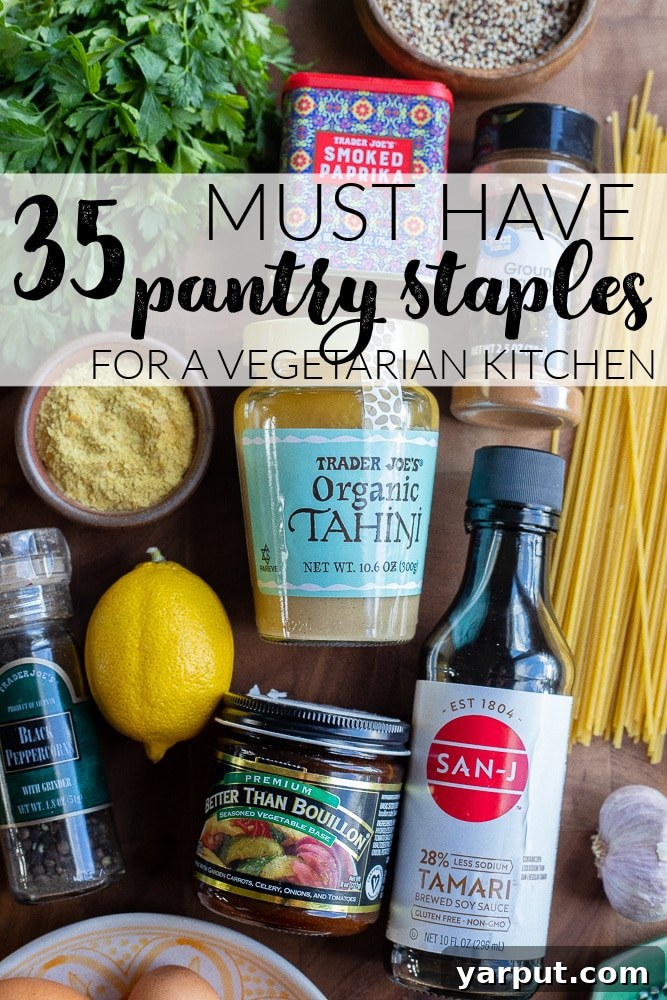
The Ultimate Vegetarian Pantry Staples List: Stock Your Kitchen for Healthy Meals
A well-stocked pantry is the cornerstone of any efficient kitchen, especially for those committed to a vegetarian or plant-based diet. Pantry staples are not merely ingredients; they are the foundation upon which countless delicious and nutritious meals are built. They empower you to whip up healthy dishes on a whim, reduce last-minute grocery runs, and significantly cut down on food waste and your overall food budget. This comprehensive guide will walk you through over 35 of my favorite essential vegetarian pantry items, designed to keep your kitchen ready for any culinary adventure.
Having a diverse array of basic ingredients readily available ensures you can combine them in endless ways, making meal planning a breeze and cooking an enjoyable, stress-free experience. Whether you’re a seasoned plant-based cook or just starting your vegetarian journey, this list provides a solid starting point for building a kitchen that supports your healthy lifestyle goals.
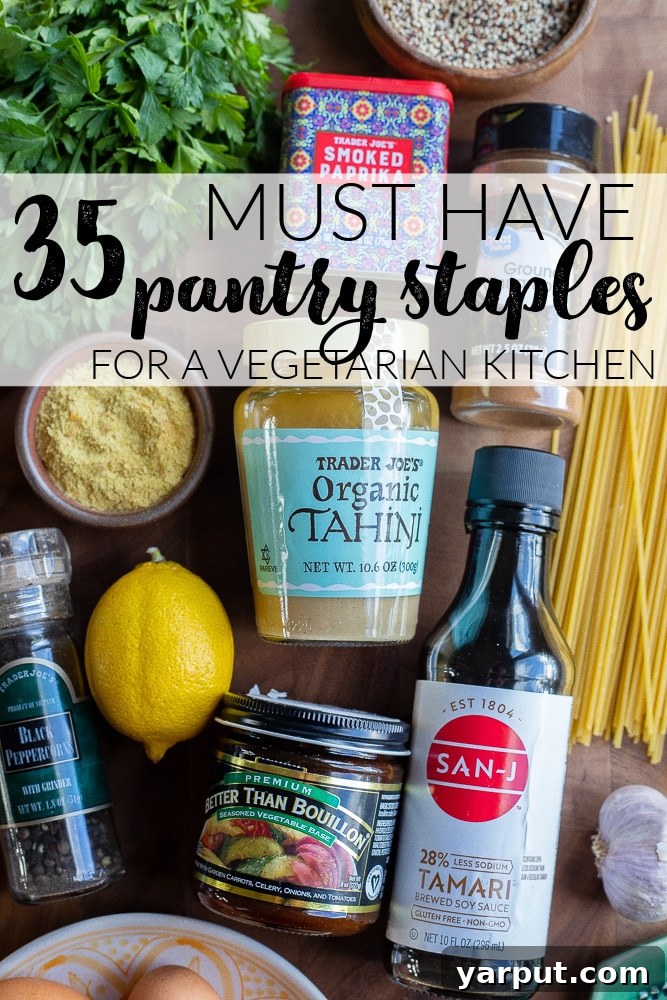
I’ve long wanted to share this curated list of vegetarian pantry essentials, and I’m thrilled to finally present it. As a vegetarian who regularly shares recipes that utilize “pantry staples,” it felt important to define what those staples truly mean in my home. While every kitchen is unique, and what one person uses daily, another might not, this list offers a robust framework for anyone looking to build a versatile and budget-friendly vegetarian pantry.
What Are Pantry Staples and Why Are They Essential?
Pantry staples are fundamental ingredients that form the backbone of your daily cooking. They are the items you rely on year-round, always keeping them well-stocked because of their versatility and frequent use. Beyond just dry goods, this category extends to frequently used refrigerated or frozen items that contribute to a complete meal. The beauty of a well-stocked pantry lies in its ability to enable you to create nourishing meals with minimal additional purchases, fostering creativity and economic cooking.
This list prioritizes ingredients that are shelf-stable, meaning they have a long lifespan, but it also includes fresh and refrigerated components vital for vibrant, flavorful vegetarian dishes. You’ll find a carefully selected collection of 35 pantry items that I consider indispensable in my vegetarian kitchen. Feel free to adapt this list to your personal preferences and dietary needs, but consider it a powerful starting point for culinary confidence!
*The accompanying photos display ingredients currently in my home. Please note that these are examples, not exclusive brand endorsements. I often shop at various grocery stores, prioritizing value and quality. Don’t hesitate to reach out if you have specific product questions!
Core Pantry Staples: Dry Goods and Flavor Bases
Salt and Pepper: The Universal Seasonings
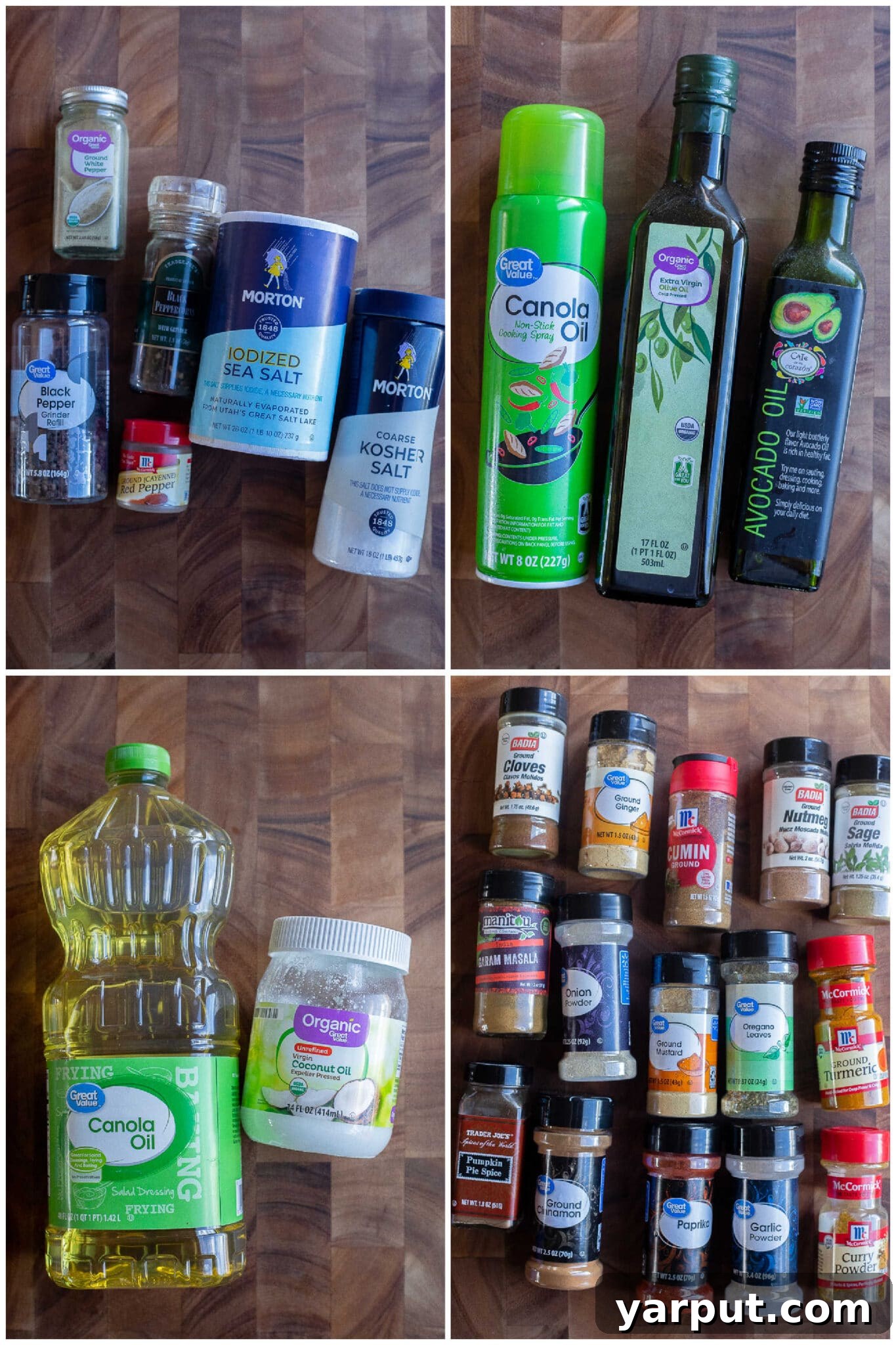
No culinary endeavor begins without salt and pepper. These fundamental seasonings are crucial for enhancing flavors and providing balance in virtually every dish. While there’s a vast world of salts and peppers, iodized table salt and freshly cracked black pepper are generally sufficient for most home cooks. I personally opt for iodized salt due to its health benefits and always prefer the vibrant kick of freshly ground black pepper. White pepper is a less common but useful addition for lighter-colored sauces where black flecks are undesirable.
Salt does more than just add salinity; it brightens other flavors and can even aid in cooking vegetables more efficiently. Pepper introduces a subtle heat and aromatic depth. For those who enjoy an extra layer of spice, red pepper flakes offer a fantastic alternative or complement to black pepper.
Oils and Fats: Essential Cooking Mediums
Oils are indispensable for a multitude of cooking techniques. My everyday vegetarian cooking primarily utilizes olive oil, avocado oil, canola oil, and toasted sesame oil. Each offers distinct characteristics and applications:
- Olive Oil: Ideal for sautéing, roasting vegetables, and making salad dressings due to its robust flavor and healthy monounsaturated fats.
- Avocado Oil: With a high smoke point and neutral flavor, it’s excellent for high-heat cooking, frying, and general-purpose use.
- Canola Oil: Another neutral-flavored oil suitable for baking and general cooking.
- Toasted Sesame Oil: A powerful finishing oil, adding an intense nutty flavor to Asian-inspired dishes, dressings, and marinades.
Having a selection allows for versatility in sautéing, roasting, crafting flavorful salad dressings, creating sauces, or simply drizzling over a finished meal for added richness. Identify a few versatile cooking oils you enjoy and make them your go-to kitchen companions.
Dried Spices and Herbs: The Flavor Makers
A well-stocked spice rack is a vegetarian cook’s secret weapon. Dried spices infuse dishes with incredible flavor without adding extra fat or calories. They are incredibly versatile, enhancing everything from savory stews to sweet baked goods. My most frequently used spices include cumin, granulated garlic, paprika, cinnamon, and onion powder, but a diverse collection allows for endless culinary exploration.
Spices are vital for marinades, rubs, roasts, stir-fries, and curries. Their concentrated flavor often surpasses that of their fresh counterparts, making them a powerful tool for developing complex and satisfying vegetarian meals. Store them in a cool, dark place to preserve their potency.
Vinegars: Tangy Versatility
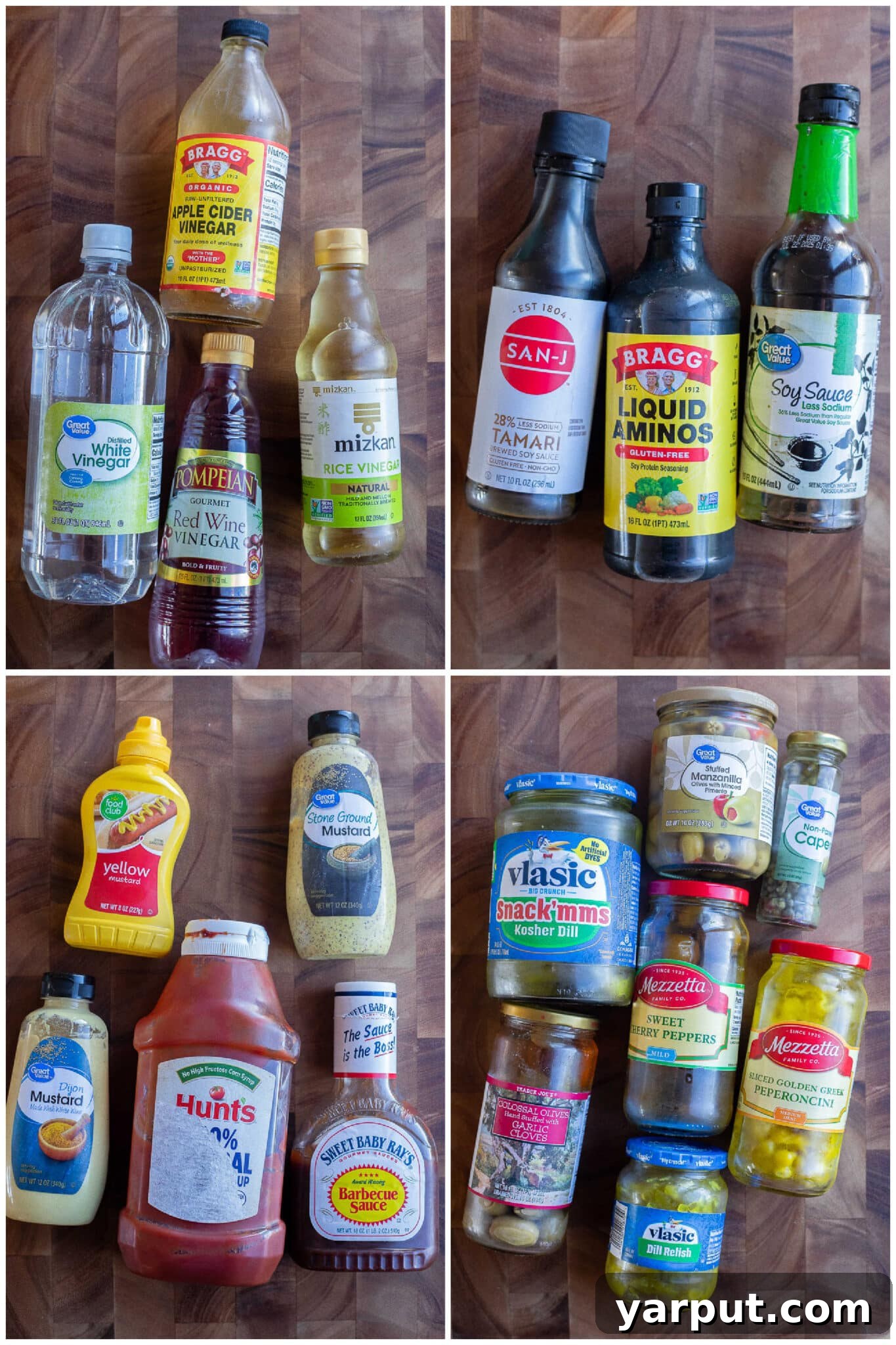
Vinegars are fantastic for adding acidity, brightness, and depth to dishes. I always keep a variety on hand to suit different flavor profiles: red wine vinegar, balsamic vinegar, rice wine vinegar, apple cider vinegar, and white distilled vinegar.
- Red Wine Vinegar & Balsamic Vinegar: Perfect for vinaigrettes, marinades, and reductions.
- Rice Wine Vinegar: Essential for Asian dressings, sushi rice, and quick pickling.
- Apple Cider Vinegar: Valued for its health benefits, it’s great in dressings, sauces, and even baking.
- White Distilled Vinegar: A household workhorse, useful for pickling, cleaning produce, and certain baking reactions.
Their acidic punch can cut through richness, brighten flavors, and even tenderize ingredients.
Tamari / Soy Sauce & Aminos: Umami-Rich Staples
Tamari and soy sauce, both fermented from soybeans, are dark, salty liquids that deliver a powerful umami punch. They are indispensable in my kitchen for crafting savory sauces, marinades, dressings, and as a natural salt alternative in many recipes. Tamari is the gluten-free counterpart to traditional soy sauce, making it a preferred choice for many.
Liquid aminos and coconut aminos are excellent substitutes, offering similar salty and savory notes. Coconut aminos are particularly popular as a soy-free and gluten-free option, ideal for those with allergies or sensitivities. These ingredients are fantastic for stir-fries, noodle dishes, and as a seasoning for grains and vegetables.
Ketchup, Mustard & BBQ Sauce: Beyond Condiments
While often seen as mere condiments for burgers and fries, ketchup, mustard, and BBQ sauce possess surprising versatility. They can add significant depth and complexity to sauces, marinades, soups, and glazes.
- Ketchup: Its sweet and tangy tomato base can enrich savory sauces and vegetarian meatloaf.
- Mustard: Dijon mustard, in particular, is excellent for emulsifying salad dressings, adding a pungent kick to sauces, and complementing roasted vegetables.
- BBQ Sauce: Infuses dishes with smoky, sweet, and tangy flavors, perfect for marinating tofu, tempeh, or making vegetarian pulled “pork.”
Pickled Vegetables: Tangy Additions
A refrigerator section dedicated to pickled vegetables adds an invigorating burst of flavor and crunch to almost any meal. My favorites include pickled jalapeños, classic dill pickles, pepperoncinis, pickled onions, and pickled garlic. They are fantastic as a garnish, stirred into salads, tucked into sandwiches, or served alongside rich dishes to cut through the richness. Olives, whether briny or buttery, also fall into this category for their unique salty and savory contributions.
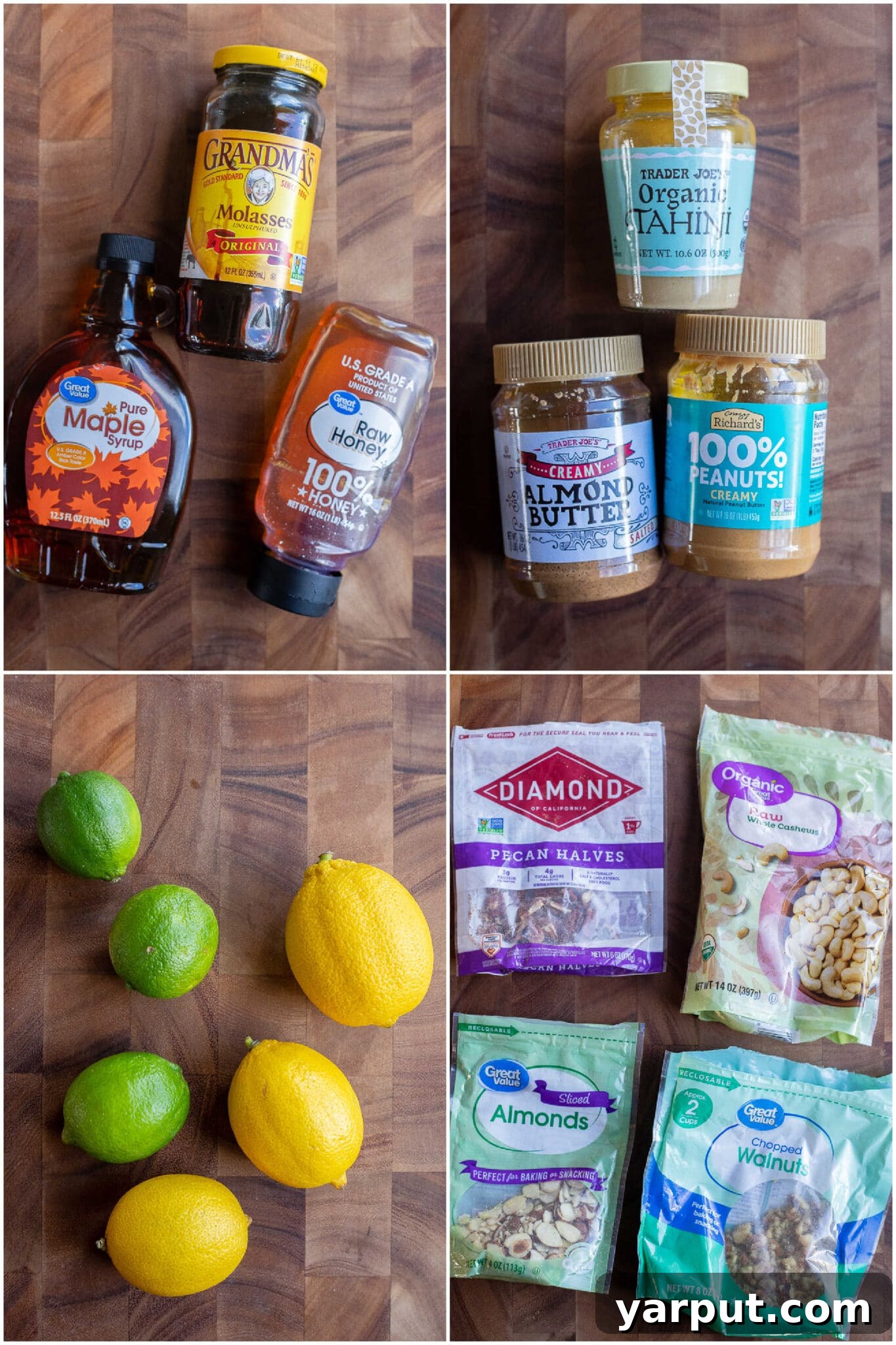
Nuts and Seeds: Crunchy Goodness and Healthy Fats
Beyond being excellent for healthy snacking, nuts and seeds are incredibly versatile culinary additions. I keep a generous supply of mixed nuts and various seeds (like chia, flax, pumpkin, and sunflower seeds) on hand. They are powerhouses of protein, healthy fats, and fiber.
Incorporate them into salads for crunch, bake them into breads and muffins, blend them into pestos and sauces, or use them as a textural garnish for almost any dish. Peanuts, almonds, walnuts, cashews, and pecans are among the most popular choices, offering distinct flavors and nutritional profiles.
Nut Butters and Seed Butters: Creamy Protein Boosters
Nut and seed butters are fantastic sources of plant-based protein and healthy fats, making them essential for sandwiches, smoothies, sauces, and baking. My preference is for varieties with no added sugar, and I sometimes even enjoy making my own.
Peanut butter and almond butter are classics, but the market now offers a wide array, including cashew butter, hazelnut butter, pistachio butter, and even sunflower seed butter (sun butter) for those with nut allergies. Tahini, a sesame seed butter, is another incredibly versatile ingredient, foundational to hummus, dressings, and savory sauces, lending a rich, earthy flavor.
Maple Syrup & Honey: Natural Sweeteners
Pure maple syrup is my preferred liquid sweetener. Its distinct flavor is superb in baking, salad dressings, sauces, and, of course, drizzled over pancakes and waffles. It offers a unique taste that granulated sugars cannot replicate.
Honey, date paste, agave syrup, and molasses are other liquid sweeteners that can often be used interchangeably depending on the desired flavor and consistency. Honey provides floral notes, while molasses offers a deep, robust sweetness.
Lemons and Limes: Citrus Brightness
While not strictly shelf-stable in the long term, lemons and limes are consistently present in my kitchen due to their incredible versatility and long-lasting freshness compared to many other fresh items. These budget-friendly citrus fruits infuse a refreshing, tart brightness into countless dishes. I strongly advocate for using fresh lemons and limes over bottled juices for their superior flavor and aroma.
Lemons, especially, are a frequent flyer in my recipes—from a squeeze in water to lemon-flavored baked goods, and homemade salad dressings. Their acidity is perfect for balancing rich flavors, brightening vegetables, and adding zing to marinades and sauces.
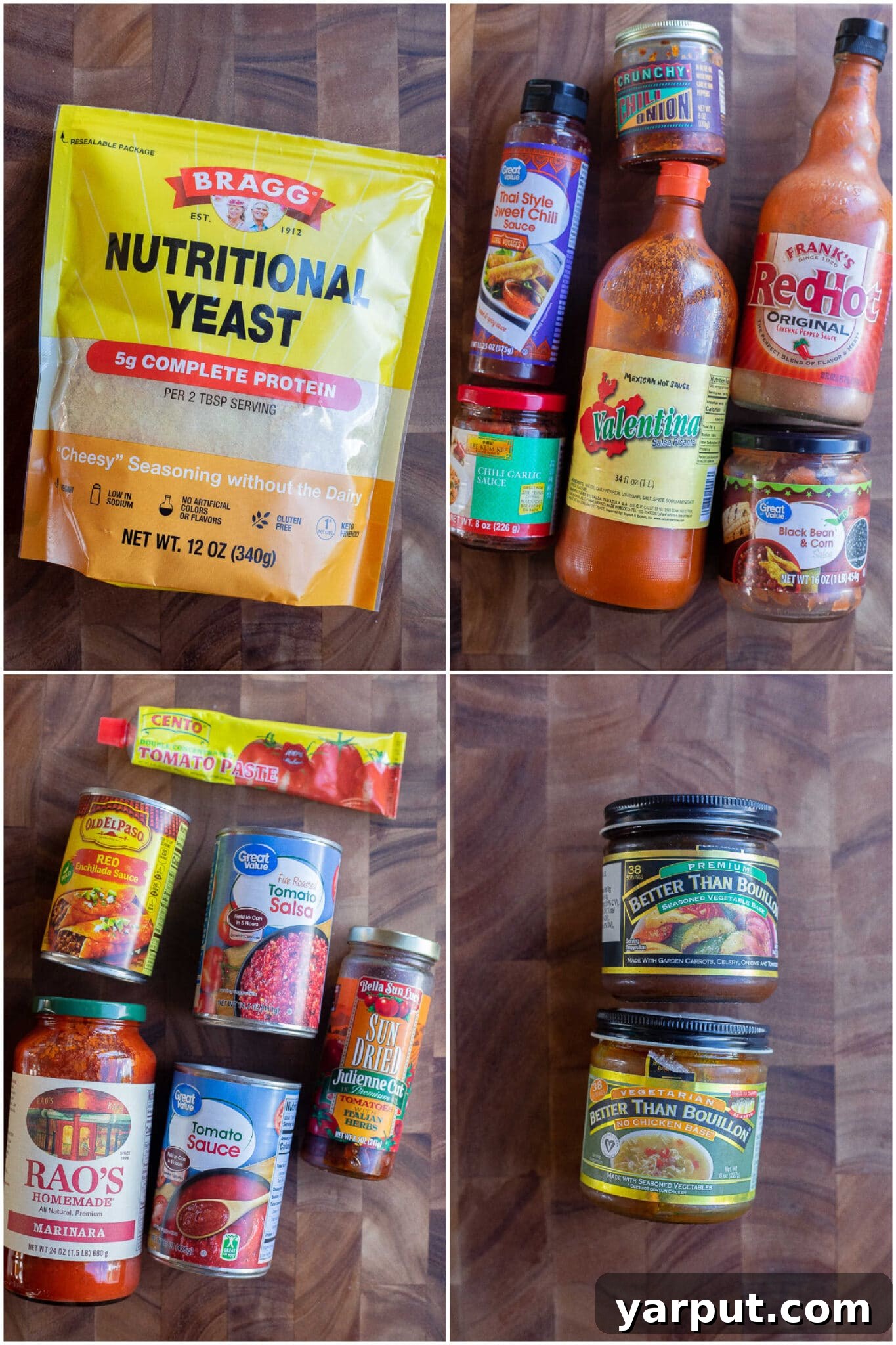
Nutritional Yeast: The Vegan “Cheesy” Flavor
A staple in virtually all vegan kitchens and a strong contender in vegetarian ones, nutritional yeast is a deactivated yeast known for its distinct “cheesy” flavor, texture, and color. It’s a fantastic condiment and ingredient for adding savory depth and a dairy-free cheese alternative to dishes. I sprinkle it on pasta, popcorn, pizza, and incorporate it into sauces, dips, and vegan cheese recipes.
Tomato Sauce & Canned Tomatoes: Red Gold Essentials
Canned tomato products are non-negotiable for a vegetarian pantry. They are the base for countless sauces, stews, soups, and casseroles. My pantry always holds a variety:
- Jarred Marinara Sauce: A convenient option for quick pasta dishes.
- Tomato Sauce: A smooth base for many recipes.
- Crushed Tomatoes: Offers a slightly chunkier texture than sauce, great for robust dishes.
- Diced Tomatoes: Perfect for adding texture to chili, stews, and vegetable bakes.
- Tomato Paste: A concentrated flavor booster, essential for adding deep umami to sauces.
- Whole Canned San Marzano Tomatoes: Highly prized for their sweet flavor and tender texture, ideal for making premium sauces from scratch.
Vegetable Broth: Flavorful Liquids
Vegetable broth is a cornerstone for adding flavor and moisture to soups, stews, grains, and sauces. I predominantly use a vegetable broth concentrate, which offers significant cost savings and reduced packaging compared to cartons. This concentrated version lasts a long time in the refrigerator and delivers excellent depth of flavor. While a regular vegetable-flavored broth is my standard, I occasionally keep a vegetarian “chicken-flavored” broth for specific recipes.
Beyond being a soup base, broth can be used instead of water when cooking grains like rice or quinoa to infuse extra flavor, or enjoyed as a comforting, healthy drink when feeling under the weather.
Salsa & Hot Sauce: Spicy Zest
Though distinct, salsa and hot sauce both bring vibrant heat and flavor to the table. Salsa, typically tomato-based with added vegetables and spices, is fantastic for dipping, but also shines as a cooking ingredient in dishes like veggie burgers, where it adds moisture, flavor, and binding properties.
Hot sauce, often vinegar-based, delivers a tangy heat that can instantly elevate sauces, dressings, marinades, and even scrambled eggs. Having a variety of hot sauces allows you to customize the spice level and flavor profile of your meals.
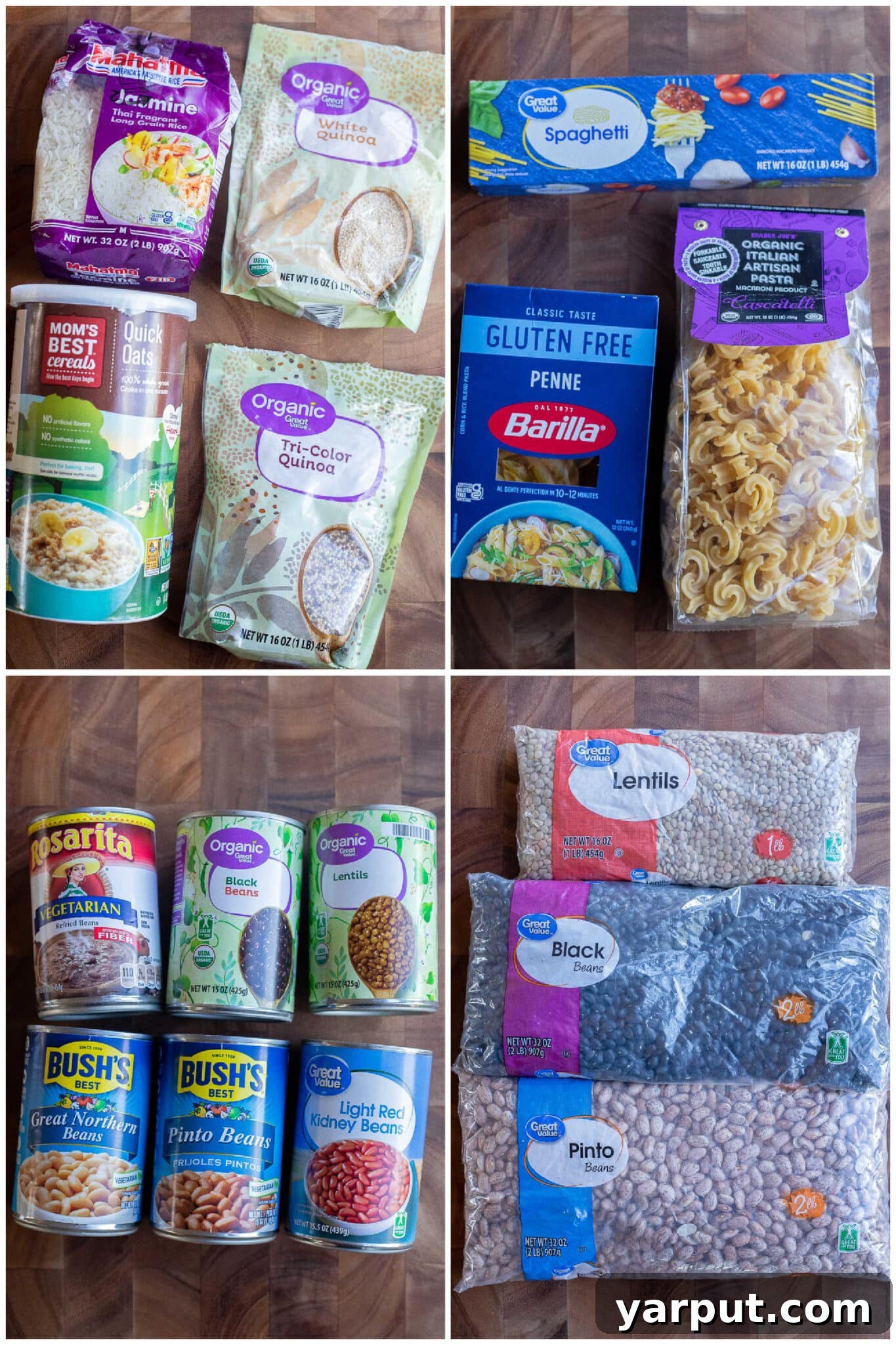
Carb Cornerstones & Protein Powerhouses: Grains, Legumes & More
Grains: The Foundation of Many Meals
Grains are vital for healthy vegetarian eating, serving as versatile side dishes, salad bases, or hearty additions to bowls. They provide essential nutrients, with whole grains offering the added benefits of bran and germ, which are rich in fiber and micronutrients, unlike refined grains that have been milled.
My most common grains include: rice (white, brown, wild), quinoa (a complete protein), oats (for breakfast and baking), millet, and sorghum. Other excellent choices are bulgur, barley, rye, amaranth, freekeh, and farro. While I typically buy dried grains and cook them fresh, pre-cooked packaged or frozen grains are convenient for quick meals.
Pasta: An Affordable Crowd-Pleaser
Pasta is a universal staple, cherished for its affordability, ease of preparation, and broad appeal. I maintain a variety of shapes and sizes, primarily refined wheat flour pasta, but I’m actively integrating more whole grain options into my diet for added nutritional value.
The market now offers an exciting range of healthier, gluten-free pastas made from chickpeas, corn, rice, quinoa, lentils, and peas, providing excellent alternatives. Couscous, particularly the small variety, is also a favorite for quick and easy side dishes, soaking up flavors beautifully.
Beans (Dried and Canned): Vegetarian Protein Kings
As a vegetarian, beans are arguably among the most frequently used ingredients in my kitchen. They are an incredible source of plant-based protein and fiber, versatile enough for soups, salads, dips (like hummus), chilis, and vegetarian burgers. While many prefer the convenience of canned beans, cooking dried beans from scratch offers superior flavor and texture, often at a lower cost.
My essential bean varieties include: pinto beans, black beans, white beans (cannellini, navy), lentils (brown, green, red), black-eyed peas, kidney beans, garbanzo beans (chickpeas), soybeans (edamame), green beans, and peas. For occasional variety, lima beans, anasazi beans, mung beans, cranberry beans, and adzuki beans are excellent additions.
Tortillas: Wraps and More
Both flour and corn tortillas are regular residents in my pantry. Flour tortillas are perfect for burritos, quesadillas, and wraps, providing a soft, pliable base. Corn tortillas are my go-to for authentic tacos, homemade chips, and layering into Mexican-inspired casseroles, offering a distinct flavor and firmer texture.
Bread: The Everyday Comfort
Bread comes in countless forms and is a constant presence in most households. From sandwich bread, pita bread, bagels, and English muffins to various buns, having a few different varieties on hand ensures options for breakfast, lunch, and snacks. It’s a fundamental carbohydrate that supports many quick and satisfying meals.
Tea & Coffee: Morning Rituals & Evening Comforts
While I’m not a coffee drinker, my husband certainly is, ensuring a fresh supply in our home. My personal preference leans towards a fully stocked tea cupboard, with hot and iced herbal teas dominating, and green tea being a particular favorite. These beverages offer comfort, energy, or relaxation, making them essential daily staples.
Baking Staples: Sweet Treats and Leavened Goods
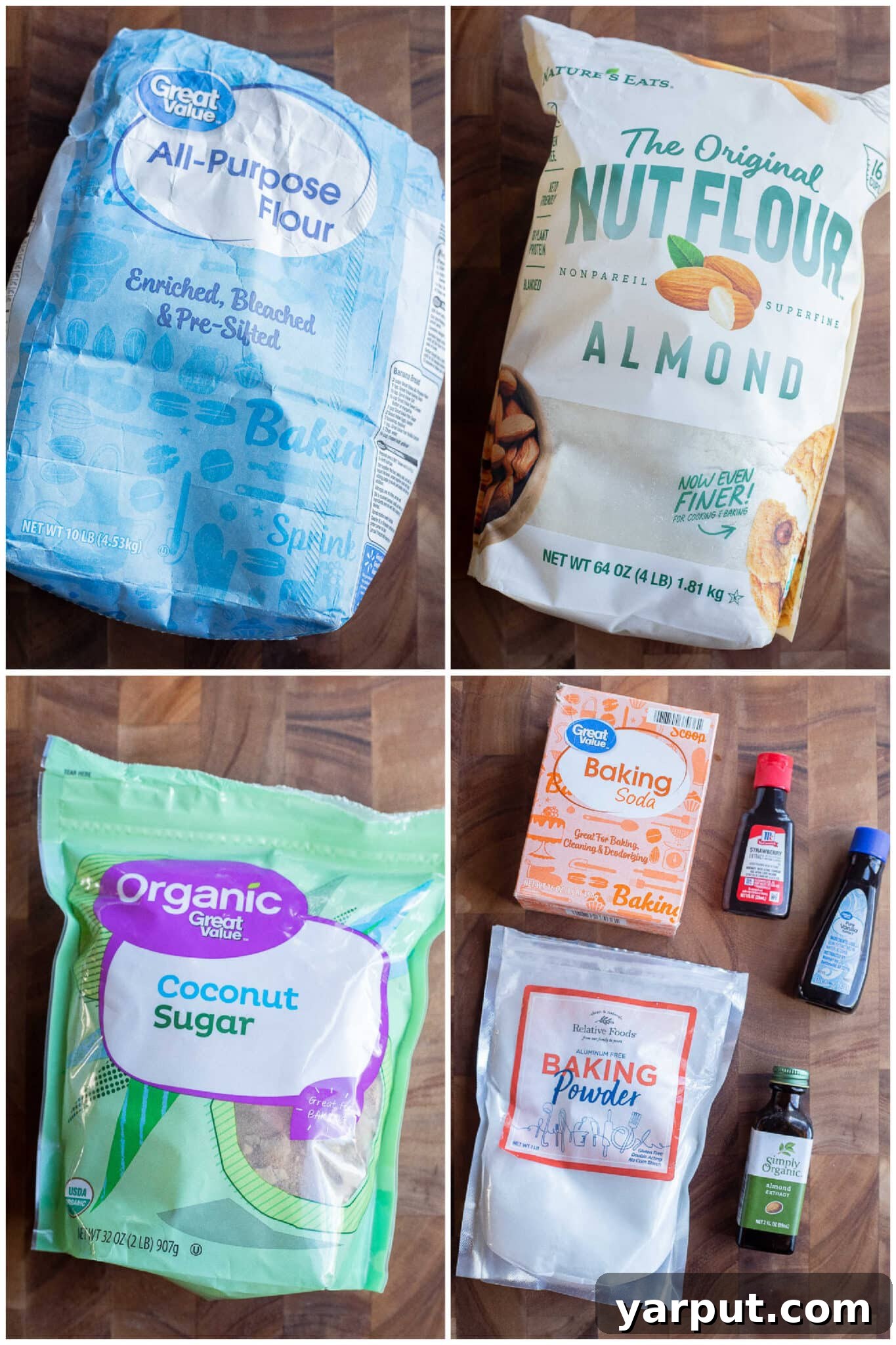
Flour: The Foundation of Baked Goods
The world of flours has expanded significantly. My primary choices include all-purpose white flour, but I regularly incorporate whole wheat flour for added nutrition, self-rising flour for convenience, and almond flour for specific textures and gluten-free baking. For those with gluten sensitivities, many excellent gluten-free flour blends are available.
Other specialized flours that can broaden your baking repertoire include coconut flour, semolina, bread flour, cake flour, pastry flour, barley flour, buckwheat flour, and rice flour.
Sugar & Sweeteners: Balancing Flavors
A variety of sugars and sweeteners are essential for baking and balancing flavors. I typically keep white cane sugar, brown sugar (light and dark), powdered sugar (confectioners’ sugar), and coconut sugar. I often try to use coconut sugar or organic cane sugar in my baking for a slightly less refined option.
Each type offers distinct characteristics: white sugar for crispness, brown sugar for moisture and molasses notes, powdered sugar for glazes and dusting, and coconut sugar for its caramel-like flavor.
Baking Powder & Baking Soda: Leavening Agents
These two leavening agents are non-negotiable for most baked goods. Many recipes call for both, while others rely on just one, reacting with acids or heat to create lightness and lift. I exclusively purchase aluminum-free baking powder, as I find it offers a cleaner taste. Ensuring these staples are fresh is crucial for successful baking results.
Extracts: Concentrated Flavor Boosters
Extracts provide highly concentrated flavors, primarily used in baking and desserts. Vanilla extract is the undisputed star, but a range of other flavors can enhance your creations, including almond, maple, strawberry, lemon, anise, chocolate, coffee, and coconut. I typically keep vanilla, almond, and maple extract on hand, with vanilla being the most frequently used.
Refrigerated Essentials: Freshness and Perishables
Mayonnaise: Creamy Richness
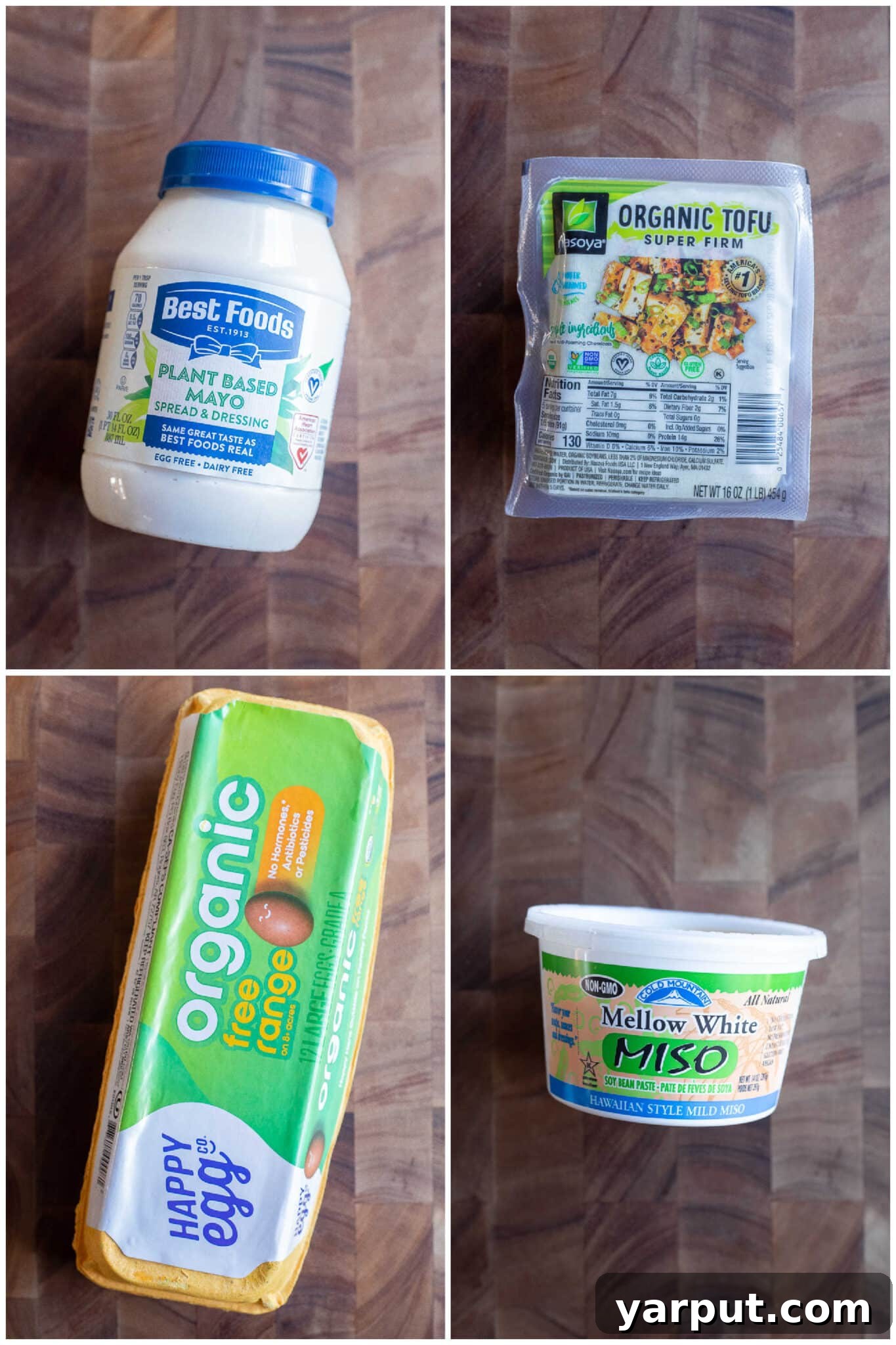
While not universally loved, mayonnaise is a fantastic ingredient for adding richness and binding power to dressings, sauces, and salads (like chickpea salad or potato salad). I often opt for plant-based mayo due to its taste preference. For those who avoid mayo, plain yogurt can often serve as a lighter, tangier substitute.
Miso Paste: Umami Depth
Miso paste, a traditional Japanese seasoning made from fermented soybeans, comes in varieties like white (shiro), yellow (shinshu), and red (aka), each with different intensities. While not an everyday ingredient for me, I appreciate its complex umami flavor when needed. It’s a foundational ingredient in Asian cooking, perfect for making a savory broth, and excellent for adding a salty, earthy depth to sauces, dressings, and even vegetarian pesto.
Eggs: Versatile Vegetarian Protein
Eggs are a versatile and nutrient-dense vegetarian staple, packed with protein and essential vitamins. They serve multiple roles in the kitchen: as a quick breakfast (hard-boiled, scrambled, fried), a binder in baked goods, or an emulsifier in sauces. I frequently enjoy them for breakfast and use them in most of my baking and as a binder in recipes like my vegetarian meatballs. For those who avoid eggs, numerous plant-based substitutes are available for both cooking and baking.
Tofu & Tempeh: Plant-Based Protein Heroes
Tofu and tempeh, both derived from fermented soybeans, are excellent sources of plant-based protein. Tofu, with its mild flavor and varying textures (from silken to extra-firm), is incredibly versatile and readily absorbs marinades and seasonings. I almost exclusively use extra-firm or super-firm tofu for its meaty texture and ability to hold shape in stir-fries, scrambles, and baked dishes.
Tempeh, with its nuttier, firmer texture, is also highly nutritious. While I personally use tofu more often, both can typically be interchanged in recipes that call for a solid plant-based protein.
Yogurt: Creamy & Probiotic-Rich
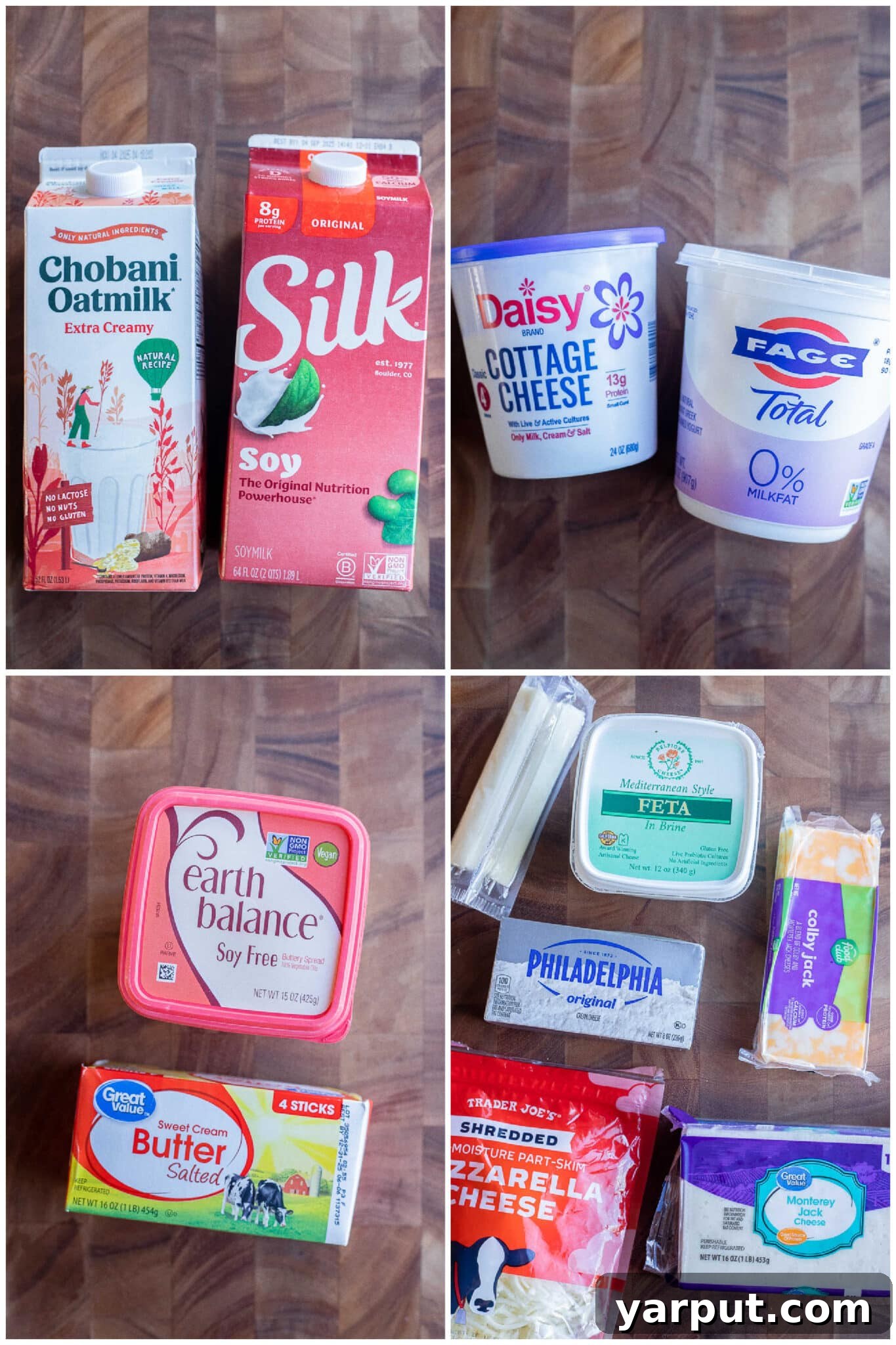
Plain, non-fat Greek yogurt is a versatile refrigerated staple in my home. Its creamy texture and tangy flavor make it perfect for smoothies, dressings, marinades, baking, or as a healthier substitute for sour cream. I also incorporate dairy-free yogurts (like almond or oat-based) for specific recipes or dietary needs, offering similar versatility.
Butter: Richness and Flavor
Butter, whether dairy or a plant-based substitute like Earth Balance, adds incomparable richness and flavor to cooking and baking. While some recommend salted butter for cooking and unsalted for baking, I often use salted butter for both. Softened butter is ideal for creaming in baking, while melted butter serves different purposes. In many recipes, oil can be substituted for butter, depending on the desired outcome.
Cheese: Protein and Calcium Boost
Cheese is a fantastic source of protein and calcium, especially valuable in a vegetarian diet. With countless varieties and flavors, it adds incredible depth to meals. My go-to cooking cheeses include cheddar, Monterey Jack, mozzarella, feta, and goat cheese. I prefer buying blocks of cheese and grating them myself for better flavor and texture, though pre-shredded and pre-sliced options offer convenience. String cheese is also a frequent snack, providing a quick protein boost throughout the day.
Milk (Dairy & Plant-Based): Everyday Versatility
A variety of milks are essential for both drinking and culinary applications. While my son enjoys whole dairy milk, I frequently use plant-based alternatives like almond milk, oat milk, and soy milk in most of my recipes. These provide neutral or complementary flavors for smoothies, sauces, baking, and cereals.
Canned coconut milk is another crucial staple, particularly for Asian-inspired dishes. Its rich, creamy texture and distinct coconut flavor are perfect for curries, creamy sauces, and occasional baking, adding a luxurious mouthfeel.
The Vegetable Powerhouse: Fresh, Frozen & Shelf-Stable
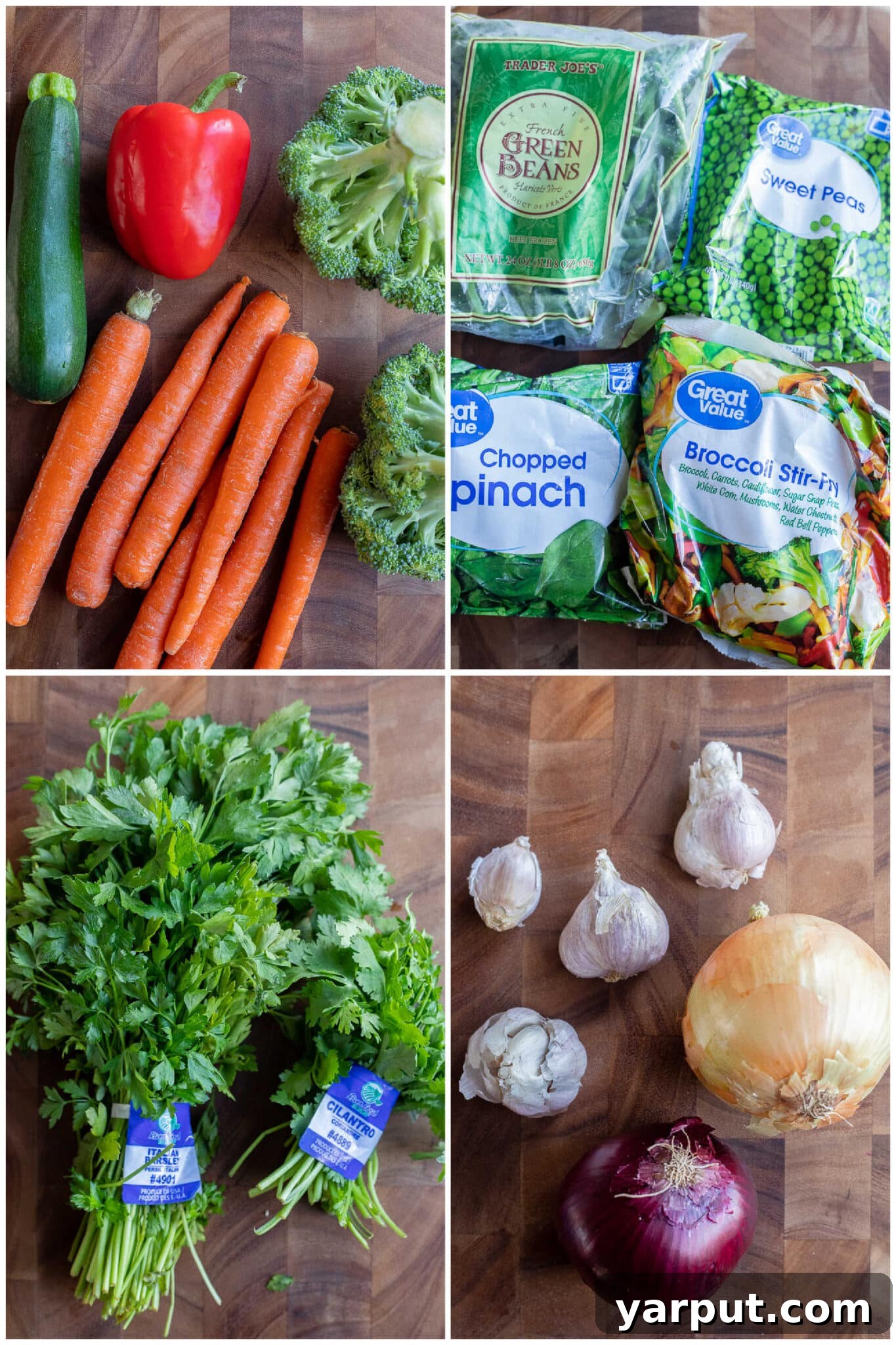
Although vegetables have varying shelf lives, they are undeniably staples in a vegetarian kitchen. I decided to dedicate a separate section to them because they form the bulk of my daily cooking. The key is to keep a consistent stock of the vegetables you use most frequently, ensuring fresh, vibrant meals.
Garlic & Onion: The Aromatic Foundation
Garlic and onion, both members of the allium family, are the fundamental aromatic bases for almost every savory dish. They provide depth, pungency, and sweetness when cooked. Garlic can be enjoyed raw (though potent) or cooked, with its flavor mellowing and sweetening. I use it in dressings, dips, soups, and stir-fries. I highly recommend using fresh garlic and mincing it yourself for superior flavor over pre-minced store-bought versions.
Onions come in several varieties, most of which I use interchangeably. White and yellow onions are excellent for cooking, while red onion adds a sharp, vibrant kick to fresh salads. To temper raw red onion’s intensity, a brief soak in ice water can work wonders.
Fresh Herbs: Vibrant Flavor & Garnish
Alongside dried spices, fresh herbs are indispensable for adding bright, earthy flavors and beautiful garnishes. My most frequently used fresh herbs include cilantro, parsley, mint, and green onions. I either cultivate them in my summer garden or purchase them weekly from the grocery store. They elevate the freshness of any dish, from salads to tacos to grain bowls.
Refrigerated Vegetables: Crisp & Ready
A consistent supply of refrigerated fresh vegetables is key for healthy vegetarian meals. My go-to list includes celery, various types of lettuce, cabbage, carrots, broccoli, asparagus, cucumbers, and mushrooms. These can be used in salads, stir-fries, roasted dishes, or as crunchy snacks.
Shelf-Stable Vegetables: Long-Lasting Goodness
Certain vegetables are naturally shelf-stable and can be stored outside the refrigerator for longer periods. These include bell peppers, potatoes, sweet potatoes, tomatoes (until very ripe), winter squash (like butternut or acorn), onions, and garlic. Zucchini, while often refrigerated, also has a decent shelf life on the counter if used promptly.
Frozen Vegetables: Convenience & Year-Round Access
Frozen vegetables are a lifesaver for convenience and ensuring a supply of produce year-round, regardless of seasonality. My freezer is typically stocked with frozen green beans, corn, peas, edamame, and various stir-fry mixes. They are ideal for quick additions to soups, stews, casseroles, and stir-fries, requiring minimal preparation.
Building a well-curated vegetarian pantry is an investment in your health, your budget, and your culinary creativity. This list is designed to empower you to cook delicious, plant-based meals with confidence and ease. Start by stocking up on the items you use most, and gradually expand your collection as your cooking adventures evolve. Happy cooking!