
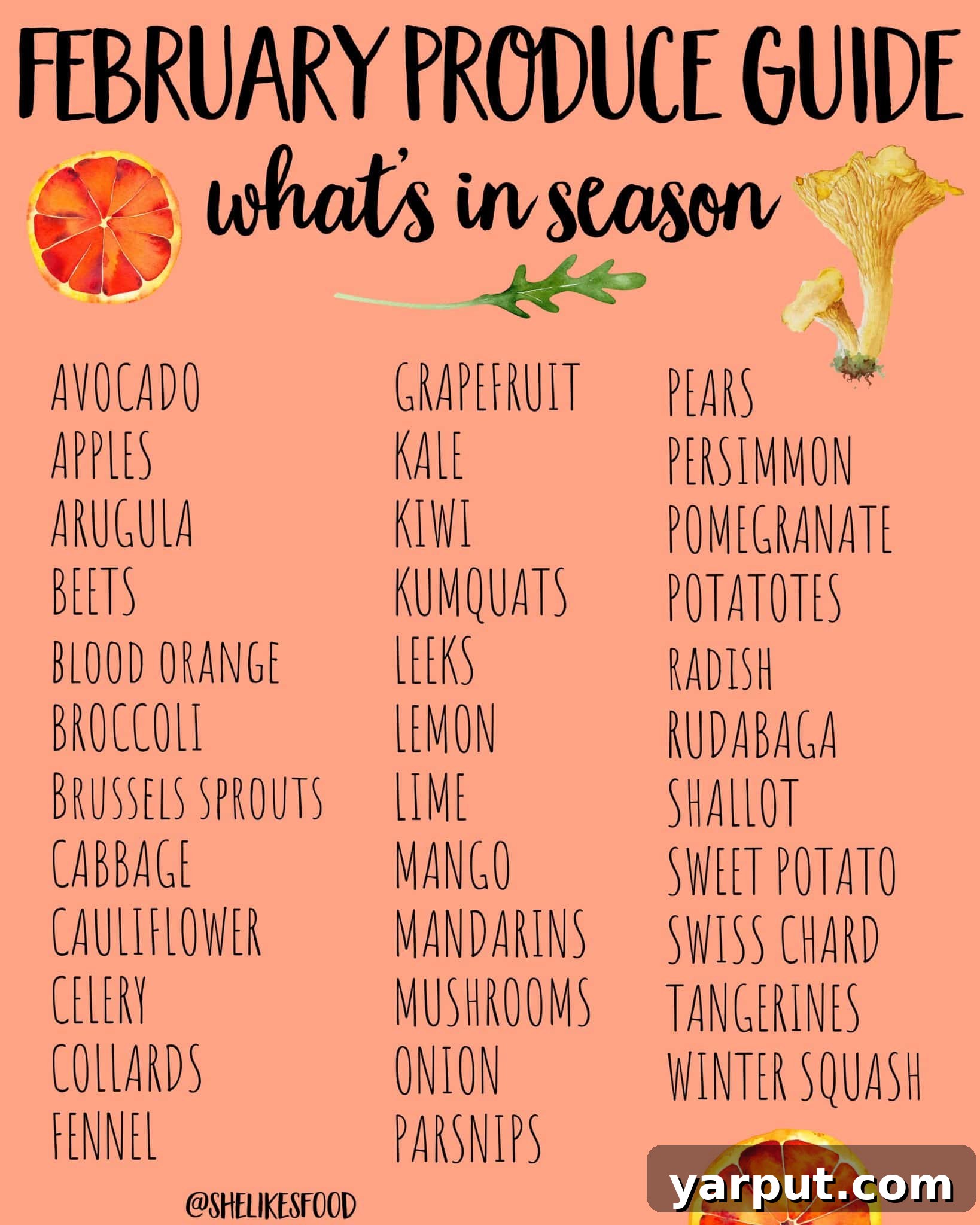
February arrives bringing with it the tail end of winter’s chill, yet hinting at the promise of warmer days to come. Our bodies naturally crave comforting, hearty dishes like warming soups and stews, but also begin to yearn for a touch of fresh vitality. This inclination towards seasonal eating is deeply rooted in human history, reflecting how our ancestors thrived on what nature provided. While modern grocery stores offer year-round access to global produce, aligning our diets with the seasons still offers unique benefits—from enhanced flavor and nutrition to supporting local economies and reducing environmental impact. Embracing what’s in season allows us to savor fruits and vegetables at their peak, providing exactly what our bodies need during these transitional months. I invite you to explore this February Produce Guide and rediscover the delicious potential of winter’s bounty!
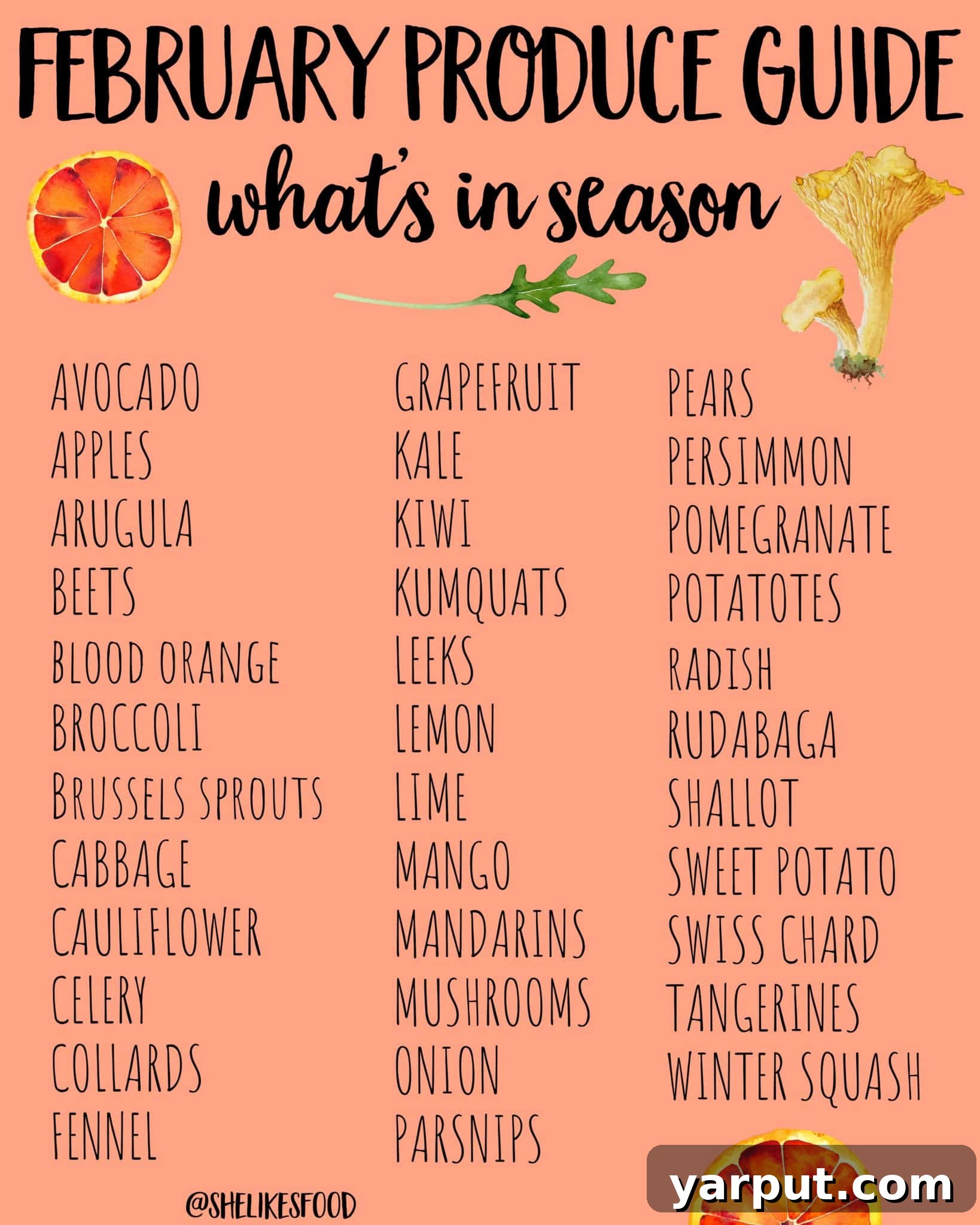
Welcome to your essential February Produce Guide! As you might notice, many of the stars from January’s guide continue to shine, a testament to the enduring resilience of winter’s harvest. While late February might surprise us with a few early spring greens, the focus remains firmly on nourishing, robust winter vegetables and the vibrant, immune-boosting power of citrus fruits. These cold-weather crops, though perhaps less overtly flashy than summer’s abundant offerings, hold a unique charm and provide crucial nutrients during the colder months.
In today’s globalized food market, we’re fortunate to access nearly any produce at any time. However, choosing seasonal foods like hearty winter squash and zesty citrus not only often means superior flavor and better value, but also instinctively provides the nutritional support our bodies crave during this specific time of year. Eating with the seasons connects us to nature’s rhythm and offers a palate-cleansing experience as we anticipate spring.
Below, I’ve highlighted some of my favorite February produce items. For each, you’ll find insights into their nutritional benefits, versatile culinary applications, and links to delicious recipes to inspire your cooking adventures. Get ready to embrace the freshest flavors of the season!
February Seasonal Produce Guide: What’s Fresh This Month
APPLES
While many of us typically associate apples with the crisp air and vibrant colors of autumn, several late-season varieties truly shine in February. Cultivars like Honeycrisp, Braeburn, and Cortland are often at their best, offering fantastic flavor and texture even in the heart of winter. When selecting apples, look for firm, smooth skin and a fresh, appealing aroma. Store them in a cool, dark place or in the refrigerator to extend their crispness and flavor.
The timeless adage, “An apple a day keeps the doctor away,” speaks volumes about their impressive health benefits. Apples are a remarkable source of dietary fiber, particularly pectin, which aids digestion and promotes gut health. They are also rich in Vitamin C, a powerful antioxidant that supports immune function, and various polyphenols and flavonoids like quercetin, known for their anti-inflammatory properties. Regular apple consumption can contribute to cardiovascular health by helping to lower LDL (bad) cholesterol levels and manage blood sugar.
Apples are incredibly versatile in the kitchen, bridging the gap between sweet and savory dishes with ease. Their natural sweetness and satisfying crunch make them perfect for baking into comforting oatmeal, muffins, pies, or crisps. They also lend a refreshing contrast to savory recipes like salads, stuffings for poultry, or even paired with sharp cheeses. Whether enjoyed raw as a quick snack or cooked into a complex dish, apples add a delightful dimension to any meal.

ARUGULA
Arugula, also known as rocket, is a leafy green belonging to the mustard family, alongside other popular cruciferous vegetables. It’s highly prized for its distinctive, peppery, and slightly bitter flavor profile, which adds an exciting zing to any dish. A little goes a long way with this vibrant green, capable of elevating simple recipes with its bold taste. When choosing arugula, look for crisp, green leaves without any wilting or yellowing. Store it in the refrigerator in a loose bag or container to maintain freshness.
This leafy powerhouse is not just about flavor; it’s also packed with nutrients. Arugula is an excellent source of Vitamin K, crucial for blood clotting and bone health, and Vitamin C, an essential immune booster. It also provides folate, calcium, and potent antioxidants, contributing to overall well-being and helping to combat oxidative stress. Its low calorie count and high nutrient density make it a fantastic addition to a healthy diet.
Arugula is most commonly enjoyed raw, where its peppery notes truly shine. It makes a fantastic base for salads, a vibrant addition to sandwiches and wraps, or a fresh topping for pizzas and pastas once they’re off the heat. While often preferred raw, arugula can also be gently wilted, similar to spinach or kale, and incorporated into warm dishes like stir-fries or alongside roasted vegetables. Its ability to add a fresh, pungent flavor makes it a favorite for those seeking a salad green with more character.
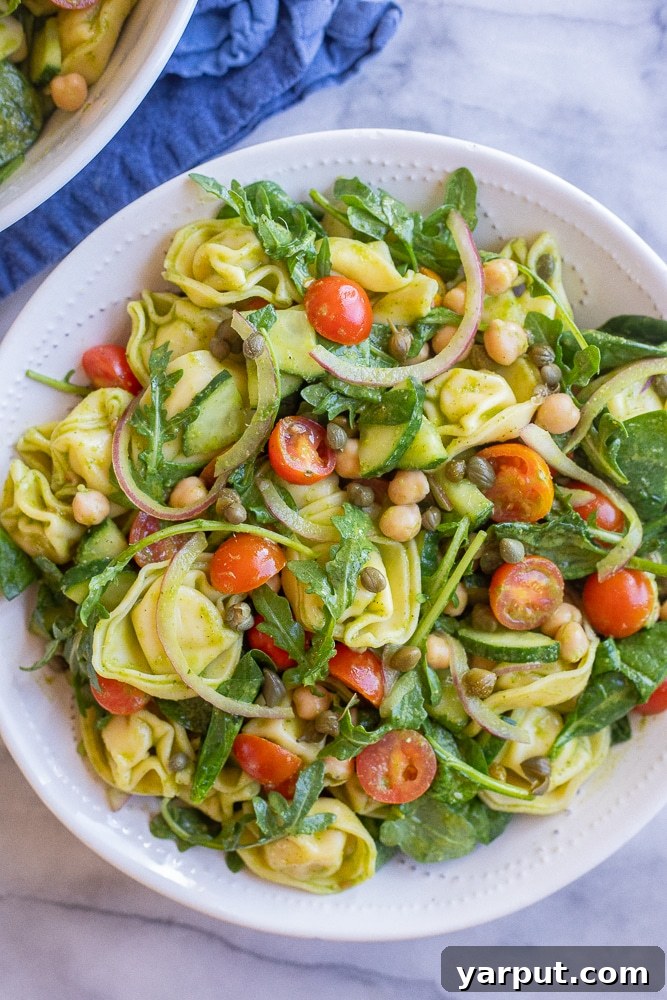
Arugula Tortellini Salad with Garlic Herb Dressing
Basil and Roasted Garlic Flatbread with Arugula
Tahini Balsamic Pasta Salad with Arugula
Balsamic Sweet Pepper and Boursin Sandwiches
Roasted Carrot and Chickpea Salad with Arugula
BEETS
Beets are striking root vegetables, recognized for their beautiful array of colors, from the familiar deep, vibrant red to the milder, earthy golden and even candy-striped varieties. Beyond the bulb, the leafy greens of beets are also edible and highly nutritious, often cooked like Swiss chard or spinach. When selecting beets, choose firm, smooth roots with healthy, attached greens if available. Store beets in the refrigerator, separating the greens from the roots to prolong their shelf life.
These root vegetables are nutritional powerhouses, particularly celebrated for their high content of phytonutrients, which are naturally occurring plant compounds that help protect cells from damage and support various bodily functions. Beets are especially rich in betalains, potent antioxidants and anti-inflammatory compounds that give red beets their unique hue. They are also a good source of dietary fiber, folate (important for cell growth and function), Vitamin C, and nitrates, which can help improve blood flow and lower blood pressure.
Beets boast a unique earthy flavor with a subtle sweetness, making them incredibly versatile in both raw and cooked applications. Thinly sliced or grated raw beets add a colorful crunch and nutritional boost to salads, like the one featured below. They can be roasted to bring out their sweetness, boiled until tender, steamed, or even pickled for a tangy condiment. Beets are also fantastic in smoothies, juices, and even unexpected desserts, adding moisture and natural color. Don’t forget to utilize the nutrient-rich beet greens in stir-fries or sautés!
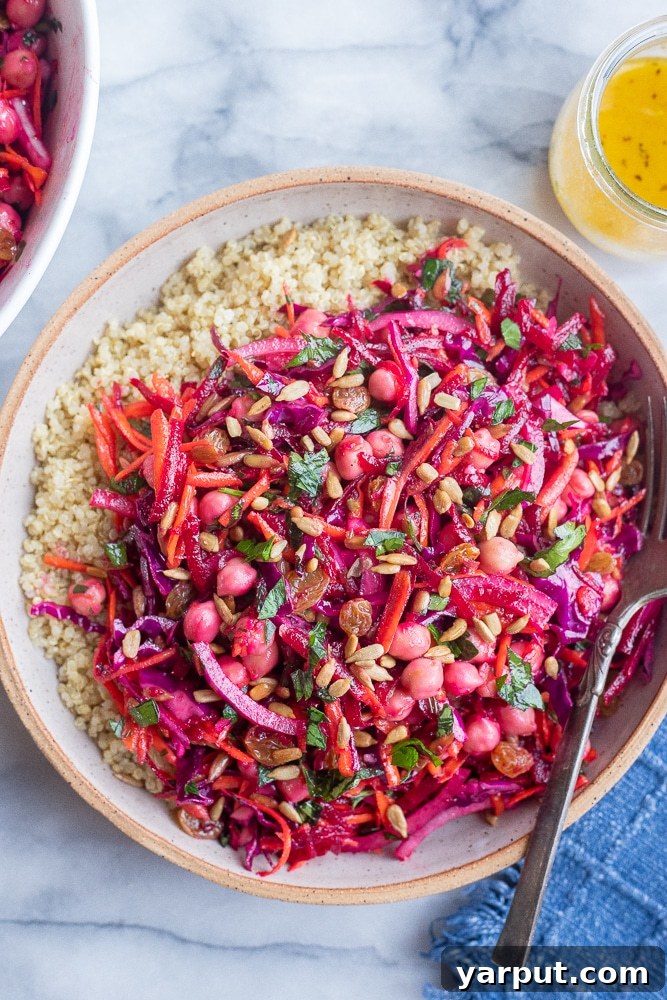
Beet and Carrot Salad with Chickpeas
Goat Cheese Beet and Balsamic Puff Pastry Bites
Beet and Cherry Smoothie
Vegan Beet Burgers with Brown Rice
Roasted Beet Chickpea and Black Rice Bowls
Healthier Chocolate Cupcakes with Raspberry and Beets
BROCCOLI
Broccoli is a beloved cruciferous vegetable, a member of the diverse mustard family that also includes cabbage, Brussels sprouts, and kale. While there are a few varieties, Calabrese broccoli, with its sturdy green stalks and tight florets, is the most common and widely consumed in the United States. When selecting broccoli, look for firm stalks and compact, dark green florets without any yellowing. Store it in the refrigerator to maintain its crispness.
Often hailed as a “superfood,” broccoli is truly a powerhouse of nutrition, offering an impressive array of health benefits. It’s particularly rich in Vitamin C, providing almost as much as an orange per cup, which is vital for immune support and skin health. Broccoli is also an excellent source of Vitamin K, crucial for bone metabolism and blood clotting, and a good source of dietary fiber, promoting healthy digestion. Furthermore, it contains unique compounds like sulforaphane, known for its potential anti-cancer properties and ability to support the body’s detoxification processes, as well as numerous antioxidants that combat inflammation.
Broccoli’s mild, slightly bitter flavor makes it highly adaptable to various cooking methods. It can be enjoyed raw, finely chopped and added to salads for a satisfying crunch, or with dips as a healthy snack. For those who prefer it cooked, steaming preserves its nutrients and vibrant color, while roasting caramelizes its natural sugars, deepening its flavor. It also excels in stir-fries, sautés, and as an ingredient in soups or casseroles. From simple side dishes to complex culinary creations, broccoli consistently delivers both nutrition and taste.

Chili Garlic Broccoli with Chickpeas
Tahini Roasted Broccoli
Crunchy Broccoli Salad with Maple Mustard Dressing
Veggie Packed Broccoli Cheddar Soup
Crunchy Baked Broccoli with Spicy Soy Sauce
Cheesy Broccoli Rice Casserole Bites
BRUSSELS SPROUTS
Brussels sprouts, resembling miniature cabbages, grow in clusters along a thick stalk, making them a distinctive sight in the produce aisle. For many years, these little greens suffered from a bad reputation, largely due to over-steaming which can release an unpleasant sulfurous odor. However, modern cooking techniques have transformed them into a culinary favorite, showcasing their delicious, slightly nutty flavor. When selecting, choose firm, tightly closed sprouts with vibrant green leaves. Store them in the refrigerator, ideally on the stalk if purchased that way, for maximum freshness.
Beyond their delightful taste, Brussels sprouts are packed with nutritional goodness. They are an outstanding source of Vitamin K, essential for blood clotting and bone health, and Vitamin C, a powerful antioxidant vital for immune system function. They also provide a significant amount of dietary fiber, aiding in digestion and promoting satiety, along with folate, manganese, and various glucosinolates, compounds studied for their potential anti-cancer properties. These nutrient-dense vegetables make a fantastic addition to any health-conscious diet.
The key to delicious Brussels sprouts lies in proper preparation. While they can be enjoyed raw, thinly shaved and added to salads or slaws for a crisp, peppery bite, their true magic often emerges with cooking. Roasting them at high temperatures until caramelized and slightly crispy brings out their natural sweetness and softens their texture beautifully. Sautéing, grilling, or even air-frying are also excellent methods. If steaming, ensure not to overcook and always season generously with salt, pepper, and perhaps a touch of lemon or balsamic glaze to enhance their flavor.

Roasted Brussels Sprout Bowls with Honey Mustard Dressing
Lemon Pepper Roasted Brussels Sprouts
Shaved Brussels Sprout Salad
Easy Roasted Vegetable Pasta with Parmesan
BBQ Roasted Brussels Sprouts
CABBAGE
Cabbage is a humble yet incredibly versatile vegetable, a staple in cuisines around the world and another proud member of the expansive mustard family, alongside kale and Brussels sprouts. While green cabbage is arguably the most common and widely used variety in North America, red (purple) cabbage adds a vibrant splash of color and slightly peppery notes, while Napa and Savoy cabbages offer softer textures and milder flavors. When choosing cabbage, look for heads that are firm and heavy for their size, with tightly packed leaves. Store it whole in the refrigerator for weeks.
Despite its affordability, cabbage is a nutritional powerhouse. It’s an excellent source of Vitamin C, bolstering the immune system, and Vitamin K, crucial for blood clotting and bone health. Cabbage also provides a significant amount of dietary fiber, promoting digestive regularity and gut health. Moreover, it contains various antioxidants and anti-inflammatory compounds, including sulforaphane, similar to broccoli, which are being studied for their potential protective effects against certain chronic diseases.
Cabbage is incredibly adaptable to a wide range of culinary applications. It is perhaps most famously enjoyed raw, finely shredded into crisp coleslaws or incorporated into other chopped salads, where its texture and mild crunch are prized. However, cooking cabbage unlocks a different dimension of flavor. Roasting, sautéing, or braising cabbage until it softens and caramelizes brings out its natural sweetness, making for a delicious and comforting side dish. It’s also a fantastic addition to stir-fries, soups, stews, and can even be fermented into sauerkraut or kimchi, extending its shelf life and enhancing its probiotic benefits.
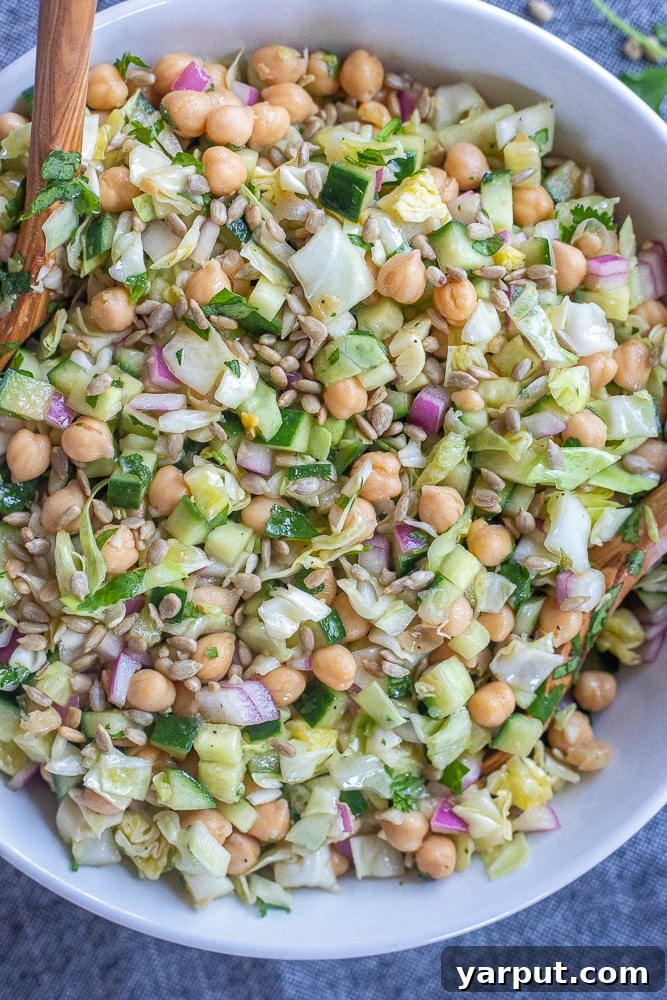
Fried Cabbage and Noodles with Tofu
Noodles with Cabbage and Carrots
Halloween Salad with Rice and Veggies
Chickpea Salad with Cucumber and Cabbage
Holiday Salad with Cabbage and Kale
CAULIFLOWER
Cauliflower, another versatile member of the cruciferous family, has truly shed its former reputation as broccoli’s bland cousin and has stepped into the culinary spotlight. While white cauliflower is the most common and widely available variety, you might also encounter vibrant purple, yellow, or even green types, each offering subtle variations in flavor but generally interchangeable in recipes. When selecting cauliflower, look for a clean, creamy white head (or vibrant color for other varieties) that is dense and firm, with no brown spots or discoloration. Store it loosely wrapped in the refrigerator.
This remarkable vegetable is not only low in calories but also rich in essential nutrients. Cauliflower is an excellent source of Vitamin C, a powerful antioxidant and immune system supporter, and Vitamin K, important for bone health. It also provides a good amount of dietary fiber, promoting digestive health, along with B vitamins like folate, and essential minerals. Furthermore, cauliflower contains unique plant compounds, including glucosinolates and isothiocyanates, which have been studied for their potential anti-cancer properties and anti-inflammatory effects.
Cauliflower’s neutral yet adaptable flavor and texture make it an incredibly versatile ingredient. It can be transformed in countless ways: roasted until tender and caramelized, steamed for a healthy side, mashed into a creamy alternative to potatoes, or even pureed into smooth soups. Its florets can be riced to create a low-carb grain substitute or cut into “steaks” for a hearty vegetarian main. One of my favorite preparations, as pictured below, involves coating florets in a crispy batter, baking them to perfection, and then tossing them in a flavorful sauce for a truly satisfying dish. Cauliflower’s ability to absorb flavors makes it a chef’s delight.

Crispy Teriyaki Cauliflower
Golden Roasted Cauliflower with Coconut Curry Tahini Dressing
Cauliflower Parmesan
Buffalo Cauliflower Tacos with Ranch Slaw
Vegetarian Cauliflower Fried Rice
KALE
Kale stands out as a true superfood among leafy greens, celebrated for its robust texture and incredible nutritional density. This hardy green thrives in colder temperatures, making it a perfect February harvest. It comes in several varieties, including the frilly curly kale, the flatter and darker Lacinato (or dinosaur) kale, and ornamental red or purple kale, each offering slightly different textures and nuances in flavor. Baby kale, a more tender version, has also gained popularity, offering a milder taste similar to baby spinach but with kale’s nutritional punch. When choosing kale, look for firm, crisp leaves and vibrant color. Store it unwashed in the refrigerator, wrapped in a damp paper towel or in a produce bag.
Kale’s reputation as a nutritional powerhouse is well-deserved. It is exceptionally rich in Vitamins K, A, and C, crucial for bone health, vision, and immune function, respectively. It also provides a significant amount of manganese, calcium, and potent antioxidants like quercetin and kaempferol, which have powerful anti-inflammatory and protective effects. Its high fiber content supports digestive health and can help regulate blood sugar levels, contributing to overall wellness.
Despite its sturdy nature, kale is surprisingly versatile and can be enjoyed both cooked and raw. For raw consumption in salads, a simple technique of “massaging” the leaves with a little olive oil or dressing helps to break down the tough fibers, making them tender and more palatable. This also enhances their flavor and allows them to absorb dressings more effectively. When cooked, kale wilts down quickly, making it an excellent addition to soups, stews, stir-fries, pasta dishes, or simply sautéed with garlic and a squeeze of lemon. It also makes delicious and healthy crispy kale chips!

The Best Kale Chips
Chopped Kale Power Salad with Lemon Tahini Dressing
Kale and White Bean Pasta with Parmesan
Garlicky Kale with White Beans and Lemon
Sunshine Kale Salad
LEMON
Lemons, those bright and zesty citrus fruits, are a true ray of sunshine during the winter months, being perfectly in season in February. Their vibrant acidity and refreshing aroma make them an indispensable ingredient in any kitchen, capable of transforming dishes with just a squeeze or a zest. I always ensure to have a steady supply on hand, incorporating them into everything from simple glasses of water to complex salads, comforting soups, and elegant pasta dishes. When selecting lemons, look for smooth, bright yellow skin that feels heavy for its size. Store them at room temperature for a week or two, or in the refrigerator for up to a month.
Beyond their culinary appeal, lemons are packed with health benefits. They are an outstanding source of Vitamin C, a powerful antioxidant that supports the immune system, promotes collagen formation for healthy skin, and aids in iron absorption. Lemons also contain flavonoids, plant compounds with antioxidant and anti-inflammatory properties. Their natural acidity can aid digestion and, when added to water, can encourage hydration, making them a simple yet effective tool for wellness.
Lemons are incredibly versatile, capable of being the star of a dish or a subtle enhancer. Their tangy freshness is perfect for balancing rich flavors, brightening up savory meals, and adding a delightful zing to desserts. Whether you’re squeezing fresh juice into homemade lemonade, whisking it into salad dressings, adding zest to baked goods, or finishing a savory sauce with a bright flourish, lemons consistently elevate the taste profile. They truly are a culinary workhorse, indispensable for their ability to add brightness and depth to nearly any recipe.

Homemade Blueberry Lemonade
Lemony White Bean Soup with Quinoa
Herby Lemon Jalapeno Pasta with Crispy Chickpea
Lemon Raspberry Baked Oatmeal
Lemon Dill Orzo Broccoli Salad
Lemon Tahini Chickpea Salad
POTATOES
Potatoes, a foundational staple in diets worldwide, are wonderfully diverse, with a plethora of varieties available, each suited for different culinary applications. From the fluffy Russet, ideal for baking and frying, to the creamy Yukon Gold, perfect for mashing, and the waxy Red and Fingerling potatoes, great for roasting, there’s a potato for every dish. I often reach for Russets for their versatility, but truly enjoy experimenting with all types. Potatoes are not only incredibly filling but also typically very affordable, making them a budget-friendly and satisfying ingredient.
Far from being just a carbohydrate, potatoes offer a surprising range of nutrients, especially when consumed with their skins on. They are an excellent source of potassium, an essential mineral for maintaining healthy blood pressure and fluid balance. Potatoes also provide Vitamin C, important for immune function, and Vitamin B6, which plays a role in brain health and metabolism. Their dietary fiber content, particularly in the skins, aids digestion and contributes to satiety, making them a nutritious part of a balanced diet.
The culinary possibilities with potatoes are virtually endless. They can be roasted to crispy perfection, fried into the universally loved French fries, baked whole with your favorite toppings, or mashed into a creamy, comforting side dish. I particularly love preparing mashed potatoes as a cozy accompaniment to a winter meal or browning them in a skillet with onions and spices for a hearty breakfast, as shown below. From simple side dishes to complex gratins, potatoes offer warmth, comfort, and versatility to any meal.

Crispy Potato Tacos
Seasoned Grilled Potato Wedges
Quick and Easy Home Fries
Creamy Vegan Mashed Potatoes
Cheesy Potato Taquitos
RADISHES
Radishes, charming members of the mustard family, are recognized for their crisp texture and peppery bite, adding a refreshing zest to winter meals. While the vibrant red globe radishes are the most commonly found in grocery stores, varieties like elongated French breakfast radishes, spicy daikon, and even black radishes offer a range of flavors and intensities. When selecting radishes, look for firm, smooth roots with healthy, bright green tops if present. Store them in the refrigerator, separating the greens to prevent moisture loss from the roots.
These small but mighty root vegetables are more than just a garnish; they’re packed with beneficial nutrients. Radishes are a good source of Vitamin C, supporting immune health and acting as an antioxidant. They also provide dietary fiber, aiding in digestion, and contain various plant compounds, including isothiocyanates, which are known for their detoxifying properties and potential anti-inflammatory effects. Their low calorie count and hydrating properties make them a light yet impactful addition to your diet.
Radishes are most frequently enjoyed raw, thinly sliced and tossed into salads, where their spicy crunch provides a welcome contrast. They can also be a delightful accompaniment to sandwiches or served with butter and sea salt for a simple, elegant snack. For a different culinary experience, radishes can be pickled, softening their texture and mellowing their sharpness into a tangy treat. Interestingly, roasting radishes also transforms their flavor; the heat reduces their characteristic bite, bringing out a subtle sweetness and a tender, almost potato-like texture, making them a versatile vegetable for various preparations.

Roasted Radishes with Garlic and Herbs
Veggie Sushi Bowls with Quick Pickled Radishes
Crunchy Ranch Salad with Crispy Quinoa
Loaded Black Bean Salad
Salt and Vinegar Potato Salad
Roasted Sweet Potato Black Bean Salad with Kale
SWEET POTATOES
Sweet potatoes, distinct from regular potatoes, are root vegetables cherished for their naturally sweet flavor and vibrant colors, ranging from orange to red and even purple-skinned varieties with white flesh. While their edible greens grow above ground, it’s the nutrient-dense tuber below that is most commonly consumed. When choosing sweet potatoes, look for firm, unblemished roots. Store them in a cool, dark, well-ventilated place, but avoid the refrigerator, which can alter their flavor and texture.
Sweet potatoes are celebrated for their impressive nutritional profile. They are an outstanding source of beta-carotene, which the body converts into Vitamin A, essential for vision, immune function, and skin health. They also provide a significant amount of Vitamin C, a powerful antioxidant, and Vitamin B6, crucial for metabolism. Furthermore, sweet potatoes are rich in dietary fiber, promoting digestive health, and contain important minerals like potassium, which supports heart health. Their natural sweetness means they can often reduce the need for added sugars in recipes.
My preferred method for preparing sweet potatoes is roasting, which truly brings out their inherent sweetness and creates a delicious caramelized exterior. I often dice them into chunks or slice them into fry shapes, tossing them with a blend of spices like paprika, cumin, or cinnamon before roasting. Sweet potatoes are also fantastic when baked whole, allowing for a variety of savory or sweet toppings, or mashed into a creamy, comforting side dish. Their versatility extends to soups, stews, casseroles, and even desserts, making them a beloved and highly adaptable ingredient in countless cuisines.

Roasted Sweet Potato Hummus Wraps with Honey Mustard
Sheet Pan Sweet Potato Fajitas with Black Beans
Roasted Sweet Potato Hash
Vegan Sloppy Joe Stuffed Sweet Potatoes
Sweet Potato Pie Bars
WINTER SQUASH
When we talk about winter squash, we’re referring to a delightful and diverse family of hearty gourds that thrive in cooler temperatures and boast an impressively long shelf life. This category includes popular varieties such as butternut, acorn, spaghetti, delicata, red kuri, and, of course, pumpkins. Each offers a unique shape, flavor, and texture. Some varieties, like butternut squash, have thick, inedible skins that require peeling, while others, such as delicata squash, have tender skins that are perfectly delicious and nutritious to eat once cooked. When selecting winter squash, choose ones that are heavy for their size, with hard, unblemished skins. Store them in a cool, dry place, where they can often last for several weeks or even months.
Winter squash is not only delicious but also incredibly nutritious. They are typically rich in Vitamin A (in the form of beta-carotene, especially the orange-fleshed varieties), essential for vision, immune health, and skin. They also provide a good amount of Vitamin C, contributing to antioxidant protection, along with dietary fiber for digestive health, and important minerals like potassium. Their natural sweetness and creamy texture make them a comforting and wholesome addition to any winter meal, providing sustained energy and satiety.
In my opinion, winter squash is best enjoyed cooked, as the heat helps to soften its flesh and intensify its sweet, earthy flavors. Roasting is a fantastic method, bringing out caramelization and tenderness, making it perfect for adding to grain bowls, salads, or wraps. It also shines in comforting soups, hearty stews, and flavorful curries, where its creamy texture adds depth. Spaghetti squash is a unique variety that, when cooked, yields spaghetti-like strands, making it an excellent low-carb and gluten-free alternative to traditional pasta. Whether pureed, stuffed, or simply roasted, winter squash offers a wealth of culinary possibilities for warming and nourishing meals.

Roasted Delicata Squash Salad
Acorn Squash Breakfast Bowls
Easy Roasted Butternut Squash Soup
Spicy Peanut Spaghetti Squash Bowls
Butternut Squash Chili with Black Beans
Embracing February’s seasonal produce is a delightful way to infuse your diet with fresh flavors and essential nutrients. From the crisp sweetness of apples to the earthy goodness of beets and the versatile comfort of winter squash, these ingredients offer a rich tapestry of culinary opportunities. By choosing seasonal, you’re not only enhancing your meals but also connecting with the natural world and supporting sustainable food practices. I encourage you to experiment with these wonderful winter treasures and discover new favorite recipes that will nourish your body and delight your taste buds throughout the rest of the season!